Overview
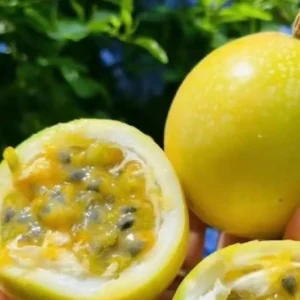
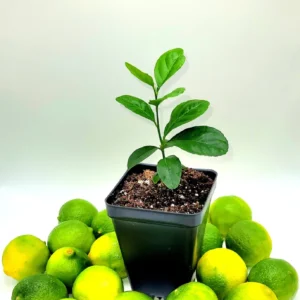
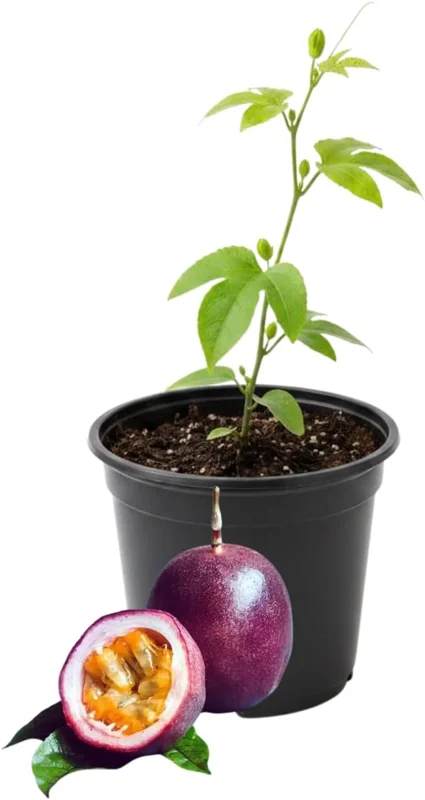
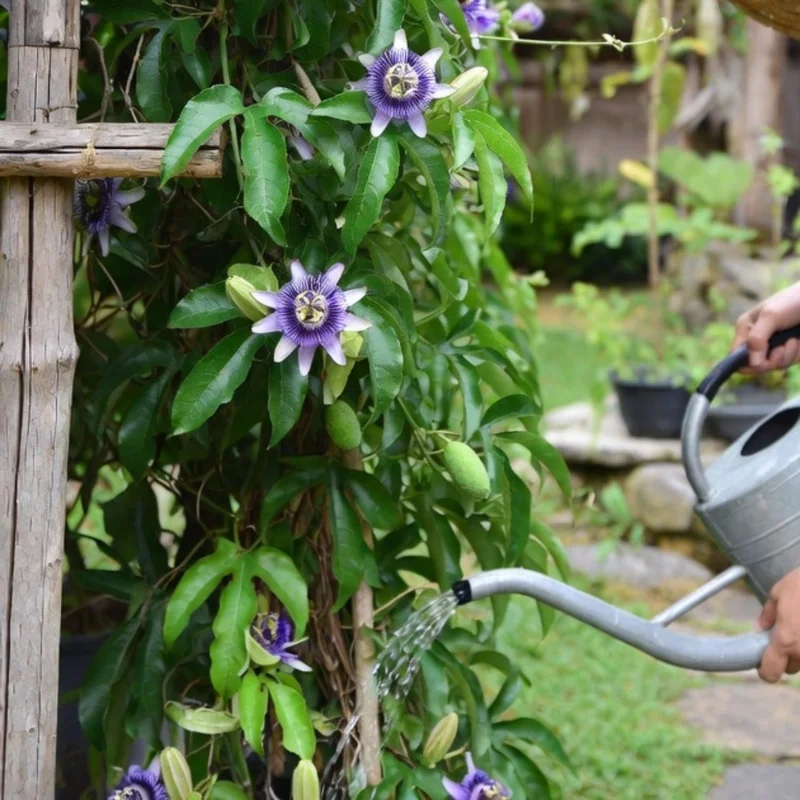
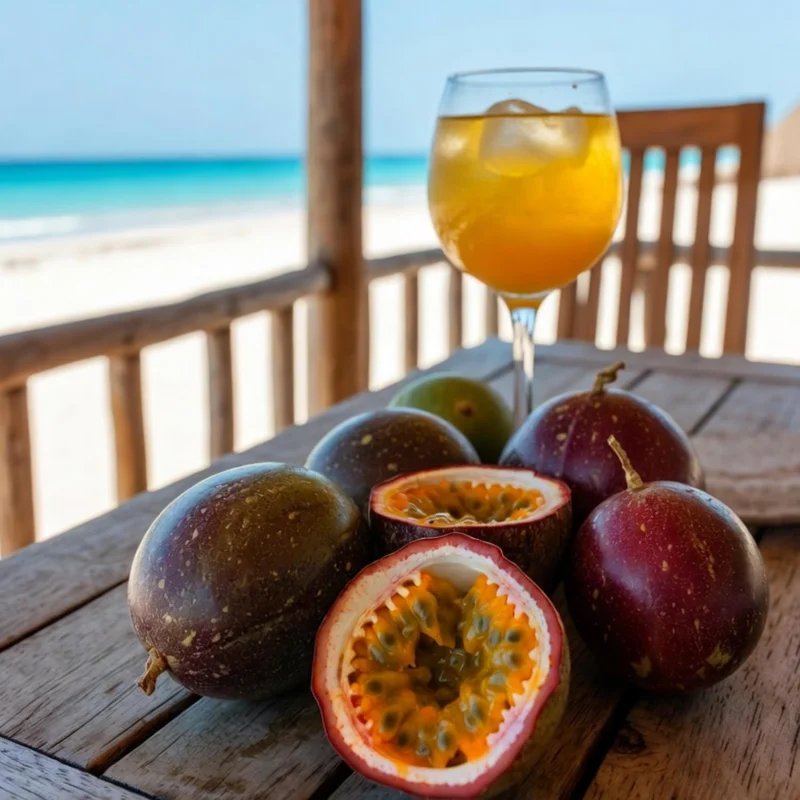
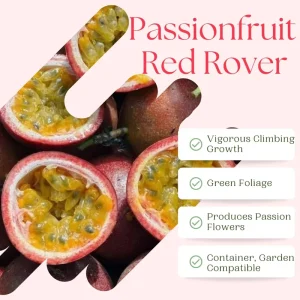
Bring the tropics to your backyard with the remarkable red rover passion fruit plant. This offering is for a live, vigorous vine, typically 4-7 inches tall, ready to be planted outdoors in your garden or on your patio. Known for its striking red-skinned, sweet-tart fruits, the Red Rover variety is a highly sought-after choice for home growers. Passion fruit vines are not only productive fruit bearers but also beautiful climbers, adding lush greenery and unique flowers to any landscape. Ideal for trellises, arbors, fences, or other support structures, this perennial fruit plant will transform your outdoor space into a productive and visually appealing oasis. Expect vigorous growth and a bountiful harvest once established, providing you with fresh, homegrown passion fruit for culinary delights or refreshing beverages. This live plant is a fantastic addition for anyone looking to cultivate delicious, exotic fruit.
The Red Rover variety is celebrated for its robust nature and consistent fruit production, making it a rewarding choice for both experienced gardeners and those new to growing passion fruit. Its rapid climbing habit allows it to quickly cover structures, offering shade and an attractive focal point. With proper care, this vine will thrive and become a cherished part of your edible landscape, yielding a continuous supply of its flavorful, aromatic fruit.
Key Benefits
Adding a red rover passion fruit plant to your garden offers a multitude of advantages, combining aesthetic appeal with practical yields. This vigorous vine provides both beauty and delicious, homegrown fruit.
-
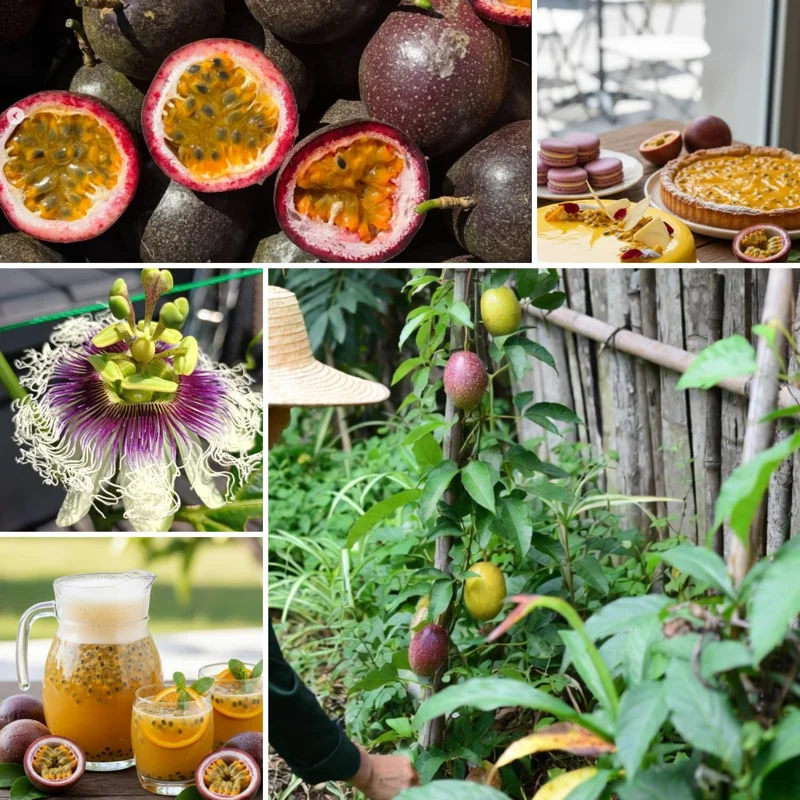
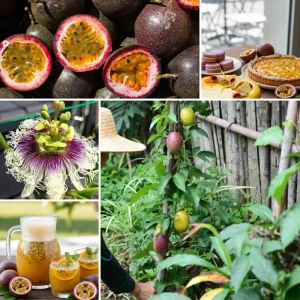
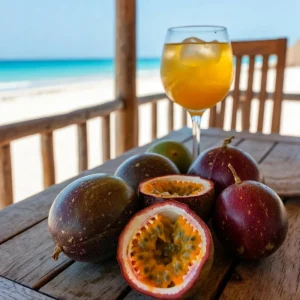
Delicious Homegrown Fruit: Enjoy a steady supply of sweet-tart, aromatic red passion fruits directly from your garden. Freshly picked passion fruit offers a flavor unparalleled by store-bought options, perfect for desserts, drinks, or eating fresh.
-
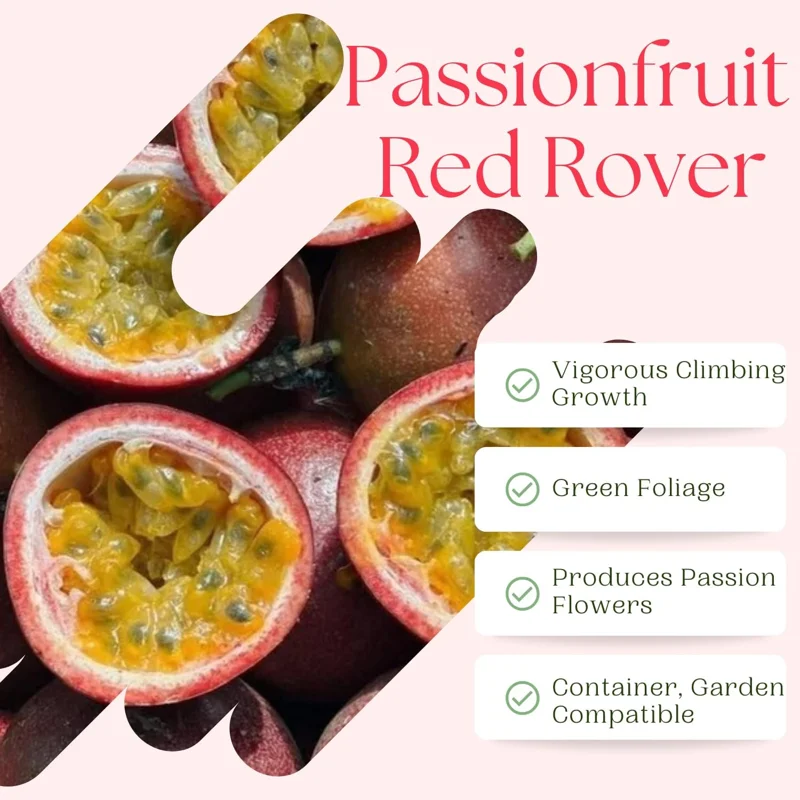
Vigorous Climbing Growth: The Red Rover vine is known for its robust and rapid growth, making it an excellent choice for covering trellises, arbors, fences, and pergolas. It quickly establishes itself, providing dense foliage and a beautiful green screen.
-
Ornamental Appeal: Beyond its fruit, the vine itself is highly decorative, featuring unique, intricate flowers that are a conversation starter. Its lush foliage adds a tropical feel to any outdoor space, enhancing garden aesthetics.
-
Perennial Production: As a perennial fruit plant, once established, your passion fruit vine will produce fruit year after year, offering a sustainable source of delicious produce without the need for annual replanting.
-
Low Maintenance: Once established, this passion fruit vine plant is relatively low maintenance. It requires consistent watering and support but is generally resilient and rewarding for the effort invested.
-
Versatile Outdoor Planting: Ideal for a variety of outdoor settings, including ground planting, large containers on patios, or balconies. It adapts well to different support structures, making it versatile for various garden designs.
-
Attracts Pollinators: The vibrant flowers of the passion fruit vine attract bees and other pollinators, contributing to the biodiversity and health of your garden ecosystem.
Plant Care & Growing Tips
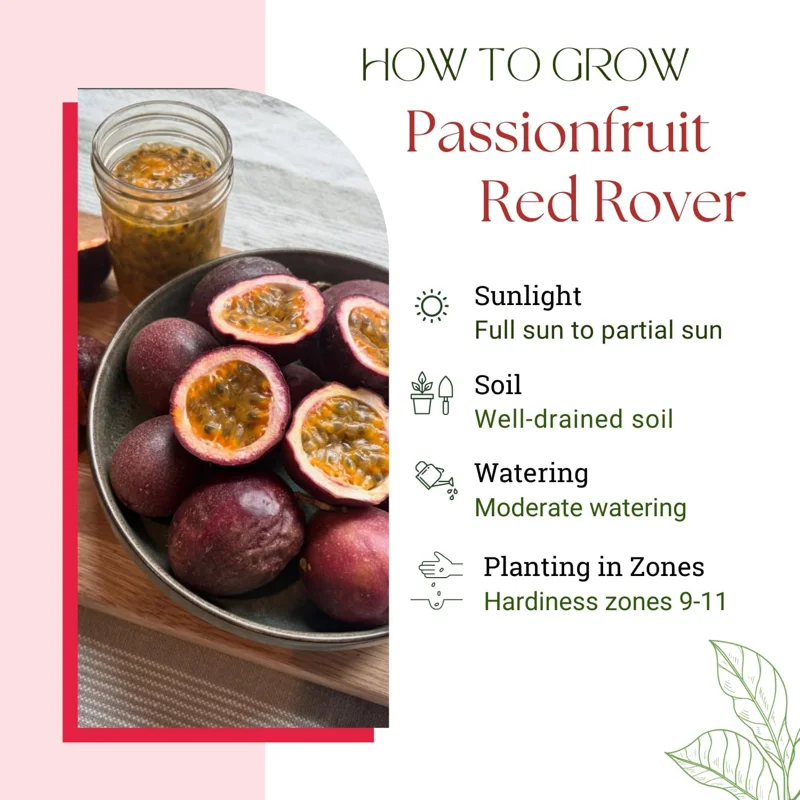
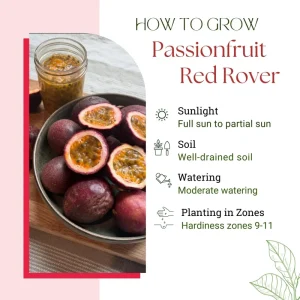
Caring for your red rover passion fruit plant is straightforward, and with the right conditions, you’ll be rewarded with a lush vine and abundant fruit. This tropical vine thrives in specific environments, so understanding its needs is key to successful cultivation. For optimal development and fruit production, ensure your vine receives ample sunlight. It performs best in full sun, meaning at least 6-8 hours of direct sunlight per day. While it can tolerate partial sun, fruit yield may be reduced. Choose a location in your garden that offers this exposure, ideally with some protection from harsh afternoon sun in extremely hot climates.
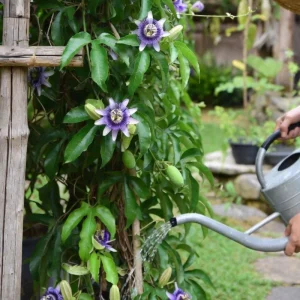
Watering is crucial for a healthy outdoor fruit vine. Passion fruit plants prefer consistently moist soil but are susceptible to root rot if waterlogged. Water regularly, especially during dry spells and when the plant is actively growing and fruiting. Check the soil moisture by feeling the top inch; if it feels dry, it’s time to water. Well-draining soil is absolutely essential to prevent water accumulation around the roots. A rich, loamy soil amended with organic matter will provide the best growing medium. The Red Rover variety is suitable for USDA Hardiness Zones 9-11, where it can be grown as a perennial. In cooler regions, it can be grown in containers and brought indoors during winter or treated as an annual.
Fertilize your perennial fruit plant regularly during the growing season (spring to fall) with a balanced fertilizer, or one slightly higher in phosphorus and potassium to encourage flowering and fruiting. Avoid excessive nitrogen, which can promote leafy growth at the expense of fruit. Provide a strong support structure like a trellis, arbor, or sturdy fence for the vine to climb. Pruning is beneficial to manage its vigorous growth, promote branching, and improve air circulation, which can help prevent fungal diseases. Remove any dead, diseased, or tangled branches as needed. Watch out for common pests like aphids or spider mites and treat with organic insecticidal soap if necessary.
Size & Details
This offering is for a live red rover passion fruit plant, typically measuring 4-7 inches tall from the base of the plant. It is shipped as a young, actively growing vine, ready for outdoor planting. The plant is supplied in a nursery pot, ensuring its root system is intact and healthy for transplanting. With its vigorous trailing growth, this vine will quickly establish itself and can reach an expected height of up to 10 feet or more, depending on the support structure and growing conditions. It is ideal for trellises, arbors, fences, and various garden supports, providing lush coverage and delicious fruit. Expect blooming to occur from spring to fall, followed by the development of the distinctive red passion fruits. This plant is a perennial in USDA Zones 9-11 and can be container-grown in cooler regions with winter protection.
Frequently Asked Questions
-
Q: How big does this red rover passion fruit plant get? A: This passion fruit vine is a vigorous climber and can reach an expected height of up to 10 feet or more, depending on the support structure and growing conditions. It will spread to cover trellises, arbors, and fences.
-
Q: What size pot does it come in? A: The plant is typically shipped in a standard nursery pot, ensuring the root system is healthy and ready for transplanting into your garden or a larger container upon arrival.
-
Q: Is this an indoor or outdoor plant? A: The Red Rover Passion Fruit is primarily an outdoor fruit vine, thriving in full sun. In USDA Zones 9-11, it is a perennial. In cooler climates, it can be grown in containers and brought indoors during winter months.
-
Q: How much sunlight does it need? A: This plant requires full sun exposure, meaning at least 6-8 hours of direct sunlight daily, for optimal growth and fruit production. It can tolerate partial sun, but fruit yield may be lower.
-
Q: Is this plant easy to care for? A: Once established, the passion fruit vine plant is considered relatively low maintenance. It needs consistent watering, well-draining soil, and a good support structure, but is generally robust.
-
Q: What condition will it arrive in? A: Your live plant will arrive carefully packaged, typically 4-7 inches tall, with its root system intact and healthy, ready for planting. We take great care to ensure safe transit.
-
Q: When is the best time to plant this perennial fruit plant? A: The best time for planting is in the spring, after the last threat of frost, allowing the plant ample time to establish itself before the heat of summer or the chill of winter.
-
Q: Will it survive winter in my zone? A: This Red Rover variety is a perennial in USDA Hardiness Zones 9-11. If you are in a cooler zone, you will need to protect it from frost or grow it in a container that can be moved indoors during winter.
-
Q: How long until it blooms and fruits? A: With proper care, the vine can begin blooming from spring to fall within its first year, and mature fruits typically develop shortly after successful pollination.
-
Q: What kind of soil does it prefer? A: It thrives in well-draining soil that is rich in organic matter. Avoid heavy, compacted soils that retain too much water, which can lead to root rot. A slightly acidic to neutral pH is ideal for growing passion fruit.


Reviews
There are no reviews yet.