Overview
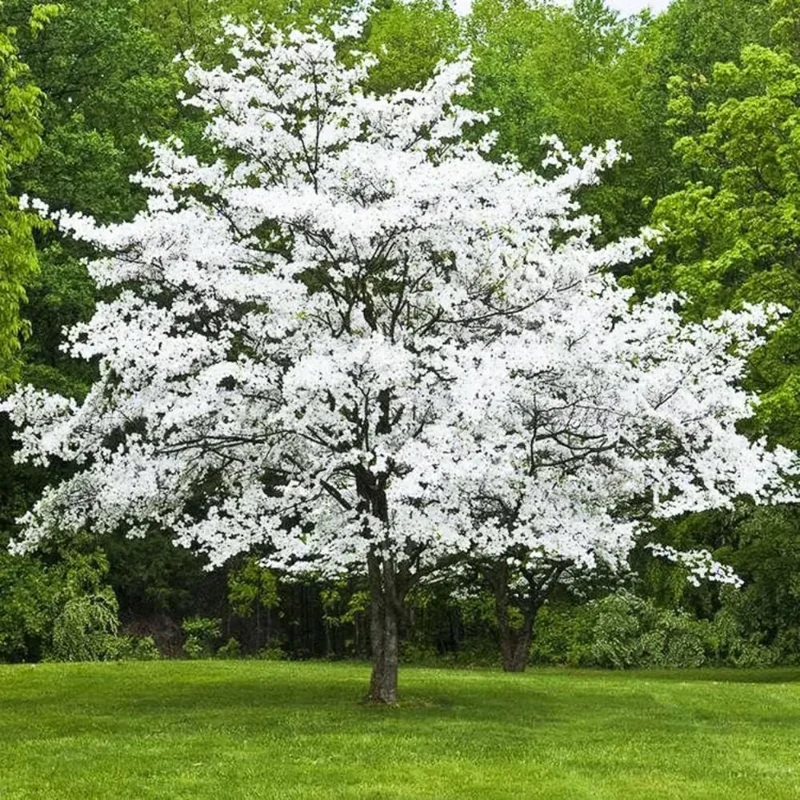
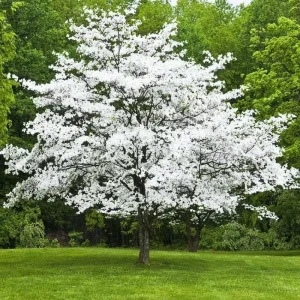
Introducing the magnificent white dogwood tree live plant, a true jewel for any landscape. This well-rooted, dormant specimen promises to transform your garden with its stunning seasonal displays. Revered for its classic beauty, the dogwood tree (Cornus florida) is a deciduous ornamental known for its distinctive horizontal branching and graceful form. In early spring, before its leaves fully emerge, it bursts forth with an abundance of large, showy white blossoms, creating a breathtaking spectacle. These aren’t true flowers but rather modified leaves called bracts that surround the inconspicuous actual flowers. As spring transitions to summer, the tree develops lush green foliage, providing a cooling canopy. The enchantment continues into autumn when the leaves turn a brilliant, fiery red, offering a dramatic display of fall color. This particular offering is a robust white dogwood tree live plant, carefully cultivated and shipped dormant, ensuring it establishes well in its new home and thrives for years to come.
Key Benefits
Choosing a white dogwood tree live plant for your garden offers a multitude of benefits, enhancing both aesthetic appeal and ecological value. This iconic ornamental tree provides year-round interest and contributes significantly to the natural beauty of your outdoor space.
- Spectacular Spring Blooms: Enjoy an explosion of large, pristine white blossoms in early spring, creating a focal point and signaling the arrival of warmer weather. These striking flowers are a hallmark of the white dogwood tree live plant.
- Vibrant Fall Color: As the seasons change, the green leaves of the dogwood transform into a brilliant, fiery red, providing a stunning autumnal display that adds warmth and drama to your landscape.
- Year-Round Interest: From spring flowers to summer foliage, brilliant fall colors, and an attractive winter silhouette, the flowering dogwood tree offers visual appeal throughout the entire year.
- Wildlife Attractor: The berries produced by the dogwood tree are a valuable food source for birds, and its blossoms attract pollinators, enhancing biodiversity in your garden.
- Low Maintenance & Hardy: Once established, this hardy ornamental tree is relatively low maintenance and resilient, making it a rewarding choice for gardeners of all experience levels. It is well-suited for various climates, particularly in its specified USDA zones.
- Versatile Landscaping Use: Its moderate size and attractive form make it ideal as a specimen tree, planted in flower beds, or used to create a beautiful understory in larger landscapes.
- Classic American Icon: The dogwood is a beloved native tree, adding a touch of classic American charm and elegance to any garden setting.
Plant Care & Growing Tips
Proper care is essential to ensure your white dogwood tree live plant thrives and provides years of beauty. This hardy tree is relatively easy to care for, especially when its basic needs are met. For optimal growth, plant your dogwood in a location that receives full sun to partial shade. Full sun encourages more prolific flowering and vibrant fall color, but in hotter climates, some afternoon shade can prevent leaf scorch. Aim for at least 4-6 hours of direct sunlight daily.
When it comes to watering, consistent moisture is key, especially during the first few growing seasons after planting. The soil should be kept evenly moist but never waterlogged. Dogwoods prefer well-draining, slightly acidic soil that is rich in organic matter. Amend heavy clay soils with compost or peat moss to improve drainage and aeration. Once established, the tree is more tolerant of drier conditions but will benefit from supplemental watering during prolonged dry spells. This resilience contributes to its reputation as an excellent ornamental dogwood.
The white dogwood tree live plant is hardy in USDA Zones 4-9, meaning it can withstand winter temperatures down to -30°F (-34°C). Fertilize in early spring with a balanced, slow-release fertilizer formulated for trees and shrubs. Avoid over-fertilizing, which can lead to excessive leafy growth at the expense of flowers. Pruning should be done in late winter or early spring while the tree is still dormant, focusing on removing dead, damaged, or crossing branches to maintain its natural shape and promote good air circulation. Keep an eye out for common pests like dogwood borers or diseases such as powdery mildew, and address them promptly. Understanding effective dogwood tree care will ensure a healthy and beautiful specimen.
Size & Details
This offering is for one white dogwood tree live plant, shipped well-rooted in a quart pot. The plant is currently in a dormant condition, which is ideal for transplanting and helps reduce transplant shock, allowing it to establish quickly in your garden. When mature, the White Dogwood (Cornus florida) typically reaches a height of 15-30 feet with a similar spread, creating a beautiful rounded or vase-shaped canopy. Its growth rate is moderate, adding 12-24 inches of height per year under optimal conditions. The product dimensions upon shipping are approximately 4 x 4 x 12 inches, with an item weight of about 1 pound, reflecting its well-rooted but compact state for safe transit. This specimen is perfect for starting your own beautiful flowering dogwood tree.
The tree will arrive ready for planting, and with proper care, you can expect its first captivating white blossoms in early spring, followed by lush green leaves in summer and a spectacular transformation to brilliant red in the fall. This buy dogwood tree option provides a robust foundation for a stunning addition to your landscape, offering year-round visual interest and ecological benefits.
Frequently Asked Questions
- Q: How big does this white dogwood tree live plant get at maturity? A: A: The White Dogwood (Cornus florida) typically grows to a height of 15-30 feet with a similar spread, forming a beautiful rounded or vase-shaped canopy. Its size makes it suitable as a specimen tree or for understory planting.
- Q: Is this an indoor or outdoor plant? A: This flowering dogwood tree is an outdoor plant. It requires natural light cycles and seasonal temperature changes to thrive and bloom effectively.
- Q: How much sunlight does a dogwood tree need? A: A dogwood tree thrives in full sun to partial shade. For the best flowering and fall color, aim for at least 4-6 hours of direct sunlight daily, especially in the morning.
- Q: What condition will the tree arrive in? A: The white dogwood tree live plant will arrive well-rooted in a quart pot and will be in a dormant state. This is normal for deciduous trees and ensures optimal success when transplanting.
- Q: Is this tree easy to care for? A: Yes, once established, the ornamental dogwood is considered low maintenance. It requires consistent watering during its first few years and occasional pruning to maintain its shape and health.
- Q: When is the best time to plant this dogwood tree? A: The best time to plant a dormant dogwood tree is in early spring or fall. This allows the root system to establish before the stress of summer heat or winter cold.
- Q: What USDA Hardiness Zones is this dogwood suitable for? A: This dogwood tree is hardy in USDA Zones 4-9, meaning it can tolerate a wide range of winter temperatures and is suitable for many regions across the United States.
- Q: What kind of soil does this tree prefer? A: The dogwood prefers well-draining, slightly acidic soil that is rich in organic matter. Amending with compost can improve soil structure and fertility for your white dogwood tree live plant.
- Q: How long until it blooms after planting? A: While the plant is dormant, it is well-rooted. With proper care, you can expect to see its beautiful white blossoms in the spring following its first full growing season after planting.
- Q: Will this tree attract wildlife? A: Yes, the flowering dogwood tree produces berries in the fall and winter, which are a valuable food source for various bird species, enhancing your garden’s appeal to local wildlife.


Reviews
There are no reviews yet.