Overview
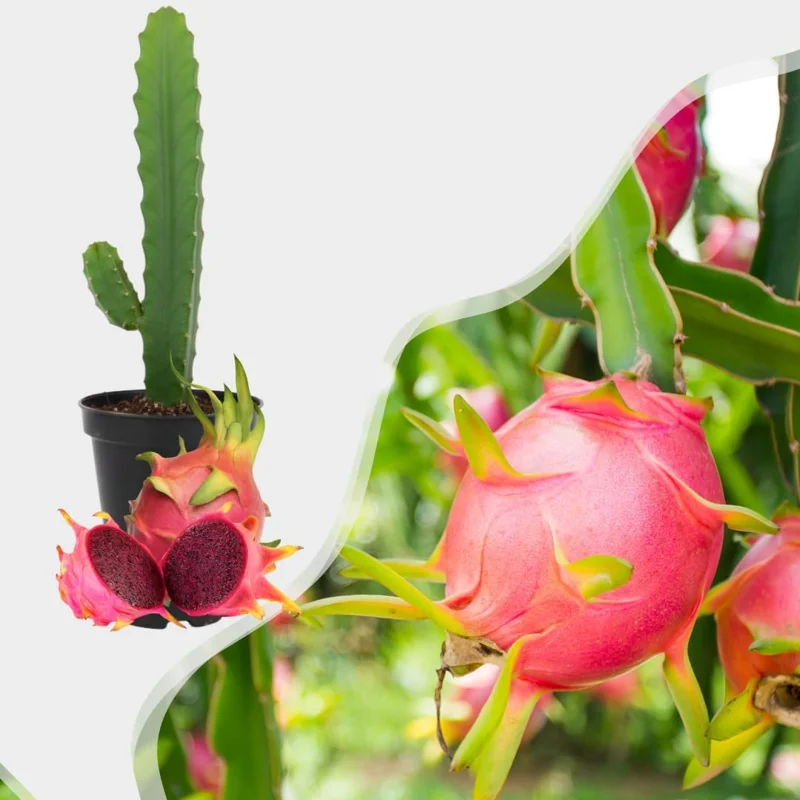
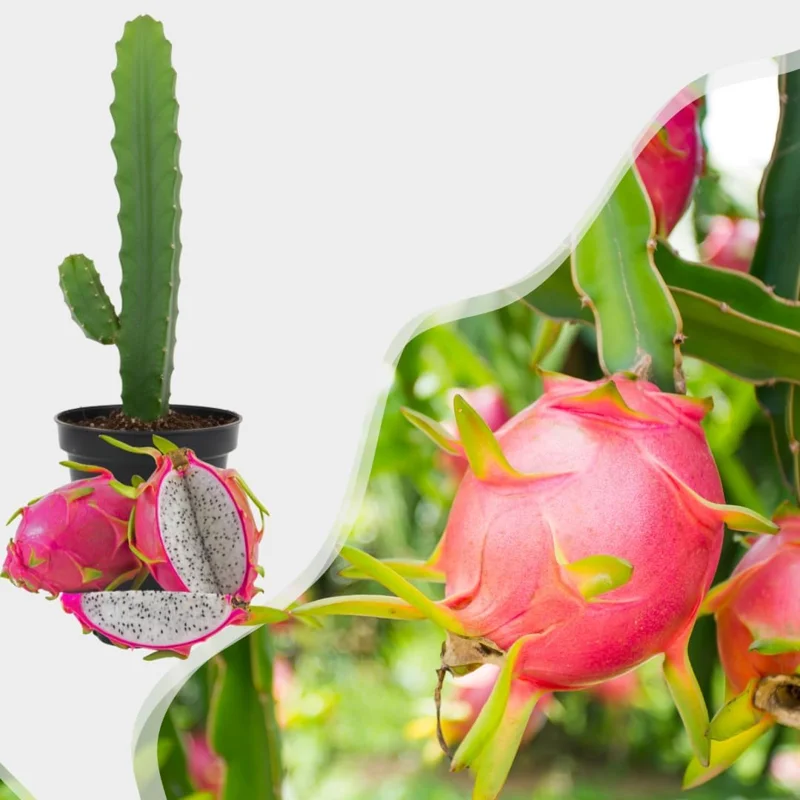
Embark on an exciting gardening adventure with our vibrant red dragon fruit live plant. Also known as pitaya, this tropical vine is celebrated for its stunning appearance and delicious, sweet fruit. Originating from Central and South America, the dragon fruit plant has become a favorite among home gardeners for its unique beauty and nutritional value. Our 1 gallon potted plant provides a robust start, ensuring you receive a healthy, established specimen ready to thrive in your garden or a large container. The striking red-skinned fruit with its speckled white or red flesh is not only a culinary delight but also a visual spectacle, making this an excellent addition for those looking to grow dragon fruit at home and add a touch of the tropics to their landscape.
This particular variety produces fruit with a rich red pulp, offering a sweeter flavor profile compared to its white-fleshed counterparts. The climbing habit of the sweet dragon fruit vine makes it an interesting plant for trellises, arbors, or sturdy posts, adding vertical interest to your outdoor space. It’s a relatively low-maintenance plant once established, rewarding patient growers with its exotic blooms and bountiful harvests. Discover the joy of cultivating this extraordinary fruit and impress your friends and family with your homegrown tropical bounty.
Key Benefits
Adding a red dragon fruit live plant to your garden offers a multitude of advantages, from its aesthetic appeal to its health benefits. This resilient and beautiful vine is more than just a fruit producer; it’s a statement plant that brings tropical elegance and fresh, healthy produce right to your doorstep. Here are some of the key benefits you can expect:
- Exotic Fruit Production: Enjoy the unique pleasure of harvesting your own fresh, sweet, and juicy red dragon fruit. These fruits are not only delicious but also packed with antioxidants and vitamins, perfect for healthy eating. Imagine whipping up smoothies, fruit salads, or just enjoying a refreshing snack with your homegrown pitaya.
- Stunning Ornamental Value: Beyond its fruit, the sweet dragon fruit vine is a beautiful plant in its own right. Its lush green, succulent-like stems and large, nocturnal, fragrant flowers create a dramatic visual impact, especially when in bloom, making it a focal point in any garden.
- Relatively Low Maintenance: Once established, dragon fruit plants are surprisingly hardy and require minimal fuss. They are drought-tolerant and resilient, making them suitable for gardeners who appreciate a plant that doesn’t demand constant attention. This makes it easier to grow dragon fruit at home even for busy individuals.
- Versatile Growing Options: Whether you have a spacious garden or a compact patio, this plant can adapt. It thrives in both garden beds and large outdoor containers, allowing flexibility in placement and growth management. Training it on a trellis can save space and enhance its decorative appeal.
- Health Benefits: Dragon fruit is known for its high fiber content, essential vitamins, and minerals. Growing your own ensures you have access to fresh, pesticide-free fruit, contributing to a healthier lifestyle. The vibrant red flesh is particularly rich in beneficial compounds.
- Unique Gardening Experience: Cultivating a tropical fruit in your home garden offers a rewarding and educational experience. Watching the plant grow, flower, and eventually bear fruit is incredibly satisfying, connecting you more deeply with nature.
- Adaptable to Warm Climates: This plant thrives in warmer climates, particularly USDA Zones 9-11, making it an excellent choice for gardeners in these regions looking for a reliable tropical fruit producer. Understanding pitaya plant care will ensure a successful harvest.
Plant Care & Growing Tips
Proper care is essential for a thriving red dragon fruit live plant and a bountiful harvest. While generally low-maintenance, understanding its specific needs will help you achieve the best results. Dragon fruit, a type of cactus, prefers conditions similar to its native tropical environment. Providing the right amount of sunlight, water, and well-draining soil is crucial for its health and fruit production. For those looking to successfully grow dragon fruit at home, paying attention to these details will make all the difference.
Sunlight Requirements
The sweet dragon fruit vine thrives in full sun, requiring at least 6-8 hours of direct sunlight per day to produce fruit. In extremely hot climates, some afternoon shade can prevent scorching of the stems. If growing in a container, ensure it can be moved to a location that receives ample sunlight. For optimal growth and flowering, a sunny spot is non-negotiable. Insufficient light can lead to leggy growth and poor fruit set, so choose your planting location wisely to maximize its potential.
Watering & Soil Preferences
Despite being a cactus, dragon fruit plants appreciate regular watering, especially during dry spells and when fruiting. However, they are highly susceptible to root rot if overwatered. The key is to allow the soil to dry out completely between waterings. Water deeply until it drains from the bottom of the pot or into the surrounding soil. The plant thrives in well-draining soil to protect the roots. A sandy loam mix amended with organic matter or a cactus-specific potting mix is ideal. Good drainage is paramount, so ensure your chosen container has adequate drainage holes. Understanding pitaya plant care for watering is critical for preventing common issues.
Temperature & Hardiness
This tropical plant prefers warm temperatures and is sensitive to frost. It thrives in USDA Growing Zones 9-11. If you live in a cooler climate, it’s best to grow your red dragon fruit live plant in a container that can be moved indoors during winter. Protect it from temperatures below 35°F (2°C). In warmer zones, it can be grown outdoors year-round. Consistent warmth encourages robust growth and fruit development, especially for a tropical fruit plant like this.
Fertilization
Feed your dragon fruit plant with a balanced fertilizer during its active growing season (spring and summer). A low-nitrogen fertilizer, such as a 6-6-18 or 8-3-9 blend, is often recommended to encourage flowering and fruiting rather than just vegetative growth. Apply fertilizer every 2-3 months, following the product’s instructions. Reduce or stop fertilization during the dormant winter months. Over-fertilization can harm the plant, so always apply sparingly.
Support & Pruning
As a climbing vine, the sweet dragon fruit vine requires a sturdy support structure like a trellis, arbor, or a robust pole. Train the stems to grow upwards, and once they reach the top of the support, allow them to cascade downwards, which encourages flowering. Pruning is important to maintain plant health and encourage fruit production. Remove any dead, damaged, or overcrowded stems. Pruning also helps to improve air circulation and sunlight penetration, which are vital for healthy growth and fruit development.
Size & Details
This offering is for a healthy red dragon fruit live plant, supplied in a 1 gallon pot, ensuring it has a strong root system and a good start to its life in your garden. The plant’s exact height will vary upon arrival but will be well-established and ready for transplanting. Dragon fruit vines are vigorous growers and, with proper support, can reach impressive lengths of 10 to 20 feet. The stems are typically triangular in cross-section and can be quite thick. This tropical fruit plant has a moderate to fast growth rate under ideal conditions, meaning you can expect it to establish itself relatively quickly.
While the initial plant size is compact enough for safe shipping, it will rapidly grow once settled in its new home. Expect the plant to begin flowering within 1-3 years, followed by fruit production. Each plant is carefully selected to ensure quality and vitality, providing you with the best possible start to grow dragon fruit at home. It is shipped in its nursery pot with soil, minimizing transplant shock upon arrival. The vibrant red fruit is a testament to the healthy genetics of this specific variety.
Frequently Asked Questions
- Q: How big does this red dragon fruit live plant get? A: Dragon fruit vines are vigorous climbers and can reach lengths of 10 to 20 feet if given proper support. With regular pruning, you can manage its size to fit your gardening space.
- Q: What size pot does it come in? A: This sweet dragon fruit vine is supplied in a 1 gallon nursery pot, providing a well-established root system for successful transplanting.
- Q: Is this an indoor or outdoor plant? A: While it thrives outdoors in USDA Zones 9-11, it can be grown in large containers and moved indoors during colder months in other regions. It is primarily an outdoor tropical fruit plant.
- Q: How much sunlight does it need? A: Dragon fruit requires full sun, meaning at least 6-8 hours of direct sunlight daily, to encourage flowering and fruit production.
- Q: Is this plant easy to care for? A: Yes, once established, the red dragon fruit live plant is considered low-maintenance, requiring well-draining soil, full sun, and moderate watering. It’s a good choice for gardeners looking for an exotic fruit with manageable care.
- Q: What condition will it arrive in? A: Your plant will arrive in its 1 gallon nursery pot, carefully packaged to ensure it is healthy and ready for planting upon arrival. We take great care in shipping live plants.
- Q: How long until it blooms and produces fruit? A: Typically, a well-cared-for pitaya plant care will see it begin to flower and produce fruit within 1-3 years of planting, depending on growing conditions and maturity.
- Q: When is the best time to plant? A: The best time to plant your sweet dragon fruit vine is in spring or early summer, once all danger of frost has passed, allowing it ample time to establish before cooler weather.
- Q: Will it survive winter in my zone? A: It will survive winter outdoors in USDA Zones 9-11. In colder zones, it must be protected from frost or brought indoors when temperatures drop below 35°F (2°C).
- Q: What type of soil does it prefer? A: This tropical fruit plant prefers well-draining soil, such as a sandy loam mix or a specialized cactus potting mix, to prevent root rot.


Reviews
There are no reviews yet.