Overview
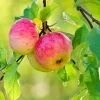
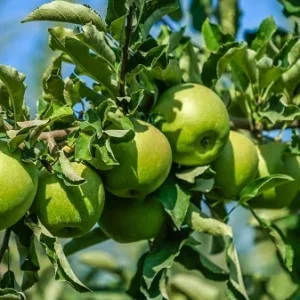
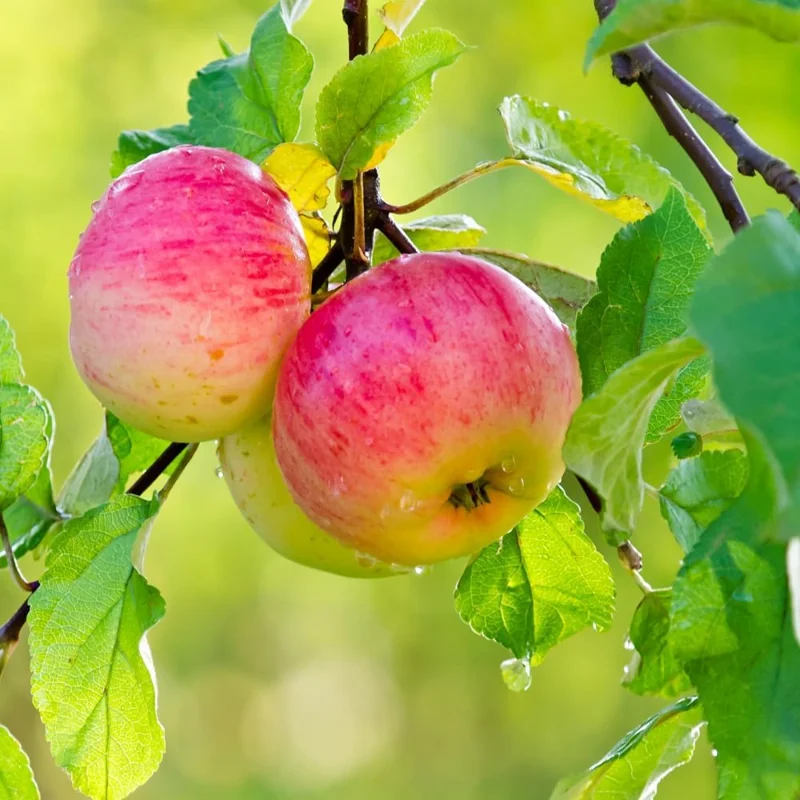
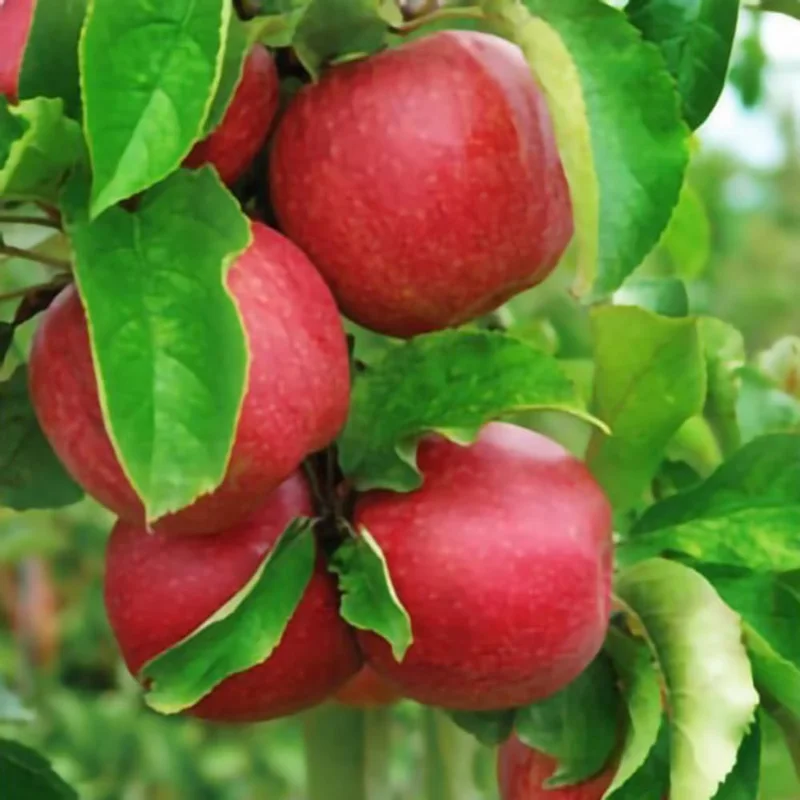
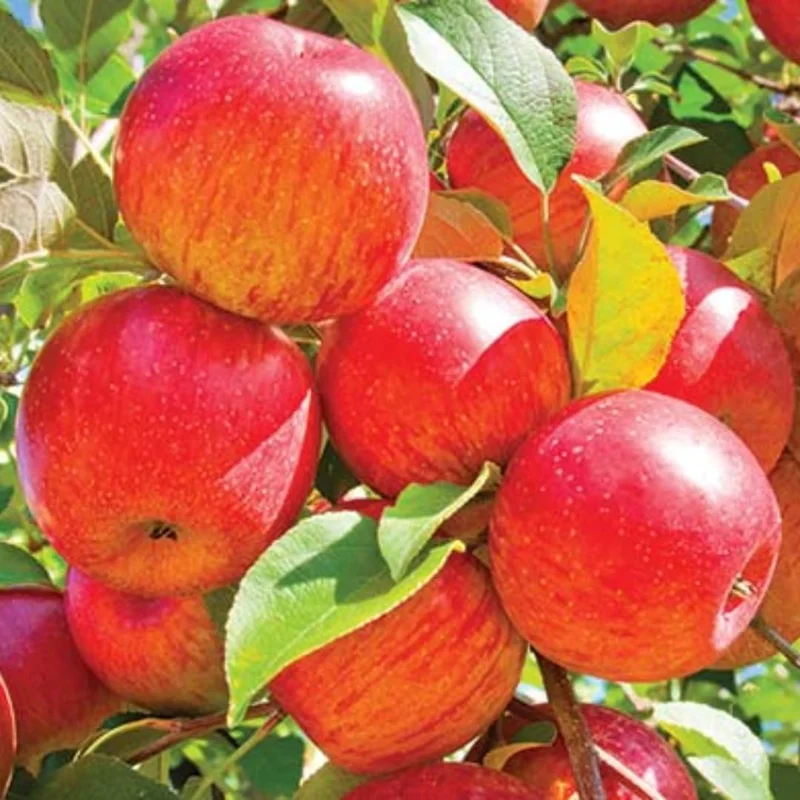
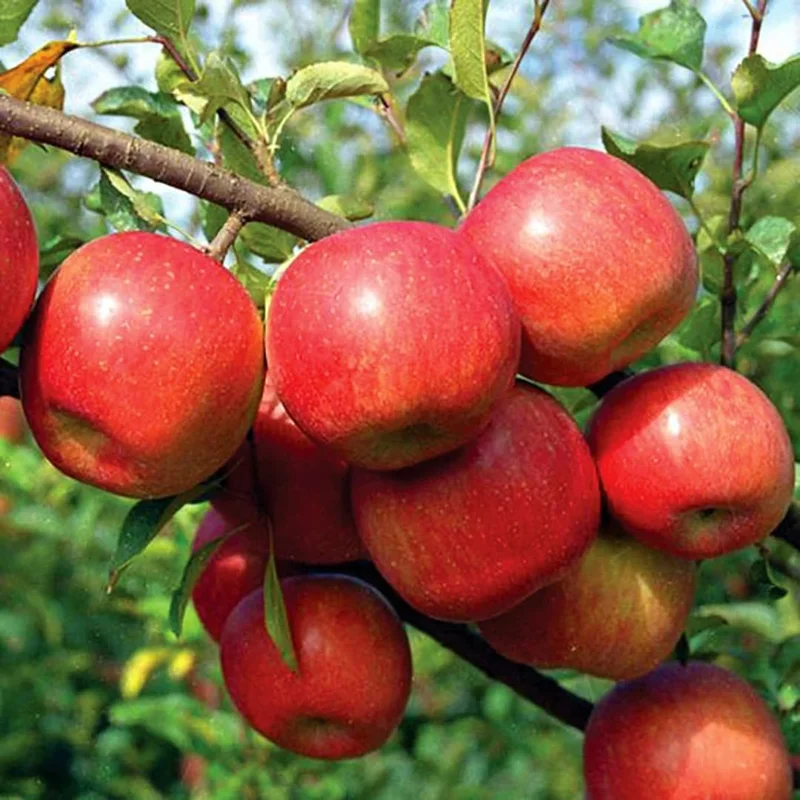
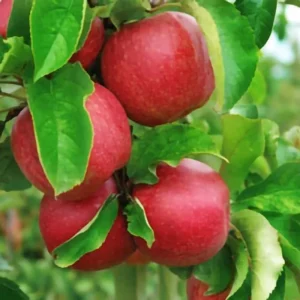
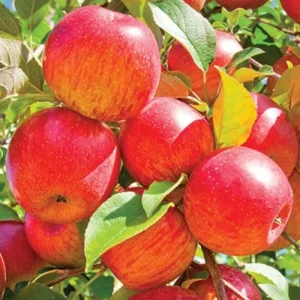
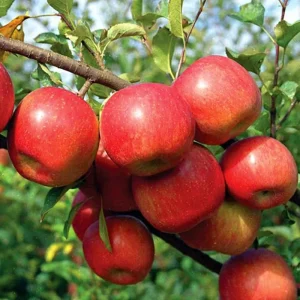
Embark on a delightful gardening journey with the honeycrisp apple tree live plant. Renowned for its exceptional flavor and crisp texture, the Honeycrisp apple is a favorite among fruit enthusiasts. This bare root apple tree is a fantastic addition to any home orchard, offering the promise of fresh, homegrown fruit. Arriving dormant, typically up to 3 feet tall, it is perfectly poised for spring planting, ready to awaken and flourish in your garden. The Honeycrisp variety (Malus domestica ‘Honeycrisp’) is celebrated not only for its deliciously sweet and subtly tart fruit but also for its robust nature and adaptability to various climates, making it a reliable choice for many growers.
Growing your own fruit trees provides immense satisfaction, and the honeycrisp apple tree live plant makes it achievable. This plant is specifically selected for its vigor and ability to establish quickly once planted. Its bare root form ensures minimal transplant shock and encourages rapid root development. Prepare to nurture this tree into a fruitful producer, yielding an abundance of the highly sought-after Honeycrisp apples.
Key Benefits
Bringing a honeycrisp apple tree live plant into your garden offers numerous advantages, from fresh produce to aesthetic appeal. This particular variety is known for its outstanding characteristics that make it a top choice for home growers:
- Delicious Homegrown Fruit: Enjoy the unparalleled taste of homegrown Honeycrisp apples, famous for their unique honey-like sweetness and satisfyingly crisp bite. Harvesting your own fruit is a rewarding experience.
- Cold Hardy & Resilient: This cold hardy fruit trees variety is well-suited for cooler climates, demonstrating excellent resistance to winter temperatures, ensuring a higher chance of successful growth and fruiting year after year.
- Excellent for Fresh Eating: Honeycrisp apples are primarily enjoyed fresh, making them perfect for snacks, salads, and lunchboxes. Their firm texture holds up well, providing a refreshing crunch.
- Beautiful Orchard Addition: Beyond its fruit production, the apple tree adds significant ornamental value to your landscape with its attractive spring blossoms and lush green foliage throughout the growing season.
- Long Storage Life: Once harvested, Honeycrisp apples are known for their ability to store well, allowing you to enjoy your bounty for an extended period after the picking season.
- Engaging Gardening Project: Cultivating a bare root apple tree offers a fulfilling gardening project for individuals and families, teaching patience and providing a tangible reward.
- Versatile Culinary Use: While great fresh, Honeycrisp apples can also be used in baking, sauces, and ciders, adding a sweet and crisp dimension to various recipes.
Plant Care & Growing Tips
To ensure your honeycrisp apple tree live plant thrives and produces abundant fruit, proper care is essential. Apple trees generally prefer a site with at least 6-8 hours of direct sunlight per day; full sun exposure is crucial for optimal fruit development and tree health. When planting your bare root apple tree, choose a location with well-draining soil. Apple trees prefer a slightly acidic to neutral pH (6.0-7.0). Amend heavy clay soils with compost or other organic matter to improve drainage and aeration. Dig a hole wide enough to accommodate the roots without bending and deep enough so the graft union (the slightly swollen area where the apple variety was joined to the rootstock) is 2-4 inches above the soil line.
Watering is critical, especially during the first few years after planting. Keep the soil consistently moist but not waterlogged. Deep watering once or twice a week is generally more beneficial than frequent shallow watering. Reduce watering in late fall as the tree enters dormancy. Fertilize in early spring with a balanced slow-release fertilizer designed for fruit trees. Pruning should be done annually in late winter or early spring while the tree is dormant. Focus on removing dead, diseased, or crossing branches, and shape the tree to allow for good air circulation and sunlight penetration to all parts of the canopy. The Honeycrisp variety is a cold hardy fruit trees, typically thriving in USDA zones 3-7, making it suitable for a wide range of climates.
Pest and disease management is an ongoing process. Regularly inspect your tree for any signs of common apple tree issues such as apple scab, powdery mildew, or codling moths. Implement organic pest control methods or consult local extension services for recommended treatments. Adequate pollination is necessary for fruit production; while some apple trees are self-pollinating, Honeycrisp benefits greatly from a cross-pollinator nearby for maximum yield. Consider planting another apple variety that blooms at the same time within 50 feet for best results.
Size & Details
This honeycrisp apple tree live plant is typically supplied as a bare root apple tree, meaning it arrives without soil around its roots, which is a common and effective method for shipping deciduous trees during their dormant season. The plant’s height upon arrival is generally up to 3 feet, providing a good foundation for growth once planted. As a semi-dwarf or standard variety (depending on the rootstock), a mature Honeycrisp apple tree can reach heights of 10-20 feet with a similar spread, though this can be managed with proper pruning. It typically begins bearing fruit within 2-5 years after planting, with full production achieved in 5-8 years. The Honeycrisp is known for its vigorous growth habit and relatively fast establishment, especially when given proper care.
Frequently Asked Questions
- Q: How big will my honeycrisp apple tree live plant get? A: A mature Honeycrisp apple tree, depending on its specific rootstock and growing conditions, can reach heights of 10-20 feet tall and wide. Regular pruning can help manage its size and shape.
- Q: Is this an indoor or outdoor plant? A: This is an outdoor fruit tree. The honeycrisp apple tree live plant requires full sun exposure and is designed to be planted directly in the ground in your garden or orchard. It is a cold hardy fruit trees variety.
- Q: How much sunlight does a Honeycrisp apple tree need? A: For optimal growth and fruit production, your apple tree needs at least 6-8 hours of direct sunlight per day. Full sun is highly recommended.
- Q: Is this plant easy to care for? Is it good for beginners? A: Apple trees require consistent care, including watering, pruning, and occasional pest management. While not entirely hands-off, with good initial planting and regular attention, a bare root apple tree can be a rewarding project for enthusiastic beginners.
- Q: What condition will the honeycrisp apple tree live plant arrive in? A: Your apple tree will arrive as a bare root plant, meaning it is dormant and has no soil around its roots. This is standard practice for shipping deciduous trees and ensures better establishment.
- Q: When is the best time to plant a bare root apple tree? A: The ideal time to plant a bare root apple tree is in early spring, after the danger of hard frosts has passed but before the tree breaks dormancy and starts to leaf out.
- Q: Will it survive winter in my zone? A: Honeycrisp apple trees are known for their cold hardiness and typically thrive in USDA Hardiness Zones 3-7. Always check your local zone to ensure it’s suitable for your area.
- Q: Does the Honeycrisp apple tree need another apple tree for pollination? A: While some apple varieties are self-fertile, Honeycrisp will produce significantly more fruit if it has a compatible pollinator nearby. Plant another apple variety that blooms at the same time within 50 feet for best results.
- Q: What kind of soil is best for a honeycrisp apple tree live plant? A: Apple trees prefer well-draining, loamy soil with a slightly acidic to neutral pH (6.0-7.0). Avoid heavy clay soils that retain too much water.
- Q: How long until I can harvest apples from my tree? A: You can typically expect your honeycrisp apple tree live plant to start producing fruit within 2-5 years after planting, with full production reached in 5-8 years depending on care and growing conditions.


Reviews
There are no reviews yet.