Overview
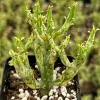
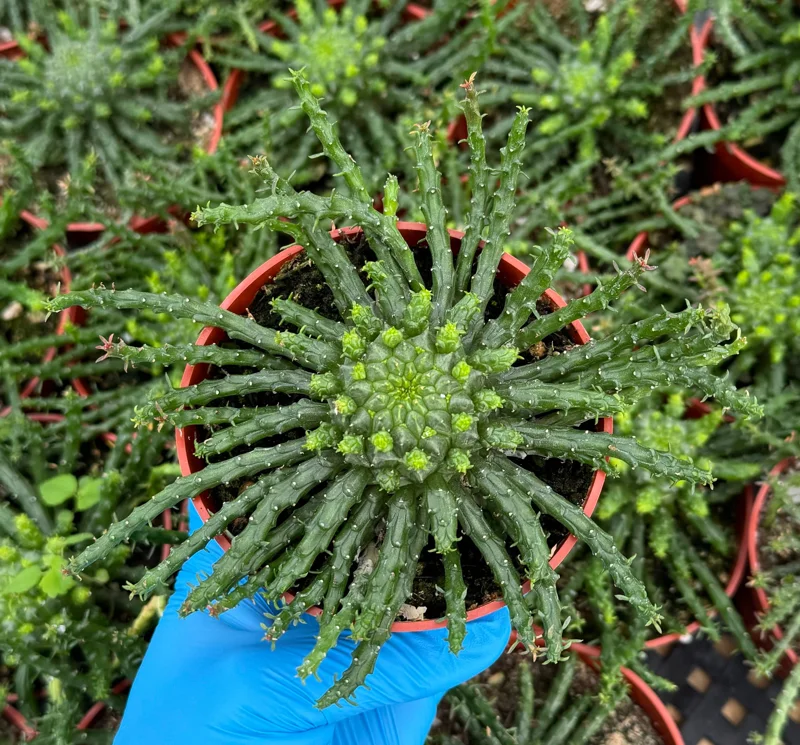
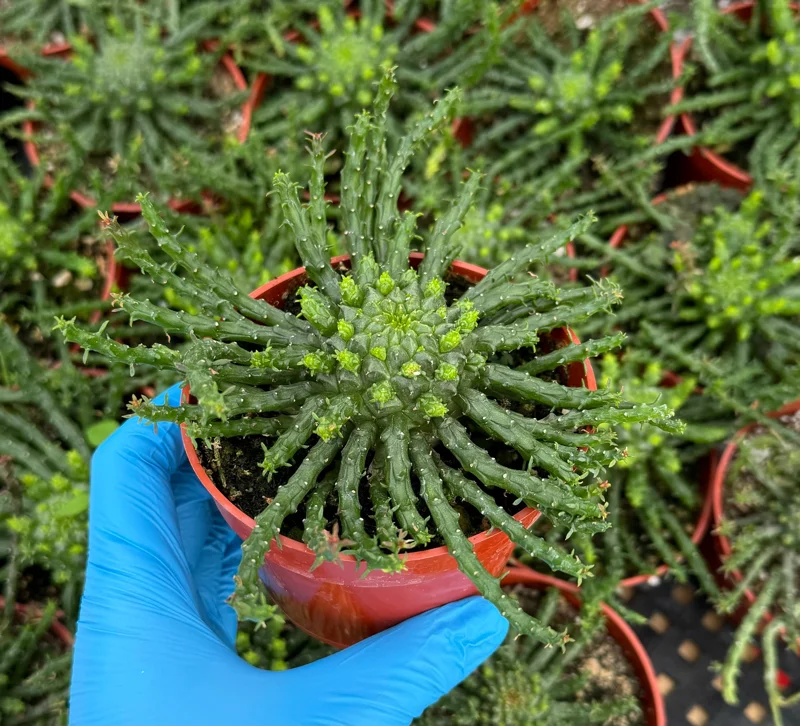
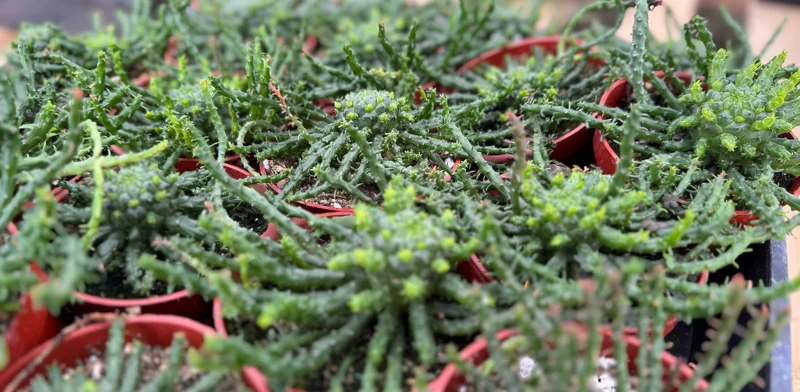
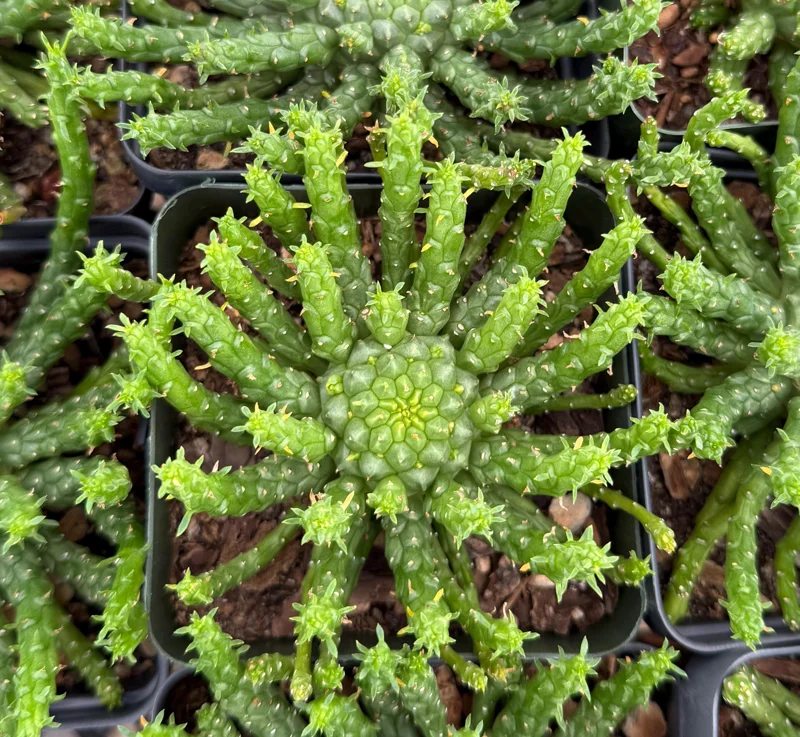
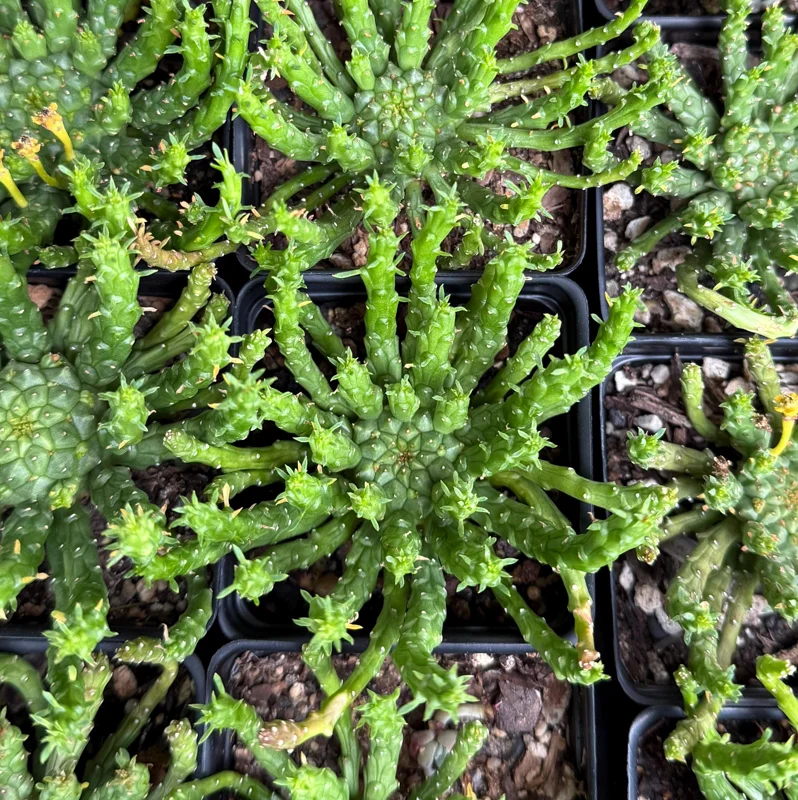
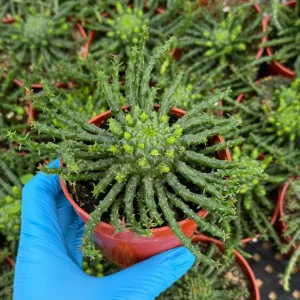
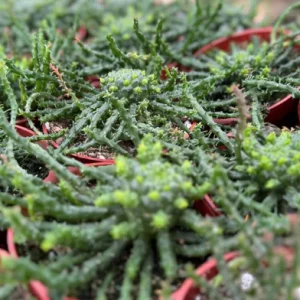
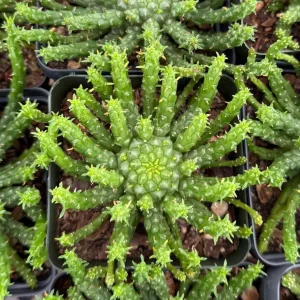
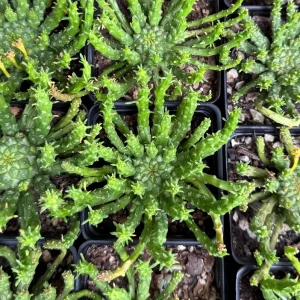
The medusa’s head plant, scientifically known as Euphorbia flanaganii, is a truly captivating and unique succulent that will be a conversation starter in any plant collection. Often referred to by its common name, ‘Medusa’s Head’ or ‘African Milk Bar’, this fascinating succulent hails from South Africa. It earns its striking moniker from its distinctive growth habit: multiple green, cylindrical stems radiate outwards from a central caudex, creating an appearance reminiscent of the mythological Medusa’s serpentine hair. Each stem is adorned with small, triangular leaves arranged in a spiral pattern, contributing to its intricate beauty. This euphorbia flanaganii care is straightforward, making it an excellent choice for both novice and experienced succulent enthusiasts looking for an unusual and visually interesting live plant.
This particular offering is for a healthy medusa’s head plant, ready to thrive in your home or garden (in appropriate climates). Its unique form and relatively low maintenance requirements make it a highly desirable specimen. The greenish-yellow cyathia (small, inconspicuous flowers) add subtle charm during its blooming period, further enhancing its appeal without detracting from the sculptural beauty of its stems. Whether you’re expanding an existing succulent collection or starting a new one, this plant promises to deliver exotic flair and a touch of natural artistry.
Key Benefits
Owning a medusa’s head plant offers a multitude of benefits, from its striking aesthetics to its ease of care. This succulent live plant is not just a botanical specimen; it’s a living piece of art that brings a unique character to any space. Its distinct appearance ensures it stands out from more common houseplants.
- Unique Ornamental Appeal: The serpentine stems radiating from a central point create an unparalleled visual interest, making it a focal point in any room or succulent arrangement. It’s truly an unusual succulent that captures attention.
- Low Maintenance: Ideal for busy individuals or those new to plant care, this Euphorbia requires minimal watering and thrives on neglect, making euphorbia flanaganii care exceptionally easy.
- Drought Tolerant: As a succulent, it naturally stores water in its fleshy stems, allowing it to withstand periods of dryness, which is perfect for forgetful waterers.
- Compact Growth: While its stems can reach up to 12 inches, its overall growth habit remains relatively compact, making it suitable for windowsills, shelves, or small garden spaces.
- Collector’s Item: Due to its distinctive form and mythological association, the medusa’s head plant is highly sought after by succulent collectors and enthusiasts.
- Conversation Starter: Its unusual appearance guarantees it will spark curiosity and admiration from guests, making it a great addition for social spaces.
- Adaptable to Indoor Environments: This succulent thrives indoors with adequate light, bringing a touch of the exotic to your home decor.
Plant Care & Growing Tips
Proper euphorbia flanaganii care is relatively simple, allowing this unique succulent to flourish with minimal effort. For optimal growth, provide your medusa’s head plant with plenty of bright light. It prefers full sun to partial shade, meaning at least 4-6 hours of direct sunlight per day. If grown indoors, a south-facing window is ideal, or supplement with a grow light. Insufficient light can lead to etiolation, where the stems stretch and become leggy. When watering, practice the ‘soak and dry’ method: water thoroughly until it drains from the bottom, then allow the soil to dry out completely before watering again. Overwatering is the most common cause of problems, leading to root rot. During winter dormancy, reduce watering significantly.
The ideal soil for your african milk bar succulent should be well-draining. A cactus and succulent potting mix or a mix of potting soil, perlite, and coarse sand in equal parts works best. Good drainage is crucial to prevent waterlogging. This plant prefers warm temperatures, ideally between 65-80°F (18-27°C). It is not frost-hardy and should be protected from temperatures below 40°F (4°C). Fertilize sparingly during the growing season (spring and summer) with a diluted liquid succulent fertilizer, about once a month. Avoid fertilizing during fall and winter. Watch out for common pests like mealybugs or spider mites; treat promptly with insecticidal soap if spotted. This robust medusa’s head plant is generally resistant to most diseases when cultural conditions are met.
Size & Details
This offering provides a robust medusa’s head plant (Euphorbia flanaganii) as a live plant, available in either a 4 inch or 6 inch nursery pot. The stems are thick, fleshy, and cylindrical, typically growing up to 12 inches (30 cm) tall, though they can spread wider than they are tall over time, creating a dense, sculptural mound. The plant’s growth rate is moderate, allowing you to enjoy its evolving form without it outgrowing its space too quickly. You will receive a well-rooted specimen, carefully packaged to ensure safe arrival. The plant will be shipped in its nursery pot with soil, ready for you to place in your desired location or repot into a decorative container. Expect some variation in size and exact stem count, as each live plant is unique, but all will be healthy and vigorous. The small, triangular leaves are arranged in a spiral pattern along the stems, and small, greenish-yellow flowers may appear seasonally.
Frequently Asked Questions
- Q: How big does this plant get? A: The stems of the medusa’s head plant can grow up to 12 inches (30 cm) tall and spread outwards, forming a dense, snake-like cluster. Its overall size will depend on its age and growing conditions.
- Q: What size pot does it come in? A: This medusa’s head plant is available as a live plant in either a 4 inch or 6 inch nursery pot, providing a good base for its initial growth.
- Q: Is this an indoor or outdoor plant? A: The medusa’s head plant thrives both indoors and outdoors. If grown outdoors, it requires a warm, frost-free climate (USDA zones 9-11 are generally suitable). Indoors, it needs a bright, sunny location.
- Q: How much sunlight does it need? A: This african milk bar succulent prefers bright light, ideally full sun to partial shade, meaning at least 4-6 hours of direct sunlight daily for best growth and form.
- Q: Is this plant easy to care for? A: Yes, euphorbia flanaganii care is considered easy. It’s a low-maintenance succulent that tolerates neglect better than over-attention, making it suitable for beginners.
- Q: What condition will it arrive in? A: Your succulent live plant will arrive well-rooted in its nursery pot, carefully packaged to ensure it reaches you in healthy, thriving condition, ready to be enjoyed.
- Q: Is it good for beginners? A: Absolutely! Its drought tolerance and minimal care requirements make it an excellent choice for those new to growing succulents or plants in general. It’s a very forgiving unusual succulent.
- Q: How often should I water my Medusa’s Head Plant? A: Water thoroughly when the soil is completely dry. In warmer months, this might be every 2-4 weeks, and much less frequently in winter. Always check the soil moisture before watering.
- Q: Is the sap of the Medusa’s Head Plant toxic? A: Like many Euphorbias, the Medusa’s Head Plant produces a milky white sap that can be irritating to skin and eyes if exposed. Handle with care and wash hands after contact.
- Q: Can I propagate this plant? A: Yes, the medusa’s head plant can be propagated from stem cuttings. Allow the cut ends to callus for a few days before planting them in well-draining soil.


Reviews
There are no reviews yet.