
Overview
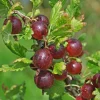
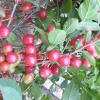
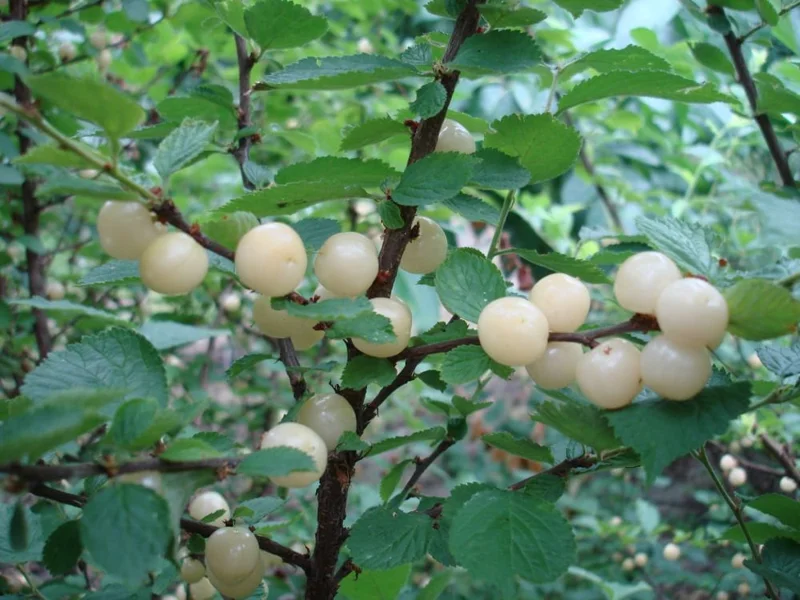
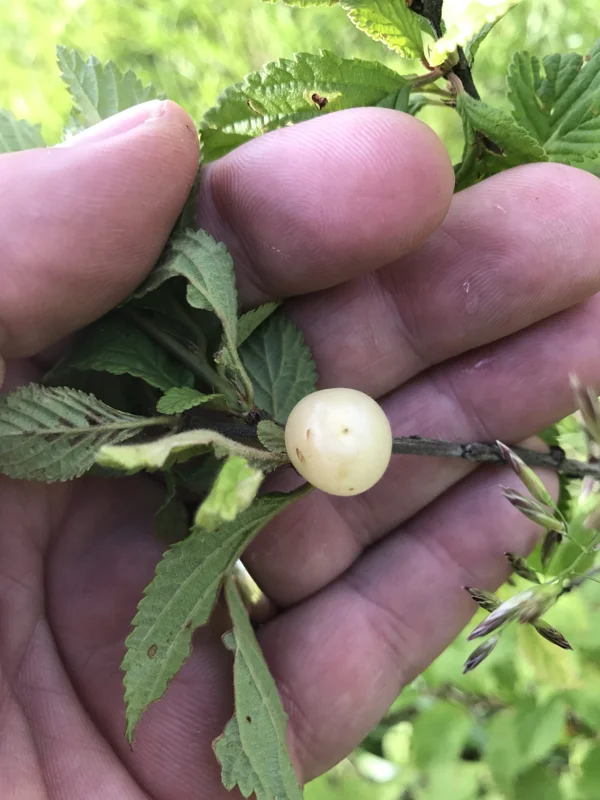
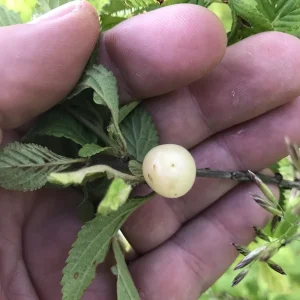
Discover the joy of growing your own fruit with the Nanking white bush cherry live plant. This resilient and productive shrub, scientifically known as Prunus tomentosa, is a fantastic choice for gardeners looking for a delicious and easy-to-grow fruit source. Originating from Asia, the Nanking cherry is prized for its abundant harvest of small, sweet, and slightly tart white cherries. These versatile fruits are perfect for fresh eating, making jams, jellies, pies, or even juicing. The plant itself is a beautiful addition to any landscape, featuring delicate white blooms in spring that transform into a bounty of fruit by mid-summer. Known for its exceptional cold hardiness, this plant thrives in a wide range of climates, making it suitable for many regions across the United States. If you’re searching for a reliable and rewarding fruit-bearing shrub, the sweet bush cherry plant is an excellent option.
The Nanking White Bush Cherry offers a unique flavor profile, often described as a pleasant, highly sweet, low-acid taste, making it a favorite for direct consumption from the plant. It’s also an excellent choice for those interested in sustainable gardening and providing fresh, healthy produce for their family. This particular variety, with its white fruit, adds an interesting visual element to your garden compared to the more common red Nanking cherries. Its robust nature and adaptability make it a gardener’s delight, promising years of delicious harvests.
Key Benefits
Adding a Nanking white bush cherry live plant to your garden brings numerous advantages, from bountiful harvests to ecological benefits. Here are some of the key benefits you can expect:
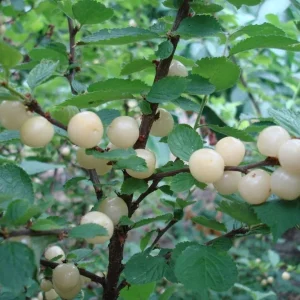
- Abundant Sweet Fruit: Enjoy a prolific harvest of small, sweet, and flavorful white cherries each summer. These fruits are ideal for fresh eating, baking, preserves, and juicing, providing a versatile ingredient for your kitchen.
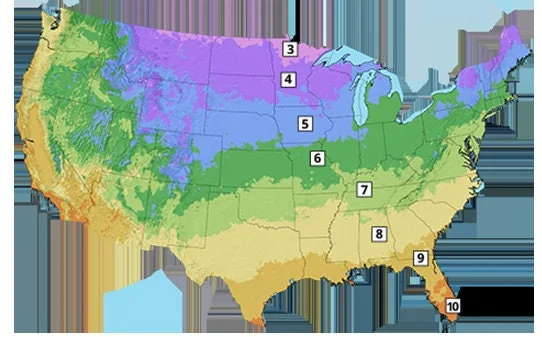
- Exceptional Cold Hardiness: This plant is incredibly resilient, thriving in a wide range of climates, specifically USDA Zones 2-7. It can withstand harsh winters and still produce fruit reliably, making it a dependable choice for colder regions.
- Low Maintenance & Easy to Grow: Once established, the Nanking cherry is a relatively low-maintenance plant. It tolerates various soil conditions and is quite drought-tolerant, making it suitable for both experienced and novice gardeners.
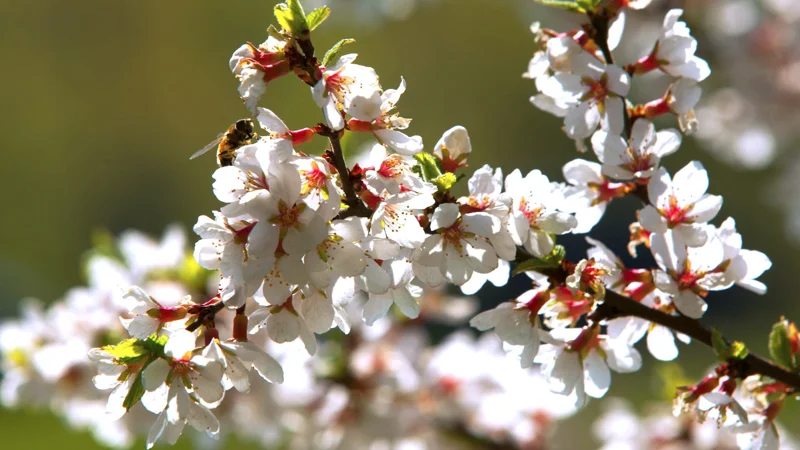
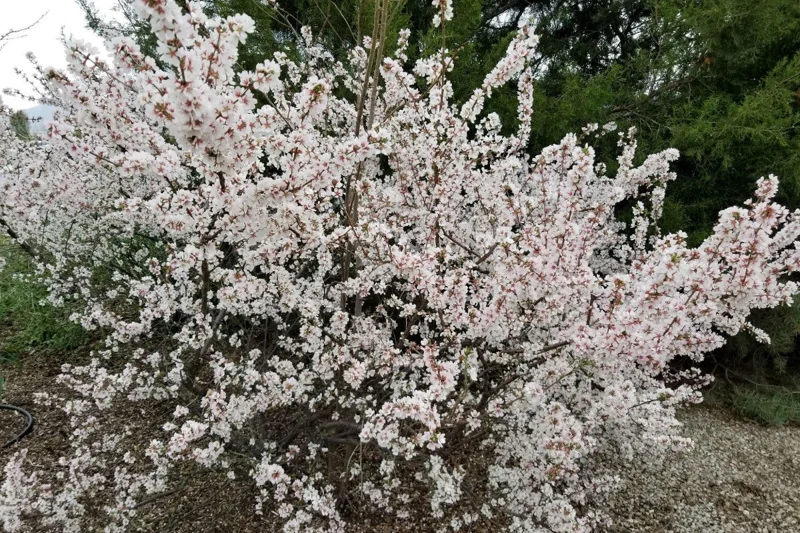
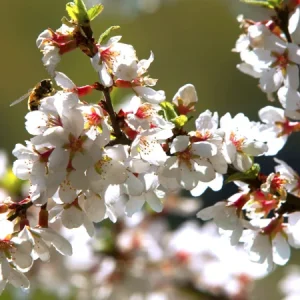
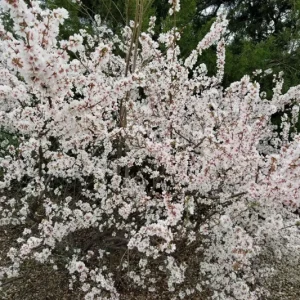
- Beautiful Ornamental Value: Beyond its fruit, the Nanking cherry offers significant aesthetic appeal. Its branches are covered with deep pink buds that open to bright white flowers in spring, followed by attractive white berries in summer, adding beauty to your landscape.
- Early Fruiting: Unlike many fruit trees, the sweet bush cherry plant often begins to bear fruit within 1-2 years of planting, allowing you to enjoy your harvest sooner.
- Versatile Culinary Uses: The cherries are not only delicious fresh but are also excellent for a wide array of culinary applications, including making pies, tarts, jams, jellies, and even fermented beverages.
- Wildlife Attraction: The flowers attract pollinators like bees, and the fruits can provide a food source for birds, contributing to the biodiversity of your garden ecosystem.
Plant Care & Growing Tips
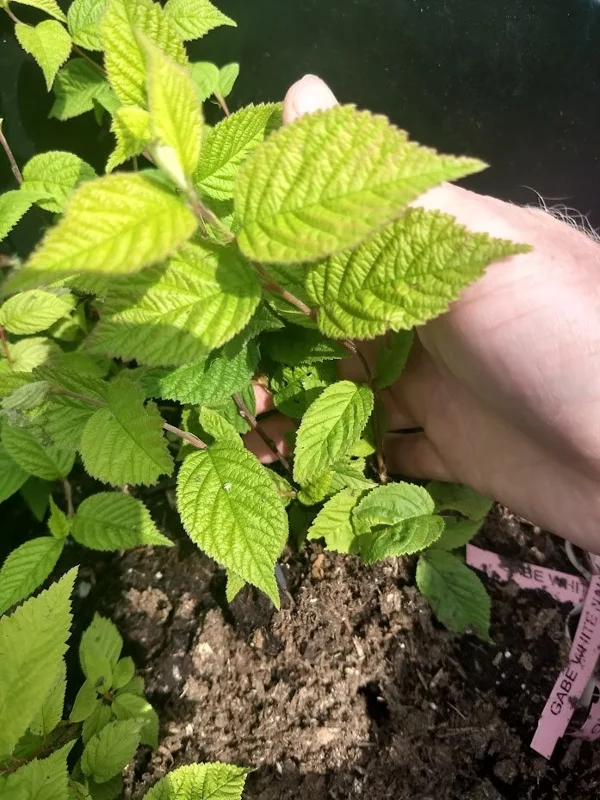
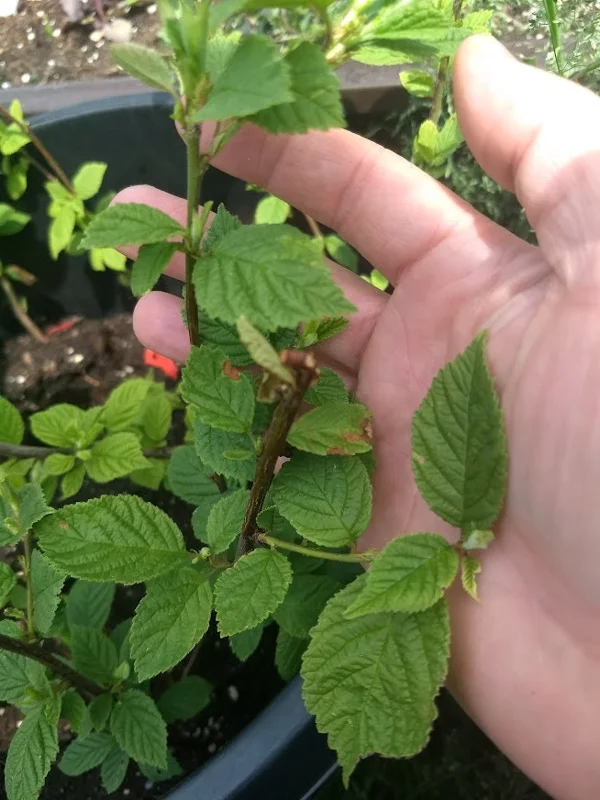
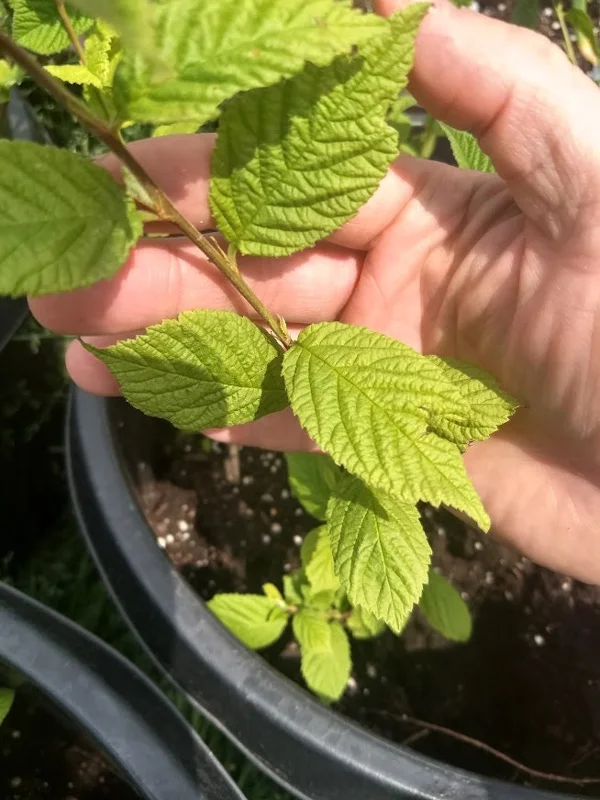
Caring for your Nanking white bush cherry live plant is straightforward, ensuring a healthy plant and bountiful harvests. These plants are known for their hardiness and adaptability, making them a rewarding addition to most gardens. They prefer a location with full sun, meaning at least 6-8 hours of direct sunlight per day, to maximize fruit production. While they can tolerate partial shade, fruit yields may be reduced. Ensure your planting site has well-draining soil; Nanking cherries are not particular about soil type but perform best in loamy, slightly acidic to neutral soils. Avoid heavy clay soils that retain too much water, as this can lead to root rot. A good practice is to amend the soil with compost before planting to improve drainage and fertility.
Watering is crucial during the establishment phase. Water regularly after planting to keep the soil consistently moist but not waterlogged. Once established, these plants are quite drought-tolerant, though consistent moisture during fruit development will lead to larger, juicier cherries. Fertilize in early spring with a balanced slow-release fertilizer or a layer of compost around the base of the plant. Pruning should be done in late winter or early spring while the plant is dormant. Focus on removing dead, damaged, or crossing branches, and thin out older branches to encourage new growth and better air circulation. The Nanking cherry care routine is minimal, but consistent attention will yield the best results. Remember that Nanking cherries are not self-pollinating, so you will need at least two different varieties for optimal fruit set. If you are wondering about how to ensure successful pollination for your cold hardy fruit plant, planting two or more Nanking cherry bushes or even certain plum or apricot varieties nearby will facilitate cross-pollination and lead to a much larger harvest.
Size & Details
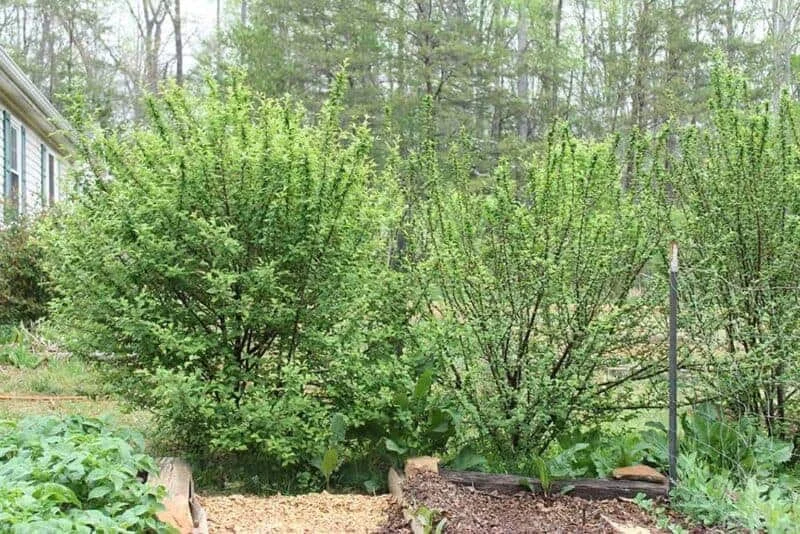
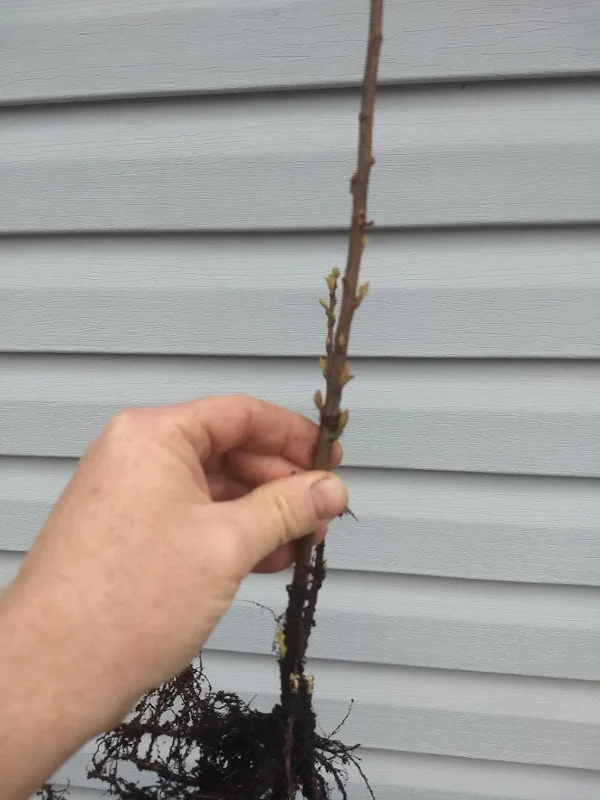
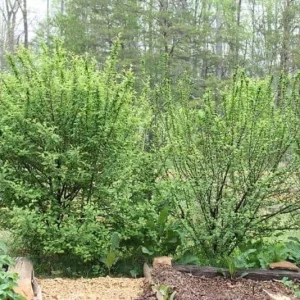
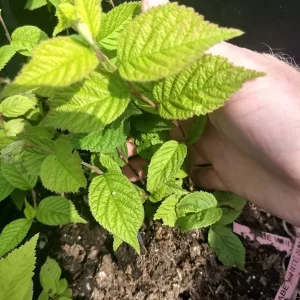
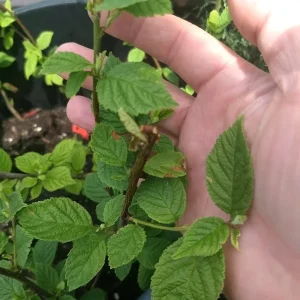
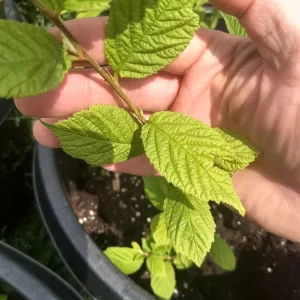
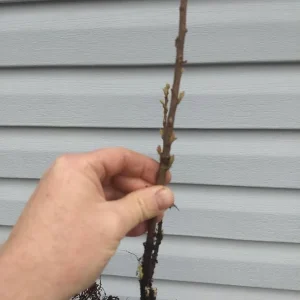
This offering is for one rooted Nanking white bush cherry live plant, ready for planting and establishment in your garden. These robust shrubs typically grow to a mature size of 4-8 feet tall and 4-8 feet wide, forming a dense, rounded bush. The growth rate is moderate, and you can expect your plant to begin fruiting within 1-2 years after planting, with full production reached within a few more years. The plant you receive will be a rooted starter plant, carefully removed from its growing pot for shipping to ensure its health during transit. Upon arrival, it will be ready to be planted directly into your garden. The Nanking cherry requires approximately 1,000 chill hours (hours below 45°F in winter) to go dormant and set fruit for the following season, a common requirement for many temperate fruit plants. This ensures a healthy fruiting cycle and robust plant development, making it a true cold hardy fruit plant.
Frequently Asked Questions
- Q: How big does this Nanking white bush cherry plant get? A: The Nanking white bush cherry live plant typically grows to a mature size of 4-8 feet tall and 4-8 feet wide, forming a dense, rounded shrub. Its size can be managed with proper pruning.
- Q: Is this an indoor or outdoor plant? A: This is an outdoor plant, specifically a shrub that thrives in garden settings. It requires a period of winter dormancy to set fruit and is very cold hardy, suitable for USDA Zones 2-7.
- Q: How much sunlight does the Nanking cherry need? A: For optimal fruit production, the sweet bush cherry plant requires full sun, meaning at least 6-8 hours of direct sunlight per day. It can tolerate partial shade, but fruit yields may decrease.
- Q: Is this plant easy to care for? A: Yes, the Nanking cherry is considered a low-maintenance and easy-to-grow plant, making it suitable for gardeners of all experience levels. Its resilience and adaptability contribute to its ease of care.
- Q: What condition will the plant arrive in? A: You will receive one fully rooted starter plant. It will be carefully removed from its growing pot for shipping to ensure its health and packed securely to protect it during transit.
- Q: How long until this plant fruits? A: The Nanking white bush cherry live plant typically begins to bear fruit within 1-2 years after planting, with increasing yields as the plant matures.
- Q: Does the Nanking cherry need a pollinator? A: Yes, Nanking cherries are not self-pollinating. You will need at least two different Nanking cherry varieties or certain plum or apricot types planted nearby for successful cross-pollination and optimal fruit set. This is a key aspect of good Nanking cherry care.
- Q: Will it survive winter in my zone? A: This plant is exceptionally cold hardy, thriving in USDA Zones 2-7. If your zone falls within this range, it will survive winter and requires the chill hours to produce fruit.
- Q: Can I use the fruit for cooking? A: Absolutely! The white Nanking cherries are excellent for a wide range of culinary uses, including fresh eating, making jams, jellies, pies, sauces, and juices. It’s a versatile cold hardy fruit plant for any kitchen.


Reviews
There are no reviews yet.