
Overview
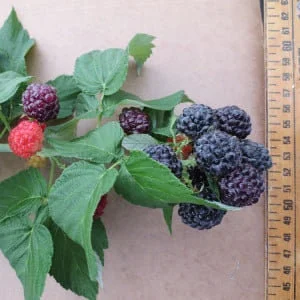
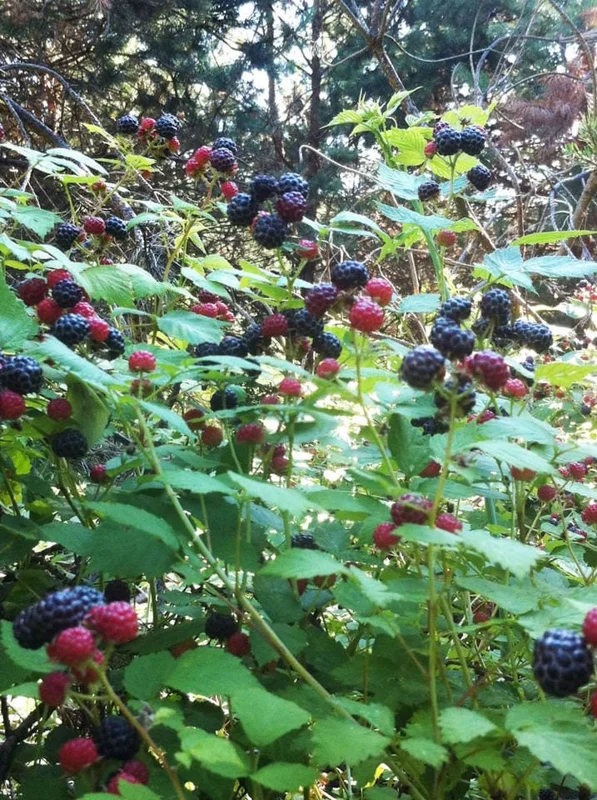
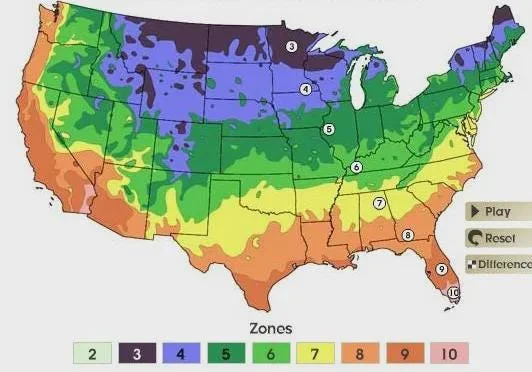
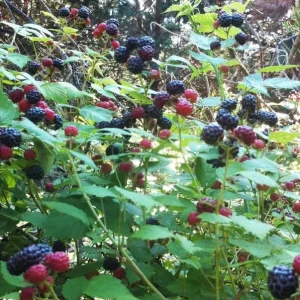
Embark on a rewarding gardening journey with the Ohio Treasure black raspberry plant, a remarkable everbearing variety known for its abundant and delicious fruit production. This self-pollinating raspberry bush offers a continuous harvest of sweet, firm, medium-large black raspberries from mid-summer until the first hard frost. Ideal for home gardeners in USDA Zones 3-8, the Ohio Treasure black raspberry plant is a robust choice for those seeking a productive and low-maintenance fruit-bearing shrub. Whether you’re an experienced horticulturist or a budding enthusiast, this plant promises a delightful yield of berries perfect for fresh consumption, baking, preserves, or freezing. Its vigorous growth and adaptability make it a popular choice for adding a touch of edible landscaping to any garden.
The ‘Ohio Treasure’ variety is celebrated not just for its prolific fruiting but also for the exceptional flavor profile of its berries. Unlike some other raspberry types, these black raspberries are notably sweet, making them a favorite for direct-from-the-bush snacking. As a everbearing raspberry plant, it provides an extended harvest period, maximizing your yield and enjoyment throughout the growing season. This ensures a steady supply of fresh, homegrown fruit for various culinary applications, from breakfast bowls to decadent desserts.
Key Benefits
The Ohio Treasure black raspberry plant offers numerous advantages for the home gardener, blending ornamental appeal with practical fruit production. Its robust nature and delicious yield make it a valuable addition to any edible landscape.
- Extended Harvest Period: As an everbearing raspberry plant, it produces fruit from summer until frost, offering a longer harvesting window compared to traditional single-crop varieties. This ensures a continuous supply of fresh berries throughout the season.
- Sweet & Flavorful Berries: Enjoy medium-large, firm berries with a distinctly sweet flavor, perfect for fresh eating, desserts, jams, or freezing. The superior taste makes this variety a garden favorite.
- Self-Pollinating: This plant does not require another variety for pollination, making it an easy-to-grow option for gardeners with limited space or those new to fruit cultivation.
- Versatile Culinary Use: The berries are excellent for a wide range of uses including eating fresh, cooking, juicing, making drinks, freezing, and canning, providing fresh, organic produce for your kitchen.
- Adaptable to Various Climates: Thriving in a broad range of USDA Hardiness Zones 3-8, this raspberry plant is resilient and can be successfully grown in many different regions across the US.
- Pesticide-Free Cultivation: Grown without the use of pesticides, ensuring you receive a healthy, clean starter plant that will produce organic-quality fruit for your family.
- Vigorous Growth: Expect vigorous growth, with vines reaching 8-12 feet tall, providing ample foliage and fruit. Support may be needed for optimal growth and berry production.
Plant Care & Growing Tips
Caring for your Ohio Treasure black raspberry plant is relatively straightforward, ensuring a bountiful harvest with proper attention. These plants thrive in full sun, requiring at least 6-8 hours of direct sunlight daily for optimal fruit production. While they can tolerate partial shade, a sunnier location will result in sweeter and more abundant berries. Ensure the planting site has well-draining soil, as raspberries do not tolerate soggy roots. A slightly acidic to neutral pH (6.0-7.0) is ideal. Amend heavy clay soils with organic matter like compost to improve drainage and fertility. When planting, dig a hole wide enough to accommodate the root system comfortably and plant at the same depth it was in its nursery pot.
Watering is crucial, especially during dry spells and when the plant is fruiting. Aim for consistent moisture, providing about 1 inch of water per week through rainfall or irrigation. Avoid overhead watering to minimize fungal diseases. Fertilize in early spring with a balanced slow-release fertilizer or an organic compost. Pruning is essential for maintaining plant health and maximizing fruit yield. Since this is an everbearing raspberry plant, you can either prune for a single large fall crop (cutting all canes to the ground in late winter) or for two crops (leaving first-year canes for a summer crop and second-year canes for a fall crop, then removing them after their second fruiting). Providing support with a trellis or stakes is highly recommended, as the vines can reach 8-12 feet tall and become heavy with fruit. This also helps with air circulation and ease of harvesting. Monitoring for common pests and diseases is important, though this variety is generally robust. Growing your own sweet raspberry plant is a rewarding experience.
Size & Details
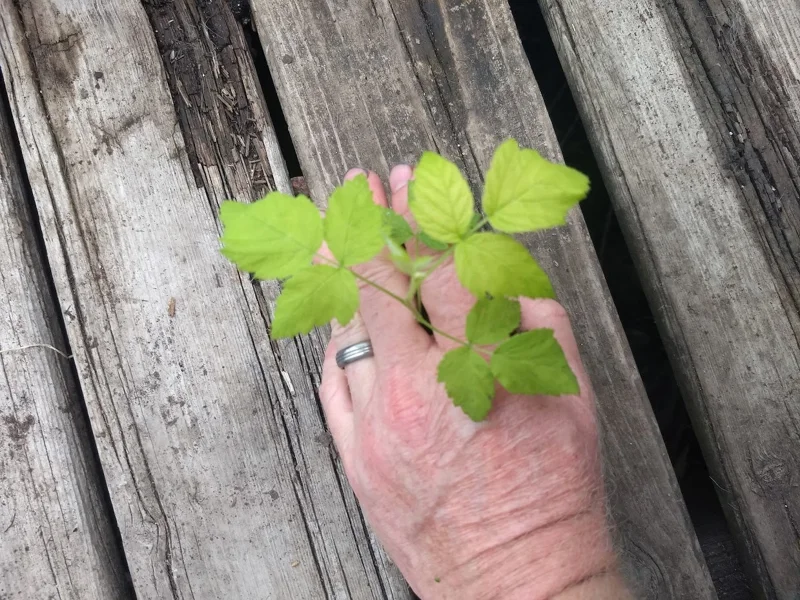
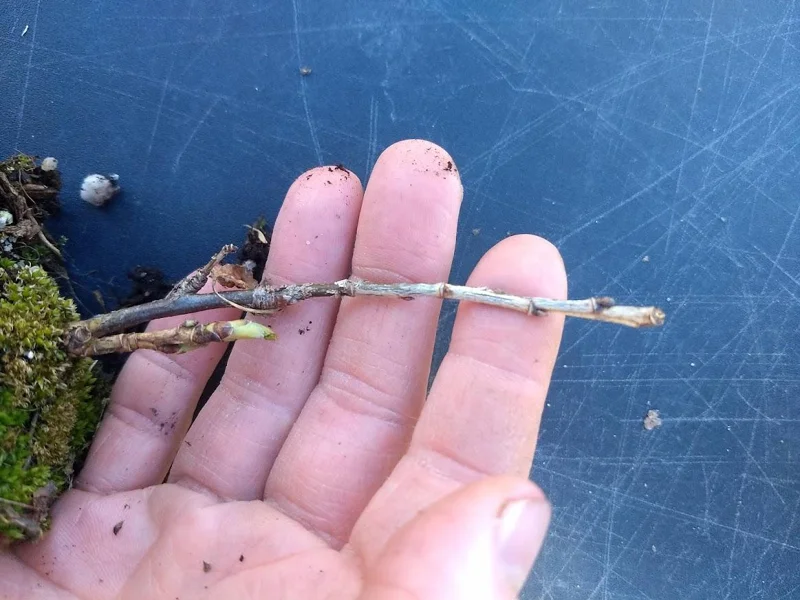
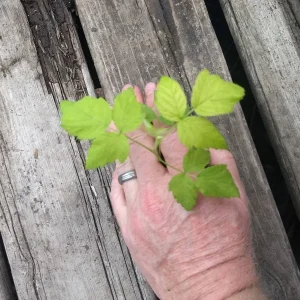
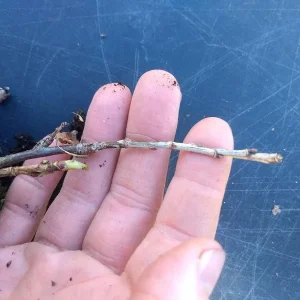
This offering is for one live, rooted starter plant of the Ohio Treasure black raspberry plant. Each plant is carefully removed from its growing pot for shipping to ensure its health and minimize transplant shock. The starter plant is grown from a fruiting mother plant, indicating its genetic potential for robust fruit production. While the exact size may vary slightly upon arrival, these plants are vigorous growers and establish quickly once planted. With proper care, you can expect your plant to begin fruiting next year, providing a delightful harvest of sweet, firm, medium-large berries. The vines are known to reach mature heights of 8-12 feet, often requiring a trellis or support system to manage their growth and facilitate harvesting. This specific variety is renowned for its everbearing nature, yielding fruit from summer until the first frost, making it a highly productive addition to your garden. The berries are versatile, suitable for eating fresh, cooking, juicing, freezing, and canning.
Frequently Asked Questions
- Q: How big does this Ohio Treasure black raspberry plant get? A: The vines of the Ohio Treasure black raspberry plant can grow quite vigorously, typically reaching heights of 8-12 feet. Support such as a trellis or stakes is often recommended to manage their growth and help with fruit production.
- Q: Is this an indoor or outdoor plant? A: The Ohio Treasure black raspberry plant is an outdoor plant, best suited for garden beds or large containers where it can receive ample sunlight and space to grow. It thrives in USDA Hardiness Zones 3-8.
- Q: How much sunlight does the everbearing raspberry plant need? A: This raspberry plant requires full sun, meaning at least 6-8 hours of direct sunlight per day, for optimal growth and fruit production. More sun generally leads to sweeter and more abundant berries.
- Q: Is this plant easy to care for? A: Yes, the Ohio Treasure black raspberry plant is considered relatively easy to care for. It requires consistent watering, good drainage, and annual pruning to maintain health and maximize fruit yield.
- Q: What condition will it arrive in? A: Your Ohio Treasure black raspberry plant will arrive as a live, rooted starter plant, carefully packaged and removed from its growing pot for safe transit. It is shipped in a box designed to protect the plant during delivery.
- Q: How long until it fruits? A: With proper care, your Ohio Treasure black raspberry plant should begin to fruit in the year following planting. As an everbearing variety, it will produce berries from summer until frost.
- Q: What’s the best way to grow black raspberries? A: To best grow black raspberries, plant them in full sun with well-draining soil. Provide consistent moisture, especially during fruiting, and prune annually to encourage new growth and maximize your harvest.
- Q: Is this a sweet raspberry plant? A: Yes, the ‘Ohio Treasure’ variety is specifically known for its deliciously sweet black raspberries, making it a favorite for fresh eating and various culinary uses.
- Q: Will it survive winter in my zone? A: The Ohio Treasure black raspberry plant is hardy and can survive winters in USDA Zones 3-8. Proper mulching can help protect the roots in colder climates.
- Q: Is this plant self-pollinating? A: Yes, the Ohio Treasure black raspberry plant is self-pollinating, meaning you only need one plant to produce fruit. You do not need multiple plants for cross-pollination.


Reviews
There are no reviews yet.