Overview
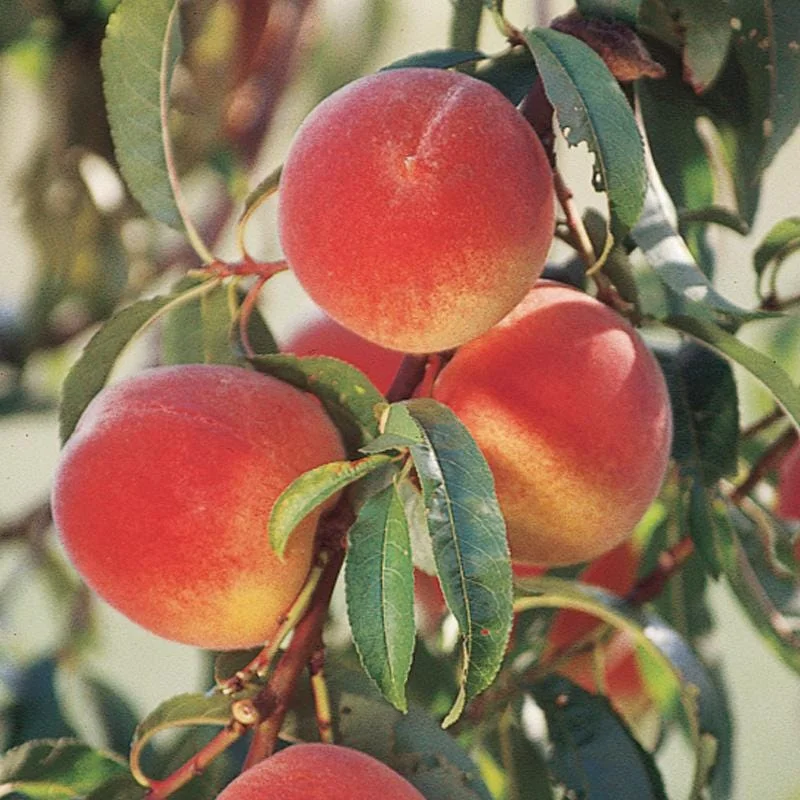
Bring the joy of homegrown fruit to your garden with this exceptional Elberta peach live plant. Renowned for its abundant harvest of sweet, juicy peaches, the Elberta variety is a favorite among home gardeners. This grafted starter plant is specifically selected to thrive, providing you with a vigorous tree ready to establish itself in your landscape. The Elberta peach is celebrated for its versatility, producing fruit that is perfect for fresh eating, baking, canning, freezing, and even juicing. Originating in Marshallville, Georgia, this classic peach tree offers a taste of tradition and reliable performance in a wide range of climates, particularly USDA Zones 5-8. Enjoy the satisfaction of picking your own sun-ripened fruit directly from your very own self-pollinating peach tree.
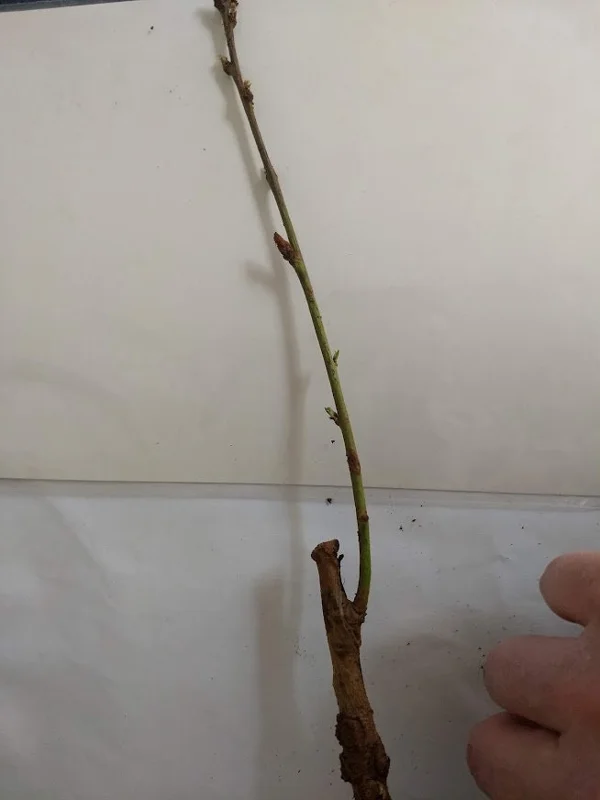
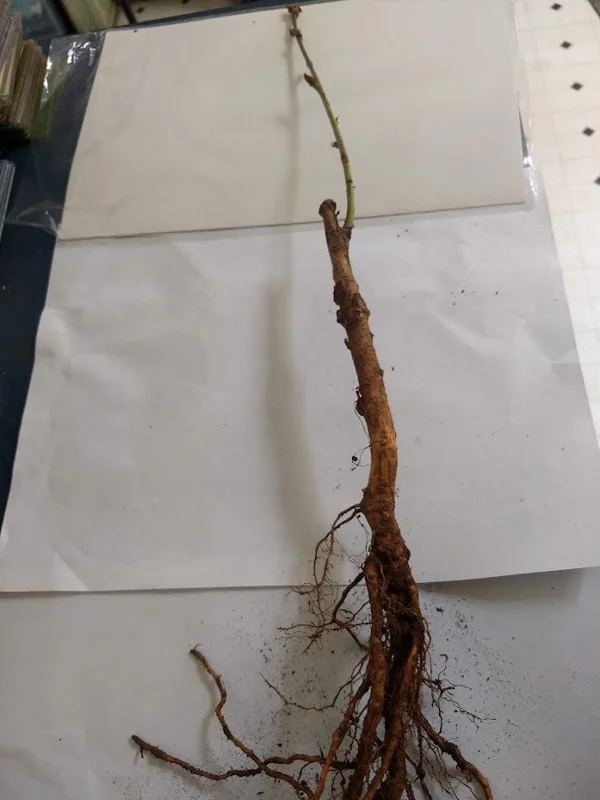
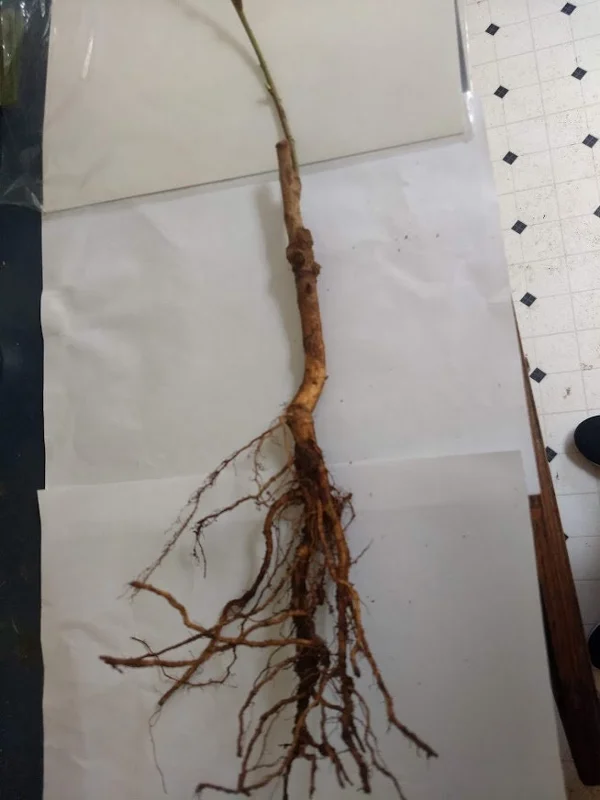
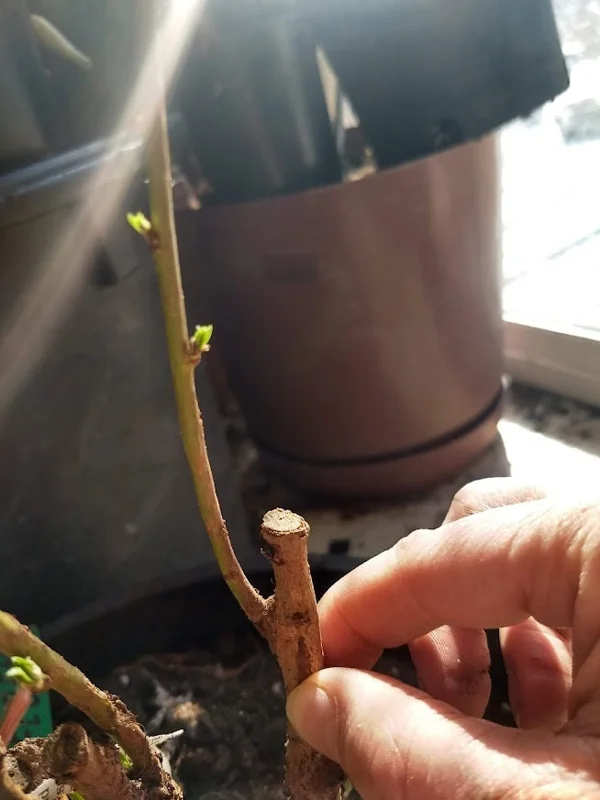
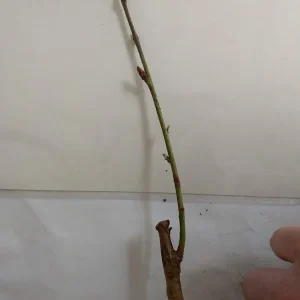
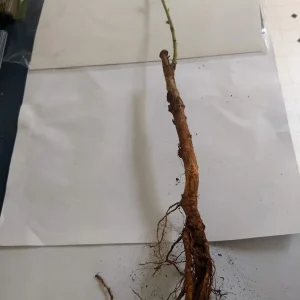
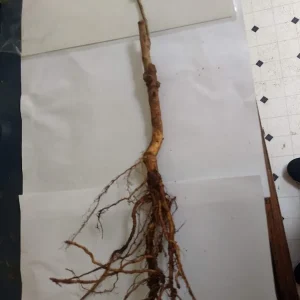
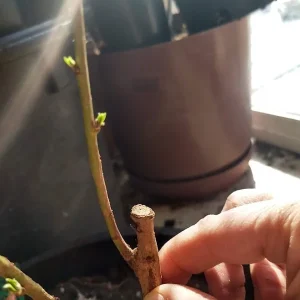
Our Elberta peach live plant arrives as a healthy, rooted specimen, ready for planting. Grafted plants ensure you receive a tree with desirable characteristics, including faster fruit production and disease resistance. While this variety is self-fertile, planting near another peach variety can often enhance fruit set and yield, ensuring an even more bountiful harvest. Expect a fast-growing tree that can reach significant heights, providing ample shade and beauty in addition to its delicious fruit. This is an ideal choice for anyone interested in growing peaches at home and enjoying fresh, organic produce.
Key Benefits
Choosing an Elberta peach live plant for your home garden offers numerous advantages, from delicious fruit to a beautiful landscape addition. This particular variety is cherished for its robust nature and high-quality yield.
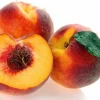
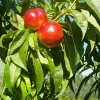
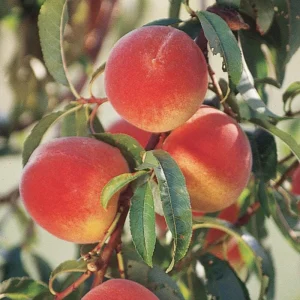
- Delicious, Versatile Fruit: The Elberta peach produces large, juicy, yellow-fleshed peaches with a classic sweet flavor. They are excellent for fresh eating, canning, freezing, baking, and making preserves or juice, making them a kitchen staple.
- Self-Pollinating Convenience: While many fruit trees require a second variety for pollination, the self-pollinating peach tree simplifies gardening. You can successfully grow fruit with just one tree, though cross-pollination can often lead to an even larger harvest.
- Reliable Growth & Production: Known for its vigorous growth, the Elberta peach tree establishes quickly and begins bearing fruit within 2-3 years. It’s a dependable producer, giving you consistent harvests year after year.
- Cold Hardiness: Suitable for USDA Zones 5-8, this tree is resilient and can withstand a good range of winter temperatures, requiring approximately 800 chill hours (hours under 45°F) to set fruit properly.
- Freestone Peaches: The fruit is freestone, meaning the flesh separates easily from the pit, which is a significant advantage for eating fresh and preparing for canning or freezing. This makes processing your harvest much simpler.
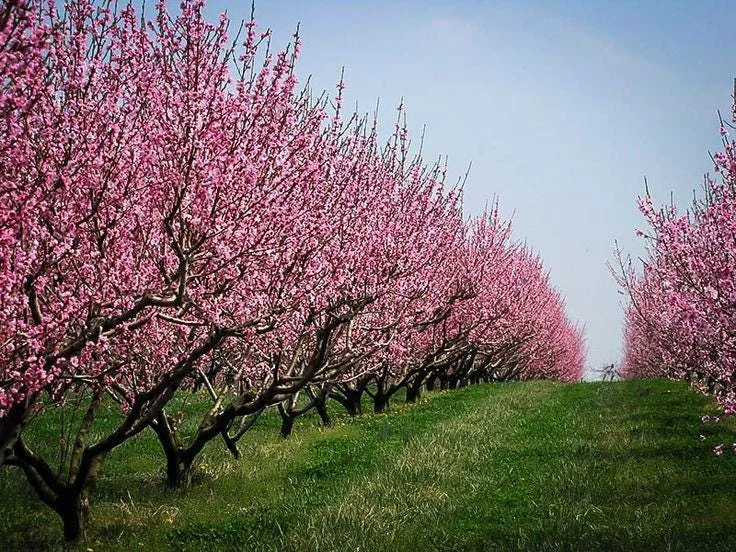
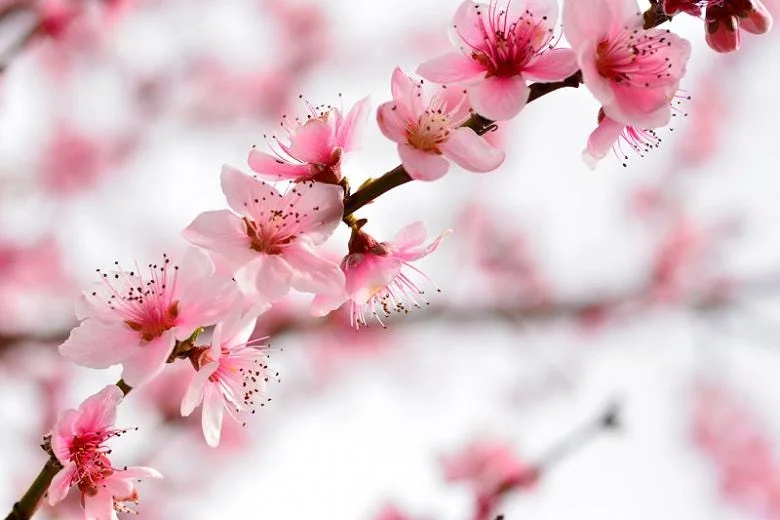
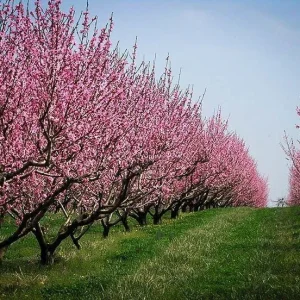
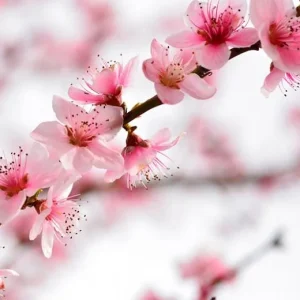
- Beautiful Landscape Addition: Beyond its fruit, the Elberta peach tree provides ornamental value with its lovely spring blossoms and lush green foliage throughout the growing season, enhancing the beauty of your garden.
- Pesticide-Free Potential: By growing peaches at home, you have full control over cultivation practices, allowing you to avoid pesticides and ensure your fruit is as natural and healthy as possible.
Plant Care & Growing Tips
Proper care is essential for a healthy and productive Elberta peach live plant. Understanding its needs will ensure a bountiful harvest of delicious fruit. This tree thrives with attention to its specific requirements for sunlight, soil, and watering. For optimal results when growing peaches at home, consider the following guidelines.
Sunlight Requirements: Your Elberta peach tree needs full sun, which means at least 6-8 hours of direct sunlight per day. Choose a planting location that receives ample morning sun, as this helps dry dew from the leaves, reducing the risk of fungal diseases. Good air circulation is also beneficial. Ensure your freestone peach tree is not overshadowed by larger structures or trees.
Watering Schedule and Soil Moisture: Consistent moisture is crucial, especially during the establishment phase and when fruit is developing. Water deeply and regularly, aiming for about 1 inch of water per week, either from rain or irrigation. The soil should be kept consistently moist but never waterlogged. Reduce watering frequency as the tree matures and during dormant periods. Avoid overhead watering late in the day to minimize disease risk.
Soil Type and Drainage: Elberta peach trees prefer well-draining, fertile loam soil with a pH between 6.0 and 7.0. Heavy clay soils should be amended with organic matter to improve drainage, while sandy soils may benefit from compost to enhance water retention. Good drainage is paramount to prevent root rot. Ensure the planting site allows water to drain away freely.
Temperature Range and USDA Hardiness Zone: This variety is hardy in USDA Zones 5-8. It requires approximately 800 chill hours (cumulative hours below 45°F but above 32°F) during winter dormancy to produce fruit. Protect young trees from late spring frosts, which can damage new blossoms. Providing some winter protection in the colder parts of its range can be beneficial.
Fertilization: Fertilize your Elberta peach live plant annually in early spring before new growth begins. Use a balanced slow-release fertilizer or one formulated for fruit trees, following the manufacturer’s instructions. Avoid over-fertilizing, especially with nitrogen, as this can promote excessive vegetative growth at the expense of fruit production. Soil tests can help determine specific nutrient deficiencies.
Common Problems and Solutions: Watch out for common peach tree issues such as peach leaf curl, brown rot, and various insect pests. Preventative measures, such as dormant oil sprays and timely fungicide applications, can help manage diseases. Good orchard sanitation, including removing fallen fruit and leaves, is also important. Proper pruning improves air circulation and sunlight penetration, further reducing disease pressure. Regular inspection will help you identify and address problems early, ensuring the health of your Elberta peach care routine.
Size & Details
This offering is for one Elberta peach live plant, which arrives as a healthy, grafted starter plant. The specific size upon arrival may vary, but it will be a rooted plant suitable for transplanting. Elberta peach trees are known for their vigorous growth, typically growing 2+ feet per year once established. Mature trees can reach an impressive height of 20 feet or more, creating a substantial presence in your garden. The plant is shipped to ensure its protection during transit, arriving in optimal condition for planting.
Expect your self-pollinating peach tree to begin bearing fruit in approximately 2-3 years after planting. The fruit ripens in July-August, offering a mid-to-late summer harvest. The Elberta peach is a freestone peach tree, making the fruit easy to prepare. Ensure you have adequate space, as this tree will grow into a large, productive specimen, providing years of delicious fruit for your family and friends. This makes growing peaches at home a rewarding experience.
Frequently Asked Questions
- Q: How big does this Elberta peach live plant get? A: A mature Elberta peach live plant can reach heights of 20 feet or more, with a similar spread. It is a fast-growing tree, typically adding 2+ feet of growth annually once established.
- Q: Is this an indoor or outdoor plant? A: The Elberta peach tree is an outdoor plant, requiring full sun and specific chill hours to produce fruit. It is not suitable for long-term indoor cultivation.
- Q: How much sunlight does the Elberta peach tree need? A: This tree requires full sun, meaning at least 6-8 hours of direct sunlight per day, for optimal growth and fruit production.
- Q: Is this tree easy to care for? Is it good for beginners? A: While growing fruit trees requires some commitment, the Elberta peach care routine is manageable for beginners with proper guidance. Its self-pollinating nature simplifies the process.
- Q: What condition will the Elberta peach live plant arrive in? A: Your Elberta peach live plant will arrive as a healthy, grafted, rooted starter plant, carefully packaged to protect it during shipment and ensure it reaches you in good condition.
- Q: How long until it produces fruit? A: You can typically expect your self-pollinating peach tree to start producing fruit within 2-3 years after planting.
- Q: When is the best time to plant this peach tree? A: The ideal time to plant your Elberta peach tree is in early spring or fall, allowing it to establish its root system before extreme summer heat or winter cold.
- Q: Will it survive winter in my zone? A: The Elberta peach tree is hardy in USDA Zones 5-8, requiring 800 chill hours. If you are within these zones, it should survive winter effectively.
- Q: What is a freestone peach? A: A freestone peach tree produces fruit where the flesh separates easily from the pit, making it ideal for fresh eating, canning, and other culinary uses.
- Q: Can I grow this Elberta peach live plant in a large container? A: While possible for a few years, Elberta peach trees are large, vigorous growers and are best planted directly in the ground for long-term health and maximum fruit production.


Reviews
There are no reviews yet.