Overview
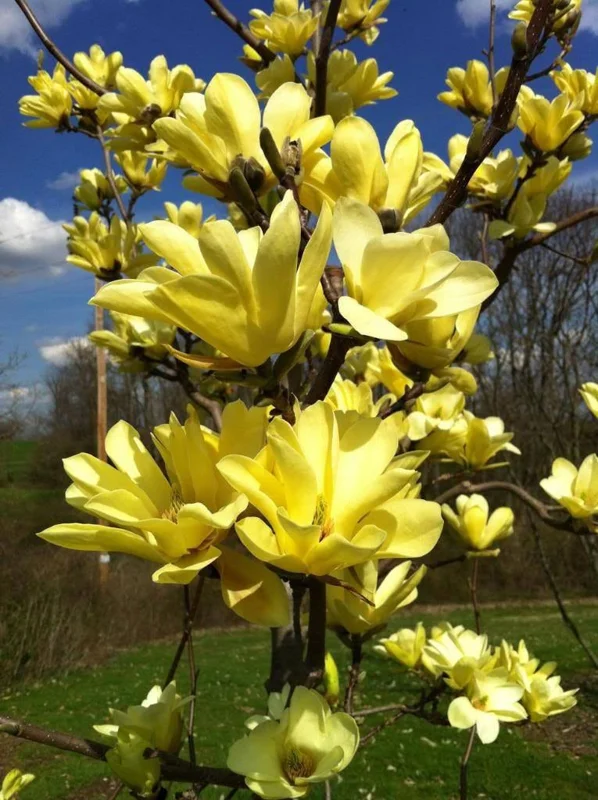
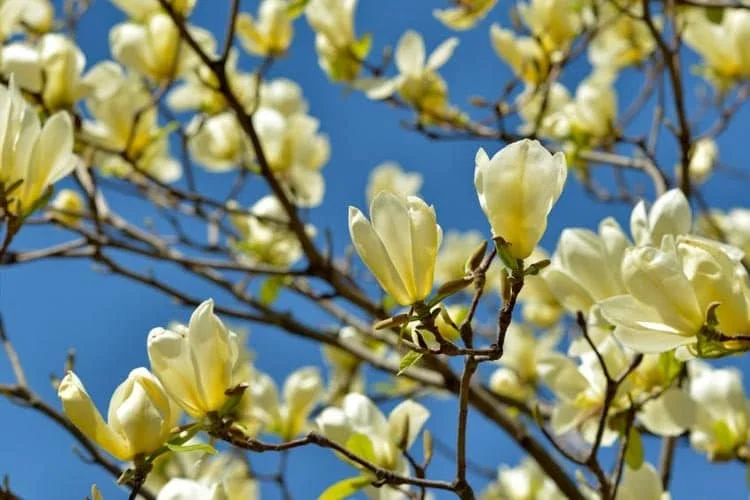
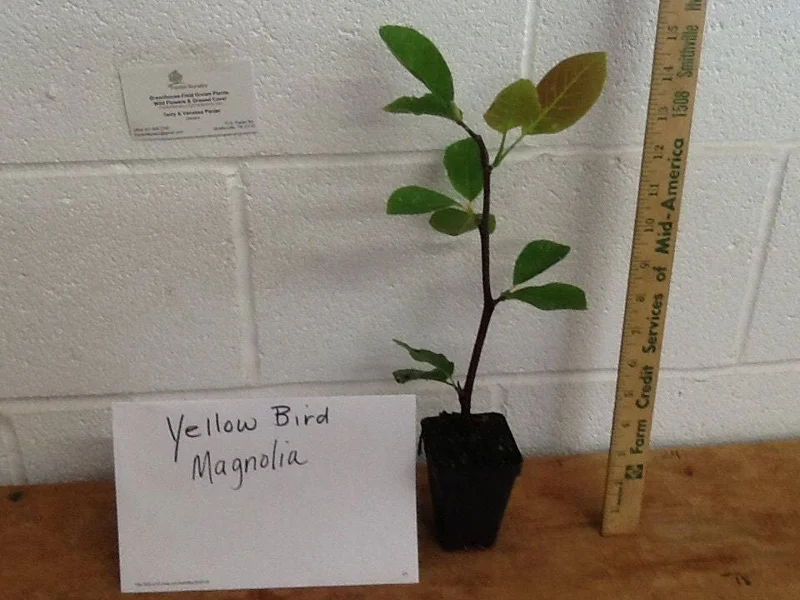
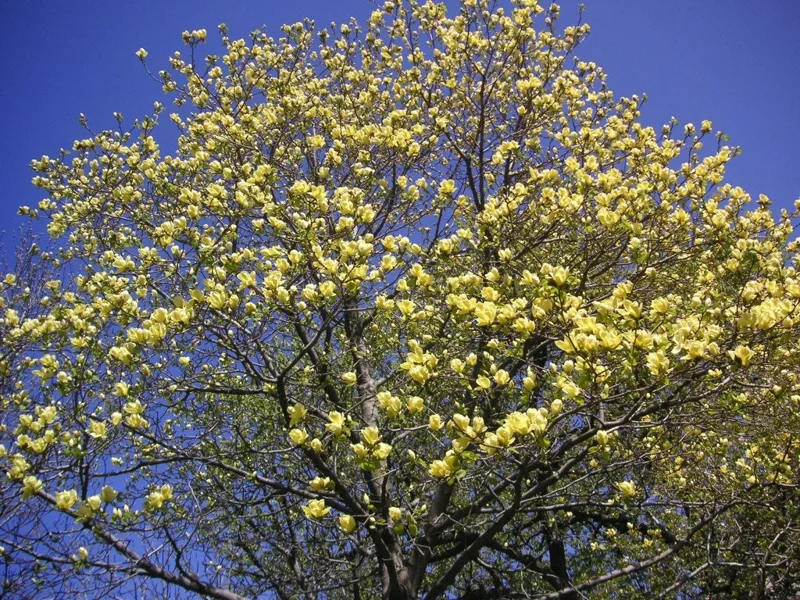
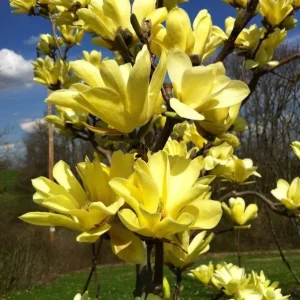
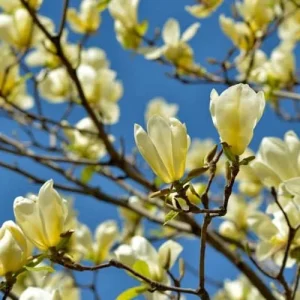
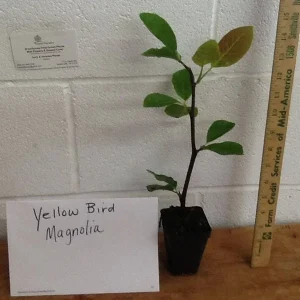
Introduce a splash of sunshine to your garden with the exquisite yellow bird magnolia live plant. This remarkable tree is cherished for its upright, goblet-shaped, bright canary yellow flowers that bloom later in spring, often after the danger of late frosts has passed, emerging beautifully with its foliage. Unlike many other magnolias, the ‘Yellow Bird’ variety offers a reliable and prolonged display of its cheerful blossoms. As a fast-growing magnolia, it quickly establishes itself, transforming your outdoor space with its elegant form and striking color. This particular offering is for a healthy yellow bird magnolia live plant, typically 6-12 inches tall, nurtured in a 2.5-inch pot, ready for planting and continued growth in your garden. Whether planted as a stunning solitary specimen or integrated into a diverse landscape, this magnolia promises to be a focal point.
The botanical name for this captivating species is Magnolia acuminata ‘Yellow Bird’, a hybrid known for its vigorous growth and exceptional floriferous nature. It’s an ideal choice for gardeners seeking a unique and resilient flowering tree. The yellow bird magnolia live plant is a deciduous tree, providing seasonal interest from its vibrant spring blooms to its lush green summer foliage. Its adaptability to various garden designs makes it a versatile addition, capable of creating a dramatic visual impact or complementing existing plantings with its cheerful presence.
Key Benefits
The yellow bird magnolia live plant offers a multitude of advantages for any garden, combining aesthetic appeal with robust growth and relative ease of care. Its unique attributes make it a standout choice for both novice and experienced gardeners.
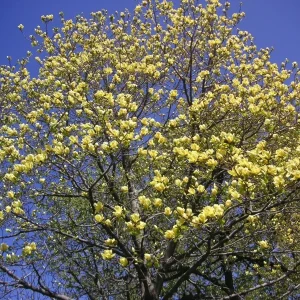
- Stunning Yellow Blooms: Enjoy large, bright canary yellow flowers that are a true rarity among magnolia varieties. These blossoms provide a cheerful and sophisticated display, making your garden truly unique.
- Reliable Late Spring Flowering: Unlike some magnolias that can be susceptible to late frosts, the ‘Yellow Bird’ emerges with its foliage, often blooming later in spring, ensuring a more consistent and impactful floral show.
- Fast-Growing Nature: This magnolia is known for its vigorous growth rate, allowing it to establish quickly and reach its mature size sooner, providing faster gratification for your landscaping efforts.
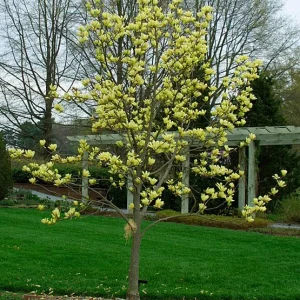
- Versatile Landscape Use: Perfect as a stately single specimen tree, creating a dramatic focal point. It also integrates beautifully into mixed borders, offering a striking contrast to other plants with summer flowers.
- Adaptable to Pruning: While capable of reaching significant heights, the yellow bird magnolia live plant can be kept pruned to a desired height, allowing it to be maintained as a large shrub or a smaller tree, fitting various garden scales.
- Hardy and Resilient: With excellent cold hardiness, thriving in USDA zones 5 through 9, this tree is a reliable choice for a wide range of climates, ensuring its beauty persists year after year.
- Low Maintenance Once Established: After its initial planting and establishment period, this magnolia requires relatively minimal care, making it a rewarding addition to any garden without demanding constant attention.
Plant Care & Growing Tips
Caring for your yellow bird magnolia live plant is straightforward, ensuring it thrives and delivers its spectacular blooms season after season. Understanding its specific needs for sunlight, soil, and water will help you cultivate a robust and beautiful tree. This magnolia is generally resilient, making it a good choice for various gardening skill levels, particularly those interested in a beautiful yellow magnolia tree.
For optimal growth, the yellow bird magnolia live plant requires a location with full sun to partial shade, meaning it prefers a minimum of 4 hours of direct sunlight each day. While it can tolerate some shade, more sun generally leads to more abundant flowering. It thrives in acidic, loamy, and well-drained soils. Good drainage is crucial to prevent root rot, so avoid heavy clay soils where water might sit. If your soil is heavy, amend it with organic matter like compost or pine bark to improve drainage and acidity. Regular watering is important, especially during dry spells and in its first few years of establishment. The soil should be kept consistently moist but not waterlogged. Once established, it becomes more tolerant of drier conditions, but supplemental watering during prolonged droughts is beneficial. Fertilize in early spring with a balanced, slow-release fertilizer formulated for acid-loving plants to support healthy growth and flowering.
The yellow bird magnolia live plant is hardy in USDA zones 5-9, tolerating a wide range of winter temperatures. In colder zones, ensure it is planted in a sheltered location and consider mulching around the base to protect the roots. Pruning should be done judiciously, primarily to remove dead, damaged, or crossing branches. If you wish to maintain a more shrub-like form or control its overall size, prune after flowering in late spring to early summer. Avoid heavy pruning in late summer or fall, as this can remove next year’s flower buds. Common problems are few, but watch for magnolia scale or common leaf spots, which can typically be managed with appropriate horticultural oils or fungicides if necessary. Providing good air circulation and consistent care will help prevent most issues, ensuring your fast growing magnolia remains healthy.
Size & Details
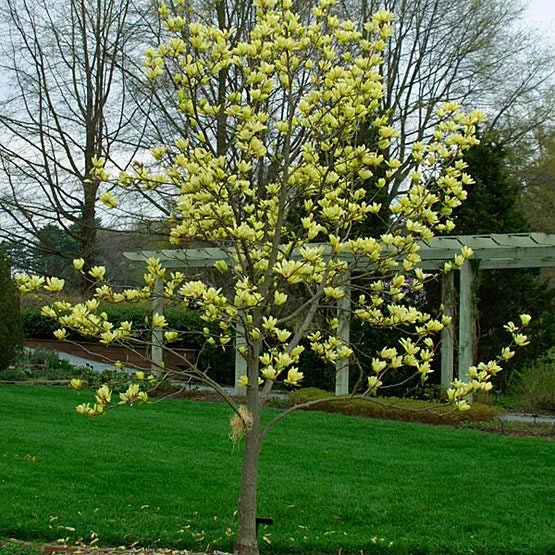
This offering includes one yellow bird magnolia live plant, carefully cultivated and shipped in a 2.5-inch pot. At the time of shipment, the plant typically measures between 6 to 12 inches in height, providing a robust young specimen ready for transplanting into your garden. The ‘Yellow Bird’ magnolia is known for being a fast growing magnolia. In many areas, it can reach an impressive height of 15 feet, while in ideal conditions and specific regions, it might even grow up to 30 feet tall. Its spread is generally proportionate to its height, forming an attractive upright, pyramidal to oval shape.
The plant will arrive with its root ball intact within the nursery pot, ensuring minimal transplant shock. Expect the first significant blooms to appear within a few years of planting, as the tree establishes itself. With good care, this tree offers many decades of beauty. This yellow bird magnolia live plant is an excellent investment for adding long-term structural and floral interest to your landscape, providing a consistent display of its unique yellow flowers each spring. Its adaptable nature means it can be allowed to grow into a majestic tree or kept smaller with regular pruning, making it suitable for various garden sizes and designs.
Frequently Asked Questions
- Q: How big does this yellow bird magnolia live plant get? A: While it can reach up to 30 feet tall in some optimal conditions, it commonly grows to about 15 feet in most garden settings. It can also be pruned to maintain a smaller, more shrub-like form if desired.
- Q: What size pot does the yellow bird magnolia live plant come in? A: This particular offering is for one yellow bird magnolia live plant that comes in a 2.5-inch nursery pot, with the plant itself typically measuring 6-12 inches tall.
- Q: Is this an indoor or outdoor plant? A: The yellow bird magnolia live plant is an outdoor tree, well-suited for gardens and landscapes. It requires outdoor conditions to thrive and reach its full potential.
- Q: How much sunlight does a yellow magnolia tree need? A: It prefers full sun to partial shade, meaning it should receive a minimum of 4 hours of direct sunlight each day for best growth and flowering.
- Q: Is this plant easy to care for? A: Yes, once established, the yellow bird magnolia live plant is relatively low-maintenance. It requires consistent watering during establishment and prefers well-drained, acidic soil.
- Q: What condition will it arrive in? A: Your yellow bird magnolia live plant will arrive securely packaged in its 2.5-inch nursery pot, with the root ball intact and ready for planting. We take great care to ensure healthy arrival.
- Q: When is the best time to plant a fast growing magnolia? A: The best time to plant is typically in early spring or early fall, allowing the plant to establish its root system before extreme summer heat or winter cold.
- Q: Will it survive winter in my zone? A: This yellow bird magnolia live plant is hardy in USDA zones 5-9. If you are within these zones, it should successfully survive winter outdoors.
- Q: What type of soil is best for a yellow bird magnolia live plant? A: It prefers acidic, loamy, and well-drained soils. Amending heavy clay soils with organic matter can improve conditions.
- Q: How long until it blooms? A: While it’s a relatively fast growing magnolia, significant flowering typically begins within a few years of planting, once the tree is well-established.


Reviews
There are no reviews yet.