Overview
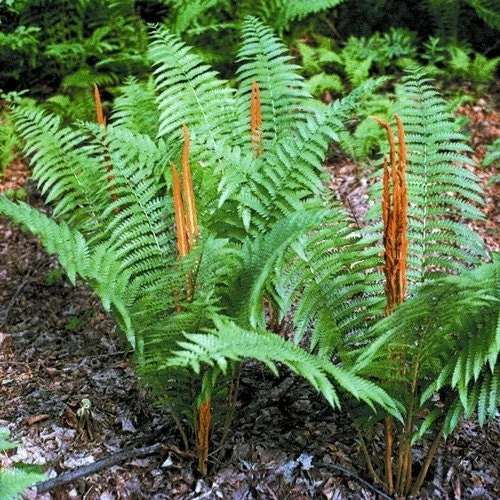
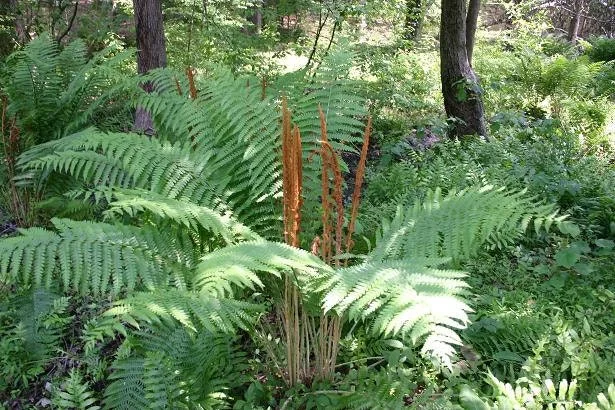
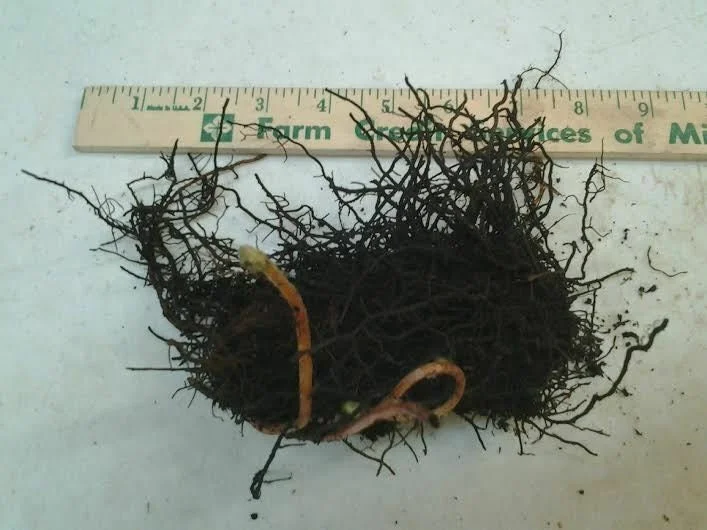
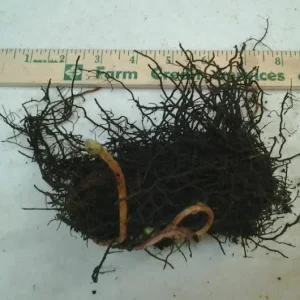
Introduce a touch of natural elegance to your landscape with this offering of 5 Cinnamon Fern bare root rhizomes. Known for its striking architectural form and distinctive color, the cinnamon fern bare root is a magnificent addition to any garden, particularly those with moist soil conditions or water features. This robust perennial fern, scientifically known as Osmundastrum cinnamomeum, is highly prized for its dual-textured fronds: sterile fronds that emerge blue-green in summer, often covered in delicate white hairs when new, and fertile fronds that develop a captivating cinnamon-brown hue, giving the plant its common name. Thriving in zones 4-8, these healthy mature roots/rhizomes will establish quickly, creating a lush, focal point in your outdoor sanctuary. Whether you’re looking to enhance a pond edge, create a mass planting in a boggy area, or add texture to a woodland garden, the cinnamon fern bare root offers unparalleled beauty and resilience.
The cinnamon fern bare root is a native North American plant, celebrated for its hardiness and adaptability. Its dramatic presence can truly elevate the aesthetic of any suitable environment. These roots are mature and ready for planting, ensuring a strong start for your new ferns. Imagine the serene beauty of these ferns reflecting in water, or creating a verdant understory beneath towering trees. The unique contrast between the sterile and fertile fronds provides year-round visual interest, making the cinnamon fern for sale a highly sought-after specimen for discerning gardeners.
Key Benefits
Adding cinnamon fern bare root to your garden provides numerous advantages, enhancing both its beauty and ecological value. These ferns are incredibly versatile and offer a range of benefits:
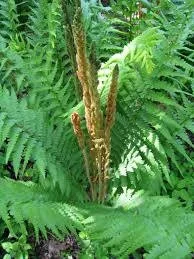
- Dramatic Visual Appeal: The unique architectural form and contrasting blue-green sterile fronds against the cinnamon-brown fertile fronds create a stunning visual display. This makes the cinnamon fern bare root an excellent focal point or accent plant in various garden settings.
- Ideal for Wet Areas: Cinnamon ferns naturally thrive in moist to wet conditions, making them perfect for planting near water features, bog gardens, or in areas with consistently damp soil where many other plants struggle. They contribute to a healthy wetland ecosystem.
- Low Maintenance: Once established, these ferns require minimal care, making them a great choice for gardeners looking for impactful plants without extensive upkeep. Their hardiness in zones 4-8 ensures they can withstand a wide range of climates.
- Naturalizing Capabilities: Cinnamon ferns are excellent for naturalizing in woodland gardens or along stream banks, creating a lush, verdant understory that mimics natural forest environments. This also aids in erosion control in such areas.
- Wildlife Habitat: These ferns can provide shelter and a natural habitat for various small wildlife, contributing to the biodiversity of your garden space.
- Long-Lasting Foliage: The long, elegant fronds remain attractive throughout the growing season, providing continuous texture and color from spring through fall. The fertile fronds offer unique interest even as they mature.
- Disease and Pest Resistant: Generally, cinnamon ferns are robust and not prone to significant issues with pests or diseases, further simplifying their care and ensuring a healthy garden.
Plant Care & Growing Tips
Proper care is essential for ensuring your cinnamon fern bare root thrives and reaches its full potential. These ferns are relatively easy to grow once established, provided their basic needs for moisture and shade are met. When considering cinnamon fern care, remember that their natural habitat is typically moist woodlands and along stream banks, so replicating these conditions will yield the best results.
Sunlight Requirements: Cinnamon ferns prefer partial to full shade. While they can tolerate some morning sun, direct afternoon sun, especially in warmer climates, can scorch their fronds. Dappled light under a tree canopy or a north-facing garden spot is ideal. Ensure they are protected from harsh, direct sunlight to maintain their vibrant blue-green color and prevent browning of the fronds.
Watering Schedule and Soil Moisture: These ferns are moisture-loving plants and require consistently moist to wet soil. They are an excellent choice for wet areas, bogs, and rain gardens. Do not allow the soil to dry out, especially during hot, dry periods. Regular watering will be necessary if planted in an area that does not naturally retain moisture. The soil should feel damp to the touch but not waterlogged to the point of standing water, unless it’s a specific bog garden setup. Adequate cinnamon fern care often revolves around consistent hydration.
Soil Type and Drainage Requirements: Growing cinnamon fern is best achieved in rich, acidic, well-draining soil that retains moisture. A soil mix rich in organic matter, such as compost or peat moss, will provide the nutrients and moisture retention they need. While they love moisture, good drainage is still important to prevent root rot in typical garden beds. For bog or water gardens, the soil can be heavier and more consistently saturated. The ideal pH range is typically 4.5 to 6.5. This helps support the robust growth of your cinnamon fern for sale.
Temperature Range and USDA Hardiness Zone: Cinnamon ferns are incredibly hardy and thrive in USDA Zones 4-8. They are deciduous, meaning their fronds will die back in winter and re-emerge in spring. They can tolerate cold winter temperatures within their hardiness range, and the fertile fronds often persist through the winter, providing structural interest. Protect young plants from late spring frosts if new growth has already emerged.
Fertilization Schedule and Type: Generally, cinnamon ferns do not require heavy fertilization if planted in rich, organic soil. A light application of a balanced, slow-release granular fertilizer in early spring can be beneficial for promoting vigorous growth. Alternatively, top-dressing with a layer of compost each spring will naturally enrich the soil and provide a slow, steady supply of nutrients, aligning with best practices for cinnamon fern care.
Common Problems and Solutions: Cinnamon ferns are relatively pest and disease-free. The most common issues arise from improper watering or sun exposure. If fronds turn brown or yellow, it’s often a sign of too much direct sun or insufficient moisture. Adjust their location or watering schedule accordingly. Ensure good air circulation to prevent fungal issues in very humid conditions, though this is rare for this robust fern. Understanding growing cinnamon fern involves being attentive to these environmental cues.
Size & Details
You are receiving 5 healthy, mature Cinnamon Fern bare root rhizomes, ready for planting. These rhizomes are carefully selected to ensure vigorous growth and establishment in your garden. Once mature, cinnamon fern plants typically reach an impressive height of 3 to 4 feet, with a spread of approximately 2 to 3 feet, creating a substantial and elegant presence. Their upright growth habit and broad fronds make them excellent for creating a strong visual impact. The growth rate is moderate, and you can expect to see significant development in the first growing season with proper care. These ferns are deciduous, with their fronds emerging in spring and dying back in late fall, showcasing their unique fertile fronds throughout winter. The robust nature of these bare roots ensures a strong foundation for your new plants, making them an excellent investment for growing cinnamon fern in your landscape.
Frequently Asked Questions
- Q: How big does this plant get? A: Mature cinnamon fern bare root plants typically reach an impressive height of 3 to 4 feet and spread about 2 to 3 feet wide, creating a dramatic architectural form in your garden.
- Q: Is this an indoor or outdoor plant? A: The cinnamon fern bare root is an outdoor plant, ideally suited for woodland gardens, wet areas, or near water features. It is hardy and thrives in its natural outdoor environment.
- Q: How much sunlight does it need? A: Cinnamon ferns prefer partial to full shade. They can tolerate some morning sun, but direct afternoon sun should be avoided as it can scorch their fronds.
- Q: Is this plant easy to care for? A: Yes, once established, the cinnamon fern bare root is considered low-maintenance. Its primary requirements are consistently moist soil and a shaded location, making cinnamon fern care relatively straightforward.
- Q: What condition will it arrive in? A: You will receive 5 healthy, mature Cinnamon Fern bare root rhizomes. They are carefully packaged to ensure they arrive in excellent condition, ready for immediate planting.
- Q: When is the best time to plant? A: The best time for growing cinnamon fern from bare root is typically in early spring or fall, allowing the plant to establish itself before extreme temperatures.
- Q: Will it survive winter in my zone? A: These ferns are hardy in USDA Zones 4-8, meaning they are well-equipped to survive winter temperatures within this range. Their fronds will die back in winter and re-emerge in spring.
- Q: Can I plant these in a container? A: While possible, cinnamon ferns prefer to spread and can grow quite large. If planting in a container, choose a very large pot and ensure consistent moisture, as containers dry out faster.
- Q: What type of soil is best for growing cinnamon fern? A: Cinnamon ferns thrive in rich, acidic, well-draining soil that retains moisture, ideally amended with organic matter like compost or peat moss.
- Q: What are the cinnamon-brown fronds? A: The cinnamon-brown fronds are the fertile fronds of the plant, which develop a distinct color and texture. They are responsible for producing spores and contribute significantly to the fern’s unique appeal.


Reviews
There are no reviews yet.