Overview
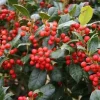
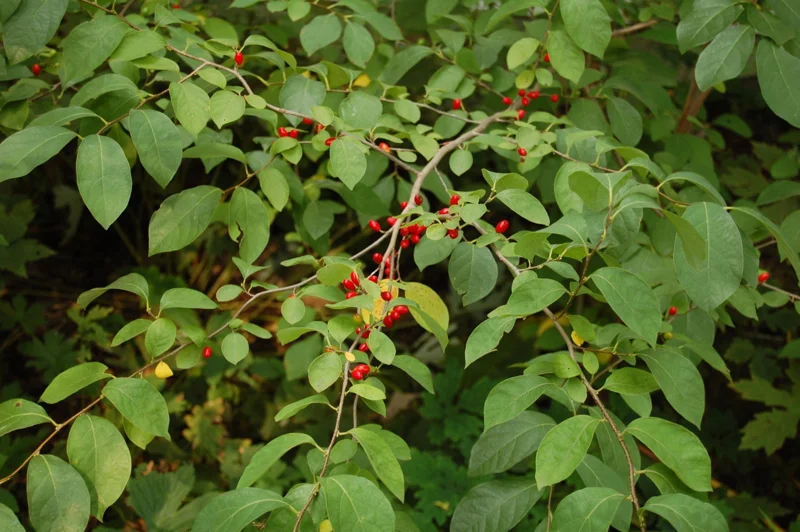
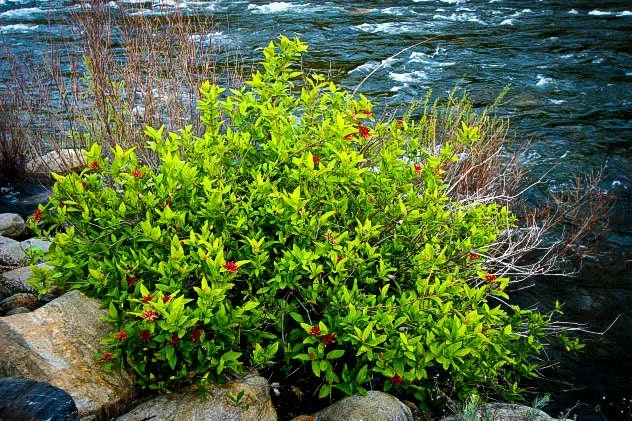
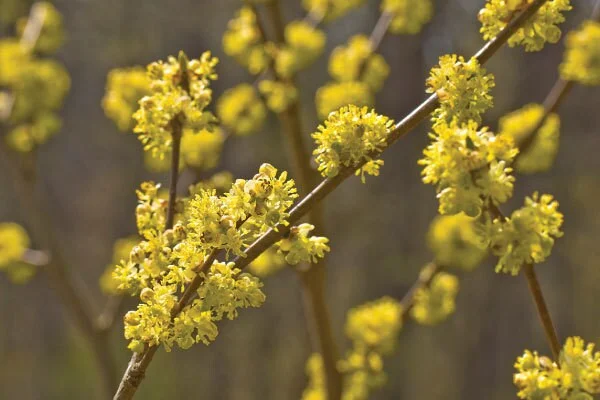
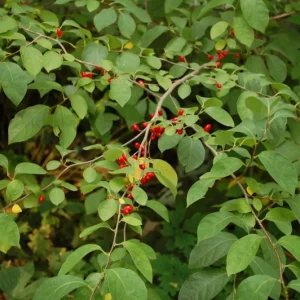
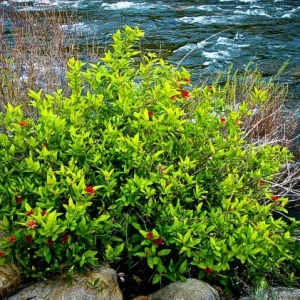
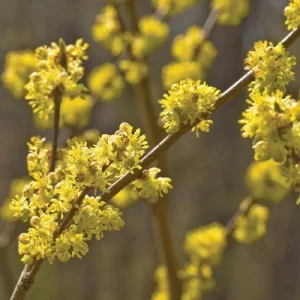
Introduce the captivating spice bush live plant (Lindera benzoin), commonly known as Pond Berry, into your landscape. This exceptional native deciduous shrub is a true gem, offering year-round interest and significant ecological benefits. Known for its sweet, spicy fragrance, which emanates from its stems, leaves, and fruits when bruised, the lindera benzoin shrub is a sensory delight. Before its leaves emerge in spring, delicate yellow flowers appear in clusters, signaling the start of its seasonal display. As the season progresses, these give way to shiny red berries, a crucial food source for various bird species. This particular offering provides a healthy spice bush live plant, ready to thrive in your garden.
The spice bush live plant is highly valued for its adaptability and hardiness, making it an excellent choice for a wide range of garden settings. It’s a low-maintenance shrub that contributes significantly to local ecosystems, particularly as a host plant for swallowtail butterfly larvae and a food source for numerous bird species. Its charming appearance, coupled with its ecological importance, makes it a must-have for any gardener looking to create a vibrant and wildlife-friendly environment. Whether you’re a seasoned gardener or just starting, this native spice bush offers a rewarding growing experience.
Key Benefits
The spice bush live plant provides a myriad of benefits, making it an invaluable addition to any garden or naturalized area. Its unique characteristics contribute to both aesthetic appeal and ecological health:
- Attracts Wildlife: This shrub is a magnet for birds, with over 20 species known to browse its leaves or feast on its nutrient-rich red berries. Wood thrushes, in particular, are fond of the fruit, making it an excellent choice for bird friendly plants.
- Fragrant Foliage and Stems: Enjoy the distinct sweet and spicy aroma released from the leaves, stems, and fruits when gently bruised. This natural fragrance adds a delightful element to your garden experience.
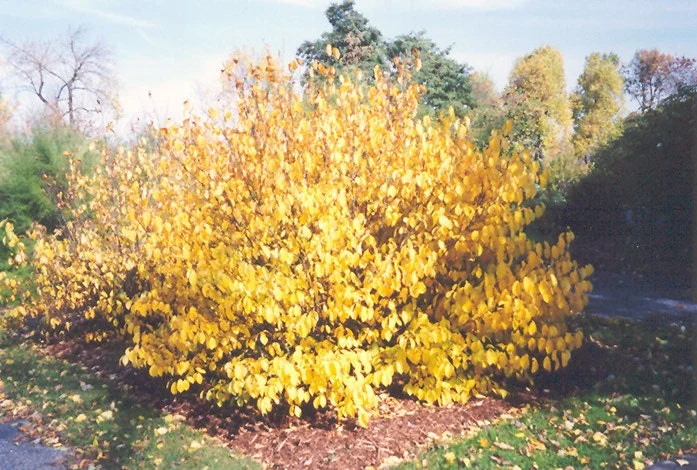
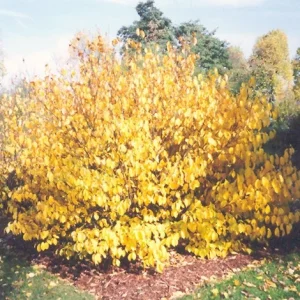
- Vibrant Fall Color: While beautiful throughout the growing season, the spice bush live plant truly shines in autumn when its deep green leaves transform into a brilliant, eye-catching yellow, adding a splash of color to your landscape.
- Early Spring Blooms: Before the canopy fills with leaves, delicate yellow flowers emerge in early spring, providing an important early nectar source for pollinators and a subtle beauty to the awakening garden.
- Native and Hardy: As a native species, the lindera benzoin shrub is well-adapted to local conditions, requiring less maintenance once established. It’s hardy in USDA Zones 4-9, capable of withstanding a range of climates.
- Shade Tolerance: Unlike many flowering shrubs, Spice Bush thrives in partial to full shade, making it an ideal choice for woodland gardens or areas with limited direct sunlight, though it will produce more fruit in sunnier locations.
- Ecological Importance: Beyond birds, it serves as a host plant for the Spicebush Swallowtail butterfly caterpillar, supporting the life cycle of this beautiful pollinator.
Plant Care & Growing Tips
Caring for your spice bush live plant is relatively straightforward, as this native shrub is quite resilient once established. To ensure optimal growth and health, consider the following guidelines. This lindera benzoin shrub prefers a location with partial shade to full sun. While it can tolerate full shade, you’ll typically see more flowers and a more abundant fruit set in areas that receive at least a few hours of direct sunlight daily or bright, dappled light throughout the day. It’s a versatile plant that adapts well to various light conditions, making it a flexible choice for different garden spots.
When it comes to watering, the spice bush live plant thrives in moist, well-drained soils. Consistent moisture is key, especially during its establishment period and dry spells. Avoid overly dry conditions, but also ensure the soil doesn’t become waterlogged, as this can lead to root issues. A rich, organic soil is ideal, but it can tolerate a range of soil types, including clay, as long as drainage is adequate. Fertilization is generally not heavily required for this native spice bush. If your soil is poor, a light application of a balanced, slow-release fertilizer in early spring can promote vigorous growth. Pruning is best done in late winter or early spring to remove any dead, damaged, or crossing branches, which helps maintain its natural, attractive shape. This shrub is generally pest and disease resistant, contributing to its low-maintenance nature.
Size & Details
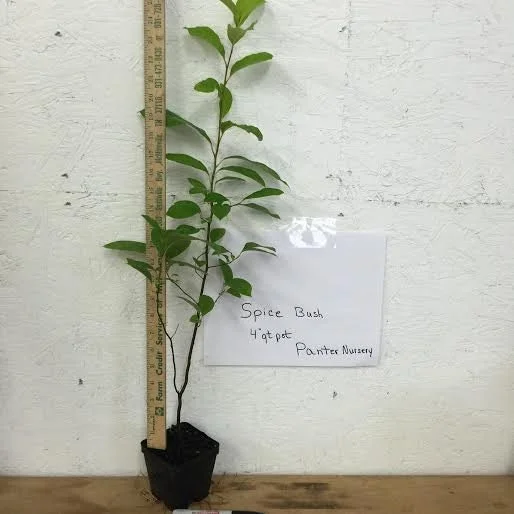
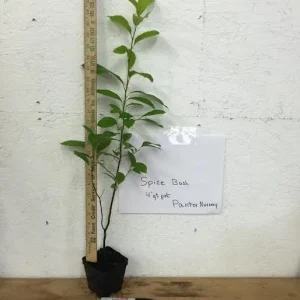
This offering includes one healthy spice bush live plant, provided in a 4-inch quart pot, with a height ranging from 10 to 14 inches. At maturity, the lindera benzoin shrub typically reaches a height of 3 to 4 feet and spreads about 2 feet wide, forming an attractive, rounded shape. Its growth rate is moderate, allowing you to enjoy its development over time. The plant will arrive with established roots, ready for transplanting into your garden. Expect to see its characteristic yellow flowers in early spring, followed by bright green foliage that develops into a stunning yellow in the fall. The shiny red berries, a favorite of many bird friendly plants enthusiasts, will ripen in late summer to early fall.
Frequently Asked Questions
- Q: How big does a spice bush live plant get? A: A spice bush live plant typically grows to a mature height of 3 to 4 feet and spreads about 2 feet wide, forming a dense, rounded shrub. Its compact size makes it suitable for various garden spaces.
- Q: Is this an indoor or outdoor plant? A: The spice bush live plant (Lindera benzoin) is an outdoor deciduous shrub, best suited for garden beds, woodland edges, or naturalized areas, thriving in USDA Zones 4-9. It is not recommended as an indoor plant.
- Q: How much sunlight does a native spice bush need? A: This native spice bush prefers partial shade to full sun. It can tolerate full shade, but you’ll see more abundant flowering and fruiting in locations with at least a few hours of direct sunlight daily.
- Q: What condition will the spice bush live plant arrive in? A: Your spice bush live plant will arrive in a 4-inch quart pot, with healthy, established roots and foliage, carefully packaged to ensure its safe journey to your home.
- Q: Is the spice bush attractive to birds? A: Yes, the spice bush live plant is an excellent choice for bird friendly plants. Its bright red berries are a vital food source for over 20 species of birds, especially wood thrushes.
- Q: What kind of soil is best for the lindera benzoin shrub? A: The lindera benzoin shrub thrives in moist, well-drained soils that are rich in organic matter. It can adapt to various soil types, including clay, as long as drainage is adequate.
- Q: When is the best time to plant a spice bush? A: The best time to plant your spice bush live plant is in spring or fall, allowing it ample time to establish its root system before the extremes of summer heat or winter cold.
- Q: Will this spice bush live plant survive winter in my zone? A: The spice bush live plant is hardy in USDA Zones 4-9. If you reside within these zones, your plant should successfully overwinter with proper care.
- Q: Does the spice bush have a fragrance? A: Yes, one of the distinguishing features of the spice bush live plant is its sweet and spicy fragrance, which is released when the leaves, stems, or berries are bruised.
- Q: Is this shrub considered low-maintenance? A: Once established, the spice bush live plant is remarkably low-maintenance. It is drought-tolerant and generally resistant to most pests and diseases, making it an easy-care addition to your garden.


Reviews
There are no reviews yet.