Overview
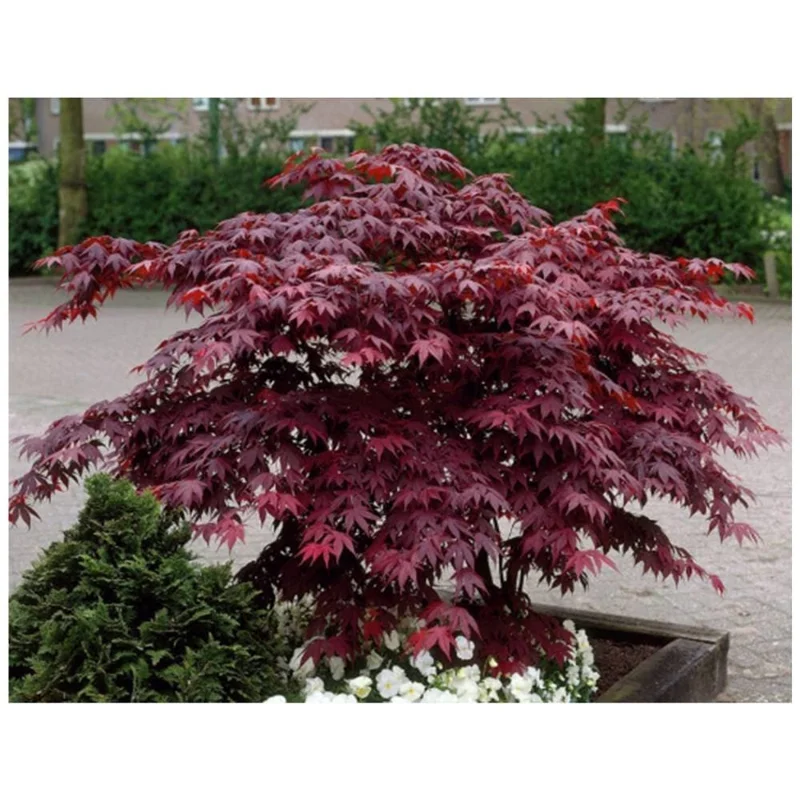
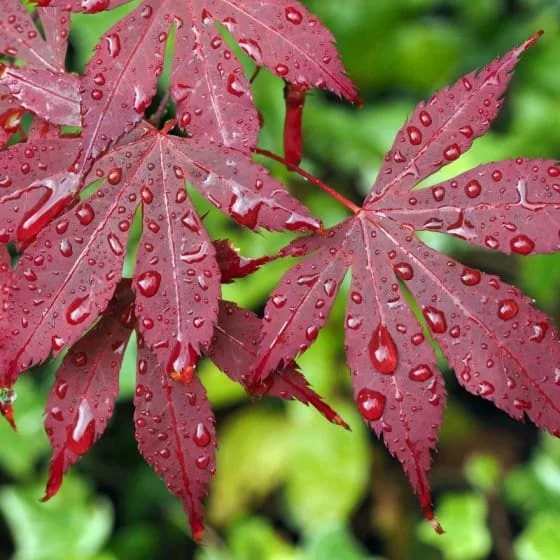
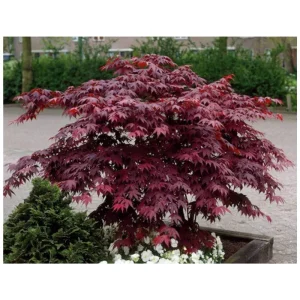
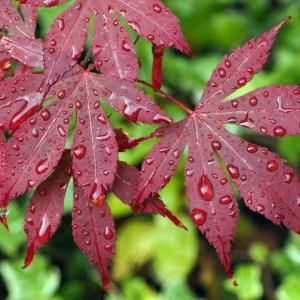
The Bloodgood Japanese Maple tree is a highly sought-after ornamental plant renowned for its dramatic, deep red foliage that holds its color throughout the growing season. This particular offering is a live plant, cultivated in a 1 gallon trade pot, ready to bring immediate elegance to your garden or patio. Known botanically as Acer palmatum ‘Bloodgood’, this cultivar is celebrated for its vigorous growth and resilience. Its delicate, deeply lobed leaves create an exquisite texture, making it a favorite among landscape designers and home gardeners alike. Whether used as a stunning focal point, an accent plant, or even trained as a bonsai, the Bloodgood Japanese Maple offers unparalleled beauty and sophistication to any outdoor space.
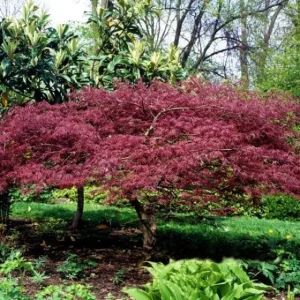
This deciduous tree provides year-round interest; starting with vibrant red new growth in spring, maintaining its rich crimson hue through summer, and often intensifying to brilliant scarlet in autumn before shedding its leaves for winter. Its upright, spreading habit develops into a graceful, rounded form over time. The Bloodgood Japanese Maple tree is an excellent choice for those looking to add a touch of class and enduring color to their landscape, thriving in various settings from spacious gardens to urban balconies.
Key Benefits
Incorporating a Bloodgood Japanese Maple tree into your garden design offers numerous advantages beyond its obvious beauty. This versatile plant brings a wealth of benefits that enhance both aesthetics and garden functionality:
- Stunning Visual Appeal: The deep, consistent red foliage provides a vibrant splash of color from spring through fall, making it an exceptional focal point in any garden setting. Its elegant form and delicate leaf structure add sophisticated charm.
- Adaptable for Various Landscapes: Suitable for both small and large landscapes, this maple can be planted in the ground, grown in large containers on decks or balconies, or even pruned into a bonsai.
- Partial Shade Tolerance: Unlike many plants that require full sun for best color, the Bloodgood Japanese Maple tree thrives in partial shade, especially appreciating afternoon shade, making it perfect for planting near houses or under taller trees.
- Fast Growing & Established Quickly: Once established, these maples grow at a rate of 1-2 feet per year, doubling in size within five years, allowing for a relatively quick impact on your landscape.
- Hardy and Resilient: Tolerant of USDA Zones 5-8, this tree is relatively hardy and can withstand a range of climatic conditions, making it a reliable choice for many regions.
- Low Maintenance Elegance: While providing significant visual impact, the Bloodgood Japanese Maple tree is surprisingly low maintenance once established, requiring minimal pruning to maintain its desired shape.
- Versatile Design Element: Its ability to be grown as a specimen tree, an accent, or a bonsai showcases its incredible versatility for diverse garden designs and artistic expressions.
Plant Care & Growing Tips
Caring for your Bloodgood Japanese Maple tree ensures its vibrant health and striking appearance for years to come. These trees are relatively easy to maintain once established, but providing the right conditions from the start is crucial. For sunlight, this maple performs best in partial shade, particularly in regions with hot summers where afternoon shade is essential to prevent leaf scorch. Morning sun is beneficial for color development, but protection from intense midday and afternoon sun will keep its signature deep red foliage looking its best. When choosing a site, consider planting it where it will receive dappled light or near a structure or taller tree that provides some shade.
Watering is key, especially during the establishment phase and dry spells. Keep the soil consistently moist but not waterlogged. Good drainage is paramount, as Japanese Maples do not tolerate wet feet. Once established, they are moderately drought-tolerant but will benefit from supplemental watering during prolonged dry periods. The ideal soil type is a well-draining, slightly acidic to neutral (pH 6.0-7.0) loam rich in organic matter. Amend heavy clay soils with compost or pine bark to improve drainage, and sandy soils with organic matter to enhance water retention. Fertilize sparingly in early spring with a balanced, slow-release fertilizer formulated for trees and shrubs, or one specifically for acid-loving plants. Avoid over-fertilization, as this can lead to excessive growth and potentially weaker wood. Pruning should be done in late winter or early spring while the tree is dormant to remove dead, damaged, or crossing branches, and to shape the tree as desired. The Bloodgood Maple facts indicate it tolerates pruning well for size control or bonsai shaping. Protect young trees from strong winds and extreme winter temperatures in colder zones.
Size & Details
This offering is for a Bloodgood Japanese Maple tree supplied as a live plant in a 1 gallon trade pot. At maturity, if left unpruned, this small tree can reach a height of approximately 15 feet with a spread of around 6 feet, developing a beautiful, natural form. If regularly pruned, it can be maintained at a more compact height of 6 feet, making it perfect for smaller spaces or container gardening. The growth rate is relatively fast once established, typically adding 1-2 feet per year, which means it can double in size within about five years. This accelerated growth allows for a significant landscape impact in a shorter timeframe compared to many other slow-growing ornamental trees. The plant is hardy in USDA Zones 5-8, ensuring it can thrive in a wide range of climates across the United States. We ensure that our red leaf Japanese Maple specimens are healthy and ready for transplanting into your garden or a larger container upon arrival, providing you with a robust start for your new landscape addition.
Frequently Asked Questions
-
Q: How big does this plant get?
A: The Bloodgood Japanese Maple tree can reach a mature height of 15 feet with a 6-foot spread if left natural. With regular pruning, it can be maintained at a smaller height of around 6 feet, ideal for compact spaces or container growing. -
Q: What size pot does it come in?
A: This live plant is shipped in a 1 gallon trade pot, providing it with a healthy root system and a good start for transplanting into your garden or a larger container. -
Q: Is this an indoor or outdoor plant?
A: The Bloodgood Japanese Maple tree is an outdoor plant. While it can be grown in containers, it requires outdoor conditions to thrive and go through its natural dormancy cycle. -
Q: How much sunlight does it need?
A: It thrives in partial shade, especially needing protection from intense afternoon sun to prevent leaf scorch. Morning sun is beneficial for best color. -
Q: Is this plant easy to care for?
A: Yes, once established, the Bloodgood Japanese Maple tree is considered relatively easy to care for. It requires consistent moisture, good drainage, and occasional pruning. -
Q: What condition will it arrive in?
A: Your Bloodgood Japanese Maple tree will arrive as a healthy, well-rooted live plant in its 1 gallon trade pot, ready for planting. We prioritize careful packaging to ensure safe transit. -
Q: What’s the best use for this small landscape tree?
A: This tree is incredibly versatile. It makes an excellent focal point, an accent plant, or can be grown in a large container. Its adaptability also makes it suitable for bonsai enthusiasts. -
Q: How fast does it grow?
A: Once established, the Bloodgood Japanese Maple tree is a fast-growing variety, typically adding 1-2 feet per year. It can double in size within approximately five years. -
Q: Will it survive winter in my zone?
A: Yes, it is hardy in USDA Zones 5-8, meaning it is well-suited to survive winters in these regions with proper care and siting. -
Q: What are some key Bloodgood Maple facts I should know?
A: Key facts include its ability to maintain deep red foliage throughout the season, its adaptability to partial shade, and its relatively fast growth rate compared to other Japanese Maples. It’s a robust and beautiful choice for many garden types.


Reviews
There are no reviews yet.