Overview
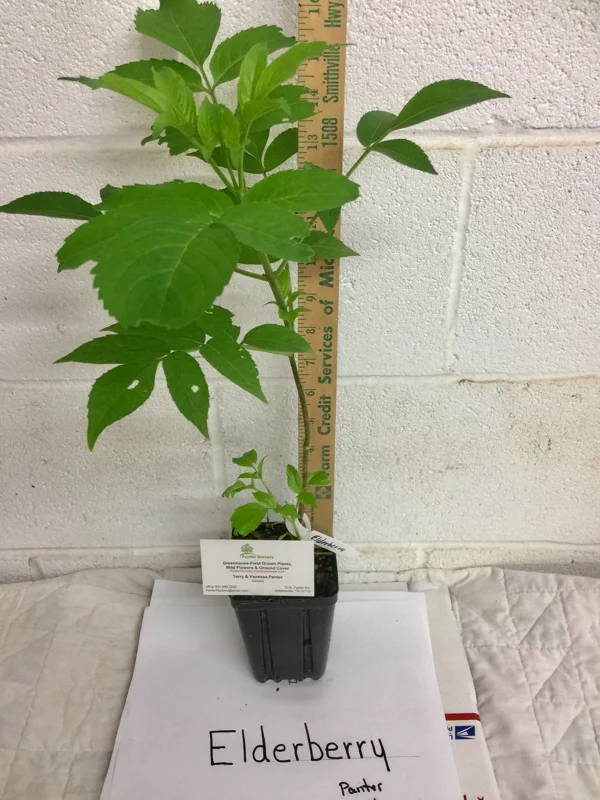
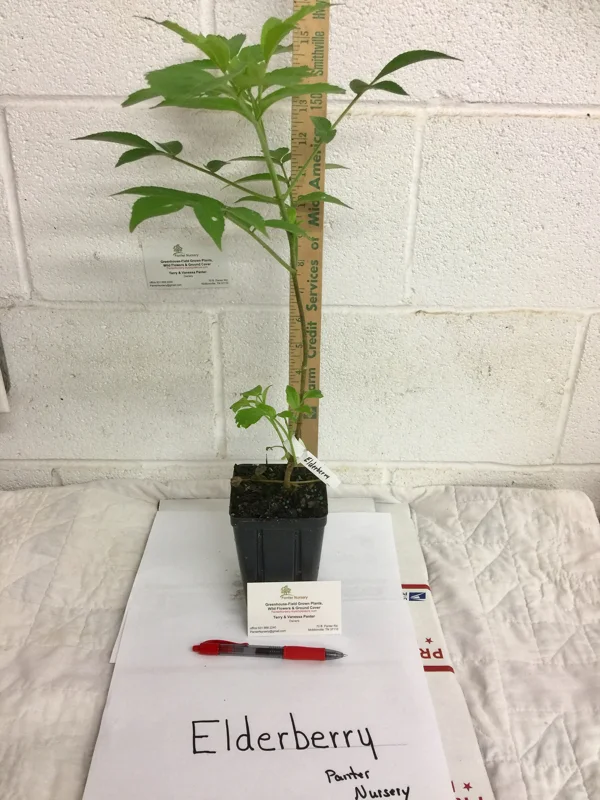
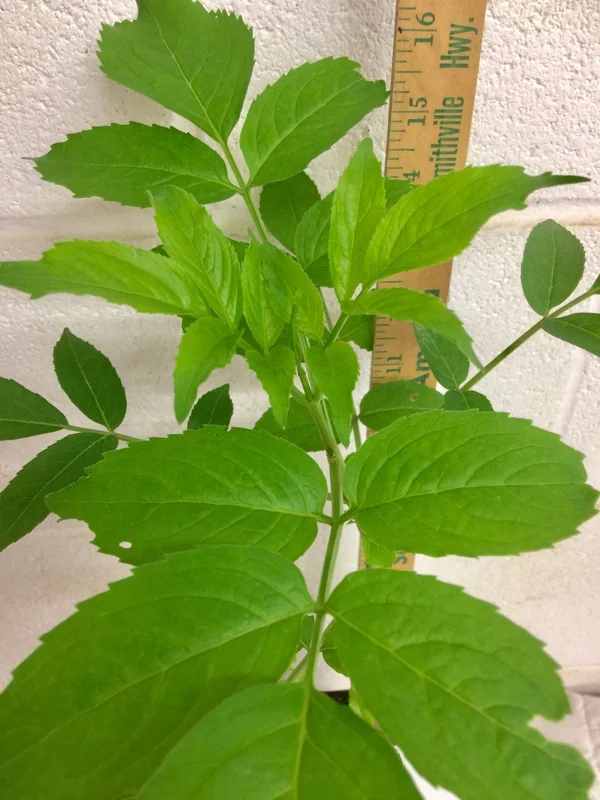
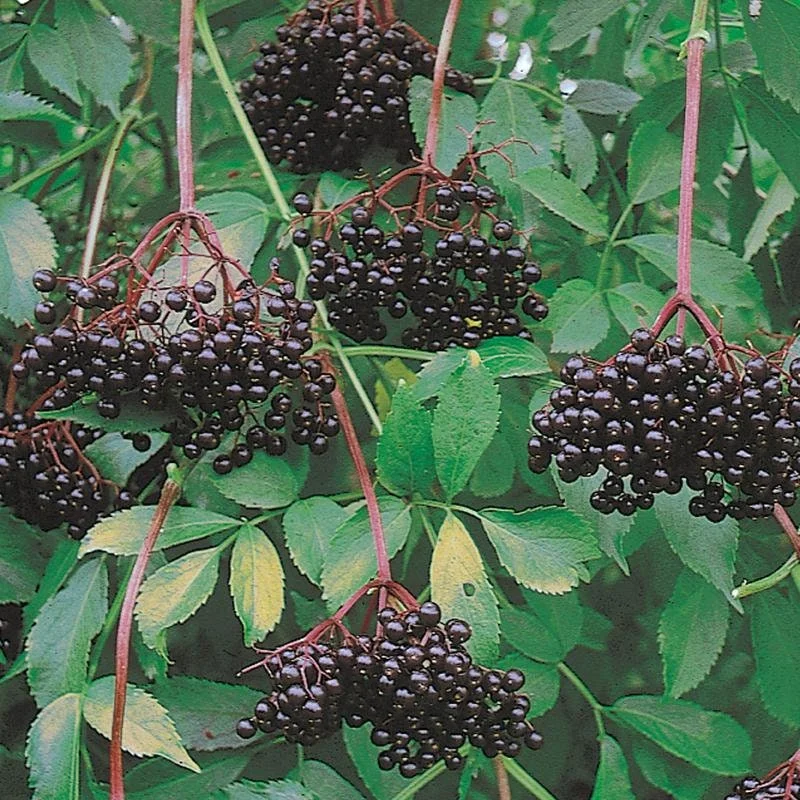
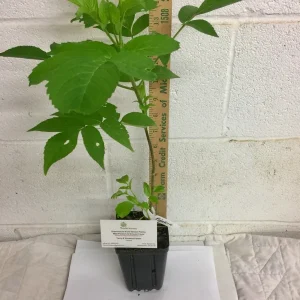
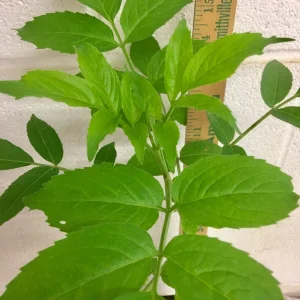
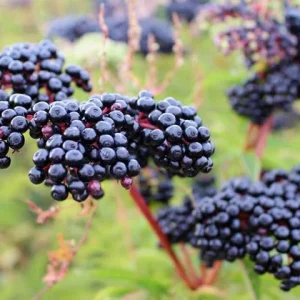
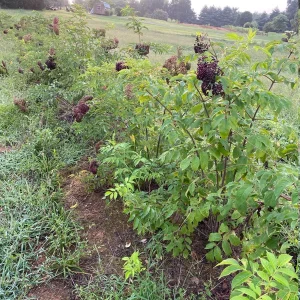
Discover the joy of growing your own fruit with this vibrant American Elderberry shrub, also known as Sambucus canadensis. This versatile and robust live plant is an excellent addition to any garden, offering both ornamental beauty and a delicious harvest. Our elderberry plant comes ready to thrive, carefully cultivated in a 4 inch pot. Known for its rapid growth rate, the American Elderberry shrub quickly establishes itself, transforming into a magnificent feature in your landscape. It’s a fantastic choice for gardeners looking to add a productive and attractive plant that provides both visual interest and edible berries. Whether you’re an experienced gardener or just starting, this plant offers a rewarding growing experience, culminating in a bounty of healthful fruit.
The American Elderberry shrub is celebrated for its dynamic growth and ease of care. It’s not just a fruit producer; its lovely summer blooms attract pollinators, contributing to a healthy ecosystem in your backyard. The plant’s adaptability allows it to be shaped into a multi-stemmed bush for maximum fruit production or pruned into a single-stemmed small tree. Embrace the opportunity to cultivate a plant that brings both aesthetic appeal and culinary potential to your home, making it a truly valuable investment for any garden.
Key Benefits
Adding an American Elderberry shrub to your garden brings a multitude of benefits, from its ornamental value to its abundant harvest of healthful berries. This plant is a true garden workhorse, offering beauty and utility in equal measure. Enjoy the satisfaction of growing your own food and contributing to local biodiversity.
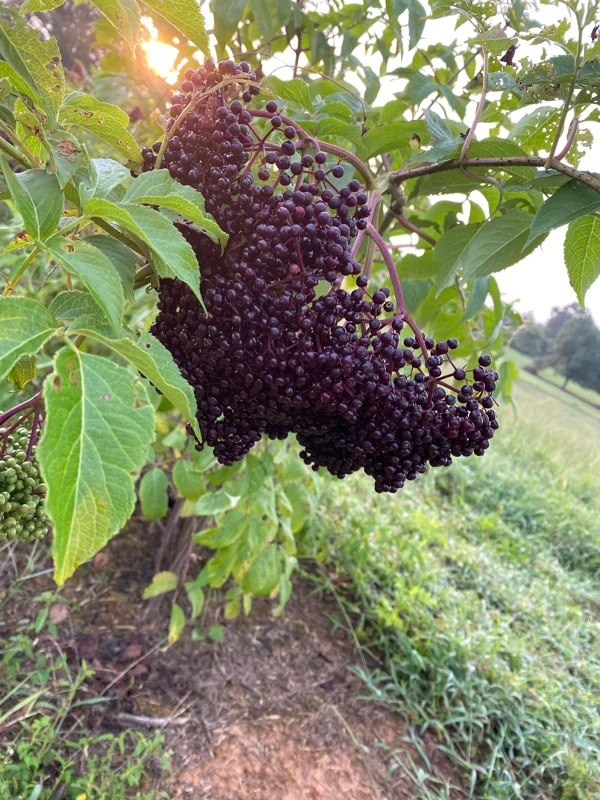
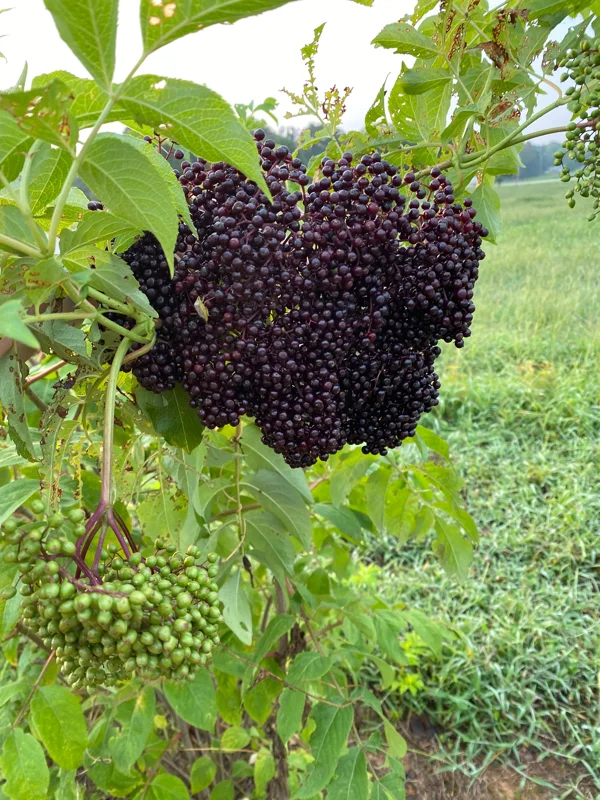
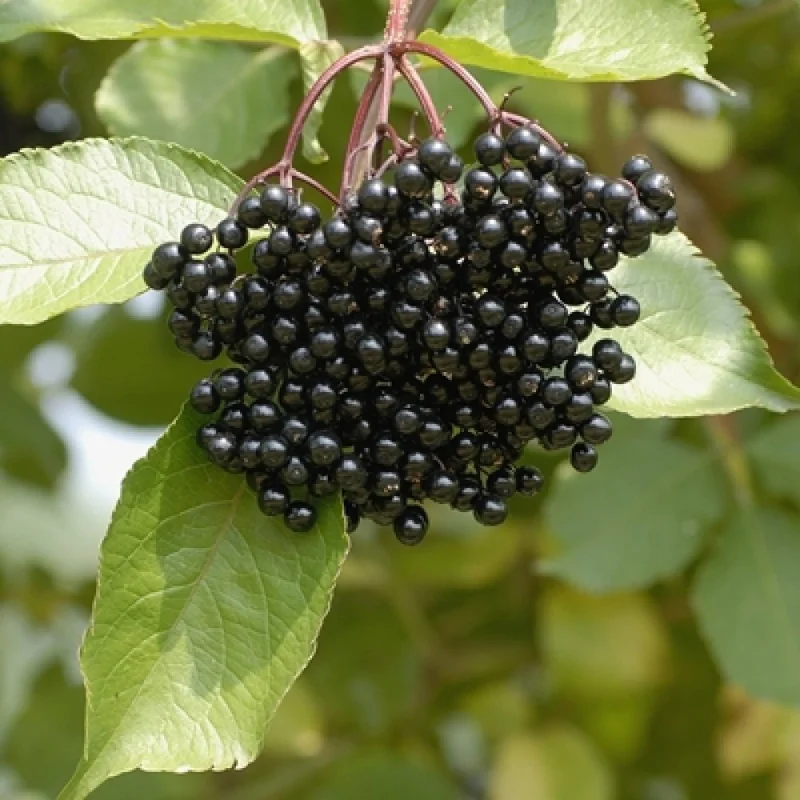
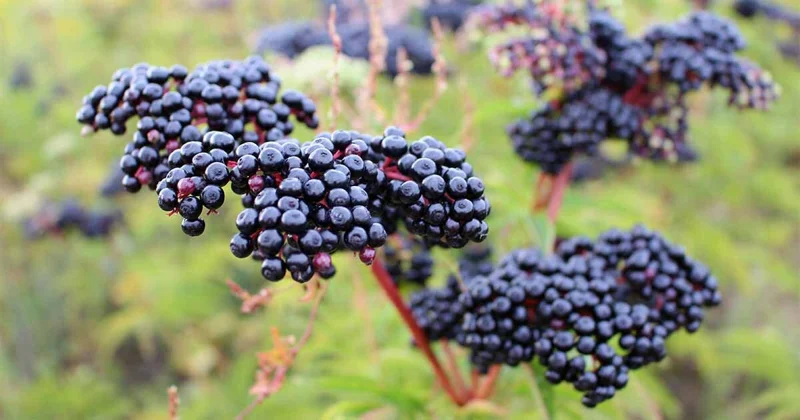
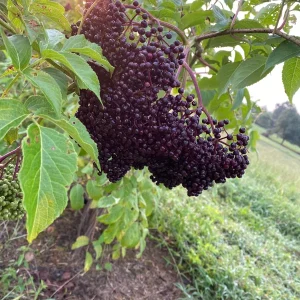
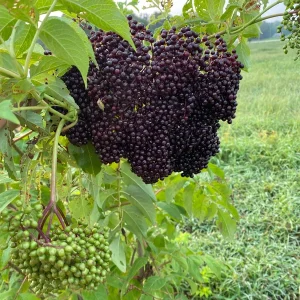
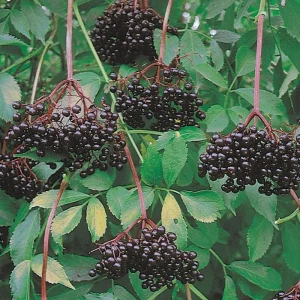
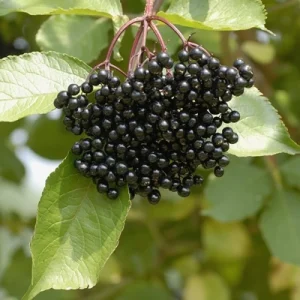
- Edible Berries: Harvest abundant dark purple berries from August to September, perfect for making delicious jellies, pies, juices, and even wine. Growing your own elderberry fruit plant ensures fresh, organic produce right from your backyard.
- Fast Growth Rate: This shrub grows at a rapid pace, with height increases of more than 24 inches per year once established, quickly maturing to provide a substantial yield. This makes it an ideal choice if you want to quickly establish a fruit-bearing plant.
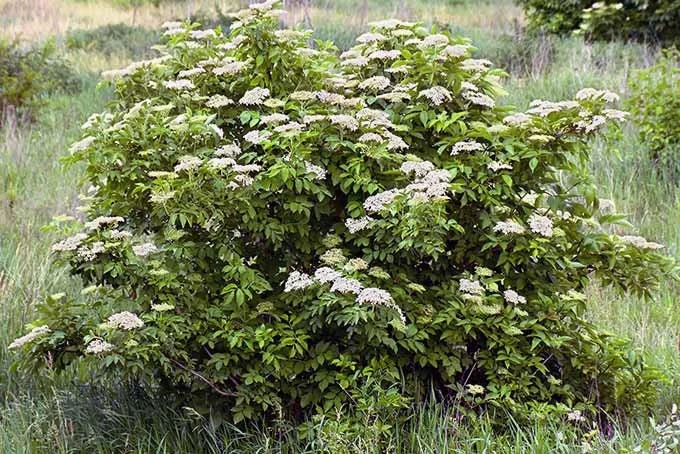
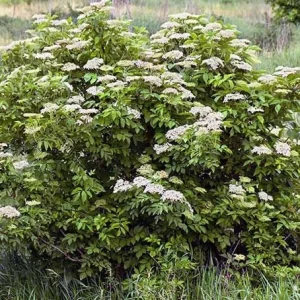
- Attractive Blooms: In summer, the plant produces clusters of small, star-shaped yellowish-white flowers, 6-10 inches wide, adding significant visual appeal to your garden while attracting beneficial pollinators.
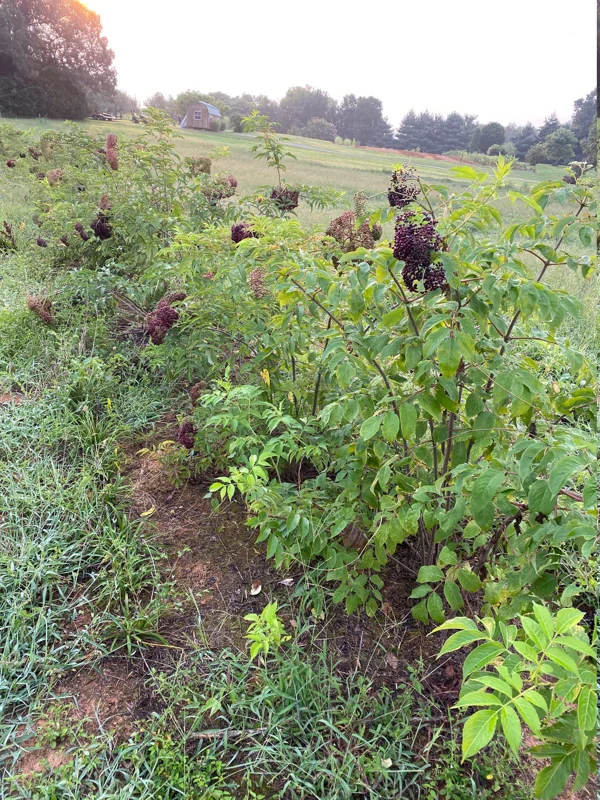
- Versatile Landscaping: The American Elderberry shrub can be pruned into a single-stem small tree or maintained as a multi-stemmed bush for maximum fruit production, offering flexibility in garden design.
- Hardy & Resilient: Thriving in USDA hardiness zones 4-9, this elderberry variety is robust and adaptable to a wide range of climates, making it a reliable choice for many regions.
- Supports Wildlife: The berries are a food source for birds, and the flowers attract bees and other beneficial insects, enhancing the ecological balance of your garden.
- Health Benefits: Elderberries are well-known for their nutritional value and are often used in traditional remedies, providing a natural source of vitamins and antioxidants.
Plant Care & Growing Tips
Caring for your American Elderberry shrub is straightforward, making it an excellent choice for gardeners of all experience levels. These resilient plants prefer a location with full sun to partial shade, meaning they need at least 6 hours of direct sunlight daily for optimal fruit production. While they tolerate some shade, more sun generally leads to a more bountiful harvest. They are not overly particular about soil but thrive best in well-drained, moist, slightly acidic to neutral soil. Amending heavy clay soils with organic matter can improve drainage and aeration, which is crucial for healthy root development.
Consistent watering is important, especially during dry spells and when the plant is establishing itself. Keep the soil consistently moist but never waterlogged. Once established, elderberries are relatively drought-tolerant but will produce more fruit with regular moisture. Fertilize in early spring with a balanced slow-release fertilizer or compost to support vigorous growth and fruit development. Pruning is essential for maintaining plant health and maximizing fruit yield. For a multi-stemmed bush, remove older, less productive canes each year, leaving 2-3 year old canes that produce the most fruit. If you prefer a single-stemmed tree form, regularly prune suckers from the base. The American Elderberry shrub is generally pest and disease resistant, but monitoring for common garden issues will help keep your plant healthy. Understanding how to grow elderberry plant successfully involves these basic, yet crucial, steps.
Size & Details
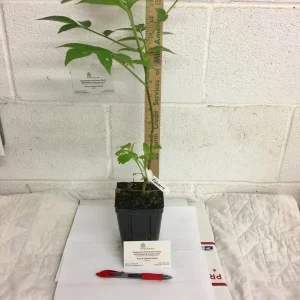
This offering is for one American Elderberry shrub (Sambucus canadensis) provided as a live plant in a 4 inch pot. At maturity, this vigorous shrub typically reaches a height of 5-12 feet and a spread of 5-12 feet, making it a substantial and impactful addition to your landscape. It exhibits a fast growth rate, often increasing in height by more than 24 inches per year once it has established its root system. The plant will arrive in its nursery pot, with established roots, ready for transplanting into your garden or a larger container. Blooms can be expected in the summer months, with the first harvest of delicious dark purple berries typically occurring from August to September, often within the first few years of planting. For optimal fruiting, it is often recommended to plant multiple shrubs to ensure better pollination and a more abundant harvest from your elderberry fruit plant.
Frequently Asked Questions
- Q: How big does this American Elderberry shrub get? A: At maturity, the American Elderberry typically grows to a height of 5-12 feet and a spread of 5-12 feet, creating a significant presence in your garden. Its size can be managed with regular pruning.
- Q: What size pot does it come in? A: This elderberry plant is supplied in a 4 inch pot, providing a healthy root system for successful transplanting into your garden or a larger container.
- Q: Is this an indoor or outdoor plant? A: The American Elderberry shrub is an outdoor plant, best suited for garden beds, hedgerows, or large outdoor containers where it can receive adequate sunlight and space to grow.
- Q: How much sunlight does it need? A: For the best fruit production and overall health, your elderberry plant requires full sun to partial shade, ideally at least 6 hours of direct sunlight per day.
- Q: Is this plant easy to care for? A: Yes, elderberries are known for being relatively low-maintenance and easy to care for, making them suitable for both beginner and experienced gardeners looking to grow elderberry plant.
- Q: What condition will it arrive in? A: Your elderberry plant will arrive as a live, healthy plant in its nursery pot, with established roots, carefully packaged to ensure its safe journey.
- Q: Can I use elderberry fruit in cooking? A: Absolutely! The dark purple berries are highly prized for culinary uses and are excellent for making jellies, pies, juices, and wine. They are a versatile fruit for various recipes.
- Q: When is the best time to plant an elderberry shrub? A: The best time to plant an elderberry shrub is typically in early spring or fall, allowing the plant to establish its root system before extreme summer heat or winter cold.
- Q: Will this elderberry fruit plant survive winter in my zone? A: Yes, the American Elderberry is a hardy plant, thriving in USDA hardiness zones 4-9, meaning it can tolerate a wide range of winter temperatures.
- Q: Do I need to plant more than one elderberry for fruit? A: While elderberries are often self-fertile, planting multiple shrubs generally leads to better cross-pollination and a significantly larger fruit yield.


Reviews
There are no reviews yet.