Overview
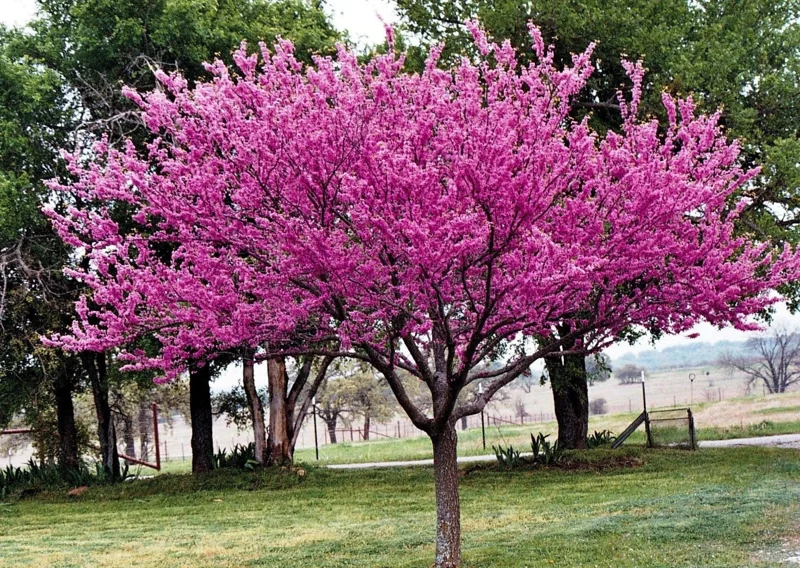
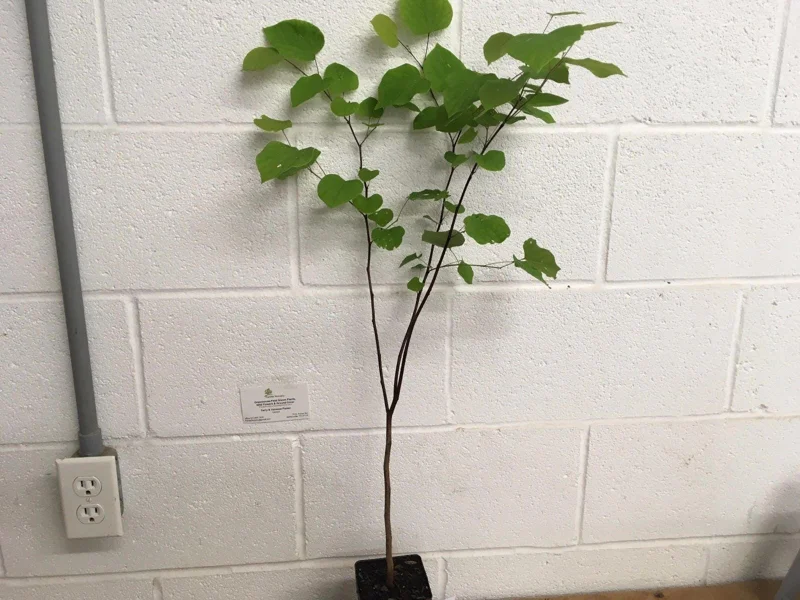
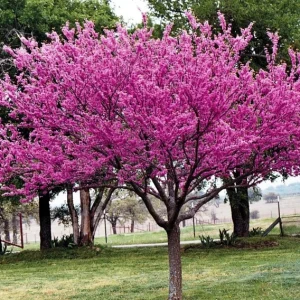
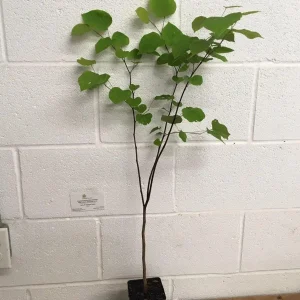
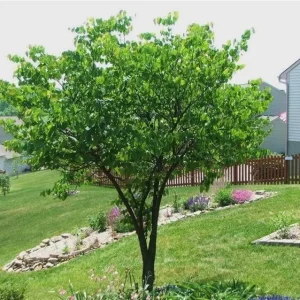
Transform your garden into a springtime spectacle with the magnificent Eastern Redbud Tree live plant. Known botanically as Cercis canadensis, this stunning deciduous tree is a true harbinger of spring, gracing landscapes with its profusion of rosy-pink flowers before its heart-shaped leaves even emerge. Native to eastern North America and Canada, the Eastern Redbud Tree live plant offers a captivating display of color and unique form, making it a cherished addition to any outdoor space. This particular offering provides a healthy young specimen in a 4-inch pot, typically measuring 6-12 inches tall, eager to establish itself and grow into a focal point in your yard.
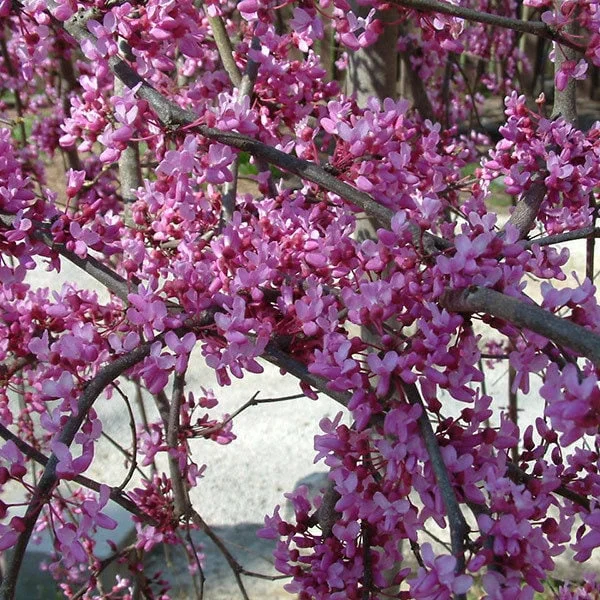
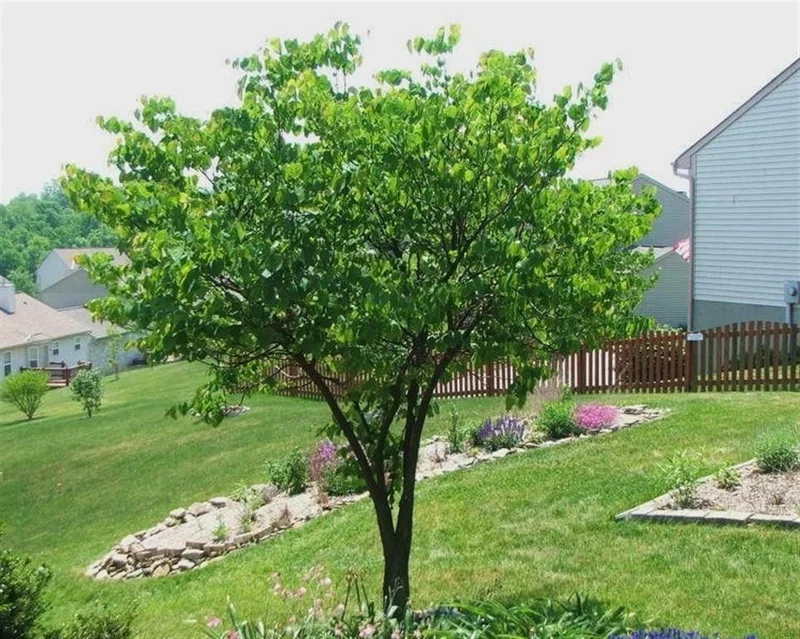
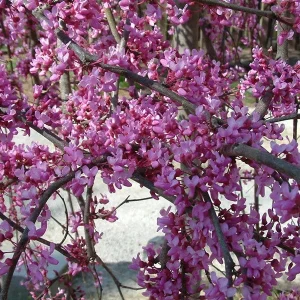
The charm of the Eastern Redbud lies not only in its early and abundant blooms but also in its graceful, irregular branching structure and distinctive foliage. The flowers appear directly on the branches and even the trunk, creating a breathtaking visual impact. As spring progresses, the emerging reddish leaves mature into a beautiful dark green, providing a lush backdrop for the rest of the growing season. This Cercis canadensis for sale is an excellent choice for those seeking a native flowering tree that contributes significantly to local ecosystems and provides year-round interest.
Key Benefits
The Eastern Redbud Tree live plant offers a multitude of benefits for both the gardener and the environment:
- Stunning Early Spring Blooms: Be among the first in your neighborhood to enjoy a burst of color. The rosy-pink flowers of the Eastern Redbud Tree live plant emerge in early April, often before other trees leaf out, providing a spectacular display and signaling the arrival of warmer weather.
- Unique Ornamental Value: With its irregular branching, graceful crown, and distinctive heart-shaped leaves that emerge reddish and turn dark green, this tree makes a bold landscape statement. It adds architectural interest even in winter.
- Attracts Pollinators: The early blooms are a vital nectar source for bees and other pollinators, supporting local wildlife and contributing to the health of your garden ecosystem. This makes it an excellent choice for a native flowering tree.
- Adaptable and Hardy: The Eastern Redbud is remarkably adaptable, thriving in USDA Zones 4-9. It can tolerate a range of conditions, including some drought once established, especially in humid regions.
- Moderate Growth Rate: This tree grows at a medium rate, typically adding 12-24 inches in height per year, allowing it to establish and mature within a reasonable timeframe without being overly aggressive.
- Versatile Landscape Use: Its mature size and shape make it suitable as an understory tree, a specimen plant, or as part of a mixed border. It’s a perfect small ornamental tree for various garden designs.
- Low Maintenance: Once established, the Eastern Redbud requires relatively little care, making it an ideal choice for busy gardeners looking for high impact with minimal effort.
Plant Care & Growing Tips
Caring for your Eastern Redbud Tree live plant is straightforward, ensuring years of beautiful blooms and foliage. To thrive, this tree requires full sun, meaning at least 6 hours of unfiltered sunlight per day. While it prefers normal moisture levels, it exhibits good drought tolerance once established, particularly in humid climates. Ensure the soil is well-draining to prevent root rot, as Redbuds do not like consistently waterlogged conditions. A slightly acidic to neutral soil pH is ideal. When planting, amend heavy clay soils with organic matter to improve drainage and aeration.
The Redbud tree care routine involves consistent watering during its first few growing seasons to help it establish a strong root system. Once mature, supplemental watering may only be needed during prolonged dry spells. Fertilize in early spring with a balanced, slow-release fertilizer formulated for trees and shrubs, following package instructions. Pruning should be done in late winter or early spring before new growth begins, primarily to remove dead, damaged, or crossing branches, and to maintain its natural shape. Avoid heavy pruning, as it can stress the tree.
The Eastern Redbud Tree live plant is hardy in USDA Zones 4-9, making it suitable for a wide range of climates. Protect young trees from deer browsing if they are prevalent in your area. While generally robust, keep an eye out for common pests like leafhoppers or diseases such as canker, which can be managed with proper cultural practices and, if necessary, appropriate treatments. Providing the right conditions will ensure your native flowering tree grows into a healthy, magnificent specimen.
Size & Details
You will receive one Eastern Redbud Tree live plant (Cercis canadensis) in a 4-inch nursery pot. Each plant typically stands 6-12 inches tall at the time of shipment, providing a well-rooted young specimen ready for planting. The Cercis canadensis for sale grows at a medium rate, with height increases of 12 to 24 inches per year. At maturity, this tree can reach an impressive height of 20-30 feet with a spread of 25-35 feet, forming a broad, graceful crown. It begins flowering at a young age, sometimes as early as 4 years, rewarding your patience with early blooms.
The leaves are somewhat heart-shaped, measuring 2-6 inches in length, emerging with a reddish tint before maturing to a deep green. This small ornamental tree is shipped as a live, actively growing plant, and careful packaging ensures its safe arrival. Planting instructions are typically included to guide you through the initial establishment phase, ensuring your Redbud gets the best start in its new home.
Frequently Asked Questions
- Q: How big does this plant get? A: This Eastern Redbud Tree live plant is typically 6-12 inches tall when shipped in a 4-inch pot. At maturity, it can reach 20-30 feet tall with a spread of 25-35 feet.
- Q: What size pot does it come in? A: The plant is shipped in a 4-inch nursery pot, providing a good root ball for transplanting.
- Q: Is this an indoor or outdoor plant? A: The Eastern Redbud Tree live plant is an outdoor tree, well-suited for landscaping and garden planting. It is not suitable for long-term indoor cultivation.
- Q: How much sunlight does it need? A: This tree requires full sun, meaning it needs at least 6 hours of unfiltered sunlight per day to grow and bloom optimally.
- Q: Is this plant easy to care for? A: Yes, Redbud tree care is relatively easy once established. It’s known for its adaptability and moderate maintenance requirements, making it a good choice for various gardeners.
- Q: What condition will it arrive in? A: Your Cercis canadensis for sale will arrive as a healthy, actively growing young plant, carefully packaged to ensure its safe journey.
- Q: How long until it blooms? A: Eastern Redbuds can begin flowering at a young age, sometimes as early as 4 years after planting, rewarding you with beautiful spring blooms.
- Q: Will it survive winter in my zone? A: The Eastern Redbud is hardy in USDA Zones 4-9, meaning it can withstand winter temperatures in a wide range of climates across the United States.
- Q: What’s the best time to plant this tree? A: While Redbuds can be planted throughout the growing season, spring or fall are generally considered the best times to plant to allow the roots to establish before extreme temperatures.
- Q: Is this a good choice for a native flowering tree? A: Absolutely! The Eastern Redbud is a fantastic native flowering tree, providing ecological benefits and stunning beauty to your landscape.


Reviews
There are no reviews yet.