Overview
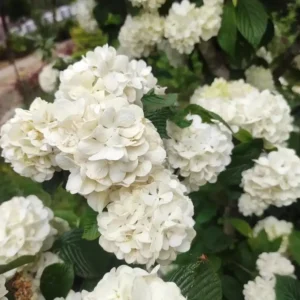
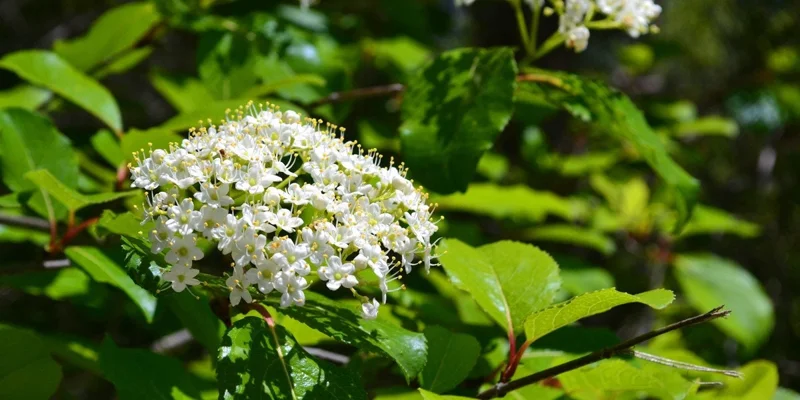
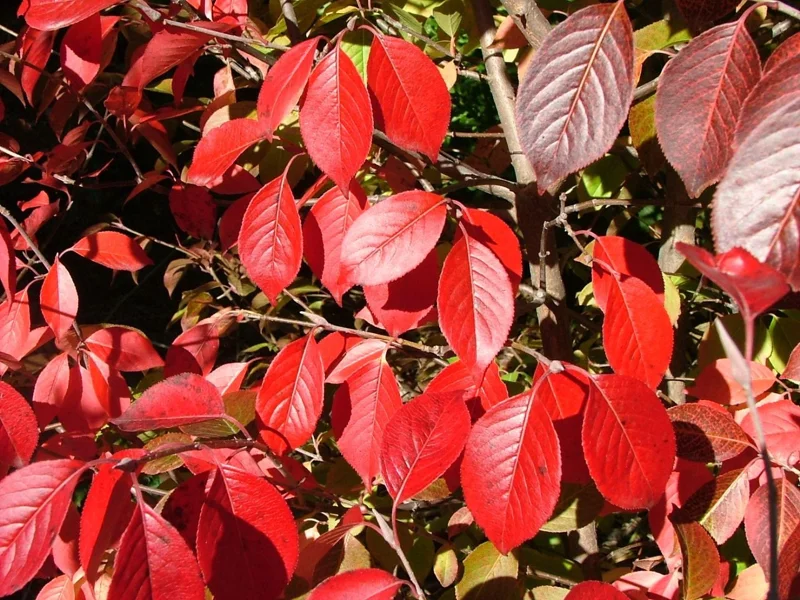
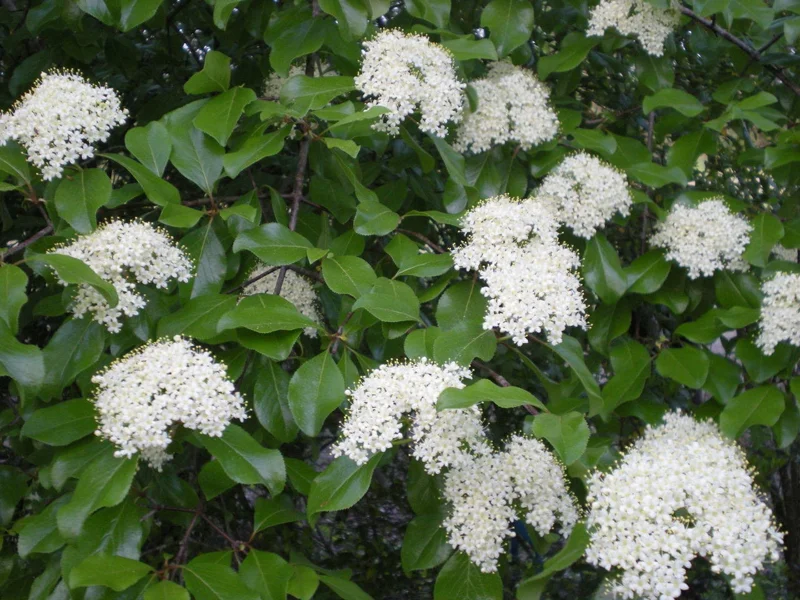
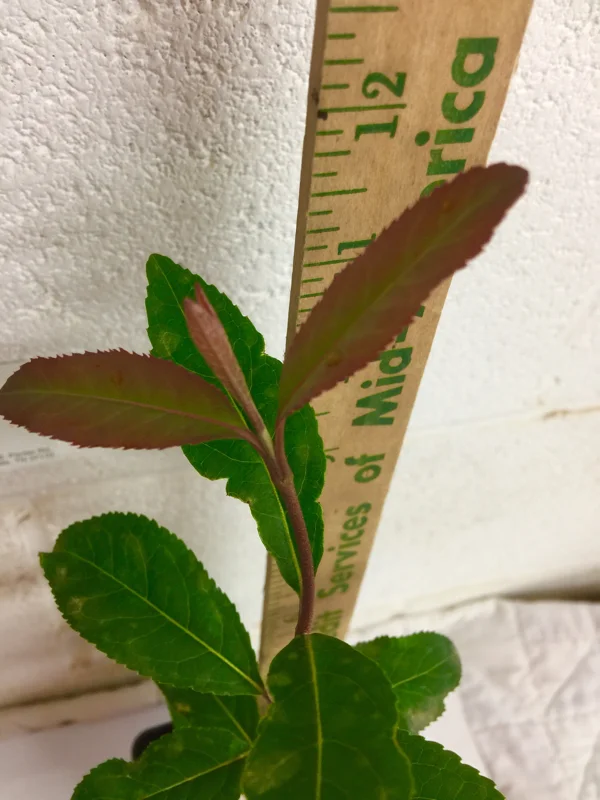
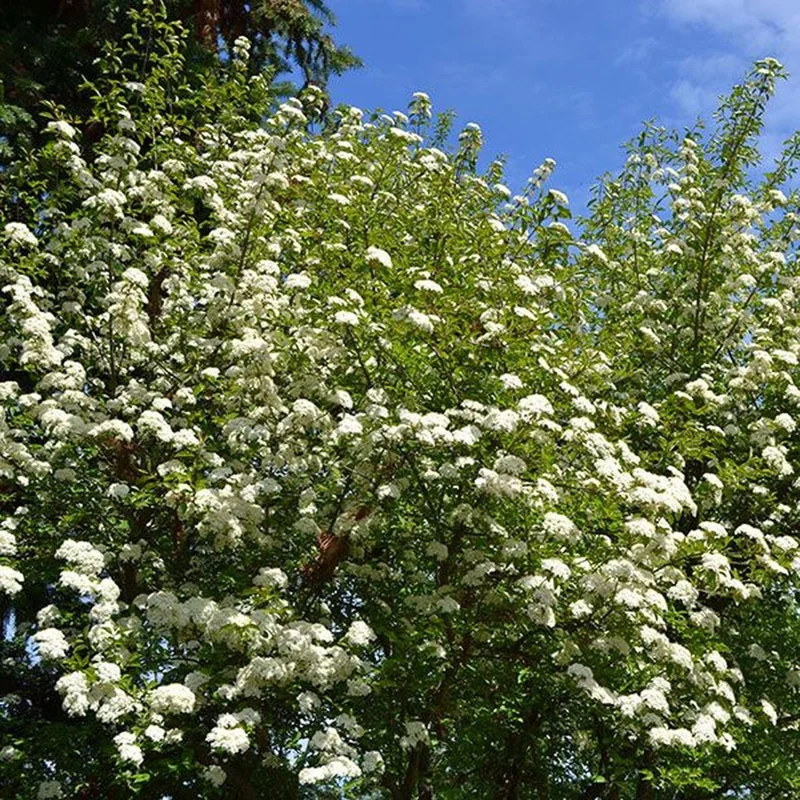
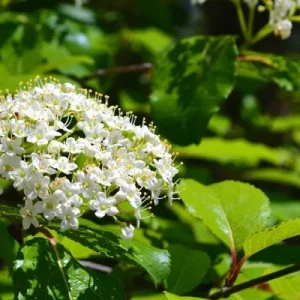
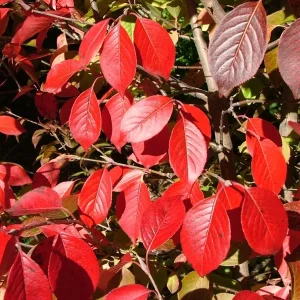
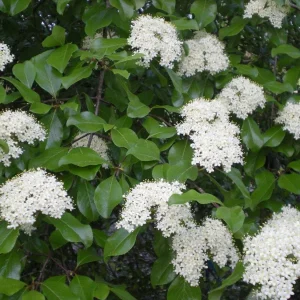
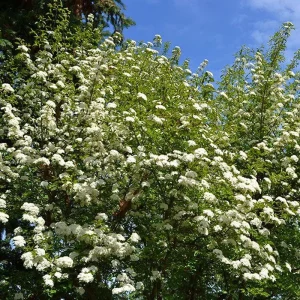
Introduce natural beauty and ecological value to your garden with the Blackhaw Viburnum live plant (Viburnum prunifolium). This exceptional deciduous shrub is celebrated for its rounded, upright growth habit, making it an excellent choice for a variety of landscape applications, from creating a dense privacy hedge to serving as a striking individual specimen. Originating from eastern North America, the Blackhaw Viburnum live plant is a testament to resilience and charm, offering a dynamic display through every season. It begins its show in spring with clusters of flat white flowers, transitioning to yellow berries that mature into a deep blue-black, providing a vital food source for birds and an ingredient for preserves. Its dark green, finely toothed foliage transforms into spectacular shades of red and purple in autumn, ensuring continuous visual interest.
The Blackhaw Viburnum is a multi-stemmed shrub that reaches impressive heights of 12-15 feet with a spread of approximately 5 feet, creating a substantial presence in any garden. Known for its adaptability and hardiness, it thrives across a broad range of climates, specifically in USDA Zones 3-9. This makes it a favored choice for gardeners seeking a low-maintenance yet high-impact plant. Beyond its aesthetic appeal, this plant also supports local ecosystems by providing food and shelter for wildlife, solidifying its role as a valuable addition to any garden design.
Key Benefits
The Blackhaw Viburnum live plant offers a multitude of benefits that extend beyond its visual appeal, making it a truly valuable asset for any landscape. Its robust nature and seasonal transformations contribute significantly to a vibrant and thriving garden environment.
- Seasonal Visual Interest: Enjoy a captivating display throughout the year. Flat white flower clusters emerge in spring, followed by berries that change from yellow to dark blue-black, and finally, dark green foliage that turns a brilliant red/purple in autumn. This continuous cycle ensures your garden remains dynamic and engaging.
- Wildlife Attraction: The dark blue-black berries are highly desirable to birds, providing a crucial food source and encouraging diverse avian life in your garden. This makes the Blackhaw Viburnum live plant an excellent choice for wildlife-friendly landscapes.
- Versatile Landscaping Use: With its rounded, upright growth form, this viburnum is perfect for various applications. Plant it individually as a specimen plant to highlight its unique beauty, or group several together to create an attractive and effective tall hedge or privacy screen.
- Edible Berries: The mature blue-black berries are not only a treat for birds but can also be harvested and used by humans in preserves, adding a unique culinary dimension to your garden.
- Hardy & Adaptable: Thriving in a wide range of climates, the Blackhaw Viburnum is hardy in USDA Zones 3-9. This resilience makes it suitable for many regions and ensures it can withstand various environmental conditions, providing a robust and long-lasting plant.
- Low Maintenance: Once established, this shrub requires minimal care, making it an ideal choice for both experienced and novice gardeners looking for a beautiful yet easy-to-manage plant.
- Native Plant Benefits: As a native species, Viburnum prunifolium shrub is well-adapted to local conditions and contributes to the biodiversity of your region, supporting native pollinators and wildlife.
Plant Care & Growing Tips
Caring for your Blackhaw Viburnum live plant is straightforward, ensuring it thrives and graces your garden with its beauty for many years. This hardy viburnum is relatively low-maintenance, but understanding its basic needs will help you maximize its growth and performance. For optimal fruiting, cross pollination is needed for reliable fruit production, so planting two or three shrubs is recommended to ensure ample berry development.
Sunlight Requirements: The Blackhaw Viburnum prefers full sun to partial shade. For the best flowering and fruiting, aim for at least 6 hours of direct sunlight per day. While it can tolerate some shade, too much shade may result in fewer flowers and berries, and a less dense growth habit. Soil Type and Watering: This shrub is adaptable to a variety of soil types but thrives best in well-drained, average to moist soils. It can tolerate both sandy and clay soils, but amending heavy clay with organic matter can improve drainage and aeration. Once established, it is fairly drought-tolerant, but regular watering during dry spells will encourage healthier growth. Ensure the soil remains consistently moist but not waterlogged, especially during its establishment period.
Temperature Range and USDA Hardiness Zone: The Blackhaw Viburnum is exceptionally hardy, suitable for USDA Zones 3-9. It can withstand cold winters and hot summers within this range. Fertilization: Generally, this shrub does not require heavy fertilization. A balanced slow-release fertilizer applied in spring can be beneficial, especially for young plants or those in poor soil. Avoid over-fertilizing, which can promote excessive foliage growth at the expense of flowers and fruit. Pruning: Prune in late winter or early spring to remove any dead, damaged, or crossing branches. You can also prune to maintain shape or control size. Since flowers develop on old wood, avoid heavy pruning in late spring or summer if you want to ensure a good bloom and berry set. Addressing common issues like powdery mildew or aphids can be managed with organic sprays or by ensuring good air circulation. A healthy hardy Viburnum for hedge will largely resist pest and disease pressures.
Size & Details
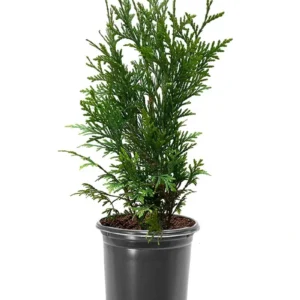
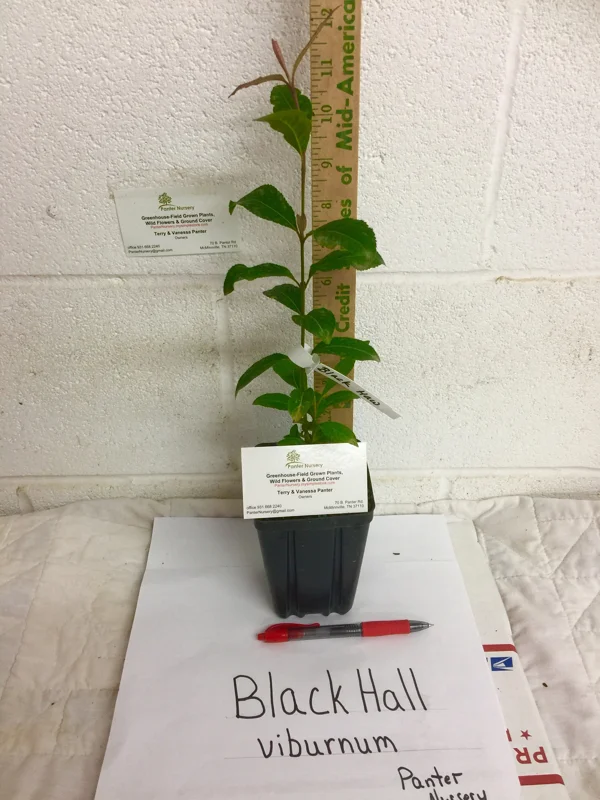
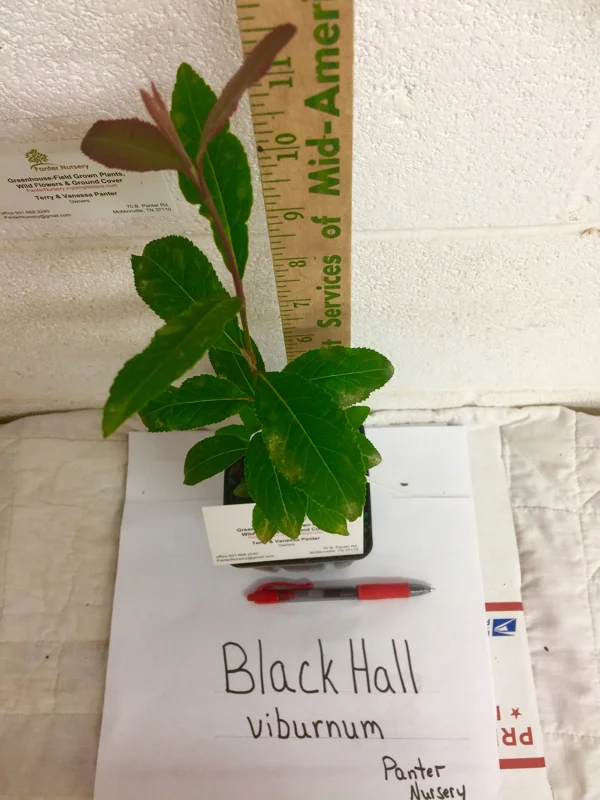
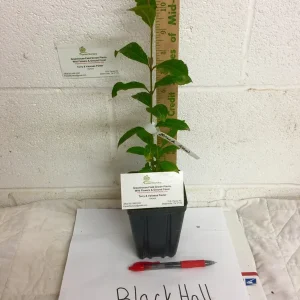
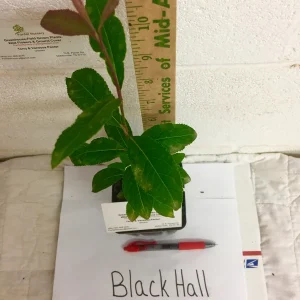
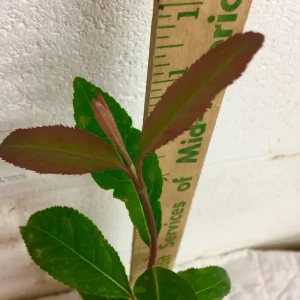
This offering includes one Blackhaw Viburnum live plant, which typically measures 6-12 inches tall upon arrival. It is carefully grown and shipped in a 4-inch nursery pot, providing a healthy root system ready for transplanting into your garden. The Blackhaw Viburnum (Viburnum prunifolium) is known for its moderate growth rate, establishing itself well within the first year. Over time, this multi-stemmed shrub will mature to an impressive height of 12-15 feet with a spread of approximately 5 feet, creating a significant presence in your landscape. Its rounded, upright form makes it an ideal candidate for both specimen planting and creating a natural, tall hedge. The plant’s hardy nature ensures it will thrive and flourish, offering vibrant seasonal interest for many years.
The berries, which are desirable to birds, appear after the spring bloom and transition from yellow to a deep blue-black. For optimal fruit production, it is recommended to plant two or three shrubs to facilitate cross-pollination. This ensures a bountiful harvest of berries, enhancing the plant’s ecological value and visual appeal. This Viburnum prunifolium shrub is a long-lived plant, providing enduring beauty and habitat support in your garden.
Frequently Asked Questions
- Q: How big does this Blackhaw Viburnum plant get? A: The Blackhaw Viburnum live plant typically reaches a mature height of 12-15 feet with a spread of around 5 feet. It has a rounded, upright growth habit, making it a substantial shrub for most landscapes.
- Q: Is this an indoor or outdoor plant? A: The Blackhaw Viburnum is an outdoor shrub, perfectly suited for garden beds, hedges, or as a specimen plant in USDA Zones 3-9. It is not intended for indoor cultivation.
- Q: How much sunlight does the Blackhaw Viburnum need? A: This plant thrives in full sun to partial shade, ideally receiving at least 6 hours of direct sunlight daily for best flowering and fruiting. More shade may reduce bloom and berry production.
- Q: Is this plant easy to care for? A: Yes, the Blackhaw Viburnum is considered a low-maintenance plant once established. It’s adaptable to various soil types and fairly drought-tolerant, making it suitable for gardeners of all experience levels.
- Q: What condition will the Blackhaw Viburnum arrive in? A: Your Blackhaw Viburnum live plant will arrive 6-12 inches tall, planted in a 4-inch nursery pot, with a healthy root system ready for planting.
- Q: When is the best time to plant a Blackhaw Viburnum? A: The best time to plant is typically in spring or fall, allowing the plant to establish its root system before extreme summer heat or winter cold.
- Q: Will the berries attract birds? A: Yes, the blue-black berries produced by the Blackhaw Viburnum are highly attractive to birds, providing a valuable food source and enhancing wildlife activity in your garden. This makes it an excellent native shrub for birds.
- Q: What is the purpose of planting multiple Blackhaw Viburnums? A: While the flowers are self-fertile, cross-pollination significantly increases fruit production. Planting two or three Viburnum prunifolium shrub plants is recommended for ample berry development.
- Q: What kind of fall color does this plant have? A: The foliage of the Blackhaw Viburnum turns beautiful shades of red and purple in autumn, providing striking seasonal interest to your landscape.
- Q: Can the berries be used for human consumption? A: Yes, the mature blue-black berries of the Blackhaw Viburnum can be used to make preserves, adding a unique and edible element to your garden.


Reviews
There are no reviews yet.