Overview
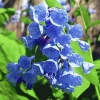
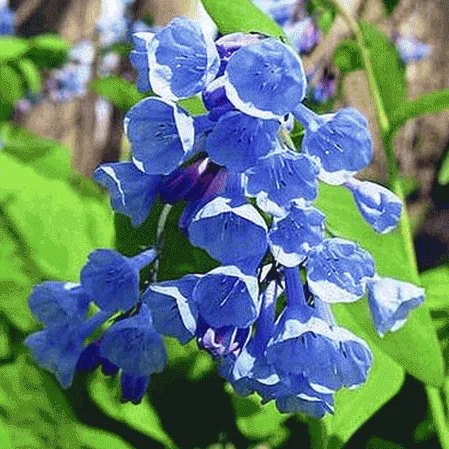
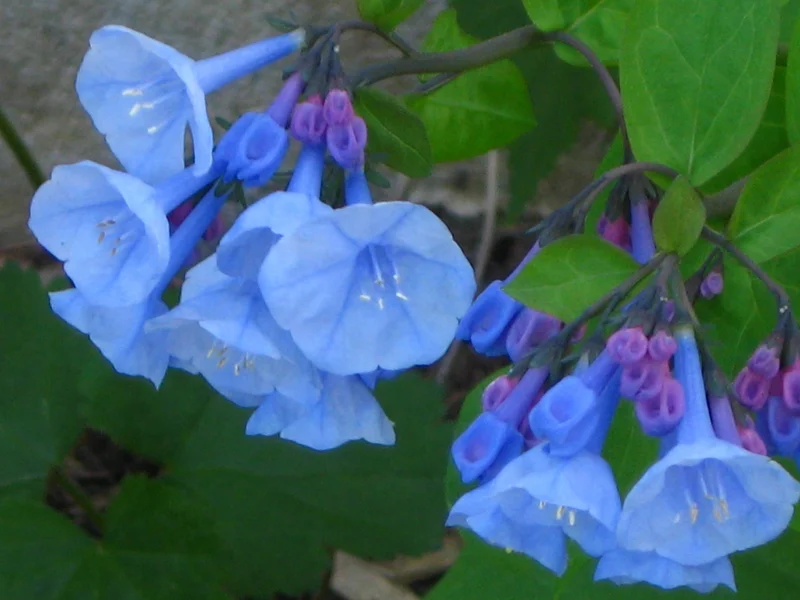
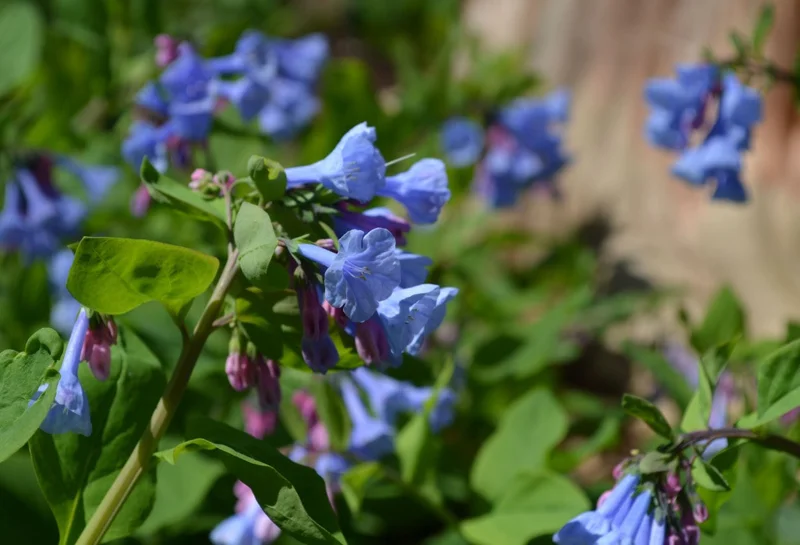
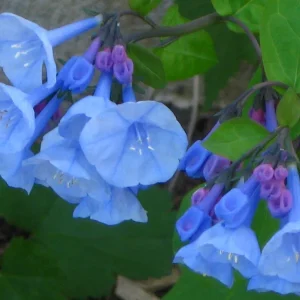
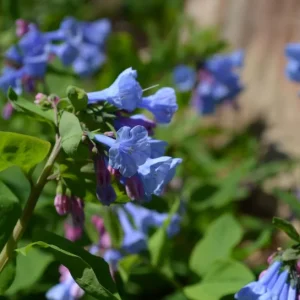
Introduce the delicate beauty of native flora to your landscape with these premium Virginia Bluebell bare roots. Each purchase includes 5 healthy bare roots of Mertensia virginica, commonly known as Virginia Bluebell. These enchanting wildflowers are a true herald of spring, unfurling their leaves and blossoms from March to June. Beginning as charming pink buds, their unique bell-shaped flowers mature into a captivating sky blue, creating a serene and picturesque display in dappled light. Perfect for woodland gardens, naturalized areas, or shaded borders, Virginia Bluebell bare roots are a low-maintenance choice for gardeners seeking early season charm and ecological benefit.
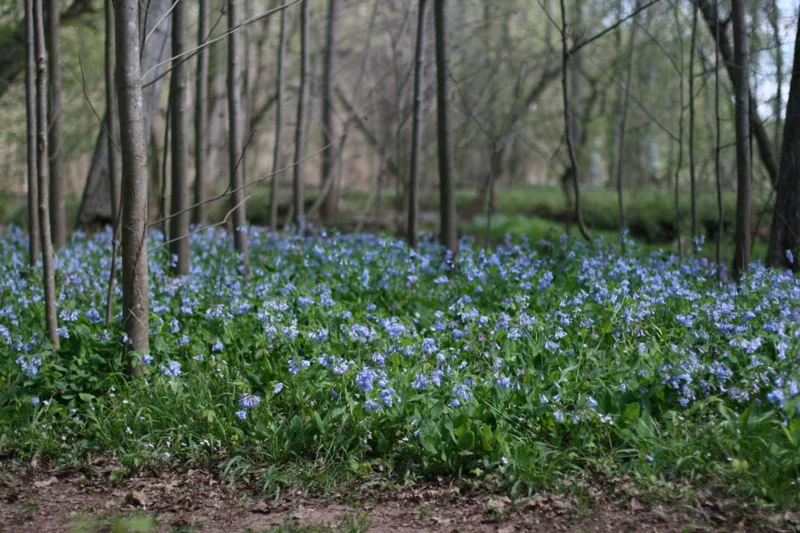
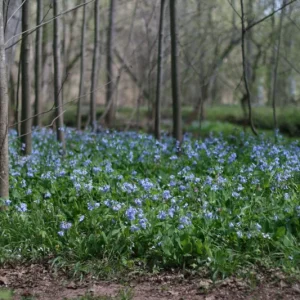
As a shade-loving plant, Mertensia virginica thrives in conditions where many other flowering plants struggle, making it an invaluable addition to challenging garden spots. These resilient plants are known for their ability to naturalize and spread gently over time, forming delightful colonies that return faithfully each year. Their ephemeral nature means they will go dormant in late spring or early summer after flowering, leaving space for later-season plants to shine. This natural cycle makes them an excellent companion for ferns, hostas, and other shade-tolerant perennials.
Key Benefits
The Virginia Bluebell bare roots offer a multitude of advantages for any gardener looking to enhance their outdoor space with native beauty and effortless charm. These benefits extend beyond their stunning visual appeal:
- Early Spring Bloom: Enjoy a burst of beautiful blue flowers from March to June, providing much-needed color after winter’s dormancy. The blooms start out pink and gracefully transition to a lovely blue, offering an evolving display.
- Shade Tolerance: Perfectly suited for shaded areas of your garden where many other plants struggle to thrive. These wildflowers are ideal for woodland gardens, under deciduous trees, or on the north side of buildings, bringing life to dim corners.
- Attracts Pollinators: The bell-shaped flowers are a favorite among early spring pollinators, including bees and butterflies, contributing to the biodiversity and health of your garden ecosystem. Planting Virginia Bluebell bare roots supports local wildlife.
- Low Maintenance: Once established, these plants require minimal care. They are relatively pest and disease resistant and will naturalize over time, spreading gently to create a stunning carpet of blue without aggressive invasiveness.
- Hardy and Resilient: These bare roots are hardy in USDA Zones 4-9, demonstrating excellent cold tolerance and adaptability to a wide range of climates. Their robust nature ensures they return year after year, providing reliable beauty.
- Ephemeral Beauty: The unique characteristic of going dormant in summer allows for successional planting, enabling other perennials to take over the display as the season progresses. This creates a dynamic and ever-changing garden landscape.
- Naturalizing Potential: Over time, these Virginia Bluebell bare roots will multiply and spread, creating a naturalized look that is perfect for informal gardens, woodland settings, and areas where you want a soft, natural aesthetic.
Plant Care & Growing Tips
Caring for your Virginia Bluebell bare roots is straightforward, making them an excellent choice for both novice and experienced gardeners. These wildflowers prefer a location with partial to full shade. While they can tolerate some morning sun, intense afternoon sun can scorch their delicate foliage and shorten their bloom time. Aim for a spot that receives filtered light throughout the day or deep shade with a few hours of indirect light. Good air circulation is also beneficial to prevent fungal issues.
When it comes to soil, Virginia Bluebell thrives in moist, well-draining soil that is rich in organic matter. A peaty, sandy soil mix is ideal, as it provides the necessary moisture retention while allowing excess water to drain away. Avoid heavy clay soils that can become waterlogged, as this can lead to root rot. If your soil is poor, amend it with compost or leaf mold prior to planting. Once established, maintain consistent moisture, especially during dry spells, but be careful not to overwater. During their dormant period in summer, less water is required.
These plants are hardy in USDA Zones 4-9. They are quite tolerant of different atmospheres but do best when protected from extreme heat. Mature height typically ranges from 24-30 inches. Fertilization is generally not heavily required if planted in rich soil. However, a light application of a balanced, slow-release granular fertilizer in early spring can promote vigorous growth and blooming. Common problems are few, but watch out for slugs and snails, which can be deterred with organic baits or barriers. Ensuring proper drainage is key to preventing most issues. For a healthy and thriving display, follow this bluebell planting guide carefully.
Size & Details
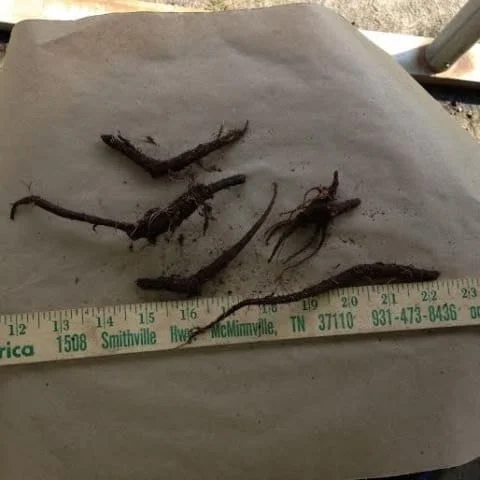
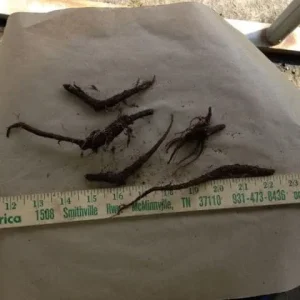
This offering includes 5 individual Virginia Bluebell bare roots, ready for planting. Bare roots are a cost-effective and efficient way to establish perennial wildflowers in your garden. Upon arrival, the bare roots should be planted as soon as possible to ensure the best establishment. Each root contains the vital energy stores needed to sprout and grow into a mature plant. The plants will typically reach a mature height of 24-30 inches, forming an upright clump of foliage topped with their characteristic bell-shaped flowers.
Expect bloom time to be from March to June, providing a spectacular display of blue and pink flowers in succession. These plants are known for their medium growth rate and will gradually spread through self-seeding and rhizomatous growth, creating a beautiful naturalized effect over several years. They are shipped as dormant bare roots, which is the ideal state for transplanting and minimizes transplant shock. This method ensures your Mertensia virginica will establish robustly in its new home, ready to emerge with the first signs of spring. This pack of 5 makes it easy to start a substantial patch of these beloved wildflowers.
Frequently Asked Questions
- Q: How big does this plant get? A: Virginia Bluebell typically grows to a mature height of 24-30 inches, creating a lovely mid-height layer in your shade garden. They form an upright clump of foliage and flowers.
- Q: Is this an indoor or outdoor plant? A: Virginia Bluebell bare roots are best suited for outdoor planting. They are hardy wildflowers that thrive in natural garden settings, especially in shaded or woodland areas.
- Q: How much sunlight does it need? A: These plants prefer partial to full shade. They do best with filtered sunlight throughout the day or a few hours of morning sun, avoiding harsh afternoon sun. This ensures optimal growth and flowering for your Virginia Bluebell.
- Q: Is this plant easy to care for? A: Yes, Virginia Bluebell is considered low-maintenance once established. It requires consistent moisture in well-draining soil and a shaded location. They are a great choice for beginners looking for a beautiful wildflower.
- Q: What condition will it arrive in? A: Your order will arrive as 5 dormant Virginia Bluebell bare roots. This is the optimal state for planting and ensures the best chance of successful establishment in your garden.
- Q: How long until it blooms? A: If planted in the fall or early spring, you can expect your Virginia Bluebell bare roots to bloom in their first spring season, typically from March to June, depending on your climate zone.
- Q: When is the best time to plant? A: The best time to plant Virginia Bluebell bare roots is in the fall or very early spring, before new growth begins. This allows the roots to establish well before the plant expends energy on foliage and flowers. This bluebell planting guide suggests these times for best results.
- Q: Will it survive winter in my zone? A: Yes, Virginia Bluebell is hardy in USDA Zones 4-9, meaning it is well-equipped to survive cold winters and will reliably return each spring.
- Q: What type of soil does it prefer? A: These wildflowers thrive in moist, well-draining soil that is rich in organic matter. A peaty or sandy loam is ideal, ensuring good drainage while retaining necessary moisture for the Virginia Bluebell.
- Q: Does this plant attract wildlife? A: Absolutely! The early spring blooms of Virginia Bluebell are a vital nectar source for early emerging pollinators like bees and butterflies, making them a wonderful addition to a wildlife-friendly garden.


Reviews
There are no reviews yet.