Overview
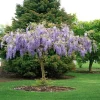
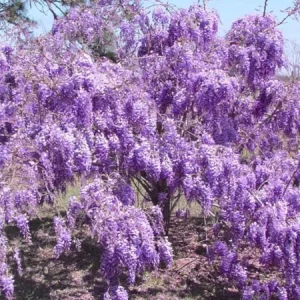
Transform your garden into a fragrant paradise with the magnificent purple wisteria live plant. This stunning flowering vine is renowned for its spectacular cascades of large, purple blossoms that emerge in abundance each spring. Imagine the breathtaking beauty and intoxicating aroma of a wisteria-covered trellis, reminiscent of grand estates. This versatile plant can be trained to climb fences and arbors, creating a lush, living wall, or even pruned into a striking specimen tree. Its vigorous growth and captivating fragrance make it a highly sought-after addition for any landscape, offering a truly immersive sensory experience. Whether you’re looking to add vertical interest, create a shaded retreat, or simply enjoy its natural splendor, this fragrant wisteria plant is an excellent choice for gardeners seeking both visual appeal and a delightful scent.
Wisteria, a genus of flowering plants in the legume family, is native to China, Korea, Japan, and the Eastern United States. Known for its robust growth and long-lived nature, Wisteria floribunda is a popular choice for its impressive floral displays. The ‘Purple Wisteria’ variety combines hardy characteristics with vibrant color and a truly enchanting perfume, making it a garden favorite. It’s a plant that promises to deliver a dramatic impact, year after year, becoming a focal point in any garden design.
Key Benefits
The purple wisteria live plant offers a multitude of benefits, making it an exceptional choice for enhancing your outdoor space:
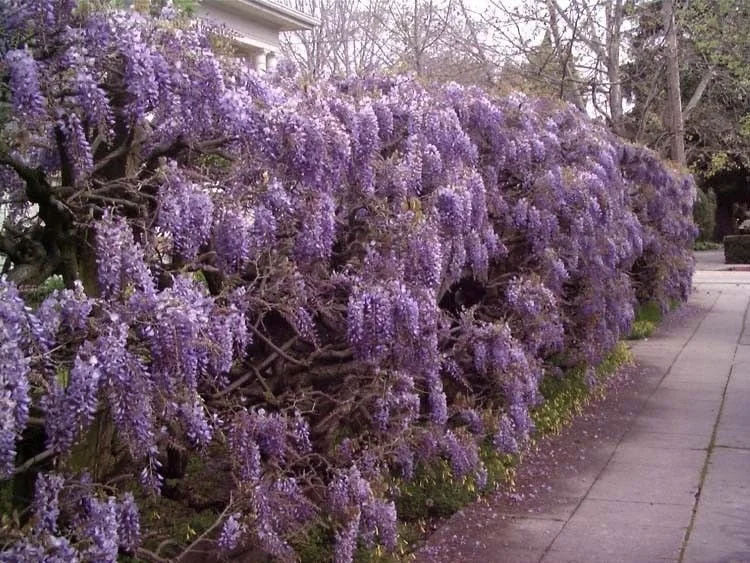
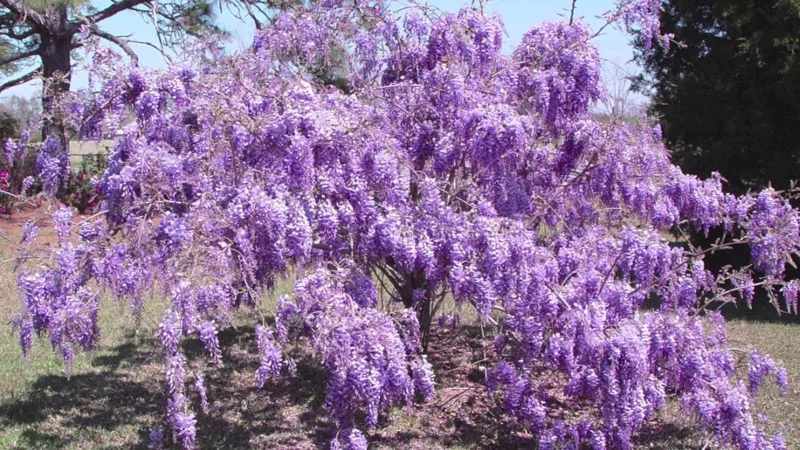
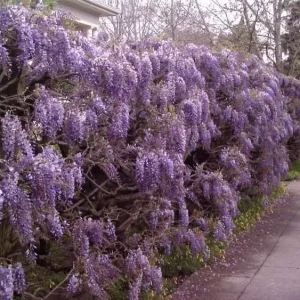
- Spectacular Spring Blooms: Enjoy an explosion of large, pendulous clusters of purple flowers every spring, creating a truly dramatic visual display. These blooms are a classic sign of spring’s arrival and provide unparalleled beauty.
- Intoxicating Fragrance: Fill your garden with the delightful scent of lavender and gardenia. The profound fragrance of this fragrant wisteria plant can drift across your yard, enhancing your outdoor living experience.
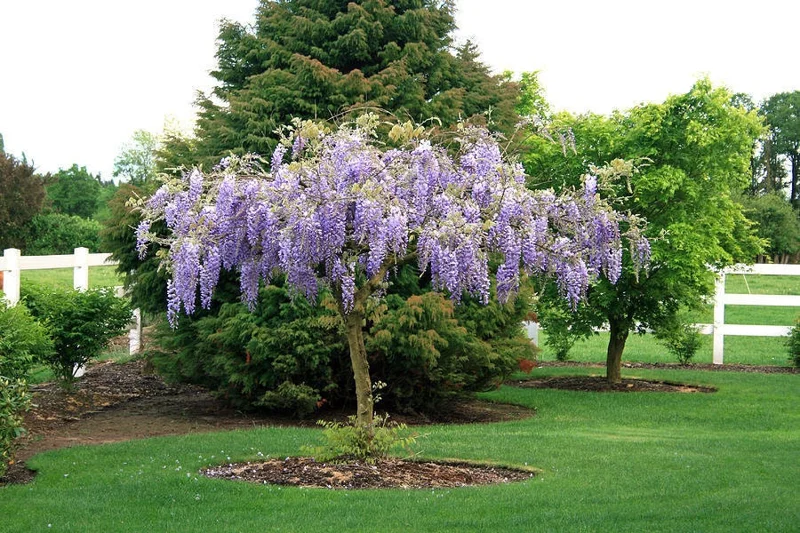
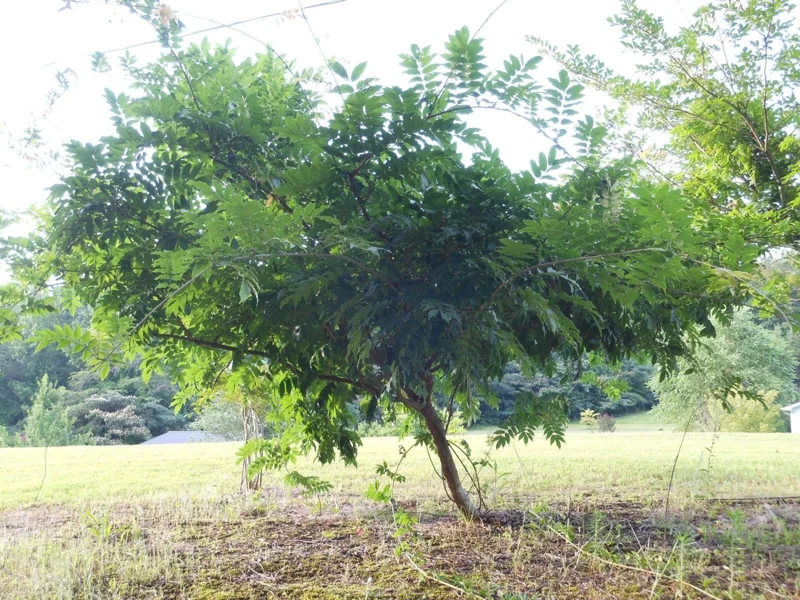
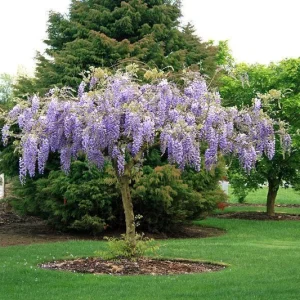
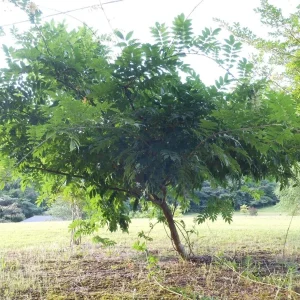
- Versatile Growth Habit: Train this wisteria as a climbing vine on trellises, pergolas, fences, or arbors to create elegant vertical accents. Alternatively, prune it into a stunning, freestanding wisteria tree, adding a unique architectural element to your landscape. This versatility makes growing wisteria tree an exciting project.
- Vigorous Growth: This robust vine is a fast grower, quickly establishing itself and providing ample coverage and beauty. It can reach impressive heights, offering shade and privacy.
- Hardy and Adaptable: Tolerant of a wide range of soil conditions, from sand to clay, and capable of withstanding drought and salt air once established. It thrives in various climates, making it a reliable choice for many gardeners.
- Attracts Pollinators: The vibrant flowers are a magnet for bees and other beneficial pollinators, contributing to a healthy garden ecosystem.
- Long-Lived Beauty: Wisteria plants are known for their longevity, providing decades of enjoyment and becoming a cherished part of your garden’s heritage.
Plant Care & Growing Tips
Caring for your purple wisteria live plant is relatively straightforward, especially with proper initial planting and ongoing maintenance. For optimal flowering, wisteria requires full sun exposure, meaning at least 6 hours of direct sunlight per day. While it can tolerate partial shade in hotter southern climates, abundant blooms are best achieved in full sun. Ensure good air circulation around the plant to prevent fungal issues. Choose a location with well-draining soil; wisteria is adaptable to various soil types, from sandy to clay, but it dislikes consistently wet feet. Amend heavy clay soils with organic matter to improve drainage.
Water young wisteria plants regularly to establish a strong root system. Once established, this vine is quite drought-tolerant, but consistent watering during prolonged dry spells will promote healthier growth and better flowering. Fertilize sparingly; wisteria tends to produce more foliage than flowers if over-fertilized, especially with high-nitrogen formulas. A balanced, slow-release fertilizer in early spring, or one with a higher phosphorus content, can encourage blooms. The plant is hardy in wisteria zones 4-9, making it suitable for a broad range of climates across the US. Protect young plants from harsh winter winds in colder zones.
Pruning is crucial for prolific flowering and maintaining the desired shape, whether you’re training a wisteria vine care system or encouraging a tree form. Prune twice a year: once in late winter/early spring to remove dead or crossing branches and shorten last year’s growth, and again in mid-summer to cut back whippy new growth to a few buds. This promotes the development of flowering spurs. Regular pruning also helps manage the vigorous growth of the vine and prevents it from overwhelming structures. With proper care, your wisteria will reward you with spectacular floral displays for many years.
Size & Details
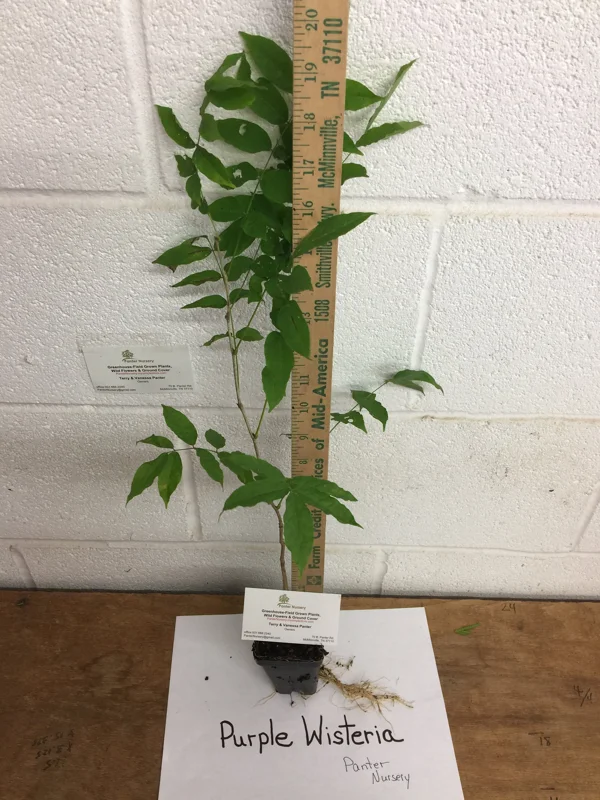
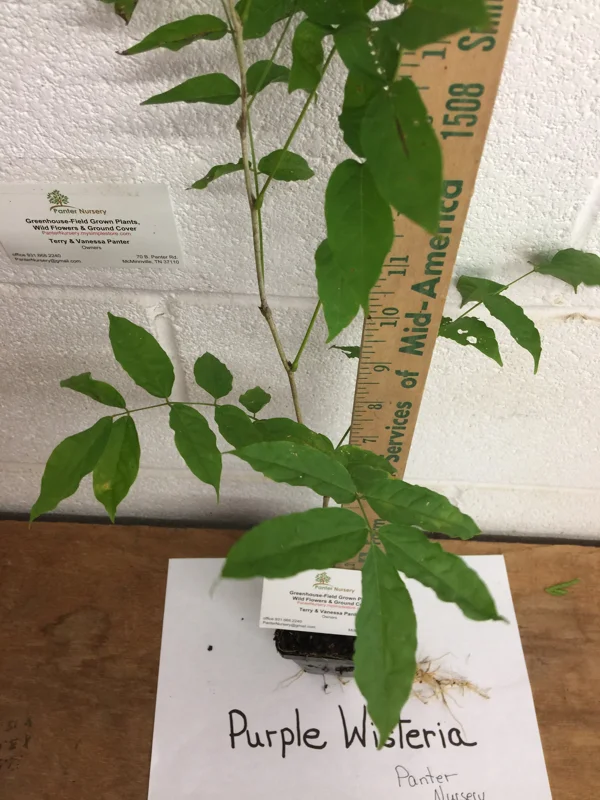
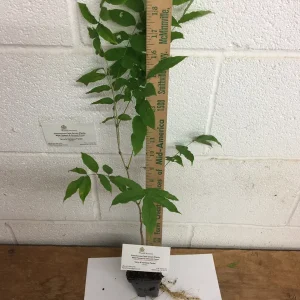
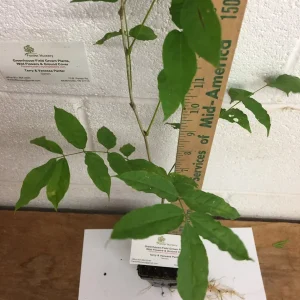
This offering is for one purple wisteria live plant, provided in a 3-inch pot, ready for planting. These young plants have established root systems, allowing for a smooth transition to your garden. Wisteria is a vigorous grower, capable of reaching impressive sizes. When trained along a fence, it can grow 20-30 feet in height, requiring spacing of approximately 4-5 feet between plants for optimal coverage. If you’re interested in growing wisteria tree, these plants can be trained into a beautiful specimen form, developing a strong trunk and a rounded canopy over time. Expect the first significant blooms to appear within a few years of planting, with increasing abundance as the plant matures. Its robust nature and adaptability mean it will quickly become a prominent feature in your landscape.
Frequently Asked Questions
- Q: How big does this purple wisteria get? A: When trained as a vine, it can reach heights of 20-30 feet. If trained as a tree, its size will depend on pruning, but it can develop into a substantial specimen with a wide canopy.
- Q: What size pot does it come in? A: This purple wisteria live plant is shipped in a 3-inch nursery pot, providing a healthy start for your garden.
- Q: Is this an indoor or outdoor plant? A: Wisteria is primarily an outdoor plant, thriving in garden settings where it can climb or be trained as a tree. It requires significant sunlight and space to flourish.
- Q: How much sunlight does it need? A: For the best floral display, wisteria prefers full sun, meaning at least 6 hours of direct sunlight daily. It can tolerate partial shade, especially in hotter climates, but flowering may be less abundant.
- Q: Is this plant easy to care for? A: Once established, wisteria is relatively low-maintenance. The most critical aspect of wisteria vine care is regular pruning to encourage flowering and manage its vigorous growth.
- Q: What condition will it arrive in? A: Your wisteria will arrive as a healthy, live plant in its 3-inch pot, carefully packaged to ensure its safe journey to your home.
- Q: How long until it blooms? A: Wisteria typically begins to bloom within 2-5 years after planting, with flowering becoming more prolific as the plant matures and establishes itself in your garden.
- Q: When is the best time to plant wisteria? A: Spring or early fall are generally the best times to plant wisteria, allowing the roots to establish before extreme temperatures.
- Q: Will it survive winter in my zone? A: This wisteria is hardy in wisteria zones 4-9, meaning it can withstand winter temperatures in these regions. Protection for young plants in the colder end of this range might be beneficial.
- Q: What type of soil does wisteria prefer? A: Wisteria is adaptable to a wide range of well-draining soils, from sandy to clay. Good drainage is key to preventing root rot.


Reviews
There are no reviews yet.