Overview
Bring the beauty of nature to your landscape with this exquisite river birch live plant. Known botanically as Betula nigra, the river birch live plant is a versatile and attractive deciduous tree prized for its distinctive exfoliating bark, which peels back to reveal shades of cinnamon, salmon, and brown. This multi-stem variety offers a striking architectural form, enhancing any garden with its graceful presence. Adaptable and robust, the multi-stem river birch is an excellent choice for a variety of settings, from riverbanks to suburban yards, providing year-round visual interest and a captivating focal point.
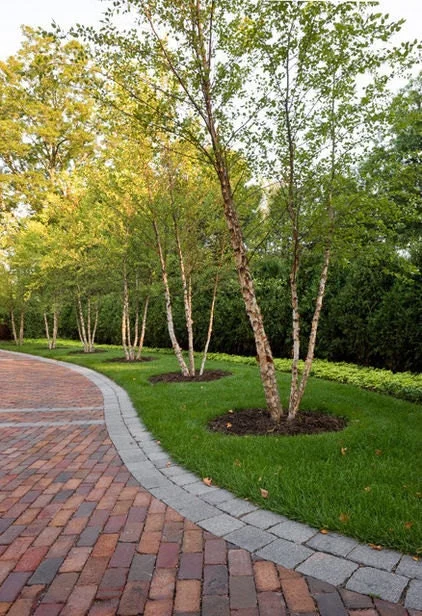
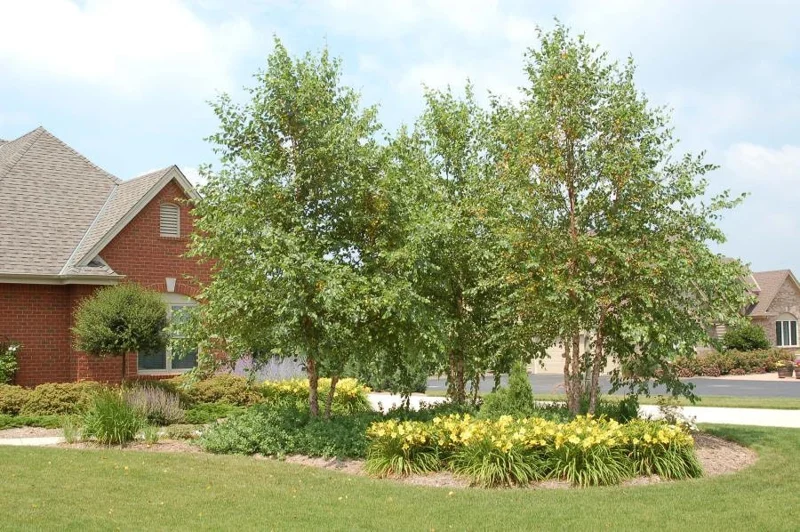
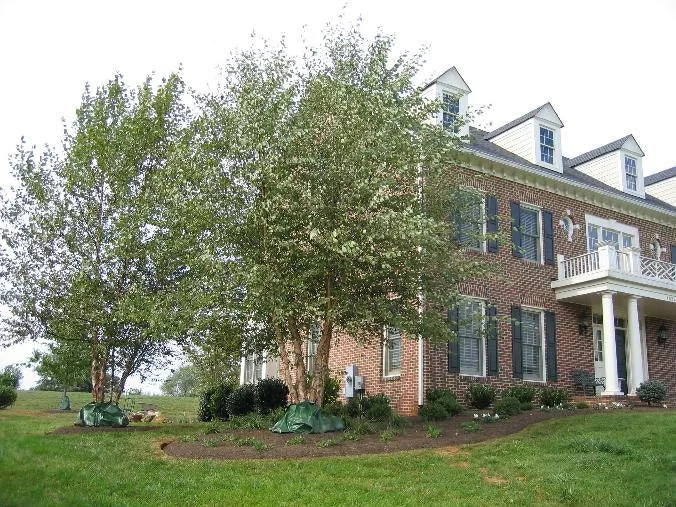
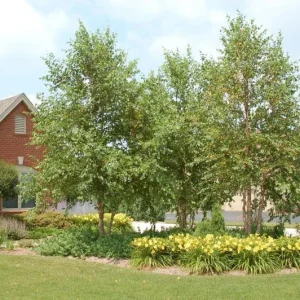
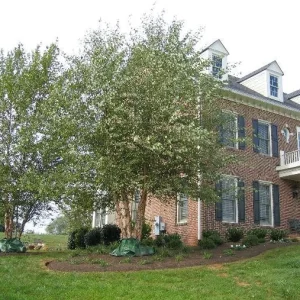
The River Birch, as its name implies, thrives naturally in moist environments but is remarkably tolerant of a wide range of conditions, including some drought once established. Its relatively rapid growth rate makes it a popular selection for those looking to quickly establish a mature landscape. The unique curling bark and spreading limbs create an elegant silhouette, particularly beautiful in winter against a snowy backdrop. This adaptable tree can be planted individually as a specimen tree or in multiples to create a stunning clump appearance, offering both shade and visual appeal.
Key Benefits
The river birch live plant offers numerous advantages for any landscape, combining aesthetic appeal with environmental benefits and ease of care. Choosing a betula nigra tree means investing in a resilient and beautiful addition to your outdoor space.
- Unique Ornamental Bark: Features beautiful exfoliating bark that peels in layers, revealing rich colors like cinnamon, salmon, and creamy brown, providing year-round visual interest. This distinctive characteristic makes the river birch live plant a standout in any garden.
- Rapid Growth Rate: Known for its relatively fast growth, allowing for quicker establishment of shade and landscape impact compared to many other tree species.
- Adaptable to Various Soils: While preferring moist, well-drained soil, the River Birch is tolerant of both wet conditions and some drought once established, making it suitable for diverse planting sites.
- Hardy & Resilient: Thrives in USDA Zones 4-9, demonstrating excellent cold hardiness and general resilience against common tree diseases and pests.
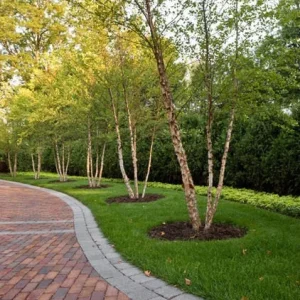
- Versatile Landscaping Use: Ideal for use as a specimen tree, planted in clumps for a naturalized look, or along water features. Its spreading limbs offer excellent shade. For effective river birch landscaping, consider its mature size.
- Low Maintenance: Once established, the betula nigra tree requires minimal care, making it a great choice for both experienced gardeners and beginners.
- Wildlife Attraction: Provides habitat and food for various wildlife, including birds, enhancing biodiversity in your garden.
Plant Care & Growing Tips
Caring for your river birch live plant is straightforward, ensuring it thrives and becomes a magnificent feature in your landscape. This resilient tree, also known as betula nigra tree, adapts well to various conditions, but providing optimal care will encourage the best growth and bark development. For those interested in river birch care, understanding its basic needs is key.
Sunlight Requirements: The River Birch prefers full sun to partial shade, meaning at least 4-6 hours of direct sunlight per day. In hotter climates, some afternoon shade can be beneficial to prevent leaf scorch. Ensure your planting location provides adequate light for vigorous growth. Watering Schedule & Soil Moisture: It’s crucial to keep the soil consistently moist, especially during the first few years after planting and during dry spells. River Birches are naturally found near water sources, so they appreciate ample moisture. Water deeply and regularly, allowing the top inch or two of soil to dry slightly between waterings, but never allowing the root ball to completely dry out. Good drainage is still important to prevent root rot, even though it tolerates wet feet.
Soil Type & Drainage: This tree is adaptable to a range of soil types but thrives best in moist, acidic, well-draining loam. If your soil is heavy clay, amending it with organic matter can improve drainage and aeration. For optimal river birch care, ensure the soil pH is slightly acidic (4.5 to 6.5) to prevent chlorosis (yellowing of leaves). Temperature Range & USDA Hardiness Zone: The multi-stem river birch is hardy in USDA Zones 4-9, making it suitable for a broad range of climates across the United States. It can tolerate cold winters and warm summers. Fertilization: Fertilize in early spring with a balanced, slow-release granular fertilizer formulated for trees and shrubs. Follow package directions for application rates based on the tree’s size. Avoid over-fertilizing, which can harm the tree. Pruning: Prune in late summer or early fall to remove dead, diseased, or crossing branches. Avoid pruning in late winter or early spring when the sap is running, as this can cause excessive bleeding. Pruning can also be done to shape the tree or maintain a desired size for your river birch landscaping.
Size & Details
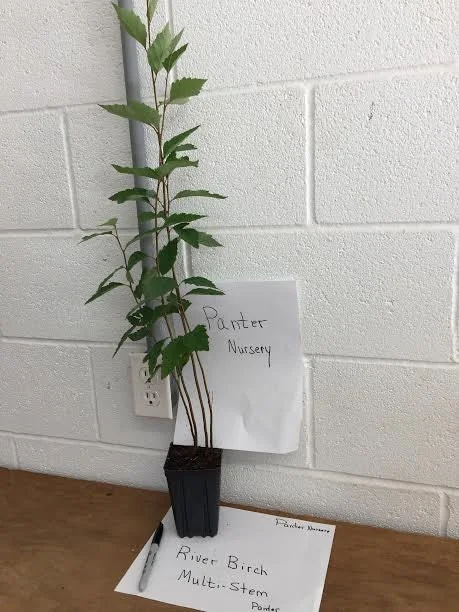
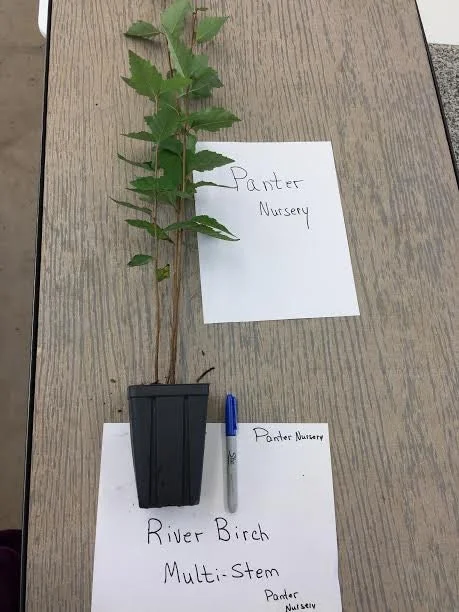
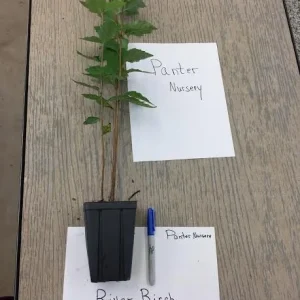
This offering is for one river birch live plant, shipped in a 1 quart pot, with a height ranging from approximately 12 to 18 inches at the time of shipment. As a relatively fast-growing deciduous tree, the Betula nigra can achieve impressive mature dimensions. When fully grown, a multi-stem river birch typically reaches a height of 40-70 feet with a spread of 40-60 feet, creating a substantial canopy that provides excellent shade and visual impact for river birch landscaping. The growth rate is considered medium to fast, allowing it to establish quickly in your garden.
The tree is hardy in USDA Zones 4-9, indicating its ability to withstand a broad range of temperatures. It will arrive as a young, actively growing plant, ready for transplanting into your garden or a larger container. With proper river birch care, you can expect this young tree to develop its characteristic exfoliating bark and spreading limbs, becoming a magnificent feature in your landscape over time. Planting it in a location where it has ample space to grow is crucial for its long-term health and development.
Frequently Asked Questions
- Q: How big does this plant get? A: This river birch live plant is shipped 12-18 inches tall in a 1 qt pot. At maturity, a betula nigra tree can reach 40-70 feet in height with a spread of 40-60 feet, so ensure it has ample space for growth.
- Q: Is this an indoor or outdoor plant? A: The River Birch is an outdoor tree, suitable for planting in gardens and landscapes within USDA Zones 4-9. It is not intended for indoor cultivation.
- Q: How much sunlight does it need? A: A multi-stem river birch thrives in full sun to partial shade, ideally receiving at least 4-6 hours of direct sunlight daily. In very hot climates, some afternoon shade can be beneficial.
- Q: Is this plant easy to care for? A: Yes, once established, the river birch live plant is relatively low-maintenance. Its adaptability to various soil conditions and moisture levels makes river birch care quite manageable for most gardeners.
- Q: What condition will it arrive in? A: Your River Birch will arrive as a healthy, actively growing young plant in a 1 quart pot, carefully packaged to ensure its safe transit.
- Q: When is the best time to plant a river birch? A: The best time for river birch landscaping is typically in spring or early fall, allowing the tree to establish its root system before extreme summer heat or winter cold.
- Q: Will it survive winter in my zone? A: The River Birch is hardy in USDA Zones 4-9. If you are within these zones, your betula nigra tree should successfully overwinter and return in spring.
- Q: Can I plant multiple river birches for a clump appearance? A: Absolutely! Planting multiple multi-stem river birch trees close together is a popular way to create a natural, clumping effect, enhancing the visual appeal of your landscape.
- Q: What type of soil does a river birch prefer? A: While adaptable, the River Birch prefers moist, acidic, well-draining loam. Good soil conditions are important for optimal river birch care and growth.
- Q: How often should I water my newly planted river birch? A: For the first year or two, keep the soil consistently moist. Water deeply several times a week, especially during dry periods, to help the river birch live plant establish a strong root system.


Reviews
There are no reviews yet.