Overview
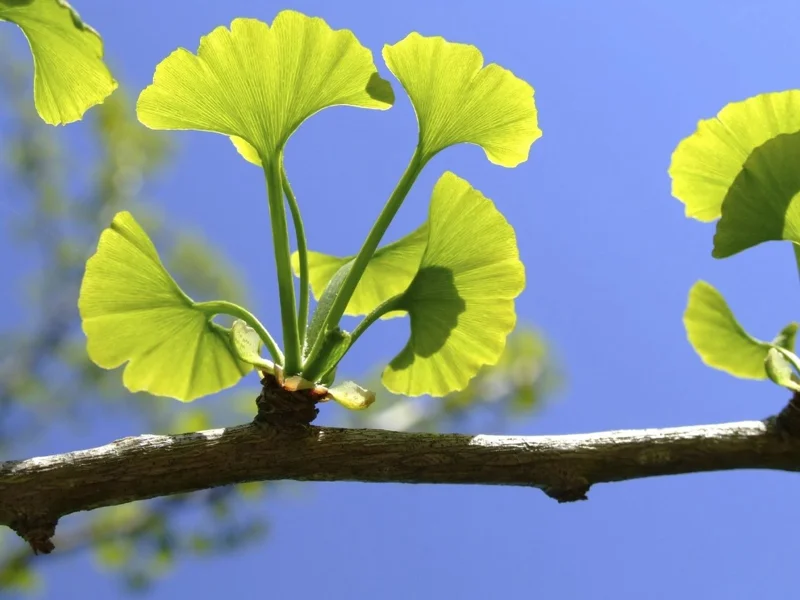
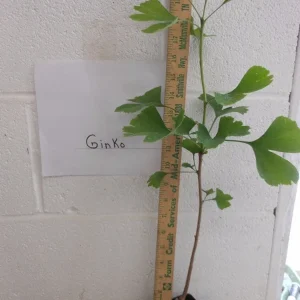
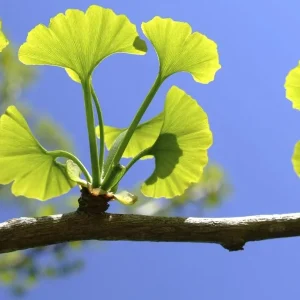
Introduce a truly ancient and remarkable specimen to your garden with the Ginkgo Biloba live tree. Often referred to as the Maidenhair tree due to its distinctive, fan-shaped leaves that resemble maidenhair fern fronds, this plant is a living fossil, the sole surviving species of its order. Native to China, the Ginkgo Biloba is celebrated for its incredible longevity, some specimens living for over a thousand years. This offering is for a young Ginkgo Biloba live tree, approximately 6-12 inches in height, established in a 1-quart pot, ready for planting in your outdoor space. Known for its adaptability and striking golden fall foliage, the Ginkgo Biloba is a popular choice for both urban and suburban landscapes, providing unique aesthetic appeal and historical significance.
The Ginkgo Biloba is a deciduous tree that thrives in a wide range of conditions, making it an excellent choice for various garden settings. Its unique leaf shape and vibrant autumn color make it a focal point in any landscape. Beyond its beauty, this Maidenhair tree is also highly resistant to pests and diseases, and surprisingly tolerant of air pollution, which is why it’s often seen thriving in city environments. This makes it a fantastic, low-maintenance option for gardeners seeking a resilient and visually captivating tree.
Key Benefits
The Ginkgo Biloba live tree offers a multitude of benefits, from its unique aesthetic to its remarkable hardiness, making it a valuable addition to any landscape. Its distinctive features and robust nature ensure it will be a cherished part of your garden for generations.
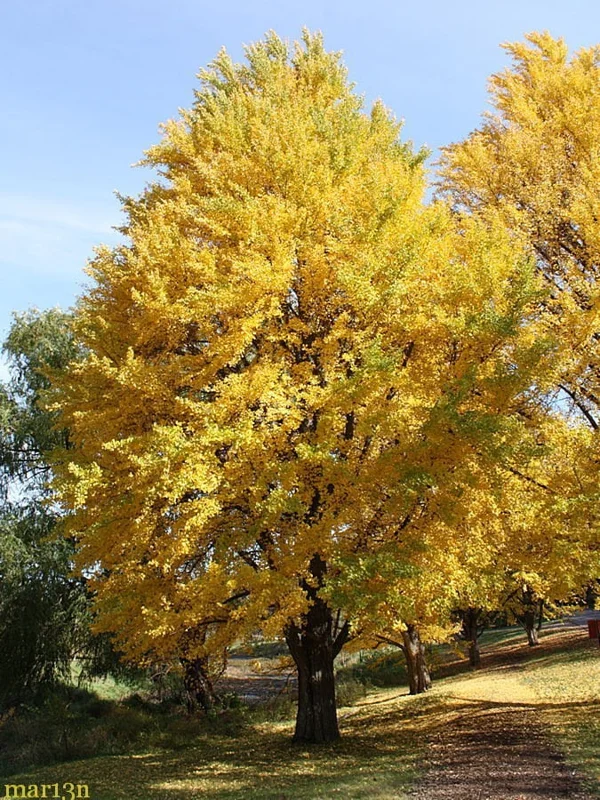
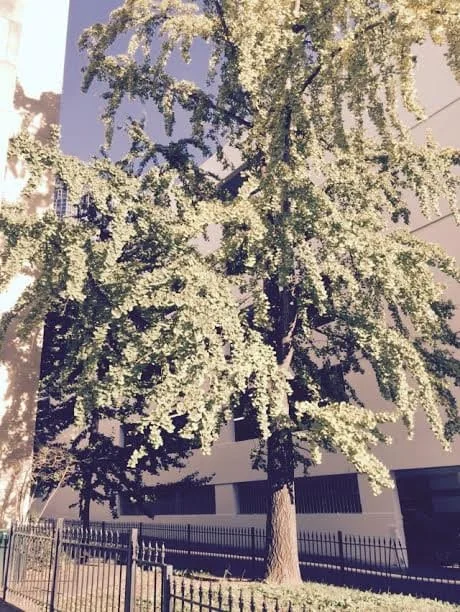
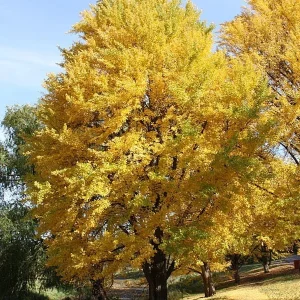
- Unique Foliage: The fan-shaped leaves, reminiscent of a duck’s foot or a maidenhair fern, provide an unusual and captivating visual interest throughout the growing season. In autumn, these leaves turn a brilliant golden-yellow, creating a spectacular display.
- Exceptional Hardiness: The Maidenhair tree is incredibly resilient, tolerant of urban pollution, a wide range of soil conditions, and even compacted or saline soils. It’s a tough tree that can adapt to many challenging environments.
- Deer Tolerant: A significant advantage for many gardeners, this tree is known to be very deer tolerant, meaning you won’t have to worry as much about browsing damage. This makes it a great choice if you’re looking for a deer tolerant tree.
- Pest and Disease Resistant: Ginkgo trees are remarkably free from serious insect problems or diseases, contributing to their low-maintenance nature and long lifespan.
- Long Lifespan: Known as a living fossil, the Ginkgo Biloba can live for a thousand years or more, offering a legacy tree for future generations.
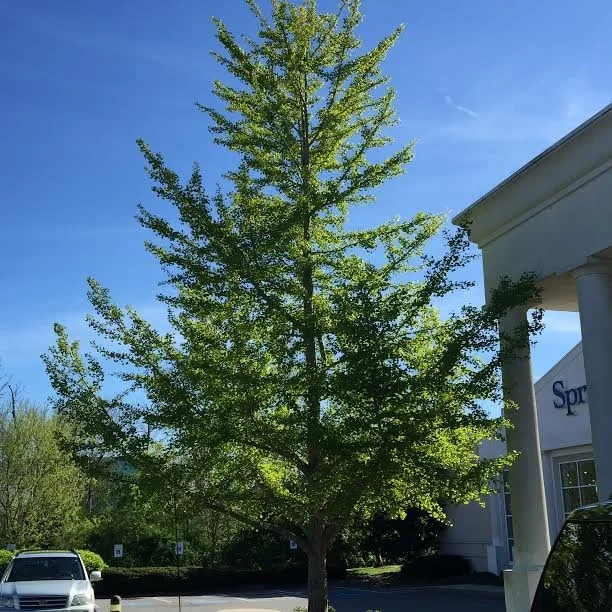
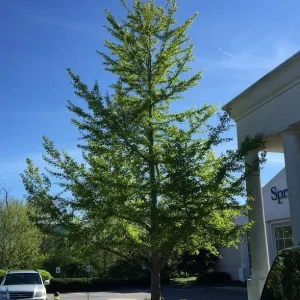
- Versatile Landscape Use: Excellent as a lawn tree, street tree, or shade tree. Its upright growth habit and moderate spread make it suitable for city parks or near commercial buildings, as well as residential gardens.
- Easy to Grow: Once established, the Ginkgo Biloba live tree is relatively easy to care for, thriving with minimal intervention and rewarding gardeners with its enduring beauty.
Plant Care & Growing Tips
Caring for your Ginkgo Biloba live tree is straightforward, thanks to its robust and adaptable nature. To ensure optimal growth and health, understanding its basic requirements for sunlight, soil, water, and climate is key. This Maidenhair tree prefers a location with full sun exposure, meaning at least six hours of direct sunlight per day. While it can tolerate some partial shade, full sun will encourage stronger growth and the most vibrant fall color. Ensure the planting site has good air circulation to prevent any potential fungal issues, though these are rare for Ginkgos.
Regarding soil, the Ginkgo Biloba is highly tolerant of a wide range of conditions, including both alkaline and acidic soils, and even compacted soils. However, it will perform best in moist, sandy, and well-drained soil. Avoid continuously waterlogged conditions, as this can lead to root rot. Once established, this tree is quite drought-tolerant, but young trees will benefit from consistent moisture. Water deeply once or twice a week during dry periods, ensuring the soil is moist but not soggy. A layer of mulch around the base of the tree can help retain soil moisture and regulate temperature. For those interested in Ginkgo Biloba plant care, remember that these trees are generally low-feeders and may not require regular fertilization, especially if planted in fertile soil. If your soil is poor, a balanced slow-release fertilizer in early spring can be beneficial.
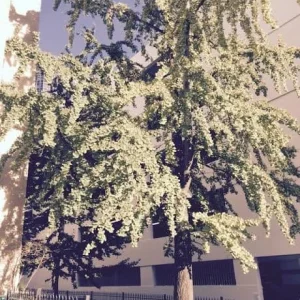
The Ginkgo Biloba live tree is incredibly hardy and thrives in USDA Zones 3-8. It can withstand a broad spectrum of temperatures, from cold winters to hot summers. Its adaptability extends to urban environments, where it tolerates air pollution and heat stress remarkably well. Pruning is generally minimal, mainly to remove dead, damaged, or crossing branches, or to shape the tree for aesthetic purposes. The average growth rate is about 6-12 inches per year, eventually reaching impressive heights of 50 to 80 feet with a spread of 30-40 feet. With proper planting and minimal care, your Ginkgo tree for sale will flourish and become a majestic landscape feature.
Size & Details
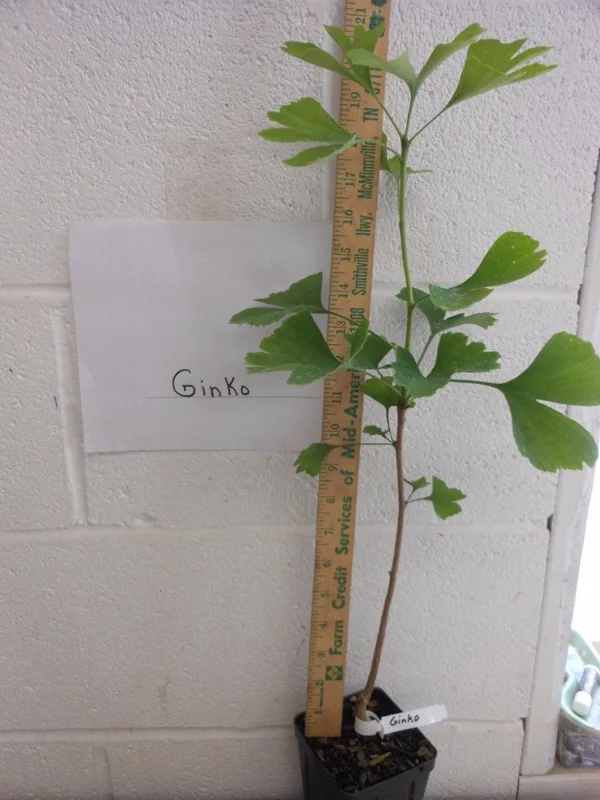
This offering is for one Ginkgo Biloba live tree, currently measuring between 6-12 inches in height. It is carefully grown and shipped in a 1-quart nursery pot, ensuring the root system is well-established and ready for transplanting. The young tree will arrive with healthy foliage, prepared to adapt to its new environment. The average growth per year for a Ginkgo Biloba is approximately 6-12 inches, allowing it to reach a mature height of 50 to 80 feet and a spread of 30-40 feet over many years. This makes it an excellent long-term investment for providing significant shade and structural interest in your garden.
The Maidenhair tree is known for its slow to medium growth rate, ensuring it won’t outgrow its space too quickly in its early years. Its robust root system and strong branching habit contribute to its overall resilience and ability to withstand various environmental stressors. When you receive your Ginkgo Biloba live tree, it will be a young, vibrant specimen, ready to embark on its journey of growth in your landscape, eventually becoming a magnificent, long-lived shade tree or specimen plant.
Frequently Asked Questions
- Q: How big does this plant get? A: This young Ginkgo Biloba live tree is currently 6-12 inches tall. At maturity, it can reach impressive heights of 50 to 80 feet with a spread of 30-40 feet, making it a magnificent shade tree.
- Q: What size pot does it come in? A: The Maidenhair tree you are purchasing comes in a 1-quart nursery pot, providing a healthy root system for successful transplanting.
- Q: Is this an indoor or outdoor plant? A: The Ginkgo Biloba live tree is an outdoor tree that requires a significant amount of space to grow. It is not suitable for long-term indoor cultivation.
- Q: How much sunlight does it need? A: This tree thrives in full sun, meaning it needs at least 6 hours of direct sunlight per day. It can tolerate partial shade but will exhibit the best growth and fall color in full sun.
- Q: Is this plant easy to care for? A: Yes, the Ginkgo Biloba is considered very easy to care for once established. It is known for its resilience and tolerance to various conditions, making Ginkgo Biloba plant care relatively low maintenance.
- Q: What condition will it arrive in? A: Your Ginkgo Biloba live tree will arrive as a healthy, actively growing specimen in its 1-quart pot, with its root system intact and ready for planting.
- Q: Is the Ginkgo Biloba a deer tolerant tree? A: Yes, the Ginkgo Biloba is highly regarded as a deer tolerant tree. Deer typically avoid browsing its foliage, making it a good choice for areas with deer activity.
- Q: When is the best time to plant a Ginkgo tree? A: Spring or early fall are generally the best times to plant a Ginkgo tree for sale, allowing the tree to establish its root system before extreme temperatures.
- Q: Will it survive winter in my zone? A: The Ginkgo Biloba is extremely hardy and can survive winters in USDA Zones 3-8, adapting well to a wide range of climates.
- Q: Does this tree have any serious pest or disease problems? A: No, one of the great advantages of the Ginkgo Biloba is its strong resistance to most common insect pests and diseases, contributing to its longevity and ease of care.


Reviews
There are no reviews yet.