Overview
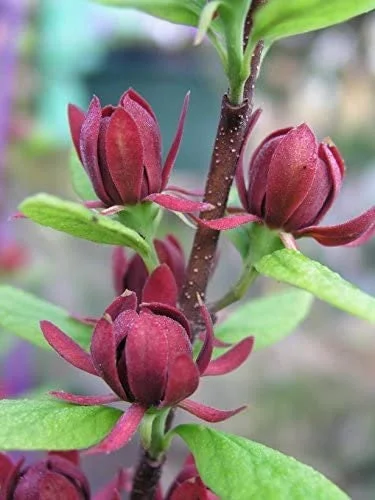
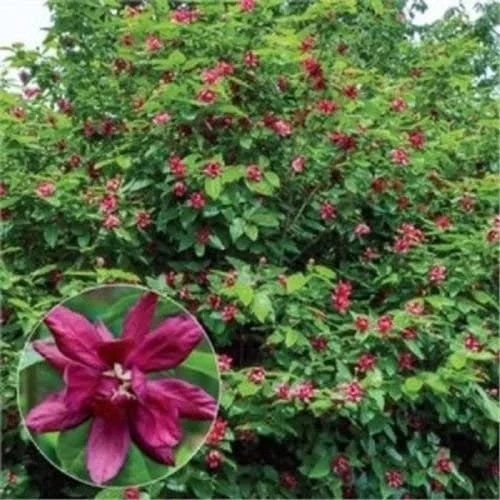
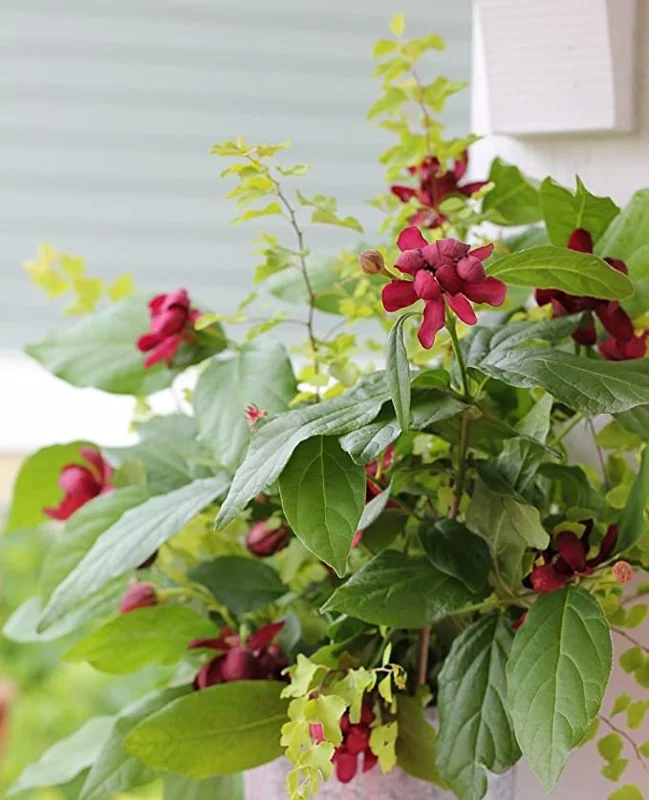
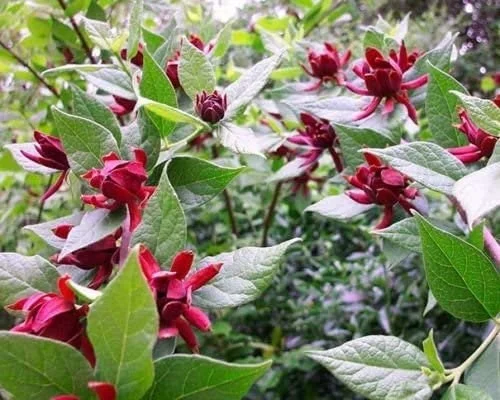
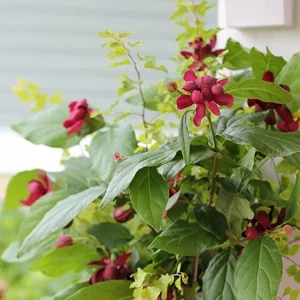
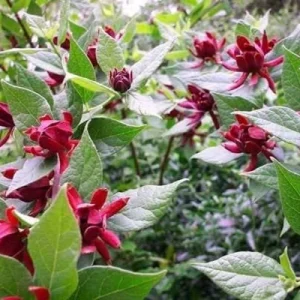
Bring an exceptional sensory experience to your garden with the Carolina Allspice Shrub, also known by its botanical name, Calycanthus floridus, or Eastern Sweet Shrub. This remarkable live plant is celebrated for its intensely fragrant dark red blooms, which emerge in late spring to early summer, offering a unique, sweet, and spicy aroma that is often compared to pineapple, strawberry, or even bubblegum. Beyond its captivating flowers, the Carolina Allspice Shrub boasts glossy, aromatic, leathery, dark-green foliage that adds texture and interest throughout the growing season. This deciduous shrub forms a rounded outline with multiple erect stems, making it an excellent choice for a specimen plant, mixed border, or foundation planting. It’s a truly distinctive addition that guarantees to be a conversation starter and a delight for the senses.
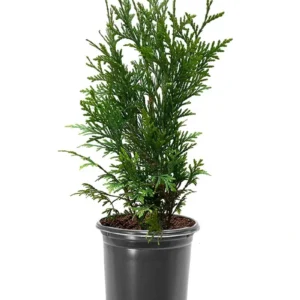
Our Carolina Allspice Shrub arrives as a healthy, established plant in a 1 quart pot, typically standing 6-18 inches tall, ready to be planted in your garden. This hardy shrub is well-suited for a wide range of climates, thriving in USDA Hardiness Zones 5-9. Its low-maintenance nature and unique characteristics make it a favorite among gardeners seeking both beauty and fragrance. The leaves turn a lovely yellow in the fall, providing additional seasonal interest before dropping for winter. Plant this resilient Calycanthus floridus plant to enjoy its unique beauty and enchanting fragrance for years to come.
Key Benefits
The Carolina Allspice Shrub offers a multitude of benefits that make it a highly desirable plant for any garden. Its unique attributes contribute to both aesthetic appeal and environmental enrichment, making it a valuable addition to your landscape.
- Exceptional Fragrance: One of the primary draws of the Carolina Allspice Shrub is its highly aromatic flowers. The deep red, strap-like petals release a sweet, spicy scent that can perfume an entire area, creating a truly immersive garden experience. This makes it ideal for planting near patios, walkways, or windows where its fragrance can be fully appreciated.
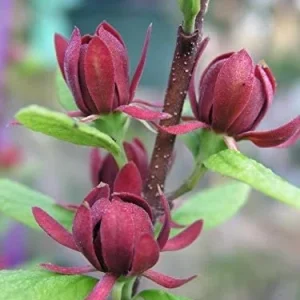
- Unique Dark Red Blooms: The solitary, terminal blossoms are a striking dark red, featuring numerous overlapping, strap-like petals that give them a distinctive, somewhat star-like appearance. These unusual flowers are a visual treat and stand out against the glossy green foliage, providing significant ornamental value.
- Aromatic Foliage: Not just the flowers, but also the leaves of the Carolina Allspice Shrub are aromatic when bruised. This provides a subtle, pleasant scent even when the plant is not in bloom, adding another layer of sensory interest to your garden. The leathery, dark-green leaves maintain their appeal throughout the growing season.
- Hardy and Adaptable: This hardy deciduous shrub is incredibly resilient, thriving in USDA Zones 5-9. It can tolerate a range of soil conditions and is relatively low-maintenance once established, making it suitable for both experienced gardeners and beginners. Its robust nature ensures it will flourish in various garden settings.
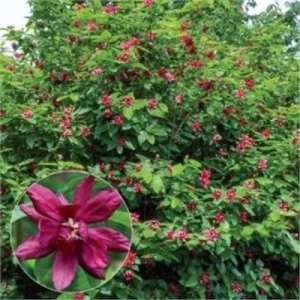
- Attractive Form: With its erect, multiple stems and rounded outline, the Carolina Allspice Shrub creates a tidy and appealing form in the landscape. It can serve as an excellent specimen plant, a backdrop for smaller perennials, or an effective addition to shrub borders, adding structure and elegance.
- Wildlife Attractor: The fragrant flowers of the Calycanthus floridus plant can attract beneficial pollinators to your garden, contributing to a healthy ecosystem. While not a primary nectar source for all pollinators, its unique scent can draw in specific insects, enhancing biodiversity.
- Low Maintenance: Once established, this sweet shrub for garden requires minimal care. It is generally resistant to most pests and diseases, reducing the need for extensive intervention and allowing you to enjoy its beauty with less effort.
Plant Care & Growing Tips
Caring for your Carolina Allspice Shrub is relatively straightforward, making it a rewarding plant for many gardeners. Understanding its basic needs will ensure healthy growth and abundant, fragrant dark red blooms. This deciduous shrub prefers a location that receives full sun to partial shade. In hotter climates, some afternoon shade can prevent leaf scorch, while in cooler regions, more sun will encourage better flowering. Aim for at least 4-6 hours of direct sunlight daily for optimal performance. Well-draining soil is crucial for this plant. It adapts to various soil types, including clay, loam, and sand, but performs best in moist, fertile, organically rich soil. Avoid waterlogged conditions, as this can lead to root rot. If your soil is heavy clay, amend it with compost or other organic matter to improve drainage.
Watering should be consistent, especially during dry periods and in the plant’s first year after planting. Keep the soil evenly moist but not saturated. Once established, the Carolina Allspice Shrub exhibits good drought tolerance, though supplemental watering during prolonged dry spells will be beneficial. Fertilization is generally not heavily required. A balanced, slow-release granular fertilizer applied in early spring can promote vigorous growth, but avoid over-fertilizing. Pruning can be done in late winter or early spring to remove dead, damaged, or crossing branches, and to maintain the desired shape and size. This also helps to encourage new growth and more flowers. This Calycanthus floridus plant is quite resilient, but keep an eye out for common garden pests, though serious issues are rare.
The hardy deciduous shrub is well-suited for USDA Zones 5-9, meaning it can withstand winter temperatures down to -20°F (-28°C). In the colder parts of its range, applying a layer of mulch around the base of the plant in late fall can provide extra insulation for the roots. This also helps to retain soil moisture and suppress weeds throughout the year. When planting, dig a hole twice as wide as the root ball and just as deep. Place the plant so the top of the root ball is level with the soil surface, then backfill with soil, gently tamping to remove air pockets. Water thoroughly after planting. With these simple care instructions, your sweet shrub for garden will thrive and provide years of aromatic enjoyment.
Size & Details
This offering is for one Carolina Allspice Shrub live plant, ready for planting in your garden. The plant is supplied in a 1 quart pot, ensuring a healthy root system for successful establishment. At the time of shipment, the plant typically measures between 6-18 inches in height, providing a substantial start for your landscape project. The Carolina Allspice Shrub is a deciduous plant, meaning it will shed its leaves in the fall and regrow them in the spring. It is a moderate grower, generally reaching a mature height and spread of 6-10 feet, creating a dense, rounded form. Its ultimate size can be managed with light pruning.
Expect the first fragrant dark red blooms to appear in late spring to early summer, usually starting from its second year in the ground, once it’s well-established. The flowers are approximately 2 inches in diameter. This hardy deciduous shrub is a long-lived plant, offering many years of beauty and fragrance. It ships as a potted plant, ensuring minimal transplant shock and a smooth transition to its new home in your garden. The substantial size of the plant in its 1 quart pot provides a head start compared to smaller offerings, allowing it to establish more quickly and begin producing its distinctive blooms sooner. This Calycanthus floridus plant is a fantastic investment for adding perennial beauty and an enchanting aroma to your outdoor space.
Frequently Asked Questions
- Q: How big does this Carolina Allspice Shrub get? A: The Carolina Allspice Shrub typically grows to a mature height and spread of 6-10 feet, forming a dense, rounded shrub. Its size can be maintained with occasional pruning after flowering.
- Q: What size pot does it come in? A: This Carolina Allspice Shrub live plant is shipped in a 1 quart pot, with the plant itself measuring between 6-18 inches tall at the time of delivery. This size ensures a well-developed root system for easy transplanting.
- Q: Is this an indoor or outdoor plant? A: The Carolina Allspice Shrub is an outdoor plant, a hardy deciduous shrub that thrives in garden settings. It is not suitable for indoor cultivation due to its size and light requirements.
- Q: How much sunlight does it need? A: This shrub performs best in full sun to partial shade, ideally receiving at least 4-6 hours of direct sunlight per day. In hotter climates, some afternoon shade can be beneficial to protect the foliage.
- Q: Is this plant easy to care for? A: Yes, the Carolina Allspice Shrub is considered a low-maintenance plant once established. It is quite adaptable and generally resistant to pests and diseases, making it a good choice for gardeners of all experience levels.
- Q: What condition will it arrive in? A: Your Carolina Allspice Shrub will arrive as a healthy, live plant in its 1 quart pot, carefully packaged to ensure it reaches you in excellent condition, ready for planting.
- Q: How long until it blooms? A: While some young plants may produce a few flowers in their first year, the Carolina Allspice Shrub typically begins to bloom more profusely from its second year after planting, once it has established itself in your garden. The fragrant dark red blooms appear in late spring to early summer.
- Q: When is the best time to plant a Calycanthus floridus plant? A: The best time to plant your Carolina Allspice Shrub is in the spring or fall when temperatures are moderate. This allows the plant to establish its root system before the stress of extreme summer heat or winter cold.
- Q: Will this sweet shrub for garden survive winter in my zone? A: Yes, the Carolina Allspice Shrub is a hardy deciduous shrub suitable for USDA Zones 5-9, meaning it is well-equipped to survive winter in these regions. It will lose its leaves in colder months and return in spring.
- Q: What’s the minimum temperature it can withstand? A: This plant is hardy down to USDA Zone 5, which means it can tolerate winter temperatures as low as -20°F (-28°C) once established.


Reviews
There are no reviews yet.