Overview
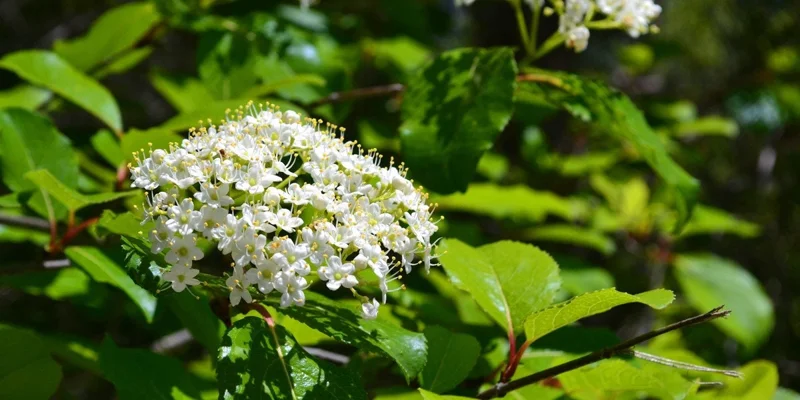
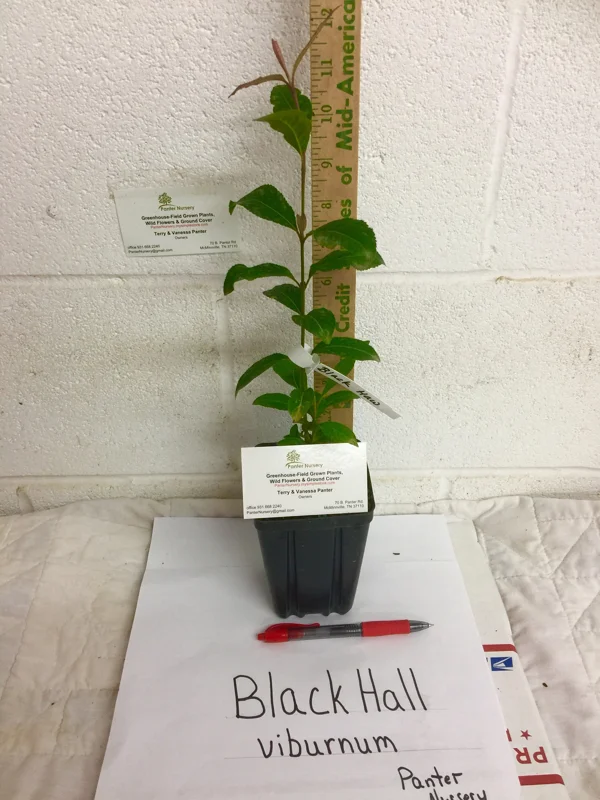
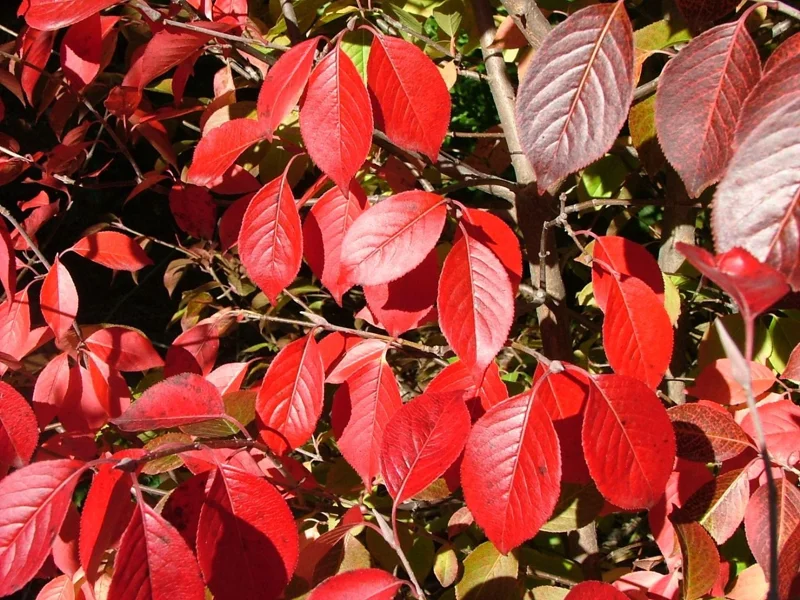
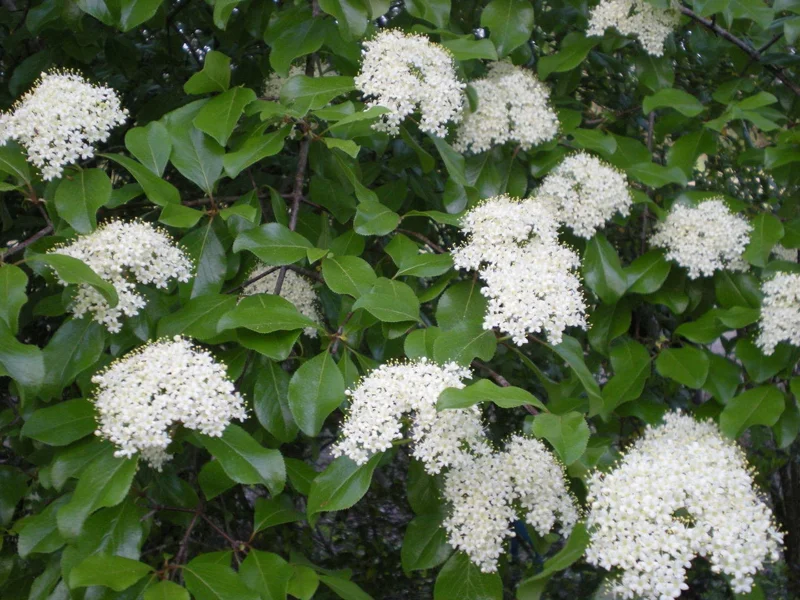
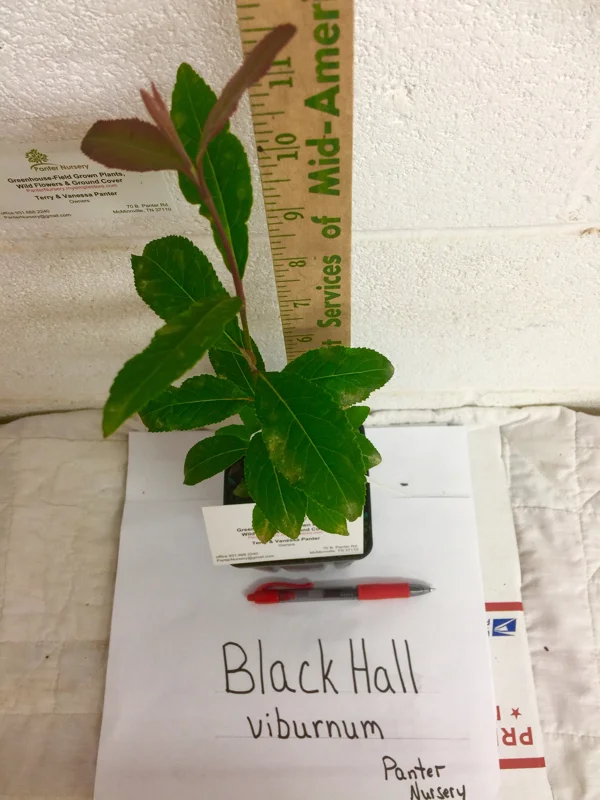
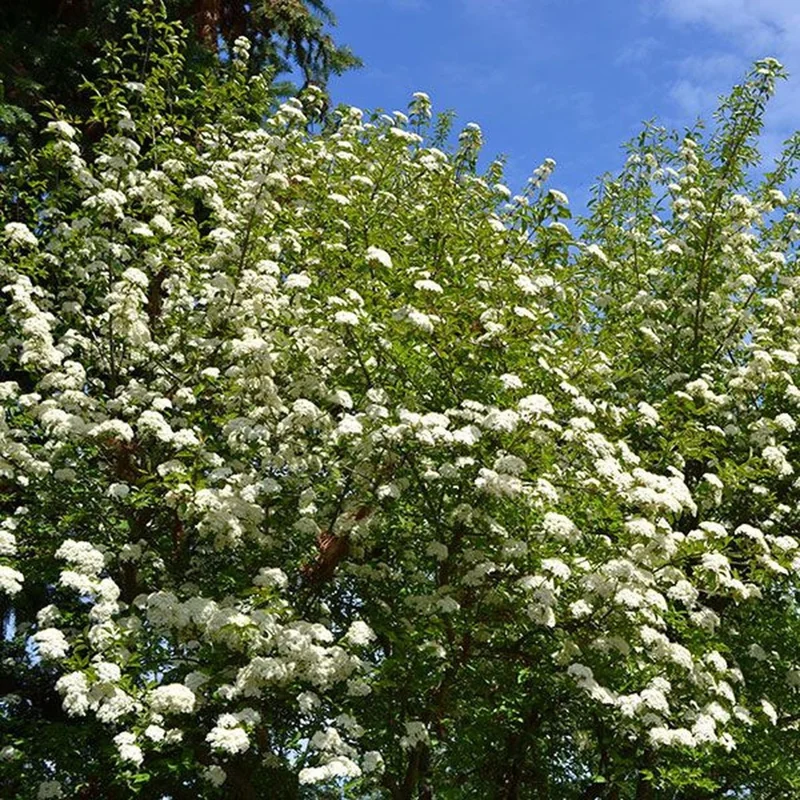
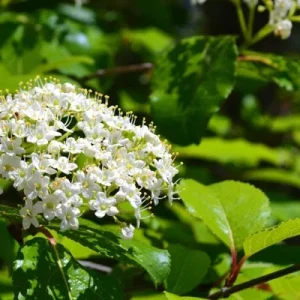
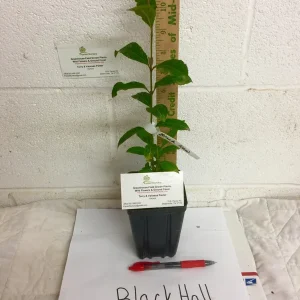
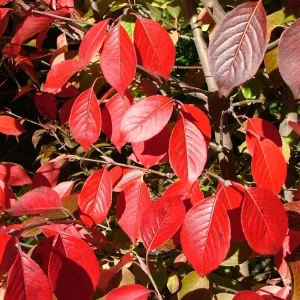
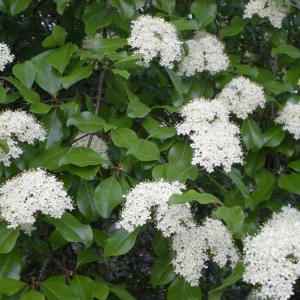
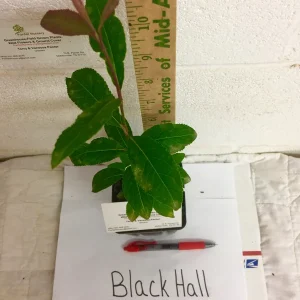
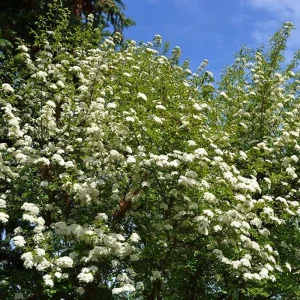
Enhance your garden with the elegant blackhaw viburnum live plant, scientifically known as Viburnum prunifolium. This versatile and hardy shrub is a beloved choice for landscapes across the US, offering year-round interest. Known for its rounded, upright growth habit, the blackhaw viburnum live plant is ideal for various landscaping applications, from creating dense, privacy hedges to serving as an attractive specimen plant in a mixed border. In spring, it bursts forth with flat clusters of delicate white flowers, providing a beautiful contrast to its emerging green foliage. These flowers are followed by small berries that transition from yellow to a deep blue-black, which are not only ornamental but also a favorite food source for local bird populations. The foliage of this viburnum prunifolium shrub transforms into stunning shades of red and purple in autumn, adding a splash of seasonal color to your outdoor space. This adaptable plant is delivered as a 6-12″ tall specimen in a 4″ pot, ready to thrive in its new home.
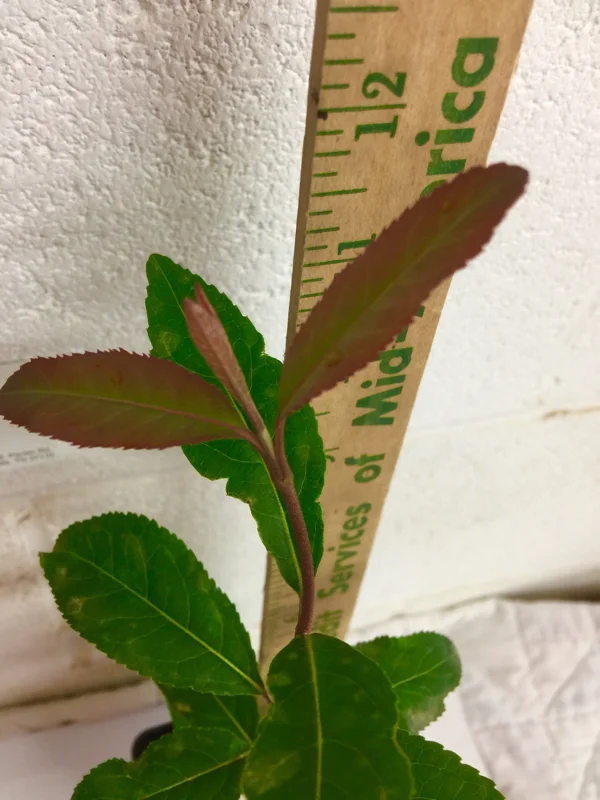
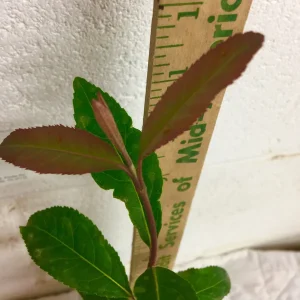
The blackhaw viburnum live plant is generally multi-stemmed, contributing to its full and lush appearance. Its dark green, finely toothed leaves provide a rich backdrop throughout the growing season. Beyond its aesthetic appeal, this plant is remarkably resilient and low-maintenance, making it an excellent choice for both experienced gardeners and those new to horticulture. Its ability to thrive in a wide range of conditions and its ecological benefits, such as supporting wildlife, further solidify its status as a valuable garden asset. Consider planting multiple blackhaw viburnum for hedges to create a living fence that provides both beauty and privacy.
Key Benefits
The blackhaw viburnum live plant offers a multitude of benefits that make it a standout choice for any garden. Its versatility and natural beauty contribute significantly to a vibrant and dynamic landscape.
- Seasonal Beauty: This blackhaw viburnum live plant provides continuous visual interest throughout the year. From its charming white spring flowers and lush green summer foliage to its vibrant red and purple autumn leaves and persistent dark berries in winter, it ensures your garden remains captivating in every season.
- Wildlife Attraction: The berries produced by the viburnum prunifolium shrub are a significant food source for various bird species, helping to attract and support local wildlife. This makes it an excellent choice for gardeners looking to create a bird-friendly environment.
- Versatile Landscaping Use: With its rounded upright growth, the hardy viburnum plant is perfect for multiple landscaping purposes. It can be planted individually as a focal point, grouped to form a tall, effective hedge, or used as a privacy screen, offering flexibility in garden design.
- Low Maintenance: Once established, the blackhaw viburnum live plant is remarkably easy to care for. It tolerates a range of soil conditions and is generally resistant to pests and diseases, requiring minimal intervention to thrive. This makes it an ideal choice for busy gardeners.
- Drought Tolerance: The Blackhaw Viburnum exhibits good drought tolerance once mature, reducing the need for frequent watering in established gardens. This characteristic makes it a sustainable option for water-wise landscaping.
- Hardy and Adaptable: This particular hardy viburnum plant is resilient, thriving in a wide range of climates (USDA Zones 3-9). Its adaptability ensures successful growth in many different regions across the United States.
- Self-Fertile Flowers: The flowers of the viburnum prunifolium shrub are ‘perfect,’ meaning they contain both male and female parts. While self-fertile, cross-pollination is recommended for optimal fruit production, making it easy to encourage ample berry yields with just a few plants.
Plant Care & Growing Tips
Caring for your blackhaw viburnum live plant is straightforward, ensuring it flourishes and provides years of beauty to your landscape. This hardy shrub is quite adaptable, but a few key practices will help it reach its full potential. When considering blackhaw viburnum care, pay attention to its light, water, and soil needs.
For sunlight requirements, the blackhaw viburnum live plant performs best in full sun to partial shade. Full sun (at least 6 hours of direct sunlight per day) will generally result in the most abundant flowering and fruiting, as well as the most vibrant fall color. However, it can tolerate some afternoon shade, especially in hotter climates, which can help prevent leaf scorch. Regarding watering, keep the soil consistently moist but not waterlogged, especially during its establishment period in the first year after planting. Once established, it becomes quite drought-tolerant, requiring less frequent watering. Allow the top inch or two of soil to dry out slightly between waterings. The ideal soil type for this viburnum prunifolium shrub is well-draining loam, but it is adaptable to a variety of soil conditions, including clay and sandy soils, as long as drainage is adequate. Amend heavy clay soils with organic matter to improve drainage, and sandy soils to improve water retention.
The hardy viburnum plant is cold hardy in USDA Zones 3-9, making it suitable for a broad range of climates. It can tolerate winter temperatures down to -40°F (-40°C). Fertilization is generally not essential for mature plants if they are growing in good soil. However, if growth is slow or foliage appears pale, a balanced slow-release granular fertilizer applied in early spring can be beneficial. Follow product instructions for application rates. Pruning can be done to maintain shape, remove dead or damaged branches, or control size. The best time to prune is late winter or early spring before new growth begins, or immediately after flowering if you wish to preserve the current season’s berries. Common problems are few, but watch for typical shrub pests like aphids or spider mites, which can usually be managed with horticultural oil or insecticidal soap. Proper blackhaw viburnum care ensures a healthy, thriving plant.
Size & Details
This offering is for one blackhaw viburnum live plant, carefully nurtured and ready for planting. Each plant measures approximately 6-12 inches tall from the top of the soil line and is delivered in a 4-inch nursery pot. This size provides a robust root system, ensuring a strong start in your garden. The Blackhaw Viburnum (Viburnum prunifolium) is a deciduous shrub that, at maturity, typically reaches heights of 12-15 feet with a spread of around 5 feet, developing into a dense, multi-stemmed specimen. Its growth rate is moderate, allowing it to establish well and grow steadily each season. This viburnum prunifolium shrub is shipped as a young potted plant, ensuring minimal transplant shock and a quick transition to its new environment. Expect to see significant growth and establishment within the first year, with flowering and fruiting beginning within a few years of planting. When planning your landscape, consider its mature size to provide adequate space for this beautiful hardy viburnum plant to flourish.
Frequently Asked Questions
- Q: How big does this blackhaw viburnum live plant get at maturity? A: The blackhaw viburnum live plant typically grows to a mature height of 12-15 feet with a spread of about 5 feet. It forms a rounded, upright shape, making it an excellent choice for hedges or as a standalone shrub.
- Q: What size pot does it come in? A: This blackhaw viburnum live plant is shipped in a 4-inch nursery pot, and the plant itself is typically 6-12 inches tall. This size ensures a well-established root system for successful planting.
- Q: Is this an indoor or outdoor plant? A: The blackhaw viburnum live plant is an outdoor shrub. It is very hardy and thrives in various outdoor conditions across USDA Zones 3-9, making it suitable for most climates in the United States.
- Q: How much sunlight does the viburnum prunifolium shrub need? A: For optimal growth, flowering, and fruiting, the viburnum prunifolium shrub prefers full sun (at least 6 hours of direct sunlight daily). It can tolerate partial shade, especially in hotter regions.
- Q: Is this plant easy to care for? Is it good for beginners? A: Yes, the hardy viburnum plant is considered relatively easy to care for. It’s quite adaptable and low-maintenance once established, making it a great option for beginner gardeners. Basic watering and occasional pruning are generally all that’s needed for excellent blackhaw viburnum care.
- Q: What condition will it arrive in? Is it shipped in soil? A: Your blackhaw viburnum live plant will arrive as a healthy, live plant actively growing in its 4-inch nursery pot with soil. It will be carefully packaged to ensure its safe arrival.
- Q: When is the best time to plant this viburnum? A: The best time to plant your blackhaw viburnum live plant is in spring or fall when temperatures are moderate. This allows the plant to establish its root system before extreme summer heat or winter cold.
- Q: Will this hardy viburnum plant attract wildlife to my garden? A: Absolutely! The berries produced by the blackhaw viburnum live plant are highly attractive to birds, making it an excellent addition for gardeners who wish to create a wildlife-friendly habitat.
- Q: What is the minimum temperature this plant can tolerate? A: This hardy viburnum plant is resilient in USDA Zones 3-9, meaning it can withstand winter temperatures as low as -40°F (-40°C).
- Q: Can I use blackhaw viburnum for hedges or screens? A: Yes, the rounded, upright growth form and mature size of the blackhaw viburnum live plant make it an excellent choice for creating dense, attractive hedges or privacy screens in your landscape.


Reviews
There are no reviews yet.