Overview
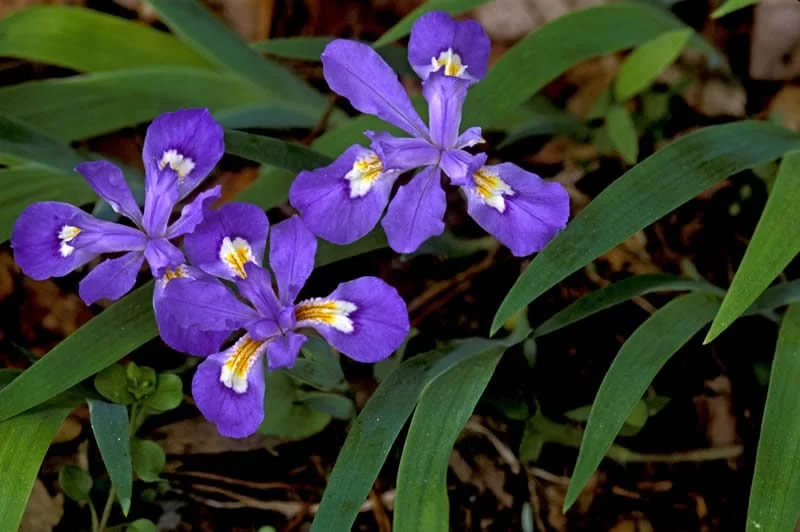
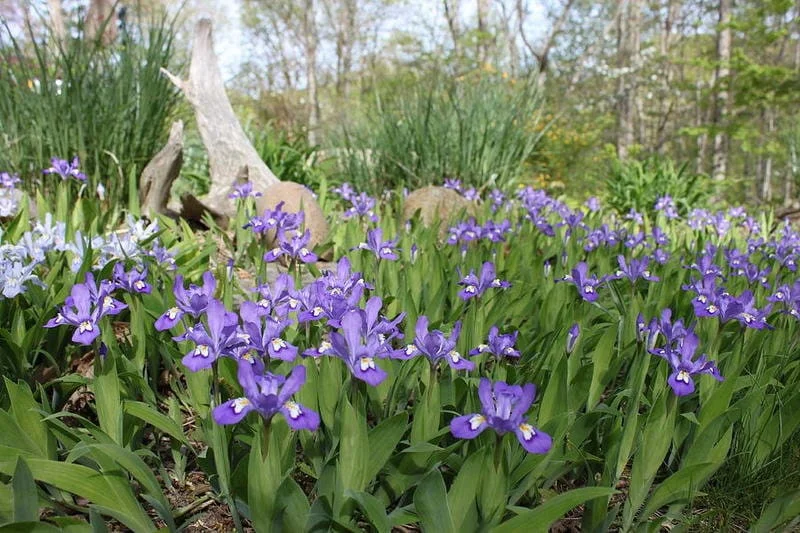
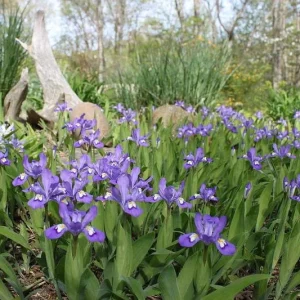
Introduce the captivating beauty of native flora to your garden with this offering of 10 crested wild iris bare root plants. Also known by its botanical name, Iris cristata, this charming perennial is a true gem for naturalizing and adding delicate color to shaded or partially shaded areas. Unlike potted plants, bare roots are dormant and ready to establish themselves quickly upon planting, offering a cost-effective and robust way to grow this beautiful wildflower. The Crested Wild Iris is celebrated for its distinctive pale blue to lavender flowers, each adorned with a prominent crest, creating a unique and enchanting display in spring. These resilient plants are ideal for woodland gardens, borders, or stream banks, thriving in conditions that mimic their natural habitat. They are an excellent choice for gardeners looking to support local ecosystems and enjoy a low-maintenance yet visually striking addition to their outdoor spaces.
Key Benefits
The crested wild iris bare root offers numerous advantages, making it a popular choice for diverse garden settings. These benefits extend from their aesthetic appeal to their ecological contributions and ease of care, ensuring a rewarding gardening experience.
- Stunning Spring Blooms: Enjoy a breathtaking display of unique, crested blue to lavender flowers in early to mid-spring. These delicate yet vibrant blooms provide an essential early nectar source for pollinators and add a serene beauty to your garden.
- Adaptable & Hardy: The iris cristata plant is remarkably hardy, thriving across a wide range of climates from USDA Zones 3 to 9. This adaptability means it can withstand varying temperatures and conditions, making it a reliable choice for many regions.
- Low Maintenance Perennial: Once established, these wild irises require minimal care, returning year after year with increasing vigor. They are drought-tolerant once mature and generally resistant to pests and diseases, perfect for busy gardeners.
- Naturalizes Beautifully: Ideal for naturalizing in woodland settings, along pathways, or in rock gardens. The plants will spread gently over time, forming attractive colonies that enhance the naturalistic feel of your landscape.
- Shade Tolerance: Unlike many flowering plants, Crested Wild Iris performs well in partial to full shade, making it an excellent option for brightening up dimmer areas of your garden where other flowers might struggle.
- Erosion Control: Their spreading root systems help to stabilize soil, making them beneficial for planting on slopes or banks to help prevent erosion.
- Supports Local Wildlife: As a native wildflower, the iris cristata plant provides valuable habitat and food sources for native insects, including early emerging bees and butterflies, contributing to biodiversity.
Plant Care & Growing Tips
Caring for your crested wild iris bare root plants is straightforward, allowing even novice gardeners to achieve beautiful results. Understanding their preferred conditions will ensure vigorous growth and abundant blooms for many years. These plants are quite resilient, but optimal care will maximize their potential.
For sunlight, Crested Wild Iris prefers partial shade to full shade. While they can tolerate some morning sun, intense afternoon sun, particularly in warmer climates, can scorch their leaves and reduce bloom duration. In shadier conditions, the bloom period might be slightly limited, but the plant will still thrive. They are hardy in USDA Zones 3-9, indicating their ability to withstand a broad range of winter temperatures. When it comes to soil, these irises prefer moist, well-drained soil. Avoid heavy clay that retains too much water, as this can lead to root rot. Amending your soil with organic matter like compost can improve drainage and fertility. Water regularly after planting until established, especially during dry spells. Once mature, they are quite tolerant of drier conditions but will benefit from occasional watering during prolonged droughts. Fertilization is generally not heavily required; a light application of a balanced slow-release fertilizer in early spring can be beneficial, but over-fertilizing should be avoided. Keep an eye out for slugs and snails, especially in moist conditions, and address any issues promptly.
Planting your wild iris care bare roots is best done in early spring or fall. Dig a shallow hole wide enough to accommodate the roots, spreading them out gently. Plant the rhizome just at or slightly below the soil surface, ensuring the crown is not buried too deeply. Space individual roots about 6-12 inches apart to allow for spreading. Water thoroughly after planting. With proper care, these beautiful native wildflowers will establish quickly and become a cherished part of your garden. The native wildflowers are generally low-maintenance, making them an excellent choice for a naturalized look or a shade garden plants project.
Size & Details
This offering includes 10 individual crested wild iris bare root rhizomes, ready for planting. Each bare root is dormant and carefully inspected to ensure health and viability upon arrival. While exact dimensions of bare roots can vary, they are typically sized for optimal establishment. Once established, the Crested Wild Iris typically grows to a height of 6 to 12 inches with a similar spread, forming attractive clumps over time. These plants have a moderate growth rate and will usually begin to establish foliage and bloom within their first year, with more prolific blooming in subsequent years. They are shipped as bare roots, meaning they do not come with soil or a pot, which allows for easier shipping and planting directly into your garden bed. Expect these beautiful plants to return for many years, providing enduring enjoyment and natural charm.
Frequently Asked Questions
- Q: How big does this plant get? A: The crested wild iris bare root typically grows to a charming height of 6 to 12 inches, with a similar spread. It forms attractive, spreading clumps over time, making it excellent for groundcover or naturalizing.
- Q: Is this an indoor or outdoor plant? A: The Crested Wild Iris is an outdoor perennial plant. It is best suited for garden beds, woodland areas, or naturalized landscapes, as it requires outdoor conditions to thrive and bloom.
- Q: How much sunlight does it need? A: This plant prefers partial shade to full shade. While it can tolerate some morning sun, it should be protected from intense afternoon sun, especially in warmer climates, to prevent leaf scorch and prolong bloom time.
- Q: Is this plant easy to care for? A: Yes, the iris cristata plant is considered low-maintenance once established. It is a hardy perennial that tolerates a range of conditions and is generally resistant to pests and diseases, making it suitable for gardeners of all skill levels.
- Q: What condition will it arrive in? A: You will receive 10 dormant bare roots, carefully packaged without soil or a pot. These roots are ready for immediate planting and will begin to sprout once conditions are favorable.
- Q: When is the best time to plant the bare roots? A: The best times to plant crested wild iris bare root are in early spring after the last frost or in the fall before the ground freezes. This allows the roots to establish before extreme temperatures.
- Q: What’s the minimum temperature it can withstand? A: The Crested Wild Iris is hardy in USDA Zones 3-9, meaning it can tolerate winter temperatures down to approximately -40°F (-40°C) when properly established in the ground.
- Q: Do these plants require special soil? A: They prefer moist, well-drained soil rich in organic matter. Avoid heavy clay soils that retain too much water, as good drainage is crucial for preventing root rot.
- Q: Will these native wildflowers attract pollinators? A: Yes, the early spring blooms of the Crested Wild Iris are an important nectar source for early emerging pollinators like bees and butterflies, contributing to local ecosystem health.
- Q: Can I use these as shade garden plants? A: Absolutely! The Crested Wild Iris is an excellent choice for shade gardens, where its beautiful blooms can brighten up darker corners and add texture to the understory.


Reviews
There are no reviews yet.