Overview
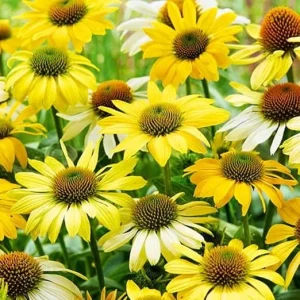
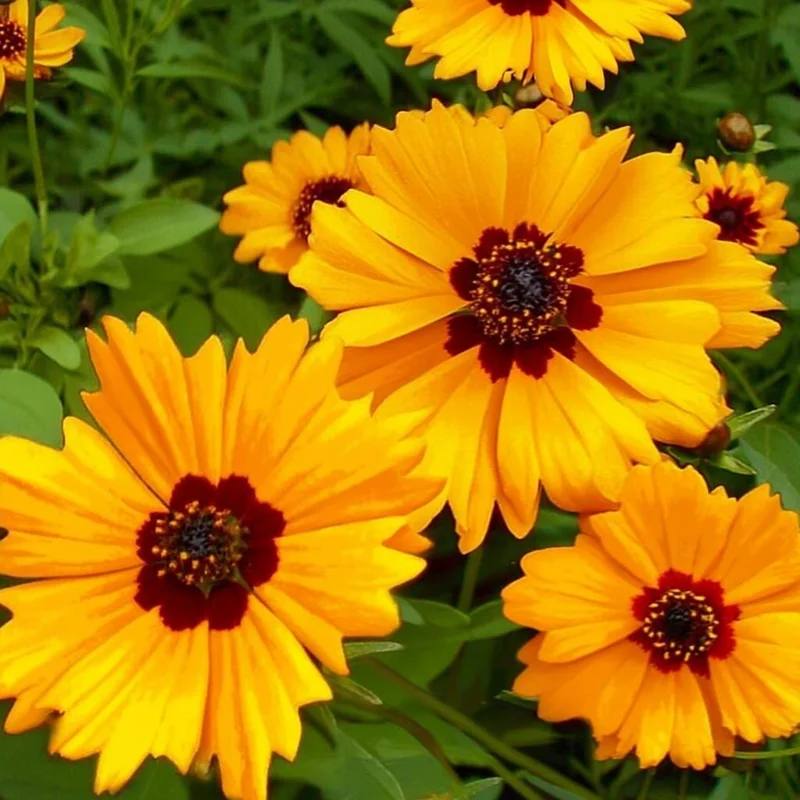
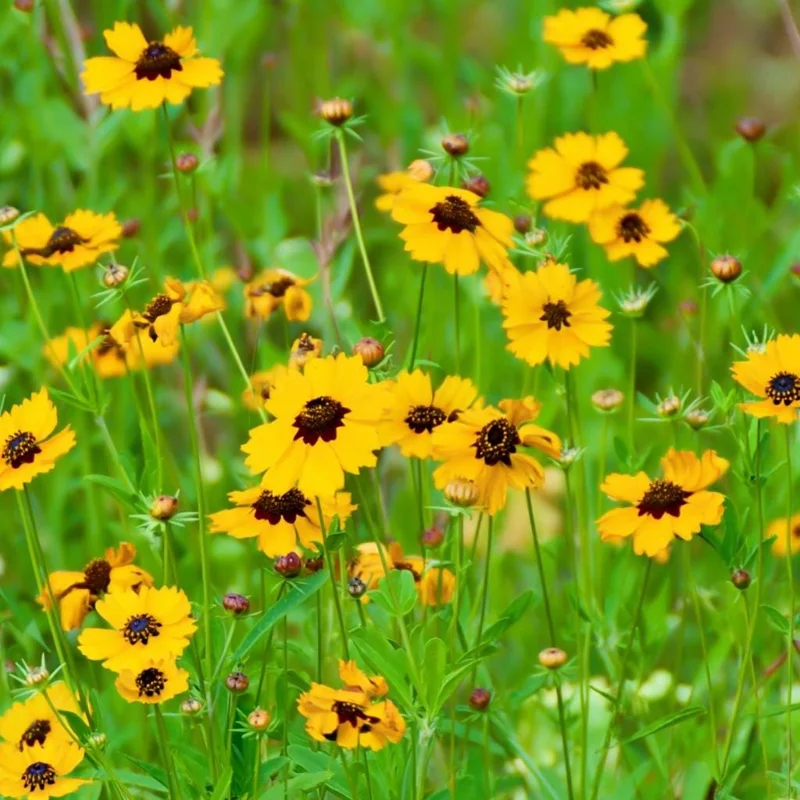
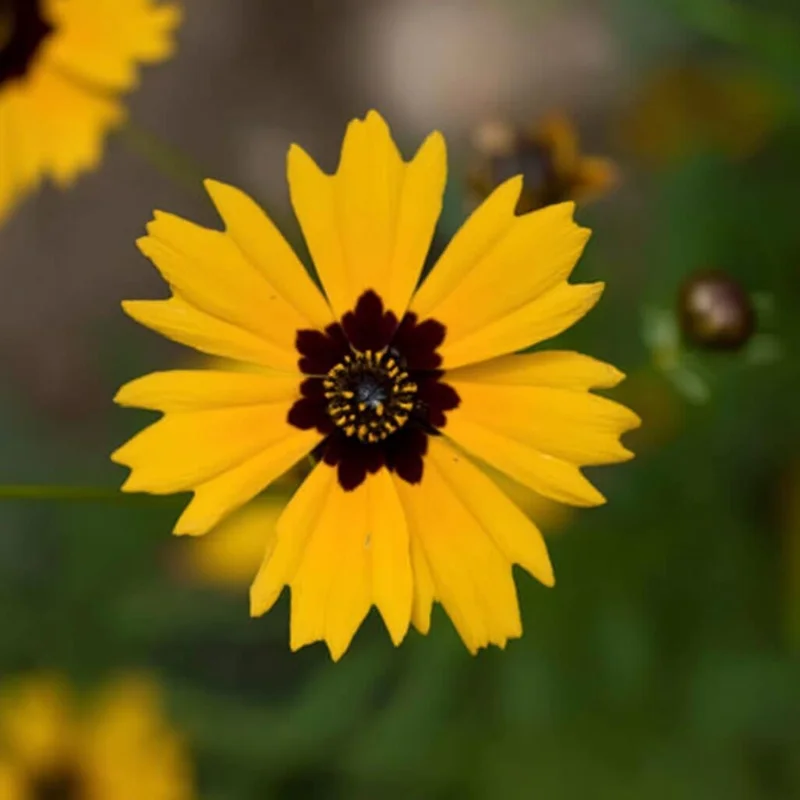
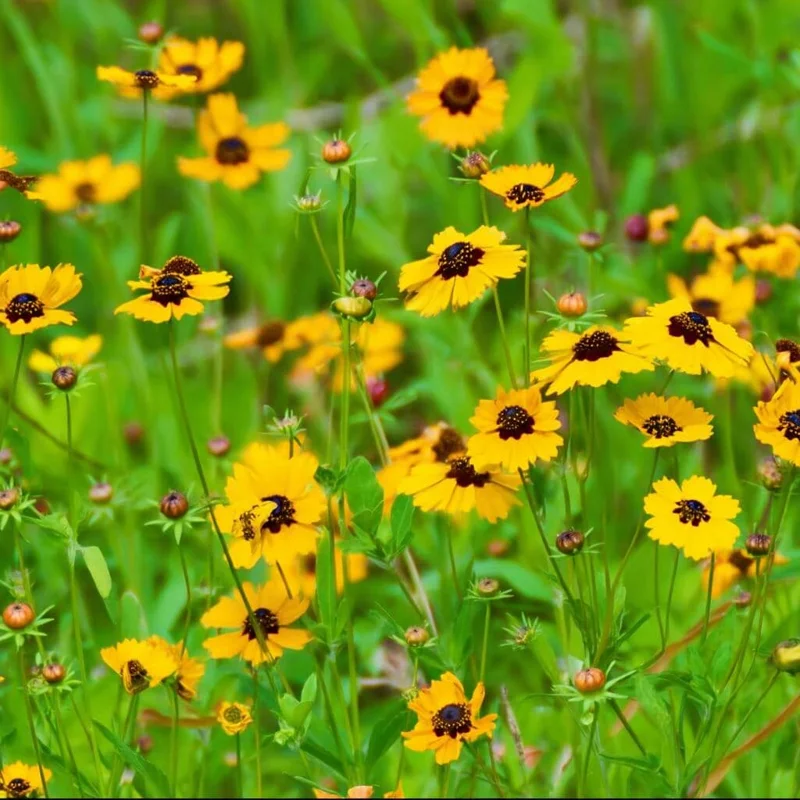
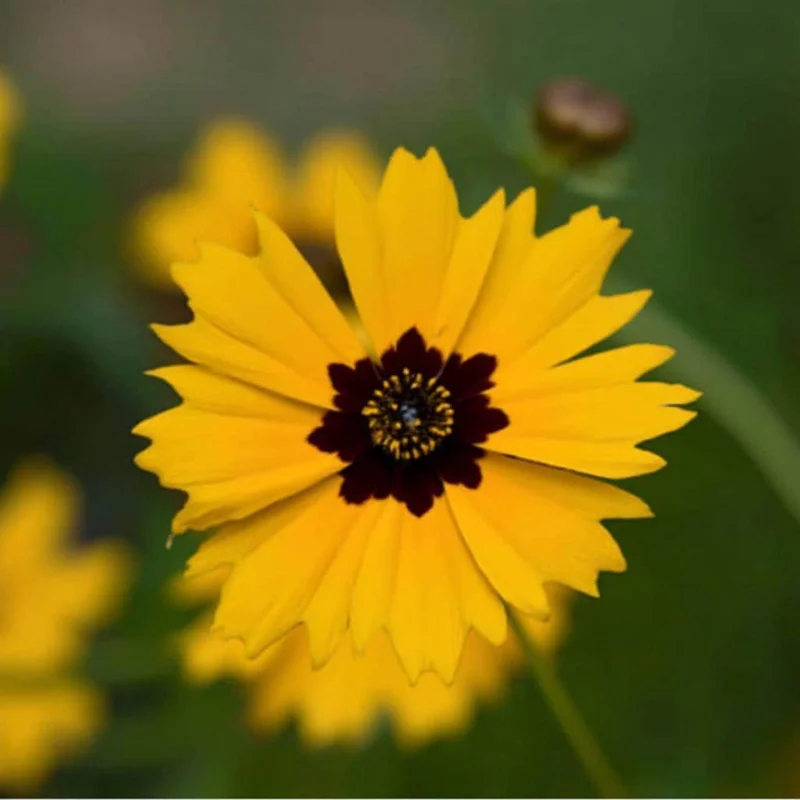
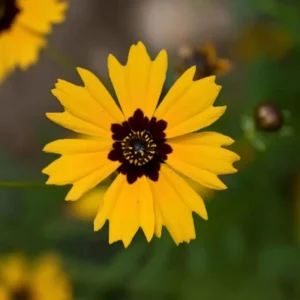
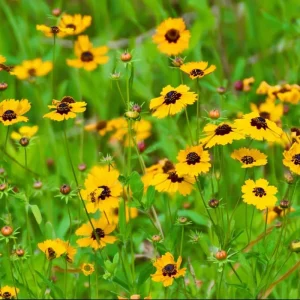
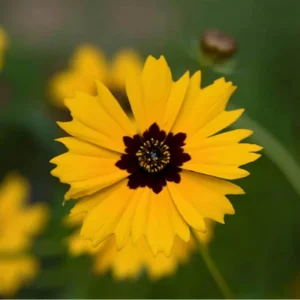
Introduce a burst of cheerful color and vital pollinator support to your garden with golden wave tickseed seeds. Also known by its botanical name, Coreopsis basalis, this native annual wildflower is celebrated for its brilliant golden-yellow, daisy-like blooms that grace the landscape throughout a long flowering season. Ideal for creating stunning meadows, vibrant borders, dedicated pollinator gardens, or naturalistic landscapes, this species is a magnet for bees, butterflies, and other beneficial insects. These golden wave tickseed seeds promise a garden filled with life and beauty, offering an easy-to-grow solution for gardeners seeking both aesthetic appeal and ecological benefits.
The compact, bushy growth habit of Golden Wave Tickseed makes it a versatile choice for various garden settings, from small urban plots to expansive rural properties. Its inherent drought-tolerant nature, once established, further enhances its appeal, positioning it as a perfect candidate for low-maintenance gardening. By choosing to grow tickseed from seed, you embark on a rewarding journey that culminates in a vibrant, lively garden space. The ease of cultivation and the spectacular visual impact make these seeds a top choice for both novice and experienced gardeners aiming to enhance their outdoor sanctuaries with resilient, beautiful wildflowers.
Key Benefits
Planting golden wave tickseed seeds offers a multitude of advantages for your garden and local ecosystem. These remarkable wildflowers bring not only beauty but also significant ecological value, making them a wise choice for any gardener. Discover the many benefits of incorporating these vibrant seeds into your landscape:
- Vibrant Floral Display: Enjoy a prolonged season of bright golden-yellow, daisy-like flowers that add a cheerful and dynamic aesthetic to any garden space. The abundance of blooms ensures continuous visual interest from summer well into fall.
- Attracts Pollinators: These native pollinator seeds are a crucial food source for local wildlife, actively attracting bees, butterflies, and other beneficial insects, thereby supporting local biodiversity and ecosystem health. Planting yellow coreopsis seeds directly contributes to pollinator conservation efforts.
- Low Maintenance: Once established, Golden Wave Tickseed is remarkably drought-tolerant and thrives in a variety of soil conditions, including sandy or poor soils. This resilience means less watering and care is required, making it an excellent choice for busy gardeners.
- Adaptable & Versatile: Perfect for diverse garden applications, including meadows, borders, containers, and naturalized areas. Its compact growth habit allows it to fit seamlessly into many landscape designs, proving that you can easily grow tickseed from seed in multiple settings.
- Drought Tolerant: Its ability to withstand dry periods makes it an ideal plant for xeriscaping or gardens in regions with water restrictions, ensuring beauty without excessive water consumption.
- Supports Wildlife: Leaving spent flower heads provides seeds for birds, offering an additional benefit to the local fauna and contributing to a thriving garden ecosystem.
- Easy to Grow from Seed: With straightforward sowing instructions and a good germination rate, these native pollinator seeds are accessible for gardeners of all experience levels, promising a rewarding cultivation experience.
Plant Care & Growing Tips
Successfully cultivating golden wave tickseed seeds is a straightforward process, making it an excellent choice for gardeners of all skill levels. To ensure a thriving display of these beautiful wildflowers, pay close attention to their specific needs regarding sunlight, soil, and watering. This section provides detailed guidance to help you grow tickseed from seed into a vibrant and healthy addition to your garden.
Sunlight Requirements
Golden Wave Tickseed thrives in full sun, meaning it requires at least 6-8 hours of direct sunlight per day. Planting in a location that receives ample sun exposure is crucial for abundant flowering and vigorous growth. While it can tolerate some partial shade, too little sun will result in fewer blooms and leggy growth. When selecting a spot for your yellow coreopsis seeds, consider areas that are not overshadowed by taller plants or structures throughout the day.
Watering & Soil
For optimal growth, Golden Wave Tickseed prefers well-drained soil. It is remarkably adaptable and can even thrive in sandy or poor soil conditions, making it a robust choice for various garden types. Avoid heavy clay soils that retain too much moisture, as this can lead to root rot. When establishing new seedlings from golden wave tickseed seeds, water lightly and consistently to keep the soil moist but not waterlogged. Once established, these plants are highly drought-tolerant and require minimal watering, making them an excellent choice for water-wise gardens. Overwatering is more detrimental than underwatering for this species.
Temperature & Hardiness
As an annual wildflower, Golden Wave Tickseed completes its life cycle within one growing season. It is best sown after the last frost in spring or in fall in mild climates. It tolerates a wide range of summer temperatures and is generally resilient to heat once established. While it doesn’t have a specific USDA hardiness zone for perennial survival, its ability to reseed annually means it can return year after year in suitable climates, especially when you allow some seed heads to mature. This makes the coreopsis basalis wildflower a reliable self-sower.
Fertilization & Maintenance
Golden Wave Tickseed generally does not require heavy fertilization, especially if planted in reasonably fertile soil. In fact, rich soil can sometimes lead to excessive foliage growth at the expense of flowers. If your soil is particularly poor, a light application of a balanced, slow-release fertilizer at the beginning of the growing season can be beneficial. Deadheading spent flowers is recommended to encourage prolonged blooming and prevent the plant from putting all its energy into seed production. Alternatively, if you wish for the plant to self-seed and provide food for birds, you can leave some seed heads intact. This minimal care routine makes cultivating native pollinator seeds an enjoyable experience.
Size & Details
Each packet contains 200 golden wave tickseed seeds, providing ample opportunity to establish a vibrant and extensive patch of these beautiful wildflowers. These seeds will grow into compact, bushy plants, typically reaching a height of 12-24 inches (30-60 cm) and a similar spread, creating a full and rounded appearance. The plants exhibit a moderate to fast growth rate, with germination usually occurring within 7-14 days under ideal conditions. Once germinated, seedlings can be thinned to 6-12 inches apart to allow for optimal development and flowering. Expect abundant golden-yellow blooms from early summer through fall, providing continuous color and nectar for pollinators.
These coreopsis basalis wildflower seeds are suitable for direct sowing outdoors in early spring after the last frost or in fall in mild climates. They ship as dry seeds in a protective packet, ensuring viability upon arrival. With proper care, these seeds will mature into robust plants that offer months of bright color and ecological benefits to your garden. The ease with which one can grow tickseed from seed makes this an accessible project for gardeners looking to add native beauty to their landscape.
Frequently Asked Questions
- Q: How big does Golden Wave Tickseed get? A: Golden Wave Tickseed typically grows to a compact, bushy size, reaching about 12-24 inches (30-60 cm) in height and a similar spread. This makes it suitable for various garden settings, from borders to containers. You can expect a full and rounded appearance from your golden wave tickseed seeds.
- Q: Is this an indoor or outdoor plant? A: Golden wave tickseed seeds are primarily for outdoor cultivation. They thrive in full sun conditions in garden beds, meadows, or large outdoor containers, producing their characteristic bright yellow blooms.
- Q: How much sunlight does Golden Wave Tickseed need? A: For optimal growth and prolific flowering, Golden Wave Tickseed requires full sun exposure, meaning at least 6-8 hours of direct sunlight per day. Adequate sunlight is key to seeing many yellow coreopsis seeds turn into vibrant flowers.
- Q: Is Golden Wave Tickseed easy to care for? A: Yes, Golden Wave Tickseed is considered a low-maintenance wildflower. Once established, it is drought-tolerant and thrives in poor to average soils, requiring minimal watering and care. It’s a great choice if you want to grow tickseed from seed with ease.
- Q: What condition will the seeds arrive in? A: The product consists of 200 golden wave tickseed seeds, which will arrive as dry, viable seeds in a protective packet, ready for sowing according to the provided instructions.
- Q: How long until Golden Wave Tickseed blooms? A: After sowing, germination typically occurs within 7-14 days. The plants usually begin to bloom in early summer and continue through fall, providing a long season of vibrant color.
- Q: Will Golden Wave Tickseed attract pollinators? A: Absolutely! As a coreopsis basalis wildflower, it is highly attractive to various pollinators, including bees, butterflies, and other beneficial insects, making it an excellent addition to any pollinator garden. These are truly native pollinator seeds.
- Q: What type of soil does Golden Wave Tickseed prefer? A: Golden Wave Tickseed prefers well-drained soil and can even thrive in sandy or poor soil conditions. It is important to avoid heavy, waterlogged soils to prevent root issues.
- Q: Can I leave the seed heads on for wildlife? A: Yes, leaving some spent flower heads on the plants allows them to self-seed for the following year and provides a valuable food source for birds during the fall and winter months. This also helps you get more native pollinator seeds naturally.
- Q: When is the best time to plant Golden Wave Tickseed seeds? A: The best time to sow golden wave tickseed seeds is in early spring after the last frost, or in the fall in mild climates. This allows the seeds to germinate and establish properly for a beautiful display.


Reviews
There are no reviews yet.