Overview
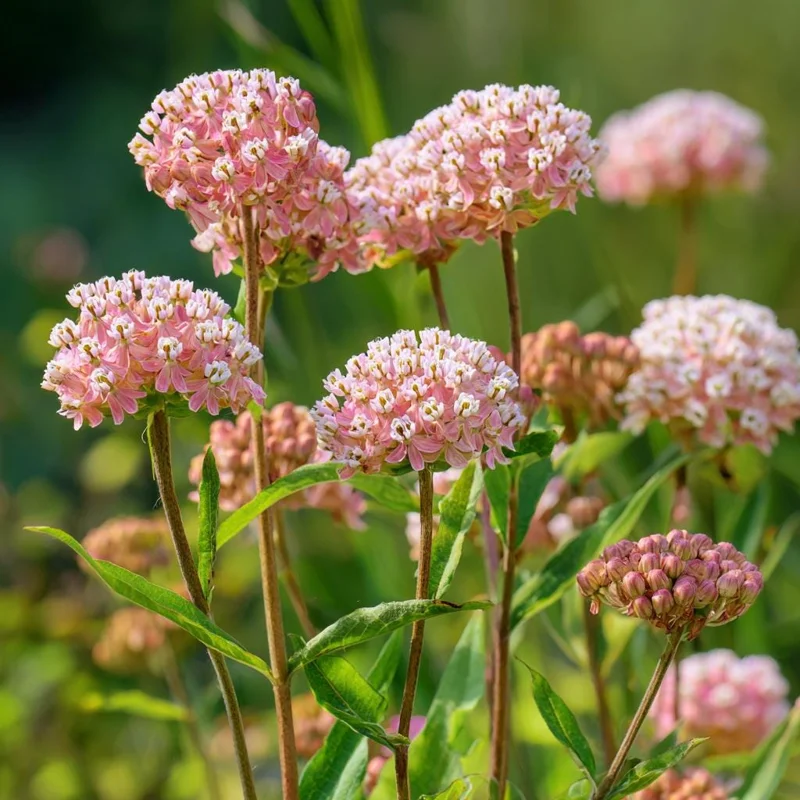
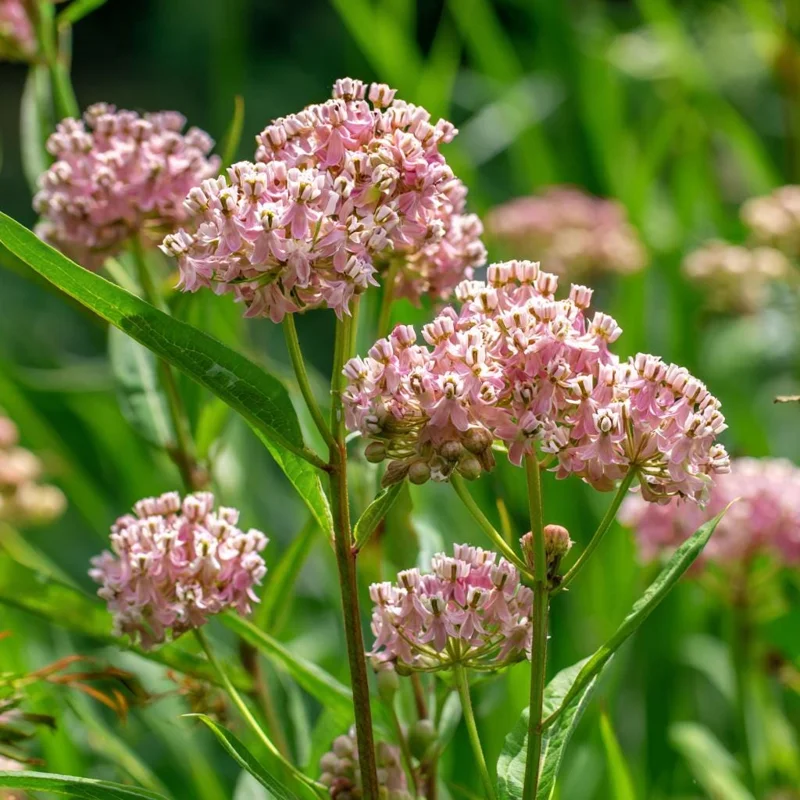
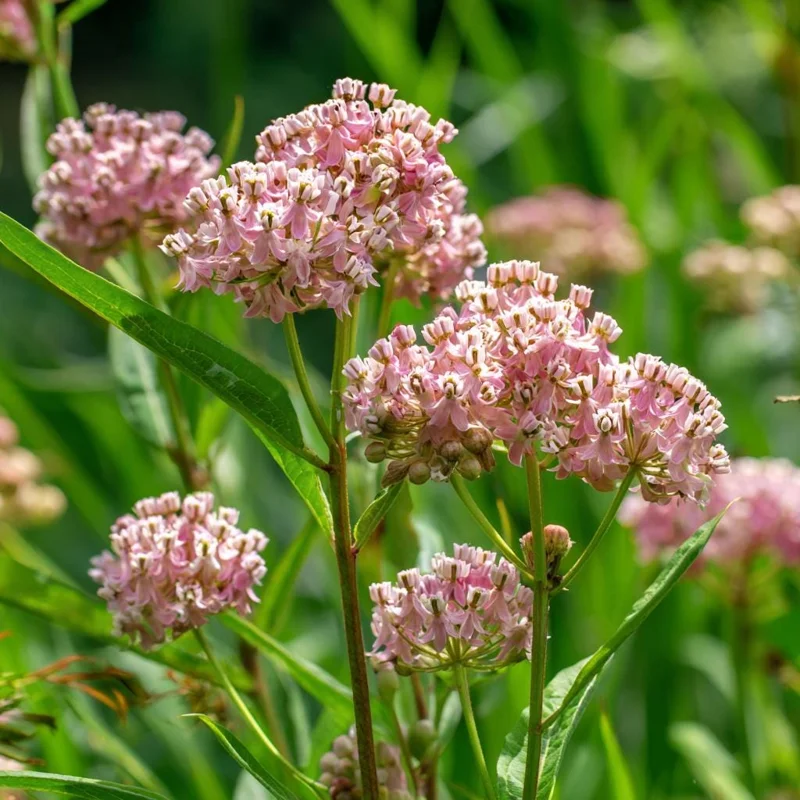
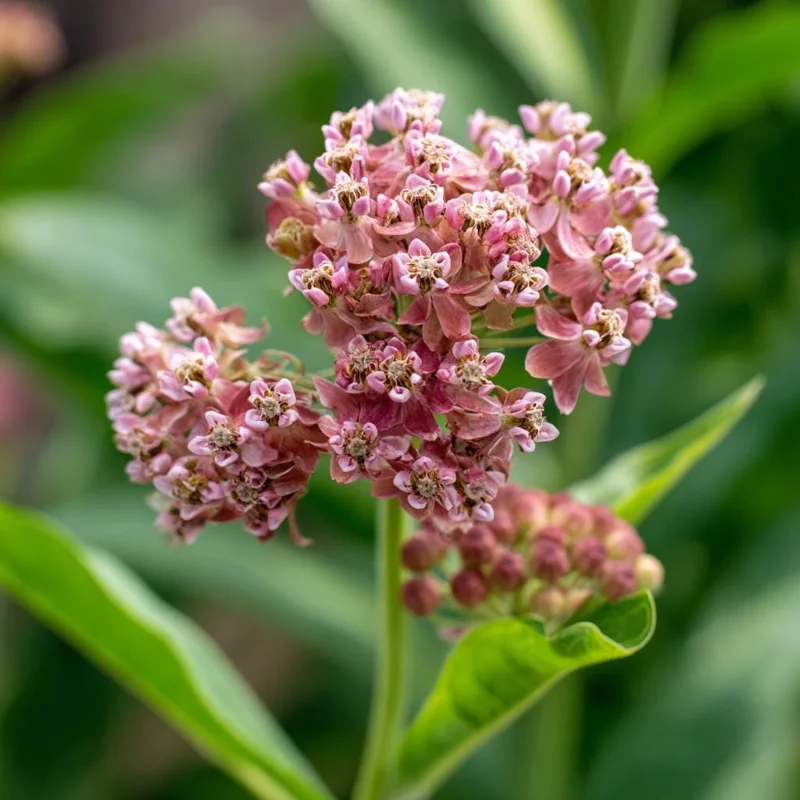
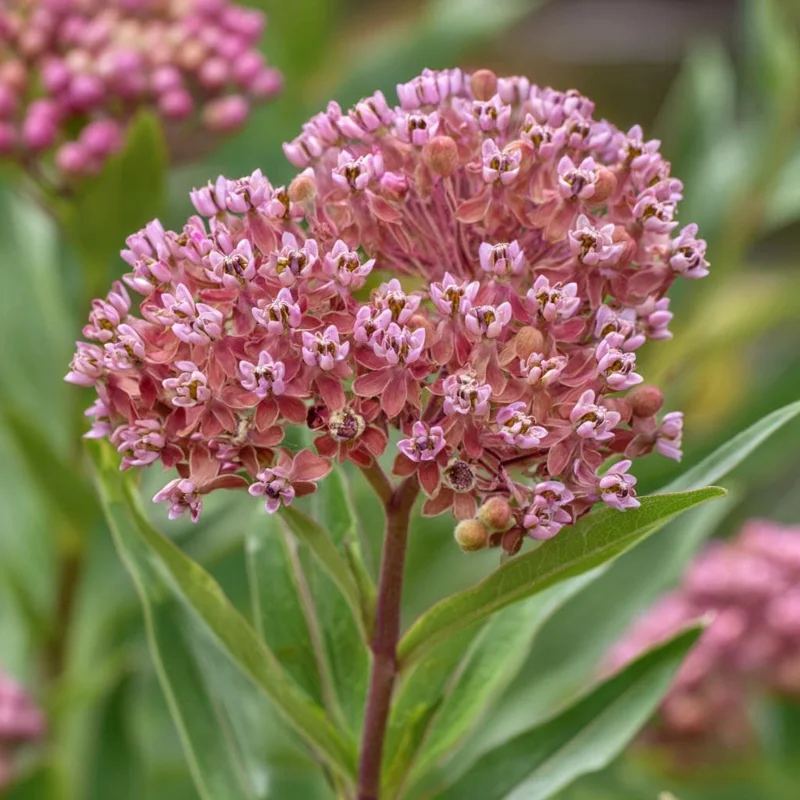
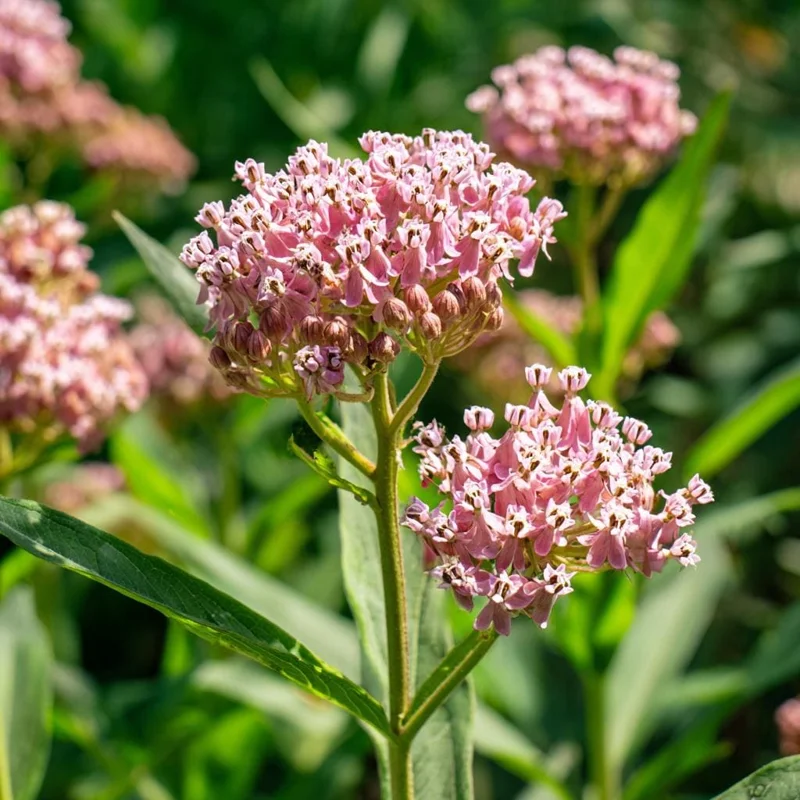
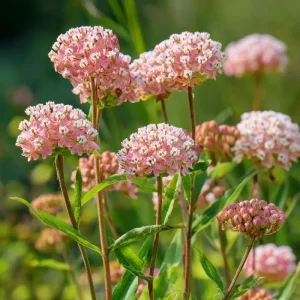
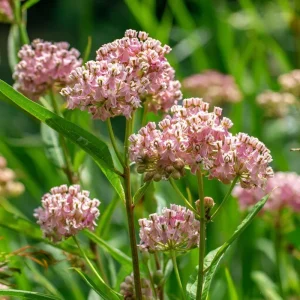
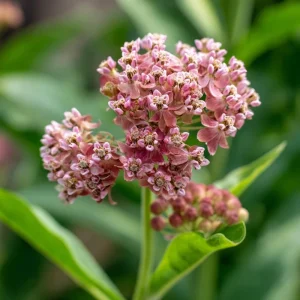
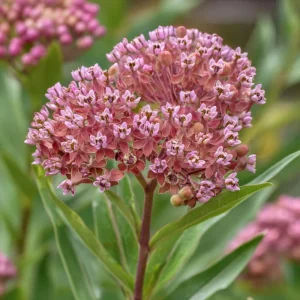
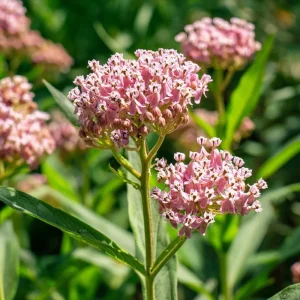
Cultivate a vibrant and ecologically beneficial garden with our premium Prairie Milkweed seeds. This native perennial, scientifically known as Asclepias sullivantii, is celebrated for its striking clusters of fragrant pink to rose-colored flowers. Growing typically 2–4 feet tall, it thrives in various sunny environments, including prairie gardens, meadows, and dedicated pollinator-friendly landscapes. Beyond its aesthetic appeal, Prairie Milkweed seeds are a cornerstone for biodiversity, providing essential nectar for a wide array of pollinators, including bees, butterflies, and hummingbirds. Crucially, this plant serves as a vital host for monarch butterfly caterpillars, making it an indispensable choice for anyone committed to supporting these iconic insects and enhancing local ecosystems. Our native perennial seeds offer an excellent opportunity for gardeners to contribute to wildlife conservation while simultaneously introducing beauty and vibrant color to their outdoor spaces.
The ease of cultivation and the significant ecological impact make these Asclepias sullivantii seeds a popular choice for both novice and experienced gardeners. Plant these seeds to create a thriving habitat that will bring life and movement to your garden throughout the growing season. Ensure your garden becomes a haven for wildlife by planting these beneficial Prairie Milkweed seeds.
Key Benefits
Introducing Prairie Milkweed seeds into your garden offers a multitude of benefits, transforming your space into a bustling haven for wildlife and a visual delight. These seeds not only promise beautiful blooms but also play a critical role in supporting diverse ecosystems.
- Supports Monarch Butterflies: The primary benefit of planting Prairie Milkweed seeds is providing a vital food source and habitat for monarch butterfly caterpillars. Without milkweed, monarch populations cannot survive, making this plant essential for their life cycle. It’s an ideal monarch butterfly plant.
- Attracts Diverse Pollinators: The nectar-rich blooms of Prairie Milkweed are highly attractive to a variety of pollinators, including native bees, honeybees, hummingbirds, and various butterfly species, promoting a healthy garden ecosystem. These are excellent milkweed for pollinators.
- Enhances Garden Beauty: With its clusters of fragrant pink to rose-colored flowers, Prairie Milkweed adds significant aesthetic value to any garden, meadow, or naturalized area. Its upright growth habit provides structure and color, making it a beautiful native perennial seeds option.
- Native and Adaptable: As a native perennial, Asclepias sullivantii is well-adapted to local climates and soils, requiring less maintenance once established compared to non-native species. This makes it a sustainable choice for landscaping.
- Low Maintenance: Once established, Prairie Milkweed is remarkably drought-tolerant and requires minimal care, making it an ideal choice for gardeners seeking impactful yet easy-to-grow plants.
- Promotes Biodiversity: By planting these milkweed for pollinators, you are actively contributing to increased biodiversity in your local environment, fostering a healthier and more resilient ecosystem.
- Long Blooming Season: Prairie Milkweed offers a prolonged blooming period, ensuring a continuous supply of nectar for pollinators and sustained visual interest in your garden through much of the summer.
Plant Care & Growing Tips
Cultivating Prairie Milkweed from seeds is a rewarding experience, leading to a resilient and ecologically valuable plant. To ensure successful germination and robust growth, proper care is essential. The Asclepias sullivantii seeds benefit significantly from cold stratification; first, soak the seeds in water for 24 hours, then refrigerate them in a moist medium for 30–60 days before planting. This process mimics natural winter conditions and breaks seed dormancy. After stratification, sow seeds directly outdoors in spring after the last frost, or start them indoors for an earlier start. Plant seeds 1/4–1/2 inch deep in well-drained soil, ensuring they receive full sun exposure for at least 6-8 hours daily. Germination typically occurs within 14–28 days, after which you should thin seedlings as needed to provide ample space for healthy development.
Prairie Milkweed thrives in full sun and prefers well-drained, moderately fertile soil. While establishing, regular watering is crucial to help the young plants develop strong root systems. Once established, these native perennials become remarkably drought-tolerant, requiring less frequent watering. Deadheading spent flowers can encourage prolonged blooming and prevent self-seeding if desired, although allowing some flowers to go to seed will facilitate natural reseeding and provide food for birds. This low-maintenance perennial is generally pest and disease resistant, making it an excellent addition for those seeking a vibrant and easy-to-grow monarch butterfly plant. Ensure your garden provides the optimal conditions for these valuable milkweed for pollinators to flourish, contributing to a healthy ecosystem. These native perennial seeds are designed for success with proper care.
Size & Details
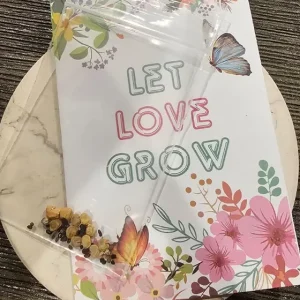
Our offering includes 20 high-quality Prairie Milkweed seeds, ensuring you have a good start to establishing this beneficial native perennial in your garden. Once mature, Prairie Milkweed (Asclepias sullivantii) typically reaches a height of 2–4 feet, with a spread of about 1–2 feet, forming an upright, clump-forming growth habit. The plant produces beautiful clusters of pink to rose-colored flowers during the summer months, usually from June to August, providing a long season of nectar for pollinators. These seeds are provided in a single seed packet, ready for stratification and planting. Expect germination within 2–4 weeks after planting, with mature flowering plants developing in their second growing season from seed. This pack of native perennial seeds is ideal for creating a dedicated pollinator garden or enhancing existing landscapes, offering a significant contribution to local biodiversity with each monarch butterfly plant.
Frequently Asked Questions
- Q: How many Prairie Milkweed seeds are included in this pack? A: Each pack contains 20 high-quality Prairie Milkweed seeds, providing a generous quantity for starting your pollinator garden.
- Q: What is the best time to plant Prairie Milkweed seeds? A: After cold stratification, the best time to plant these Asclepias sullivantii seeds is in the spring, after the last danger of frost has passed.
- Q: Does Prairie Milkweed require special soil conditions? A: Prairie Milkweed prefers well-drained, moderately fertile soil. It is adaptable but will not tolerate consistently wet conditions.
- Q: How much sunlight does Prairie Milkweed need? A: This plant thrives in full sun, requiring at least 6-8 hours of direct sunlight per day to produce the most abundant blooms and support monarch caterpillars.
- Q: Is this a good plant for attracting monarch butterflies? A: Yes, Prairie Milkweed is an excellent choice as a monarch butterfly plant, serving as a critical host for their caterpillars and providing nectar for adult butterflies.
- Q: Is Prairie Milkweed drought-tolerant? A: Once established, Prairie Milkweed is highly drought-tolerant, making it a sustainable and low-maintenance option for various garden settings.
- Q: What USDA hardiness zones are suitable for Prairie Milkweed? A: Prairie Milkweed is generally suitable for USDA hardiness zones 3-9, indicating its adaptability to a wide range of climates. This makes it a versatile native perennial seeds option.
- Q: How tall does Prairie Milkweed grow? A: Mature Prairie Milkweed plants typically reach a height of 2–4 feet, adding significant vertical interest to your garden landscape.
- Q: Do these milkweed for pollinators need cold stratification? A: Yes, Prairie Milkweed seeds benefit significantly from cold stratification for 30-60 days before planting to ensure optimal germination rates.
- Q: Can I grow Prairie Milkweed in containers? A: While best suited for in-ground planting, Prairie Milkweed can be grown in large containers with proper drainage and consistent moisture, though it may not reach its full size.


Reviews
There are no reviews yet.