Overview
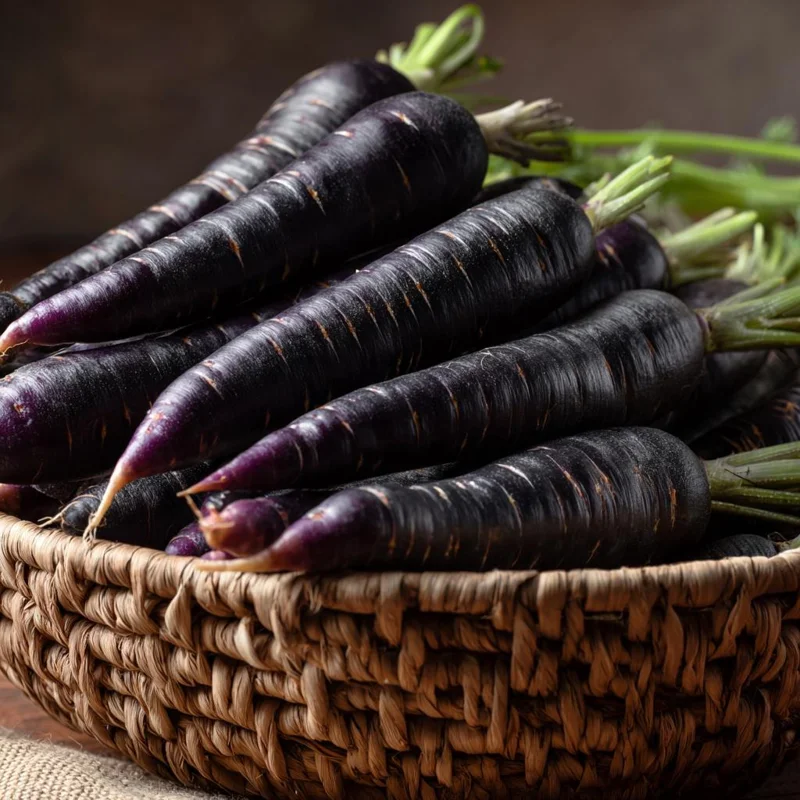
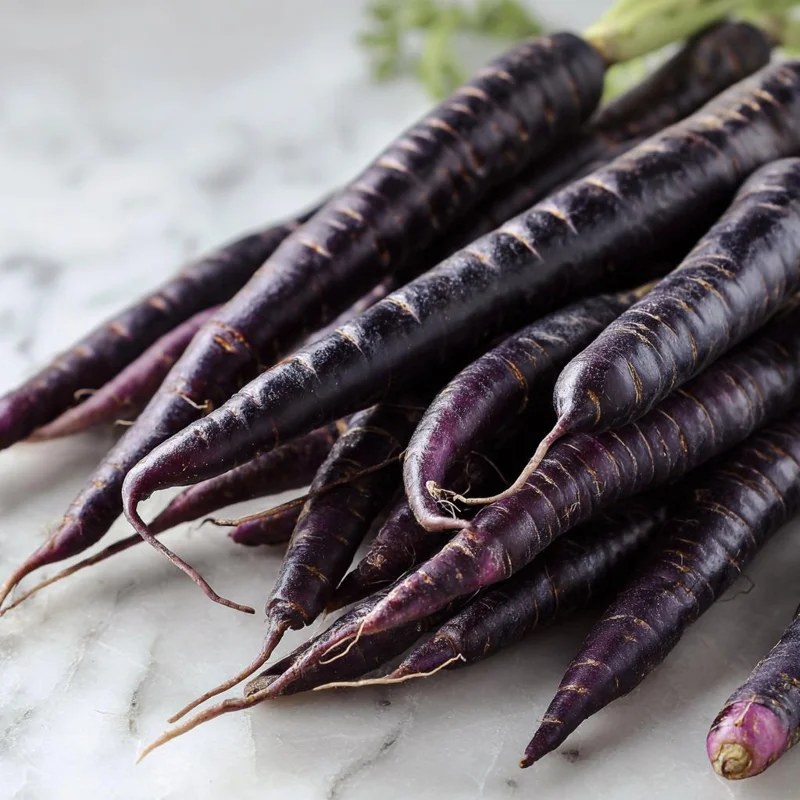
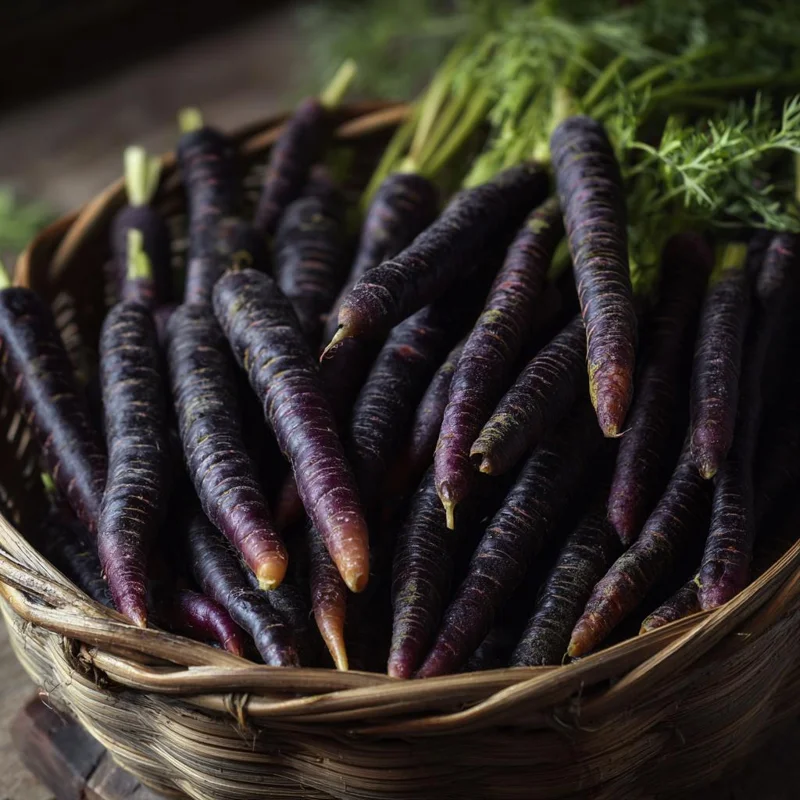
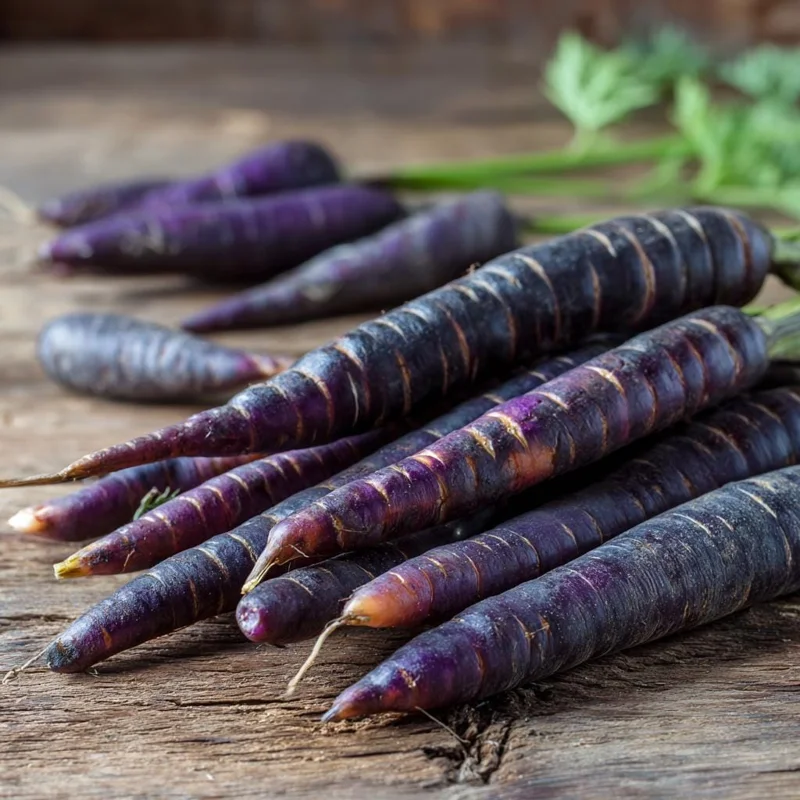
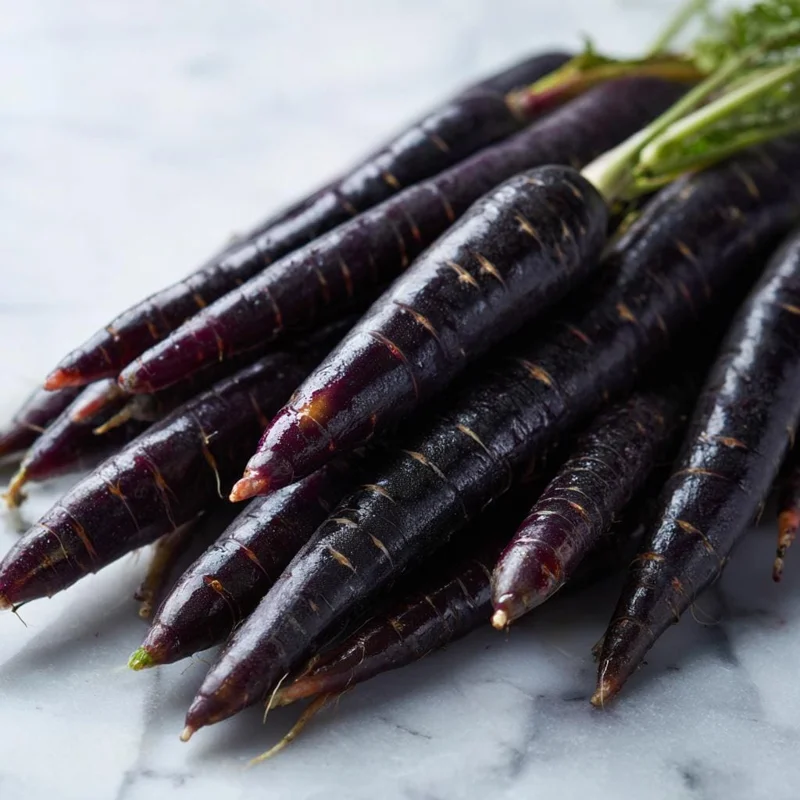
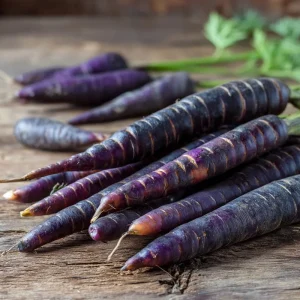
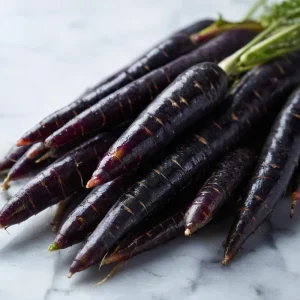
Discover the captivating beauty and exceptional nutrition of Black Nebula Carrot seeds. This heirloom variety, Daucus carota, is celebrated for its intensely deep purple color, both inside and out, making it a showstopper in any garden and on any plate. Unlike ordinary carrots, the Black Nebula Carrot boasts a rich concentration of anthocyanins, powerful antioxidants responsible for its striking hue and numerous health benefits. These carrots offer a delightfully sweet and crisp texture, perfect for a variety of culinary uses, from fresh snacking and vibrant salads to roasting and juicing. Hardy and productive, these seeds promise a rewarding harvest for home gardeners seeking both visual appeal and superior flavor.
Growing Black Nebula carrots means you’re cultivating a piece of gardening history while enjoying fresh, nutritious produce. They are an excellent choice for adding unique color to your vegetable patch and encouraging children to eat their veggies. Plant these purple carrot seeds and watch your garden transform with their distinctive charm, providing delicious and healthy produce.
Each pack contains approximately 250 high-quality Black Nebula Carrot seeds, ensuring a generous yield for your home garden. These open-pollinated seeds allow for seed saving, preserving this remarkable variety for future seasons. Experience the joy of harvesting vibrant, nutrient-packed carrots directly from your backyard.
Key Benefits
Our Black Nebula Carrot seeds offer a range of benefits for both gardeners and health-conscious consumers. These unique carrots are more than just a novelty; they are a powerhouse of nutrition and a joy to grow, making growing Black Nebula carrots a truly rewarding experience:
- Exceptional Antioxidant Content: The deep purple color indicates a very high level of anthocyanins, potent antioxidants that support overall health and well-being. Enjoy nutrient-rich, antioxidant-rich carrots directly from your garden.
- Striking Visual Appeal: Add a dramatic splash of color to your garden beds and culinary creations. These carrots retain their vibrant purple hue even after cooking, making dishes visually stunning and a conversation starter.
- Sweet & Crisp Flavor: Beyond their looks, Black Nebula Carrots offer a delicious, sweet flavor and a satisfyingly crisp texture, making them a favorite for fresh eating, juicing, and cooking.
- Versatile Culinary Use: Perfect for salads, roasting, juicing, stir-fries, or simply eaten raw. Their unique color makes them a delightful addition to any meal, enhancing both taste and presentation.
- Heirloom Quality: Grow a piece of gardening heritage with these open-pollinated heirloom carrot seeds. You can save seeds for future plantings, ensuring the continuation of this remarkable variety.
- Productive & Hardy: These carrots are known for being vigorous growers and producing a good yield in home garden settings, making them a reliable choice for gardeners of all experience levels.
- Nutrient-Dense: In addition to powerful antioxidants, these carrots provide essential vitamins and minerals, contributing significantly to a healthy and balanced diet.
Plant Care & Growing Tips
Successful growing Black Nebula carrots begins with proper planting and attentive care. Sow Black Nebula Carrot seeds directly outdoors 2–4 weeks before the last expected frost, or as soon as the soil can be worked in spring. Carrots prefer loose, well-drained soil that is free of rocks and debris, which can cause roots to fork. Plant seeds ¼ inch deep, spacing them about 1 inch apart in rows 12–18 inches apart. After germination, thin seedlings to 2–3 inches apart to give each carrot ample space to develop straight, healthy roots. Consistent moisture is crucial for germination and root development; keep the soil evenly moist but not waterlogged.
Choose a location in your garden that receives full sun, meaning at least 6 hours of direct sunlight per day. While heirloom carrot seeds are adaptable, fertile, well-drained soil is key for optimal growth. Avoid heavy clay soils, as they can hinder root development. Mulch lightly around the plants to help retain soil moisture, suppress weeds, and keep the soil temperature consistent. Fertilize lightly with a balanced, organic fertilizer if your soil is poor, but avoid excessive nitrogen, which can lead to lush foliage and small roots. Harvest your purple carrot seeds when roots reach 6–8 inches long for the best flavor, color, and antioxidant content. Continue to water consistently, especially during dry spells, to prevent bitterness and cracking. These antioxidant-rich carrots are generally hardy and disease-resistant, making them a great choice for various climates.
For best results, ensure your planting area has good air circulation and consider companion planting with rosemary, lettuce, or radishes to deter pests. Rotating crops annually can also help maintain soil health and prevent disease buildup. With proper care, your Black Nebula Carrot seeds will yield a bountiful and beautiful harvest.
Size & Details
Our Black Nebula Carrot seeds are provided in packs containing approximately 250 seeds, ensuring a generous yield for your home garden. This heirloom variety typically produces roots that mature to an impressive 6-8 inches in length, with a diameter of about 1-2 inches at the crown. The foliage can reach a height of 10-14 inches. These carrots are an annual crop, completing their life cycle in one growing season. From sowing, you can expect to harvest these beautiful, antioxidant-rich carrots in approximately 70-80 days. They are best grown in an outdoor garden setting, thriving in temperate climates. The seeds are small and easy to handle, suitable for direct sowing. Each seed is carefully selected to ensure high germination rates and robust plant growth, contributing to a successful harvest of these unique purple carrot seeds.
Frequently Asked Questions
- Q: How many seeds are included in a pack? A: Each pack contains approximately 250 Black Nebula Carrot seeds, providing plenty for a productive garden patch and multiple planting cycles.
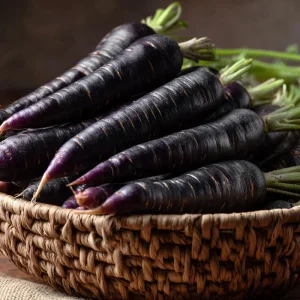
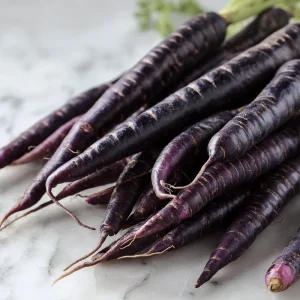
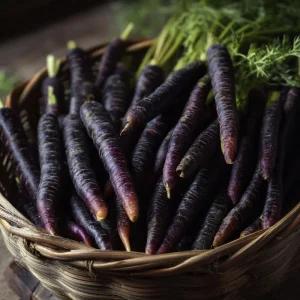
- Q: What color are Black Nebula Carrots? A: These carrots are a striking deep purple, both on the exterior and throughout the interior, making them truly unique among purple carrot seeds and a vibrant addition to any dish.
- Q: Are these carrots good for juicing? A: Yes, Black Nebula Carrots are excellent for juicing. Their vibrant color and sweet flavor make for a delicious and highly nutritious juice, packed with antioxidants.
- Q: When is the best time to plant Black Nebula Carrot seeds? A: Sow seeds directly outdoors 2–4 weeks before the last expected frost in spring, or as soon as the soil is workable, typically from early spring through mid-summer.
- Q: How much sunlight do these carrots need? A: Growing Black Nebula carrots requires full sun, meaning at least 6 hours of direct sunlight per day for optimal root development and color intensity.
- Q: Are these heirloom seeds? A: Yes, these are open-pollinated heirloom carrot seeds, meaning you can save seeds from your harvest to plant in future seasons, preserving this exceptional variety.
- Q: How long does it take for Black Nebula Carrots to mature? A: From planting, you can typically expect to harvest these antioxidant-rich carrots in about 70-80 days, depending on growing conditions and climate.
- Q: What kind of soil is best for Black Nebula Carrots? A: They thrive in loose, well-drained, fertile soil that is free of rocks and compacted areas. A sandy loam soil with a pH between 6.0 and 6.8 is ideal.
- Q: Can I grow Black Nebula Carrots in containers? A: Yes, you can grow them in deep containers, at least 10-12 inches deep, to allow for proper root development and prevent forking. Ensure good drainage.
- Q: What are the health benefits of these purple carrots? A: Their deep purple color is due to high levels of anthocyanins, powerful antioxidants known for various health-promoting properties, including supporting cardiovascular health and vision.
- Q: What is the USDA hardiness zone for Black Nebula Carrots? A: As an annual vegetable, carrots are typically grown in all USDA zones during their appropriate growing season. They are not dependent on perennial hardiness zones.


Reviews
There are no reviews yet.