Overview
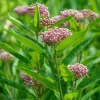
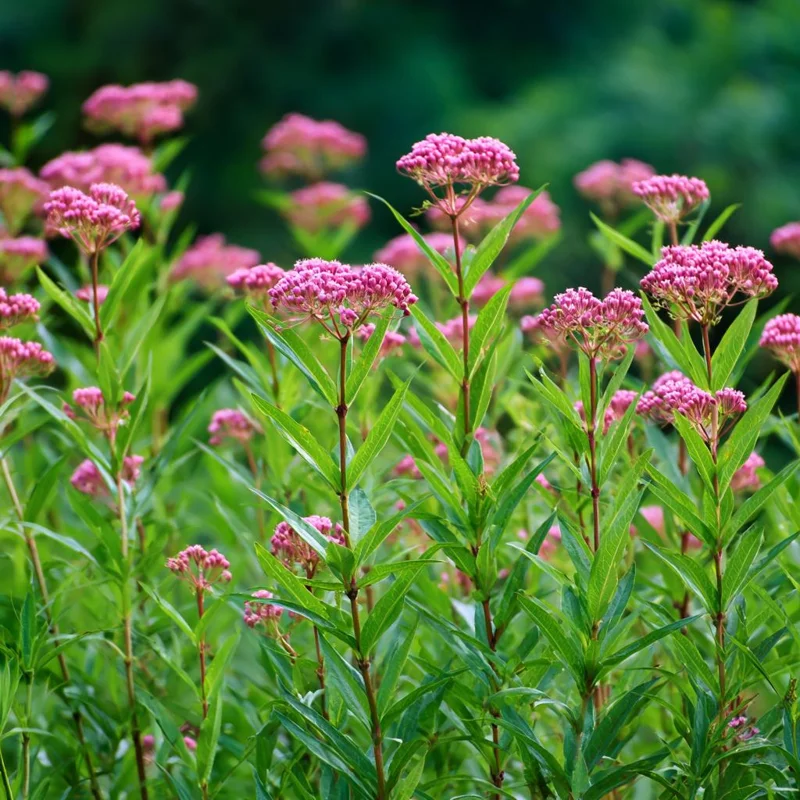
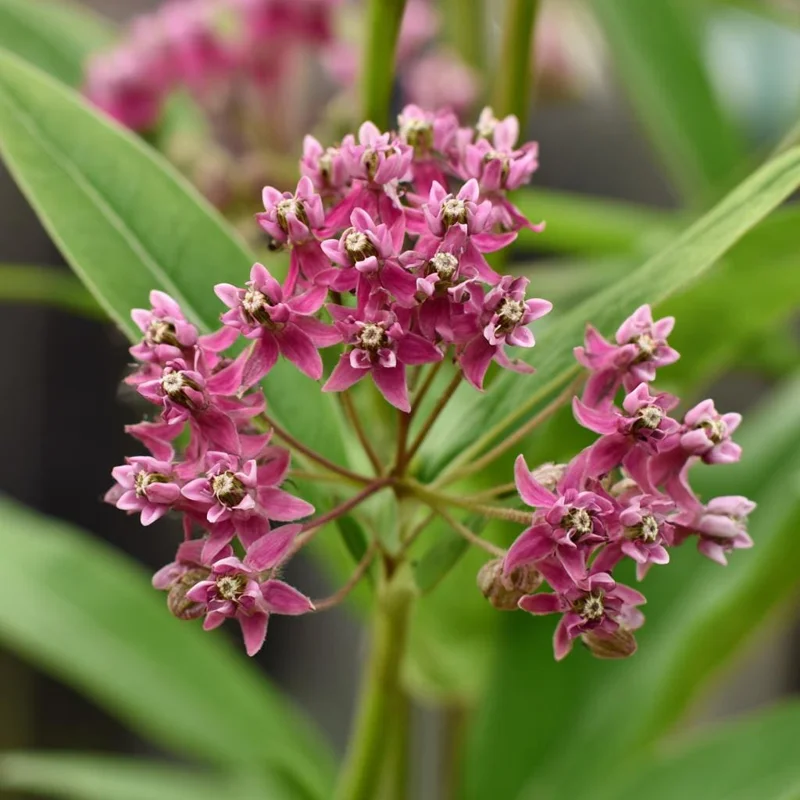
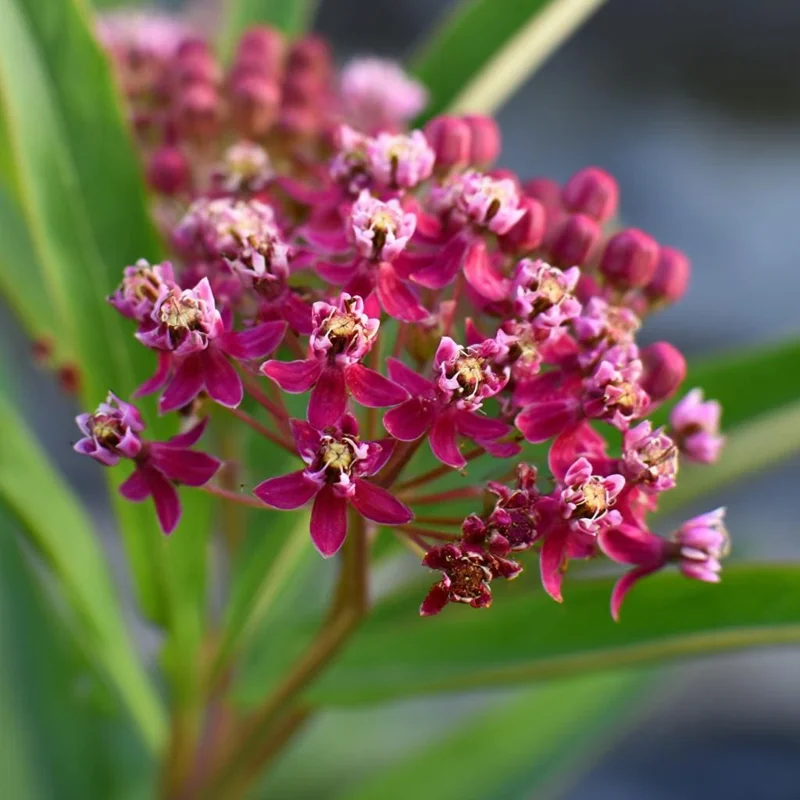
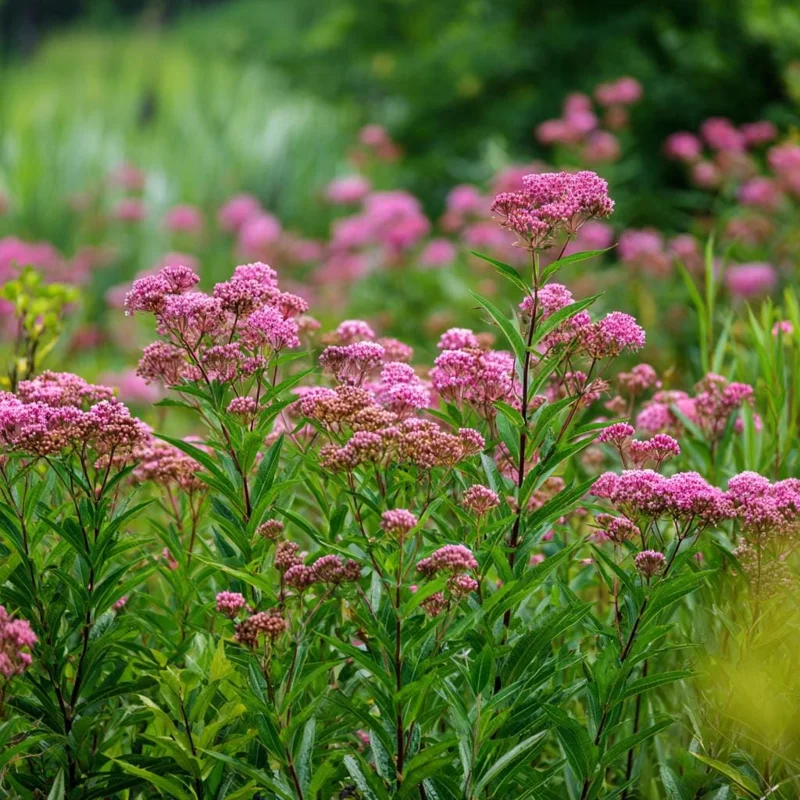
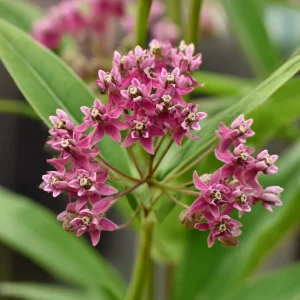
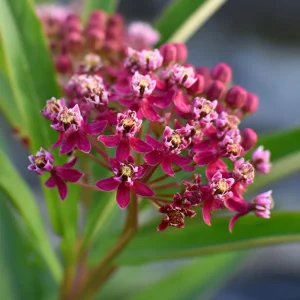
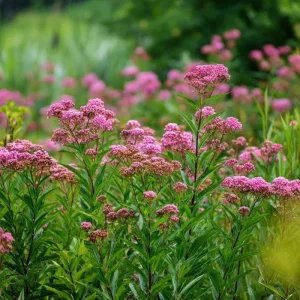
Transform your garden into a thriving ecosystem with our premium swamp milkweed seeds. Also known by its botanical name Asclepias incarnata, this native perennial is a vital resource for local wildlife. Each packet contains 50 swamp milkweed seeds, offering a generous start to cultivating a beautiful, ecologically beneficial landscape. Valued for its striking pink to mauve flowers, Swamp Milkweed is a magnet for butterflies, bees, and other beneficial pollinators, playing a crucial role in supporting biodiversity. This hardy plant is perfectly suited for garden beds, wet areas, and naturalized landscapes, adding vibrant color and texture while providing essential nectar and host plant resources.
The adaptability of Asclepias incarnata to moist soils makes it an excellent choice for rain gardens, pond sides, and areas with consistent moisture. Unlike some other milkweed varieties, swamp milkweed seeds are specifically adapted to wetter conditions, ensuring robust growth where other plants might struggle. By planting these native pollinator plant seeds, you’re not only enhancing the aesthetic appeal of your property but also contributing to the conservation of vital pollinator populations. These seeds are an excellent way to introduce a key species for local wildlife.
Key Benefits
Growing swamp milkweed seeds offers a multitude of advantages for both your garden and the environment. This remarkable native plant is easy to establish and provides continuous beauty and ecological benefit throughout its growing season.
- Attracts Pollinators: The vibrant pink to mauve flowers are highly attractive to a wide array of pollinators, including monarch butterflies, bees, and other beneficial insects. Planting swamp milkweed seeds directly supports these crucial species, boosting local biodiversity.
- Supports Monarch Butterflies: As a type of milkweed, Asclepias incarnata is a critical host plant for monarch butterfly caterpillars. By growing these seeds, you provide essential food and habitat for their life cycle, making it a vital monarch butterfly host plant.
- Ideal for Wet Areas: This plant thrives in moist to wet soils, making it perfect for rain gardens, bog gardens, and pond borders where other plants may not flourish. It’s a natural fit for areas prone to standing water, truly a milkweed for wet areas.
- Low Maintenance: Once established, swamp milkweed is remarkably hardy and requires minimal care, making it an excellent choice for gardeners seeking both beauty and ease. Its resilience makes it a rewarding addition to any landscape.
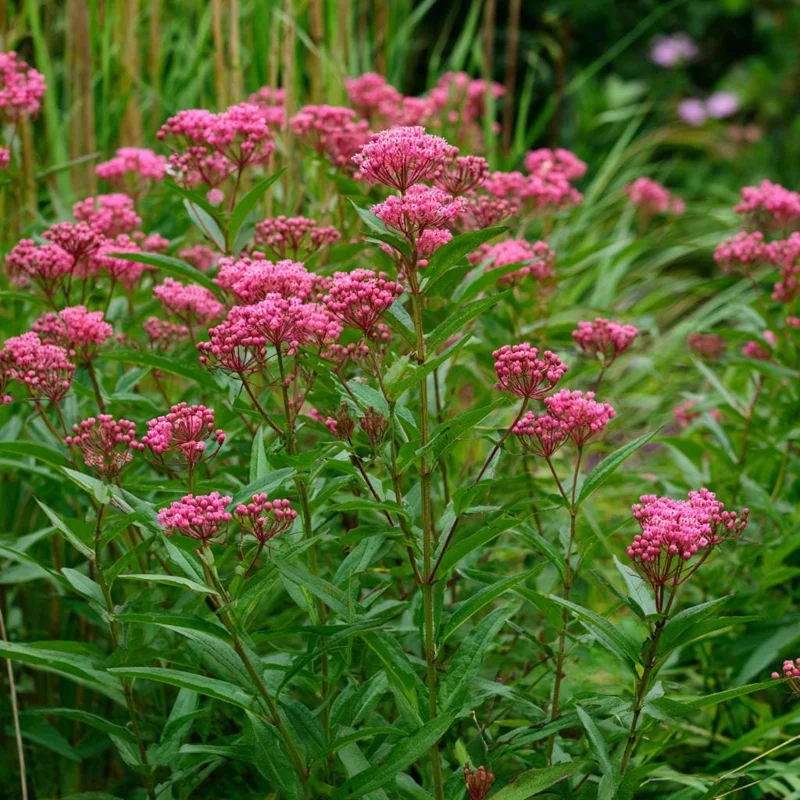
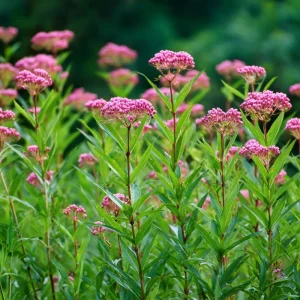
- Adds Vibrant Color: The clusters of pink to mauve flowers provide a stunning visual display from mid-summer to early fall, enhancing the aesthetic appeal of any garden space. These blooms create a captivating focal point.
- Native Ecosystem Support: As a native pollinator plant, it contributes to the health and resilience of local ecosystems, promoting biodiversity and natural balance. This helps restore natural habitats.
- Deer and Rabbit Resistant: Swamp Milkweed is generally resistant to deer and rabbits, offering peace of mind that your valuable plants will remain undisturbed and flourish unharmed.
Plant Care & Growing Tips
Successfully growing swamp milkweed seeds requires attention to a few key conditions, primarily focused on moisture and sunlight. This plant is a true sun-lover and performs best when receiving at least six hours of direct sunlight per day. In shadier conditions, it may produce fewer flowers and become leggy. When selecting a planting site, consider an area that receives full sun exposure throughout the day. The ideal soil for swamp milkweed is consistently moist, fertile, and well-drained, yet capable of retaining water. It can tolerate heavy clay soils as long as they remain wet, making it suitable for low-lying areas or alongside water features. Ensuring consistent moisture is key to the health of your Asclepias incarnata seeds.
For seed sowing, cold stratification is often beneficial or even necessary for Asclepias incarnata seeds to germinate properly. You can sow seeds outdoors in late fall or early spring, allowing natural cold stratification, or you can stratify them indoors in a refrigerator for 30-60 days before planting. Plant seeds about ¼ inch deep. Keep the soil consistently moist throughout the germination period, which typically takes 14-28 days. Once seedlings emerge, thin them to 12-18 inches apart to ensure adequate air circulation and growth. Regular watering is crucial, especially during dry spells, to maintain the moist soil conditions that swamp milkweed prefers. Minimal fertilization is needed; a balanced, slow-release fertilizer can be applied in spring if your soil is poor. Deadhead spent flowers to encourage prolonged blooming and prevent rampant self-seeding if desired. This hardy and low-maintenance native pollinator plant will thrive once established, providing years of beauty and ecological benefit, particularly in wet environments where other plants struggle.
Size & Details
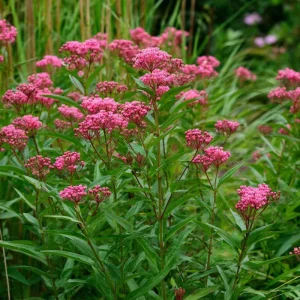
Our offering includes 50 swamp milkweed seeds, providing a solid foundation for establishing a significant patch of this beautiful native plant. When mature, swamp milkweed typically grows to a height of 3 to 5 feet, with a spread of 2 to 3 feet, forming an upright clump. The plant produces clusters of fragrant pink to mauve flowers that bloom from July to September, depending on your climate zone. These seeds are ideal for direct sowing in garden beds or starting indoors for transplanting. Expect robust growth and flowering within the first year or two after successful germination, creating an impactful display and vital habitat. This monarch butterfly host plant is a vigorous grower under optimal conditions.
Each seed packet is carefully prepared to ensure viability, allowing gardeners to successfully cultivate this important species. The mature plants are known for their strong stems and attractive foliage, which remains lush even in moist conditions. Whether you’re creating a dedicated pollinator garden, enhancing a rain garden, or simply adding native beauty to your landscape, these swamp milkweed seeds offer an excellent opportunity to grow a resilient and beneficial plant, especially as a milkweed for wet areas. These seeds are your first step to creating a biodiverse garden.
Frequently Asked Questions
- Q: How many seeds are included in this packet? A: This packet contains 50 swamp milkweed seeds, providing ample opportunity to establish a healthy population of this beautiful native plant in your garden or landscape. This quantity allows for a good start to a pollinator-friendly area.
- Q: What are the sunlight requirements for swamp milkweed? A: Swamp milkweed thrives in full sun, requiring at least 6 hours of direct sunlight per day for optimal growth and flowering. It can tolerate partial sun but may produce fewer blooms and become leggy.
- Q: Is this plant suitable for beginners? A: Yes, swamp milkweed is considered relatively easy to grow, especially when its moisture and sunlight needs are met. It’s a hardy and low-maintenance native pollinator plant once established, making it a great choice for new gardeners.
- Q: What kind of soil does swamp milkweed prefer? A: This plant prefers consistently moist to wet, fertile, well-drained soil. It’s an excellent choice for areas with high moisture content, such as rain gardens or near pond edges, making it a perfect milkweed for wet areas.
- Q: When is the best time to plant swamp milkweed seeds? A: You can sow Asclepias incarnata seeds outdoors in late fall for natural cold stratification over winter, or in early spring after stratifying them indoors for 30-60 days. This prepares the seeds for optimal germination.
- Q: How tall does swamp milkweed grow? A: Mature swamp milkweed plants typically reach a height of 3 to 5 feet, with a spread of 2 to 3 feet, creating a substantial and attractive presence in the garden. Its upright habit adds structure to the landscape.
- Q: Will this plant attract monarch butterflies? A: Absolutely! Swamp milkweed is a crucial host plant for monarch butterfly caterpillars and a significant nectar source for adult monarchs, making it a vital addition for monarch conservation. It is a key monarch butterfly host plant.
- Q: Is cold stratification necessary for these seeds? A: Cold stratification for 30-60 days is highly recommended for swamp milkweed seeds to improve germination rates significantly. This process mimics natural winter conditions, breaking seed dormancy.
- Q: Is swamp milkweed deer resistant? A: Yes, swamp milkweed is generally considered deer and rabbit resistant, which is a great advantage for gardeners in areas with wildlife pressure. Its natural compounds deter these animals.
- Q: What USDA hardiness zones is swamp milkweed suitable for? A: Swamp milkweed is hardy in USDA Zones 3-9, making it adaptable to a wide range of climates across North America. This broad range ensures many gardeners can successfully grow it.


Reviews
There are no reviews yet.