Overview
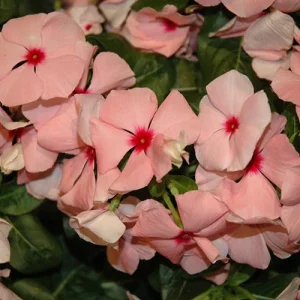
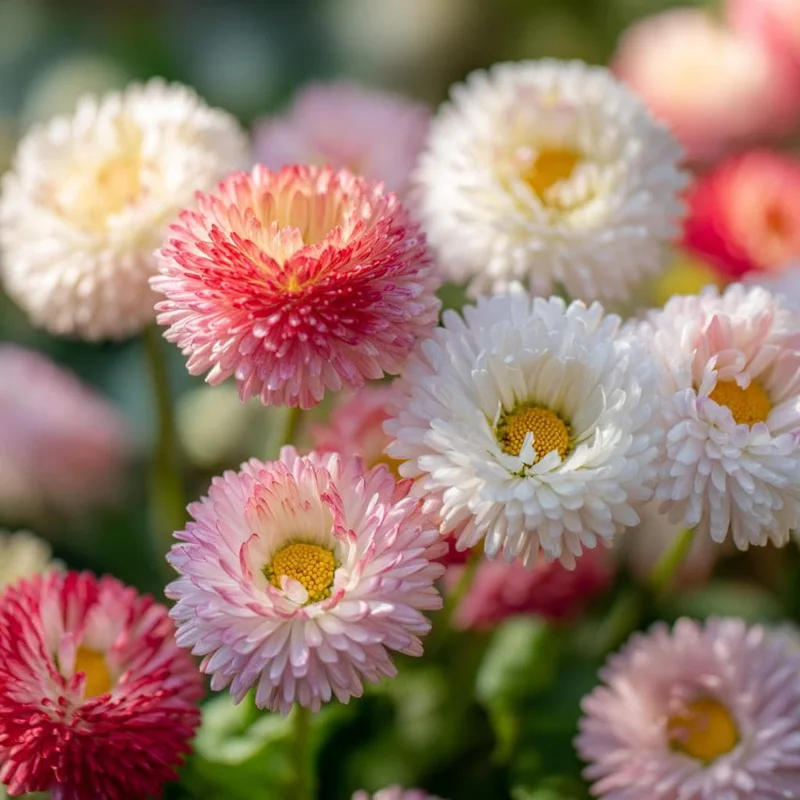
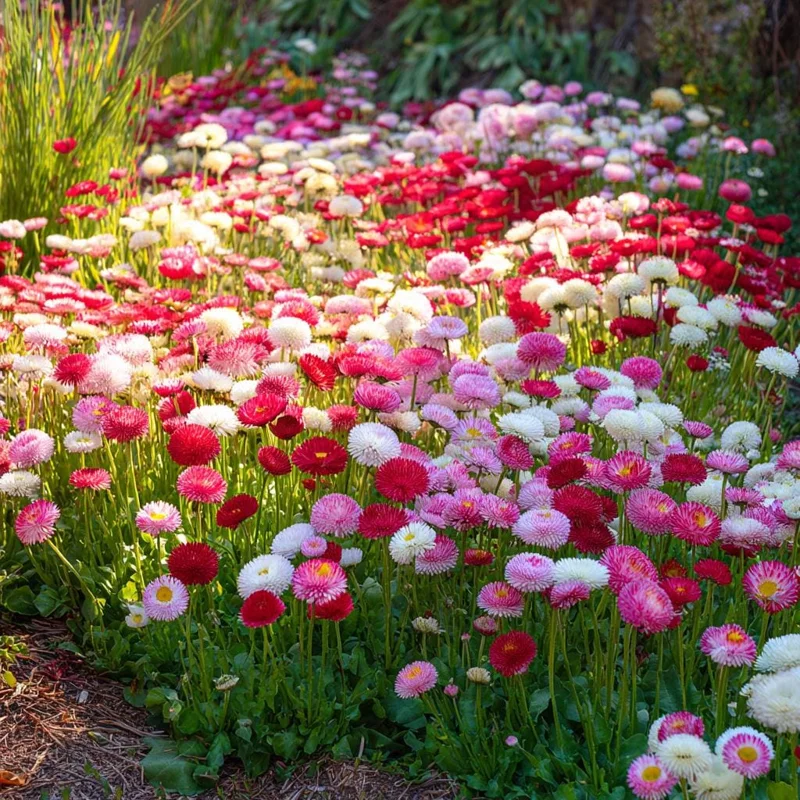
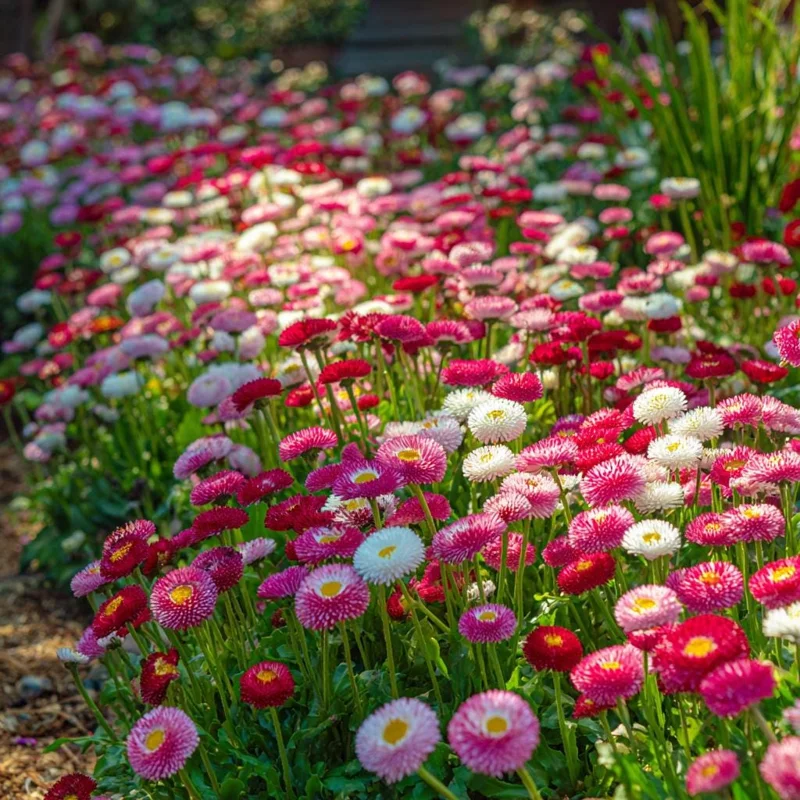
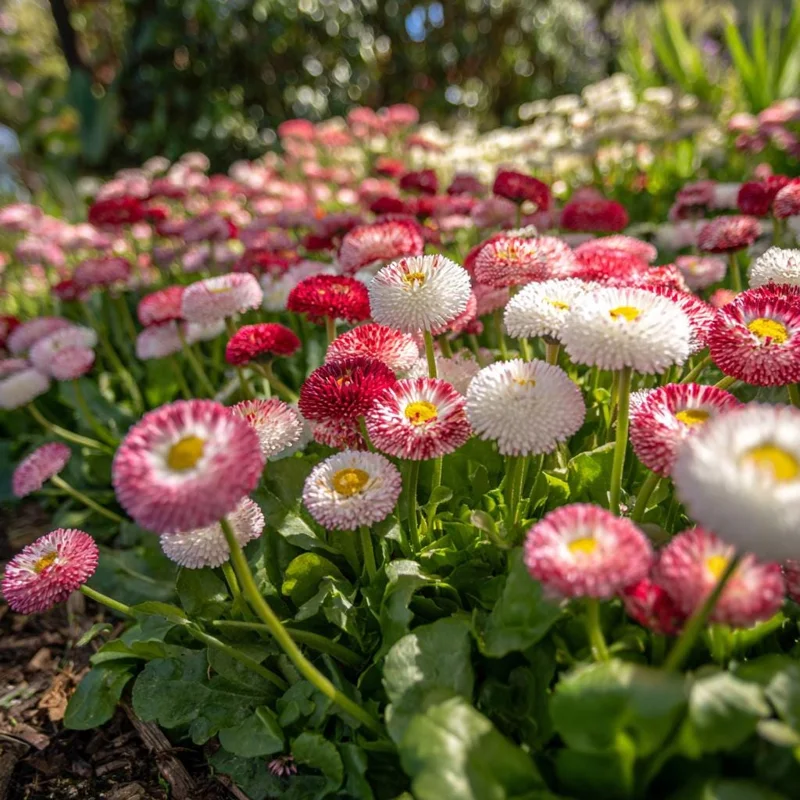
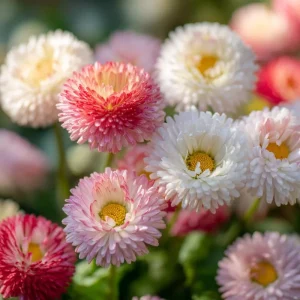
Transform your outdoor space with our premium selection of Bellis English Daisy seeds. This generous pack contains 200 seeds, offering a delightful mix of pink, white, and red hues that will bring a cheerful burst of color to any garden. Known botanically as Bellis perennis, the English Daisy is a timeless favorite, celebrated for its charming, button-like blooms. These compact, low-growing plants are perfect for creating picturesque cottage garden flowers, adding a touch of classic beauty to borders, rock gardens, and containers. Easy to cultivate, these seeds promise a rewarding gardening experience, allowing you to grow English Daisy plants that provide dense, long-lasting floral displays throughout the spring and, in milder climates, even into the fall.
Originating from Europe, the Bellis English Daisy has long been admired for its simple yet elegant beauty. This particular mix ensures a stunning visual contrast, making it an excellent choice for gardeners looking to add vibrant focal points or soft, natural edging to their pathways and flowerbeds. Ideal for pairing with other spring favorites like tulips, pansies, and violas, these daisies contribute to a lush and inviting garden atmosphere. With our high-quality Bellis English Daisy seeds, you can easily establish a garden that exudes charm and natural grace.
Key Benefits
Planting Bellis English Daisy seeds offers numerous advantages, from enhancing garden aesthetics to providing a relatively low-maintenance option for both novice and experienced gardeners. These versatile flowers are a fantastic addition to various garden designs.
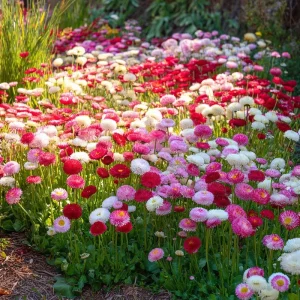
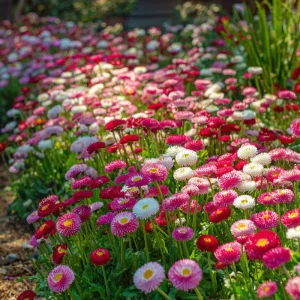
- Vibrant Color Mix: Enjoy a beautiful blend of soft pink, pure white, and vivid red blooms, creating a dynamic and eye-catching display that brightens any corner of your garden. This mix ensures a diverse and appealing visual experience, perfect for creating stunning cottage garden flowers.
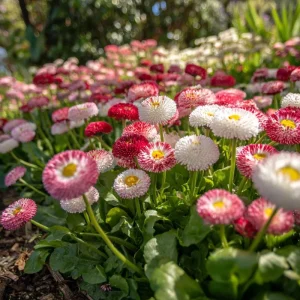
- Compact & Versatile Growth: The low-growing and compact nature of these daisies makes them perfect for edging, ground cover, rock gardens, and container planting. They fit seamlessly into various garden layouts, providing continuous color and making it easy to grow English Daisy in various settings.
- Long Blooming Period: English Daisies offer extended bloom times, particularly in spring, and can re-bloom in fall in suitable climates. This provides prolonged enjoyment of their cheerful flowers.
- Easy to Grow & Maintain: These seeds are straightforward to sow and the plants require minimal care once established, making them an excellent choice for beginners or those seeking low-effort beauty. Learning to grow English Daisy is a simple process.
- Attracts Pollinators: While not a primary pollinator magnet, the simple, accessible blooms can attract early spring beneficial insects, contributing to a healthier garden ecosystem.
- Cottage Garden Aesthetic: Perfect for achieving that classic, romantic cottage garden look. The traditional charm of these flowers complements a relaxed and natural garden design.
- Companion Planting: English Daisies pair wonderfully with other spring annuals and bulbs, enhancing mixed plantings and creating layered floral arrangements. For those looking to understand English Daisy plant care, their compatibility with other plants is a key aspect.
Plant Care & Growing Tips
Proper care ensures your Bellis English Daisy seeds flourish into beautiful, healthy plants. Understanding their basic needs will help you achieve a vibrant display. Sow Bellis English Daisy seeds indoors 8–10 weeks before the last frost for an early start, or directly outdoors in early spring or fall. When sowing, lightly press the seeds onto the surface of moist, well-draining soil; do not cover them, as light is crucial for germination. Maintain consistent soil moisture and a temperature of 65–70°F (18–21°C). Germination typically occurs within 14–21 days.
Once seedlings are sturdy, transplant them, spacing plants 6–8 inches apart to allow for full coverage and air circulation. English Daisies thrive in full sun to partial shade, preferring cool, moist, well-drained soil. Regular watering is essential to maintain even soil moisture, especially during warm or dry periods. While they appreciate consistent moisture, avoid overwatering, which can lead to root rot. For optimal growth and continuous blooming, deadhead spent flowers regularly. This practice encourages the plant to produce more blooms and helps maintain a tidy appearance. In mild climates, you may even see a second flush of blooms in the fall, extending your garden’s color. Understanding English Daisy plant care involves monitoring soil moisture and providing adequate light.
These plants are generally low-maintenance, but a light application of balanced liquid fertilizer every 4-6 weeks during the blooming season can promote more vigorous growth and flowering. Protect young plants from extreme heat in summer by providing some afternoon shade. Bellis perennis seeds are known for their resilience, making them a great choice for various garden settings. If you want to know how to grow English Daisy successfully, remember that consistent moisture and proper light are key.
Size & Details
This product includes 200 Bellis English Daisy seeds, providing ample opportunity to cultivate a beautiful patch of these charming flowers. Each seed promises to grow into a compact plant, typically reaching a height of 4-8 inches (10-20 cm) and spreading about 6-12 inches (15-30 cm) wide. The plants are low-growing, forming dense clumps of foliage and flowers, making them ideal for ground cover or front-of-border plantings. The seeds are packaged to ensure freshness and viability, ready for sowing indoors or directly into your garden.
English Daisies are known for their relatively fast growth rate from seed, with blooms typically appearing in spring from fall-sown seeds, or late spring to early summer from spring-sown seeds. They are an annual in most regions, though in mild climates (USDA Zones 4-8), they can sometimes behave as short-lived perennials or biennials, self-seeding to return year after year. The button-like flowers are approximately 1-2 inches (2.5-5 cm) in diameter, showcasing their delightful pink, white, and red mix. When you grow English Daisy from these seeds, you can expect a full and vibrant display, enhancing your collection of cottage garden flowers.
Frequently Asked Questions
- Q: How big do English Daisy plants get? A: English Daisy plants typically grow to a compact height of 4-8 inches (10-20 cm) and spread about 6-12 inches (15-30 cm) wide. They form dense, low-growing clumps, perfect for borders and containers when you grow English Daisy.
- Q: What is the best time to plant Bellis English Daisy seeds? A: You can sow Bellis English Daisy seeds indoors 8–10 weeks before the last frost or directly outdoors in early spring or fall. Fall planting often results in earlier spring blooms in suitable climates.
- Q: How much sunlight do English Daisies need? A: English Daisies thrive in full sun to partial shade. They prefer cooler conditions, so in hotter climates, partial shade, especially in the afternoon, can help them perform better. This is crucial for successful English Daisy plant care.
- Q: Are these seeds suitable for container gardening? A: Yes, English Daisies are excellent for container gardening due to their compact size and dense growth habit. They create beautiful, full displays in pots and window boxes.
- Q: How long does it take for the seeds to germinate? A: Bellis perennis seeds typically germinate within 14–21 days when kept moist and at a temperature of 65–70°F (18–21°C). Light is required for their germination.
- Q: Do English Daisies come back every year? A: In most regions, English Daisies are grown as annuals. However, in mild climates (USDA Zones 4-8), they can sometimes act as short-lived perennials or biennials, often self-seeding to return in subsequent years if conditions are favorable.
- Q: What kind of soil do English Daisies prefer? A: They prefer cool, moist, and well-draining soil. A rich, loamy soil amended with organic matter will provide the best growing conditions for your Bellis English Daisy seeds.
- Q: Do I need to deadhead English Daisies? A: Yes, deadheading spent flowers will encourage the plant to produce more blooms and help maintain a neat appearance throughout the blooming season. This is a simple but effective part of English Daisy plant care.
- Q: Are these flowers good for cutting? A: While small, the charming blooms can be cut and used in miniature arrangements or as delicate accents in mixed bouquets, adding a touch of cottage garden charm.
- Q: Can I sow these seeds directly into my lawn? A: While possible, for best results and a more concentrated display, it’s recommended to sow them in prepared garden beds or containers where they can receive consistent moisture and light without competition from turf grass.


Reviews
There are no reviews yet.