Overview
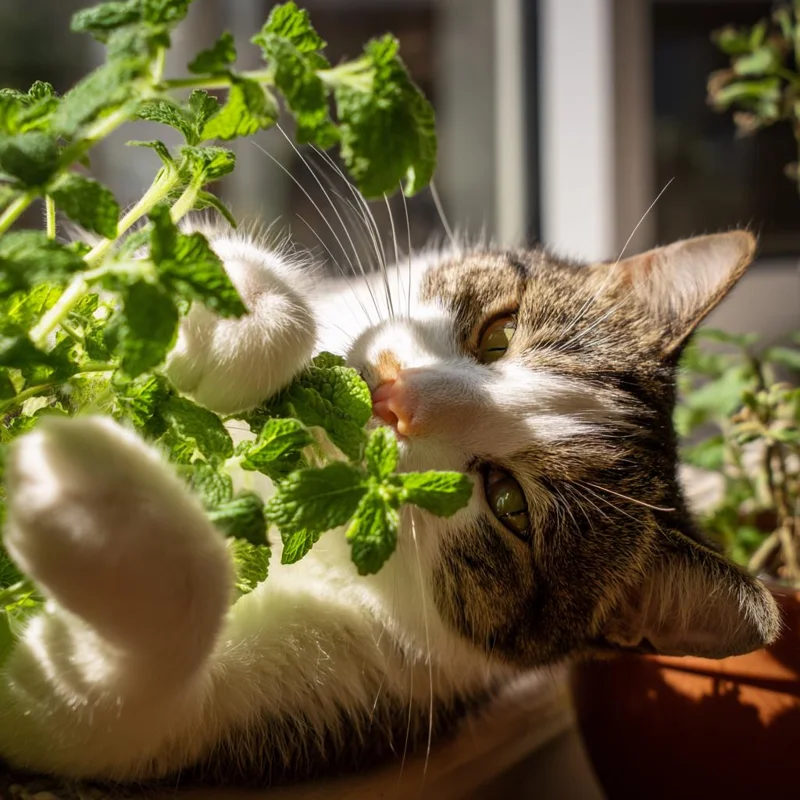
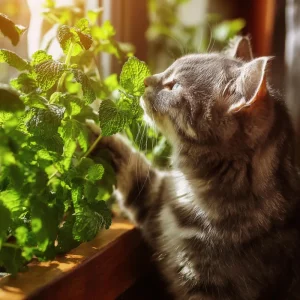
Elevate your garden and delight your feline companions with these premium organic catnip seeds. Each packet contains 300 high-quality Nepeta cataria seeds, ready to sprout into a lush, aromatic perennial herb. Known scientifically as Nepeta cataria, catnip is celebrated for its distinctive scent, which has a captivating effect on many cats, often inducing playful and euphoric behaviors. Beyond its appeal to pets, catnip is also a delightful addition to any garden, attracting vital pollinators like bees and butterflies, contributing to a healthy ecosystem. Growing catnip from seed ensures you have a fresh, chemical-free supply for teas, remedies, or simply for your cat’s enjoyment. This hardy plant is easy to establish and maintain, making it an excellent choice for gardeners of all skill levels.
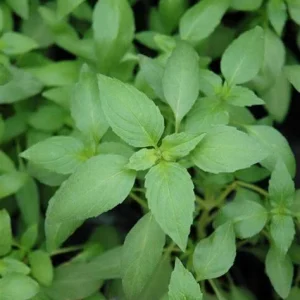
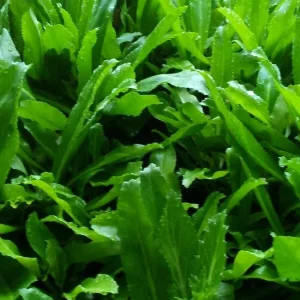
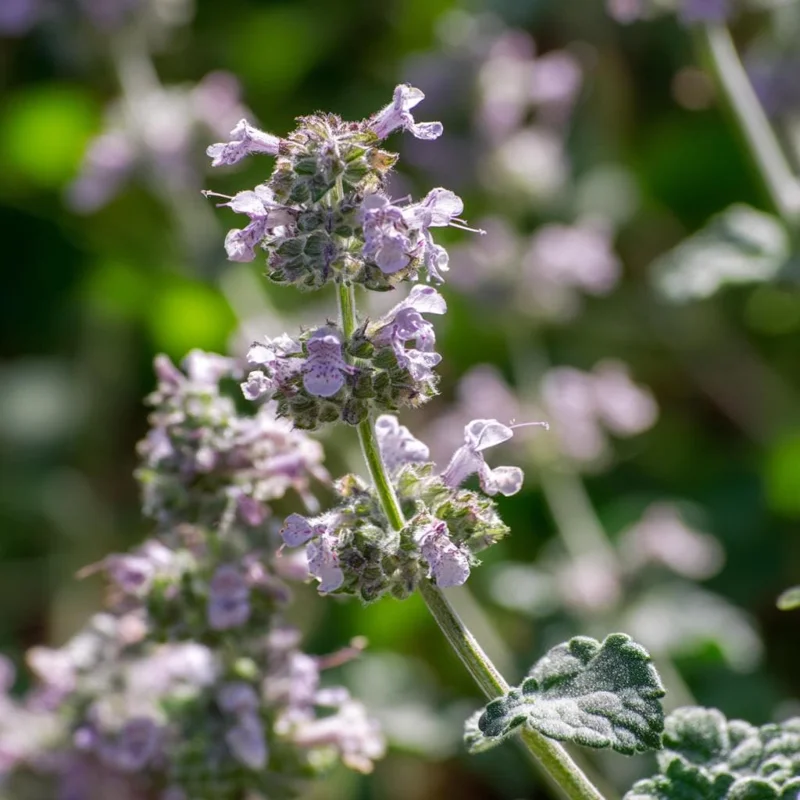
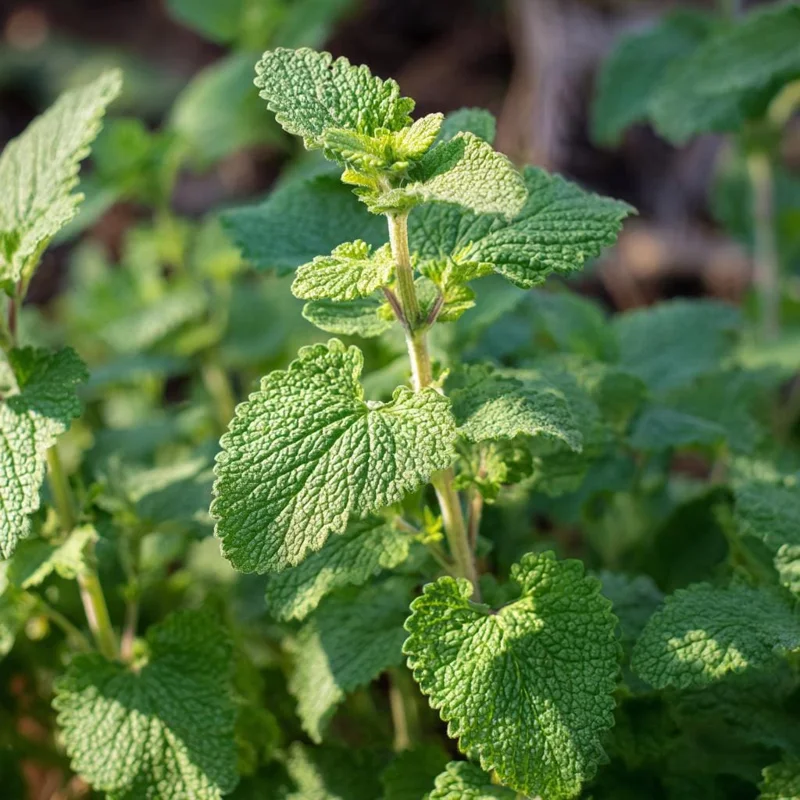
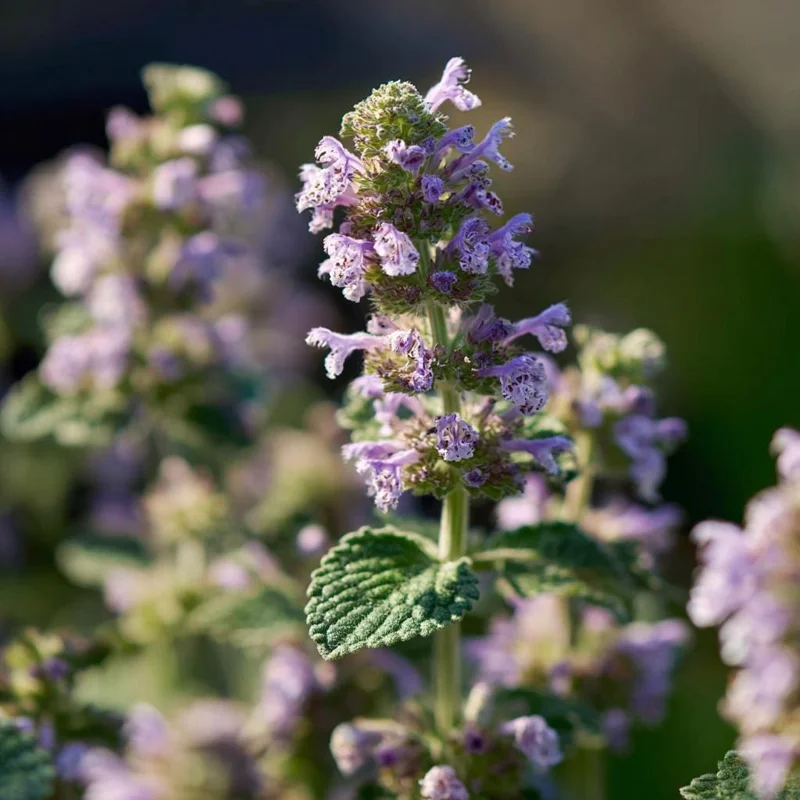
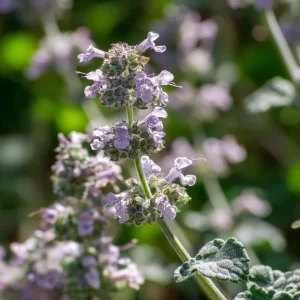
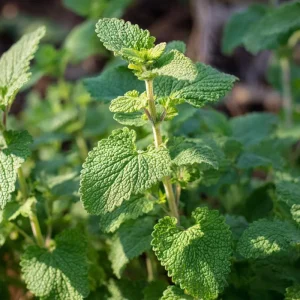
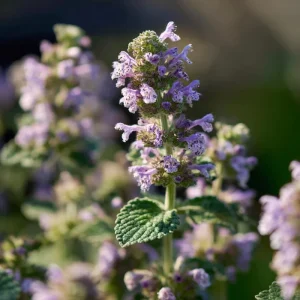
Our organic catnip seeds are a fantastic way to introduce a versatile and beneficial plant into your home or garden. Nepeta cataria is a robust herb that thrives in various conditions, producing attractive foliage and charming lavender flowers. It’s an ideal choice for herb gardens, borders, or even containers, adding texture and a pleasant fragrance. By choosing to grow catnip from seed, you embark on a rewarding gardening journey, providing a natural treat for your pets and a haven for local wildlife.
Key Benefits
Cultivating your own catnip from organic catnip seeds offers a multitude of advantages for both your garden and your household. This remarkable herb is more than just a feline stimulant; it’s a valuable addition to any green space, providing both aesthetic beauty and practical uses.
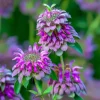
- Attracts Pollinators: The delicate lavender blooms of Nepeta cataria are a magnet for bees, butterflies, and other beneficial insects, helping to pollinate your garden and support local biodiversity. Ensuring your garden is pollinator friendly herbs is crucial for ecosystem health, and organic catnip seeds are a great start.
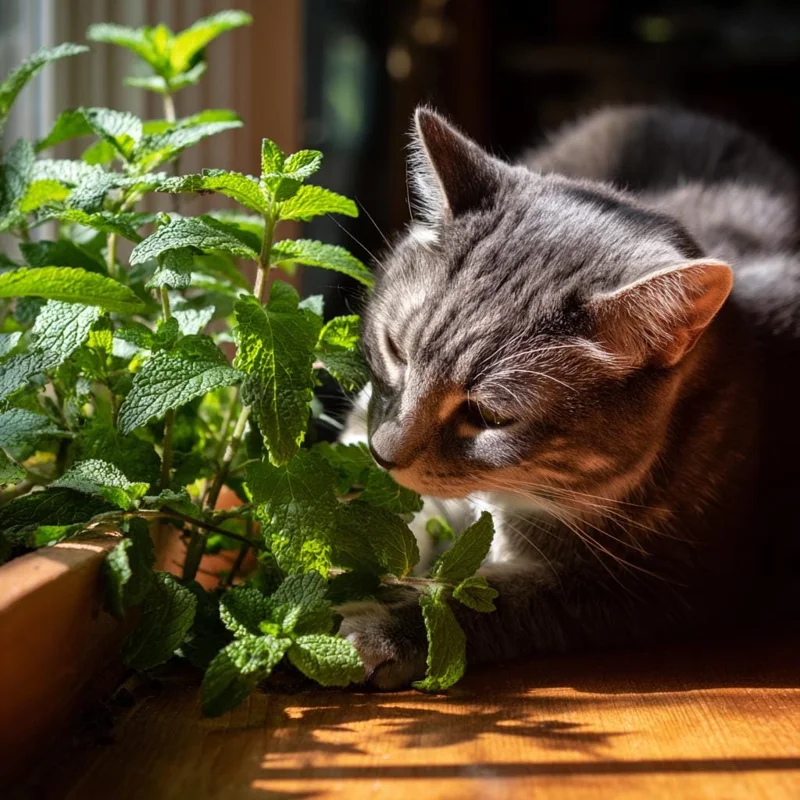
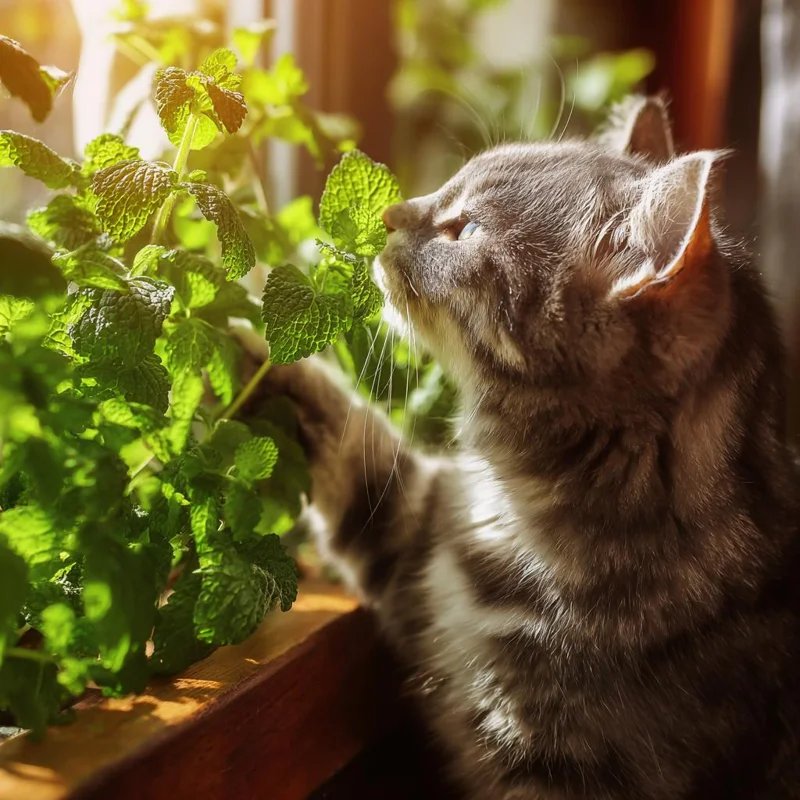
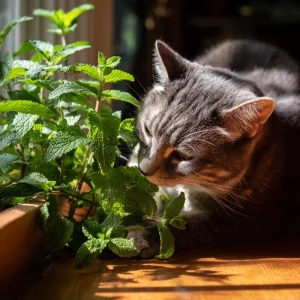
- Delights Cats: Catnip is famously known for its ability to attract and stimulate cats, providing them with natural entertainment and enrichment. Growing your own guarantees a fresh, potent supply for your beloved pets.
- Easy to Grow: These Nepeta cataria seeds are incredibly forgiving, making them suitable for beginners. Catnip is a hardy perennial that requires minimal fuss once established, offering a low-maintenance gardening experience. Learning about catnip plant care is straightforward.
- Aromatic & Ornamental: The fragrant foliage and subtle flowers add a lovely aesthetic and pleasant aroma to herb gardens, borders, or even indoor pots. It’s a beautiful way to introduce an herbaceous element to your landscape.
- Versatile Uses: Beyond pet entertainment, catnip leaves can be used in herbal teas for their calming properties or in natural remedies. This makes catnip a great choice for those interested in herbalism.
- Organic & Chemical-Free: By growing catnip from seed, you ensure that your catnip is free from harmful pesticides and chemicals, providing a safe and natural product for your pets and family.
- Deters Pests: While attracting beneficial insects, catnip can also deter certain garden pests, acting as a natural companion plant.
Plant Care & Growing Tips
Successfully growing catnip from seed is a rewarding experience, and with the right care, your Nepeta cataria plants will thrive. Sow your organic catnip seeds indoors 6-8 weeks before the last expected frost date, or directly outdoors in spring once all danger of frost has passed. Lightly press the small seeds onto the surface of well-draining soil without covering them deeply, as they require light for germination. Maintain consistent moisture in the soil until germination occurs, which typically takes between 10 to 21 days. Once seedlings are established, thin them to provide adequate space for healthy growth.
For optimal growth, catnip prefers a location with full sun to partial shade. Full sun encourages denser foliage and more prolific flowering, while partial shade can be beneficial in hotter climates to prevent scorching. The plant is quite adaptable but thrives best in well-draining soil. Avoid heavy, waterlogged conditions, as this can lead to root rot. Water moderately, allowing the top inch or two of soil to dry out between waterings. Once mature, catnip is relatively drought-tolerant. Pruning lightly will encourage bushier growth and can extend the flowering period, ensuring a continuous supply of fresh leaves. This simple catnip plant care routine will result in vigorous, healthy plants that are also pollinator friendly herbs.
Catnip is a hardy perennial, generally suitable for USDA zones 3-9, though it can be grown as an annual in colder regions or overwintered indoors in containers. It requires minimal fertilization; a balanced, all-purpose fertilizer applied once in spring is usually sufficient. Keep an eye out for common garden pests, though catnip is generally pest-resistant. Its resilience and ease of care make it a fantastic addition to any garden desiring both beauty and utility, especially when starting with high-quality Nepeta cataria seeds.
Size & Details
These organic catnip seeds will mature into a robust perennial herb, typically reaching a height of 1-3 feet (30-90 cm) with a similar spread. The growth rate is vigorous, forming dense clumps of aromatic foliage. The plants produce delicate lavender-colored flowers, which usually appear from late spring through fall, attracting a host of beneficial pollinators. Each packet contains approximately 300 high-quality Nepeta cataria seeds, providing ample opportunity for a successful planting.
Your catnip will be shipped as a packet of seeds, ready for sowing. Under ideal conditions, germination can occur within 10-21 days, with mature plants developing within a single growing season. The plant’s hardiness means it can thrive in a wide range of climates, establishing itself as a long-lasting feature in your garden. Whether you’re growing catnip from seed for the first time or are an experienced gardener, these seeds offer a reliable path to a flourishing catnip patch.
Frequently Asked Questions
- Q: How big does this catnip plant get? A: Organic catnip seeds typically grow into plants that reach 1 to 3 feet in height and spread, forming bushy clumps. The final size can depend on growing conditions and pruning habits.
- Q: Is this an indoor or outdoor plant? A: Catnip (Nepeta cataria) can be grown both indoors in a pot near a sunny window or outdoors in a garden bed. It is a versatile plant suitable for various environments.
- Q: How much sunlight does it need? A: Catnip thrives in full sun to partial shade. At least 6 hours of direct sunlight per day is ideal for the best growth and flowering, though it can tolerate some shade.
- Q: Is this plant easy to care for? A: Yes, catnip plant care is generally considered very easy. It’s a hardy and low-maintenance perennial, making it an excellent choice for beginner gardeners.
- Q: What condition will the seeds arrive in? A: The product consists of a packet of dry, viable Nepeta cataria seeds, ready for planting. They will be securely packaged to ensure their quality upon arrival.
- Q: Can I use organic catnip in cooking or teas? A: Yes, the leaves of organic catnip can be steeped to make herbal teas known for their calming properties. They can also be used in certain culinary applications, though less commonly than for teas.
- Q: When is the best time to plant these seeds? A: You can sow organic catnip seeds indoors 6-8 weeks before the last frost, or directly outdoors in spring after the danger of frost has passed. This is key for successful growing catnip from seed.
- Q: Will it survive winter in my zone? A: Catnip is a perennial hardy in USDA Zones 3-9. In colder zones, it will die back in winter and regrow in spring. In warmer zones, it may remain evergreen.
- Q: How long until the catnip blooms? A: Catnip typically blooms from late spring through fall in its first growing season, depending on when it was planted and growing conditions. The blooms are highly attractive to pollinators, making it one of the best pollinator friendly herbs.
- Q: Are these truly pollinator friendly herbs? A: Absolutely! Catnip flowers are highly attractive to bees, butterflies, and other beneficial pollinators, making them a great addition to a pollinator garden.


Reviews
There are no reviews yet.