Overview
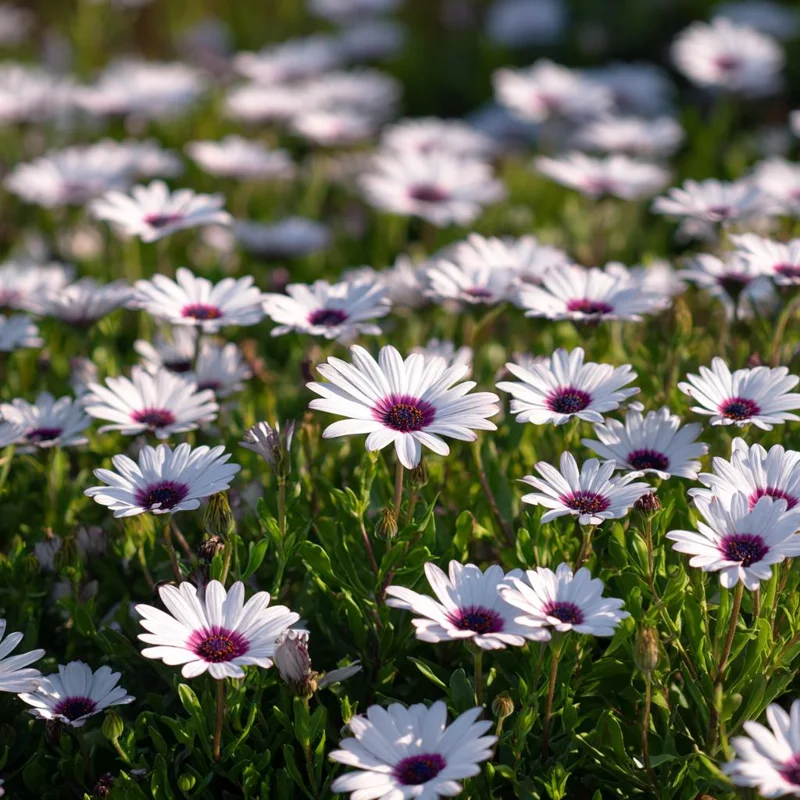
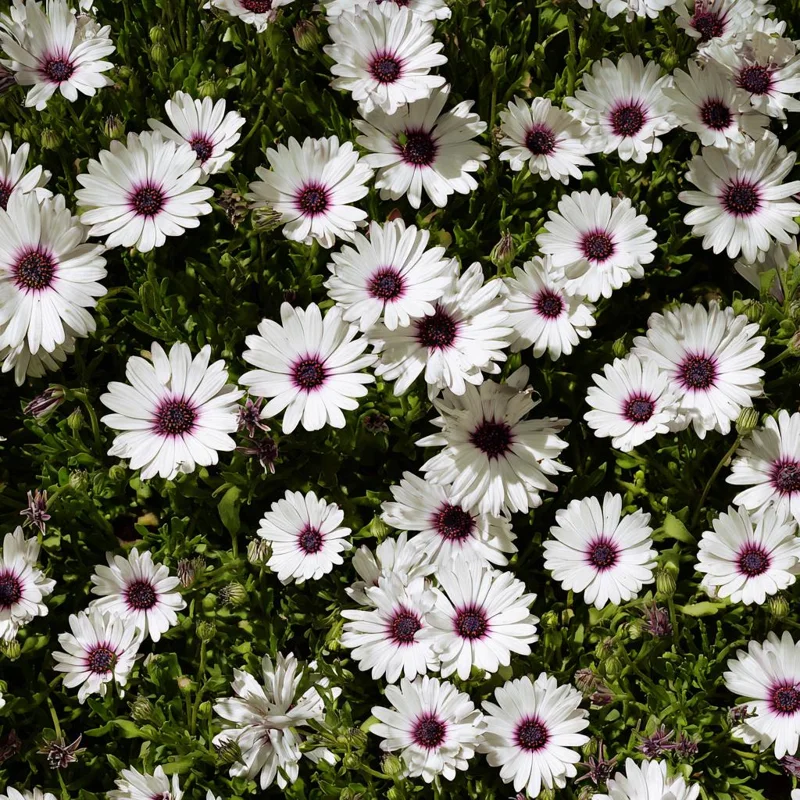
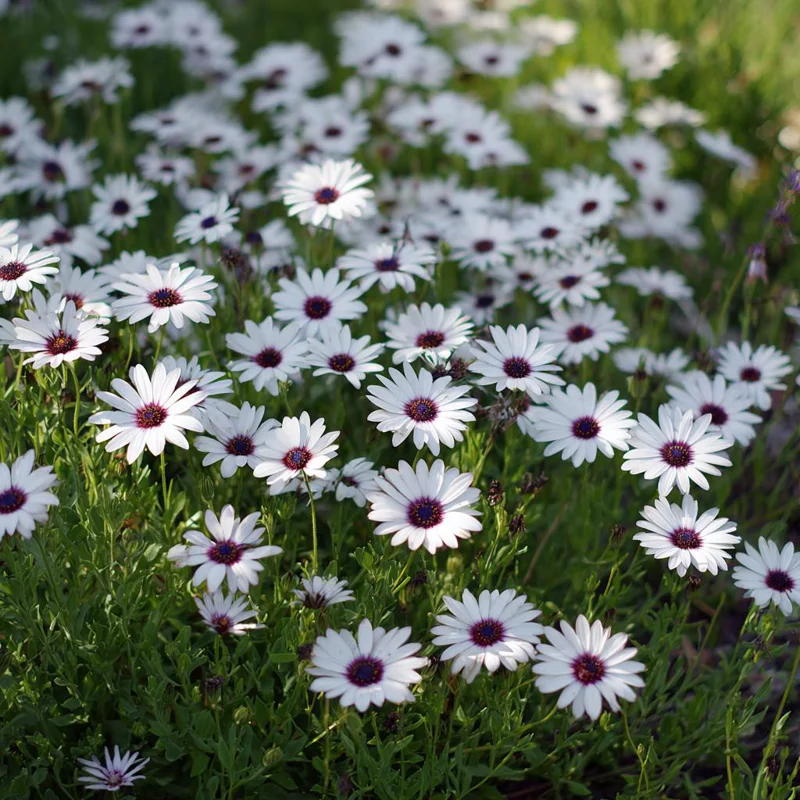
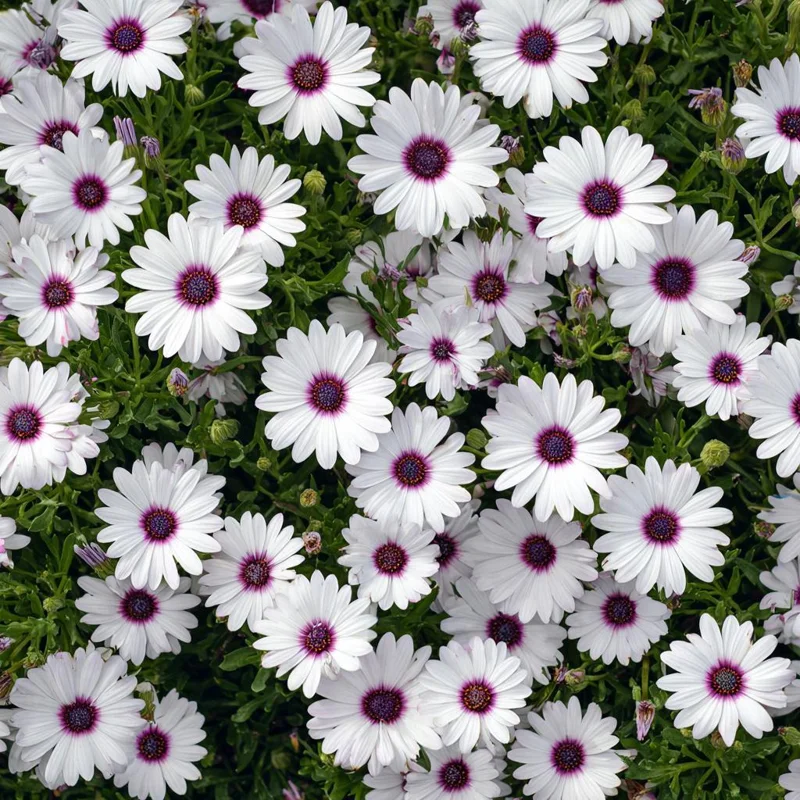
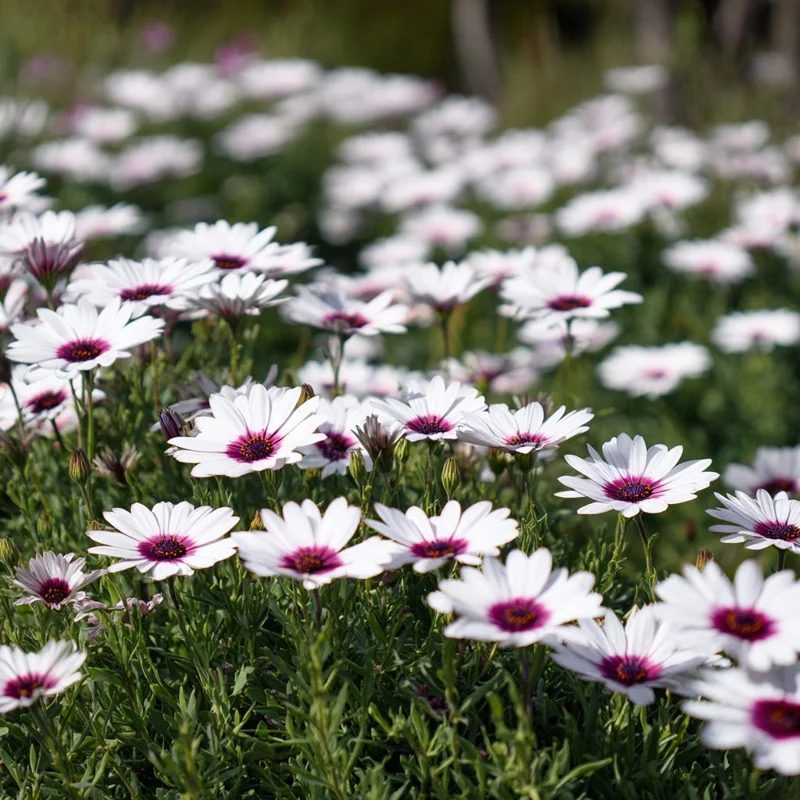
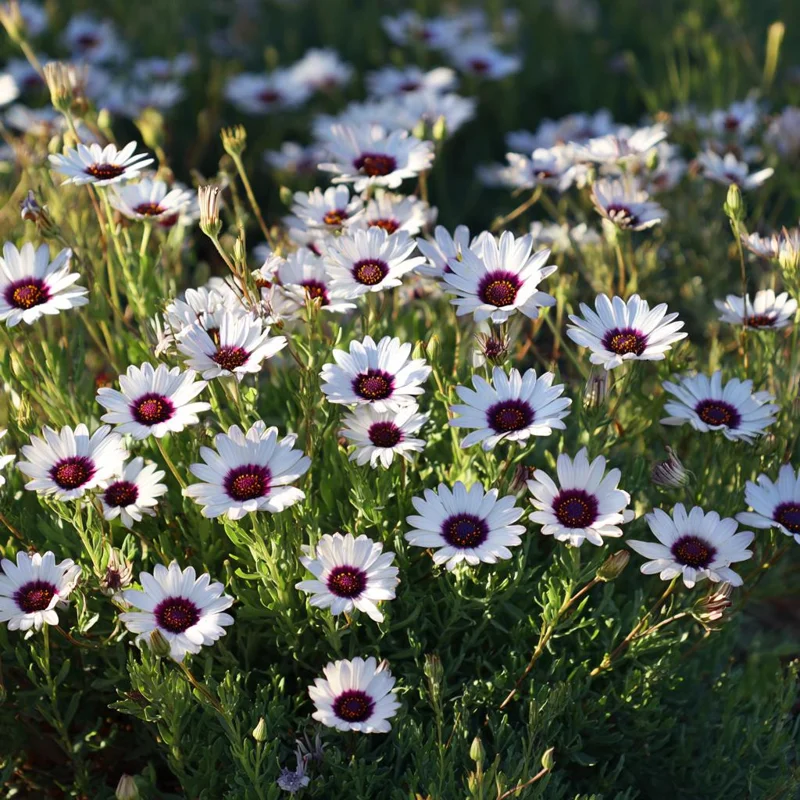
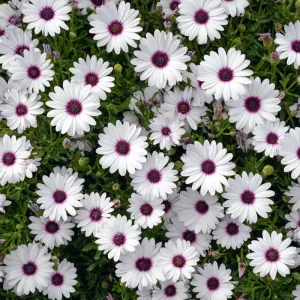
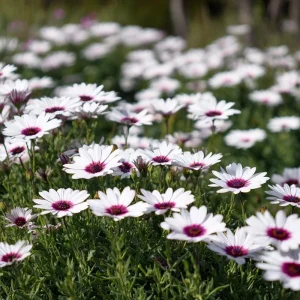
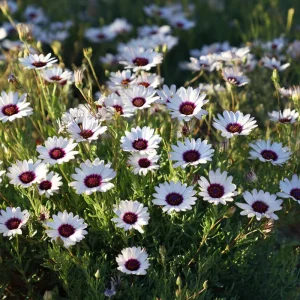
Transform your garden into a vibrant haven with our premium white cape daisy seeds. Each packet provides 60 high-quality seeds of Osteospermum spp., promising a spectacular display of crisp white petals centered around a bright, contrasting disk. These cheerful flowers are a gardener’s delight, offering continuous blooms that significantly enhance any outdoor space. Known for their resilience and striking appearance, osteospermum seeds introduce an element of bright elegance to your flower beds, borders, and container gardens throughout the growing season. They are an excellent choice for creating visually appealing and ecologically beneficial garden spaces, attracting beneficial insects and adding consistent beauty. These robust plants are suitable for both novice and experienced gardeners looking to cultivate stunning floral displays with ease.
Key Benefits
Our white cape daisy seeds offer numerous advantages, making them an essential addition to any garden. They not only provide exceptional aesthetic appeal but also contribute significantly to local ecosystems.
- Attracts Pollinators: These beautiful flowers are a magnet for bees, butterflies, and other beneficial insects, making them excellent for a pollinator friendly seeds garden. Encouraging a diverse range of pollinators can lead to healthier plant growth and a more vibrant, balanced ecosystem, crucial for garden vitality.
- Long-Lasting Blooms: Enjoy continuous flowering throughout the season. White Cape Daisies are celebrated for their extended blooming period, providing consistent color and beauty from late spring until the first frost, ensuring your garden remains lively.
- Easy to Grow: Perfect for gardeners of all skill levels, these seeds are straightforward to sow and maintain. Their adaptability to various conditions makes them a forgiving choice, reducing the effort required to achieve professional-looking results.
- Versatile Garden Use: Whether you’re planning traditional flower beds, intricate borders, charming container gardens, or even rock gardens, these daisies fit seamlessly. Their compact growth habit allows for flexible placement and creative design options in diverse garden settings.
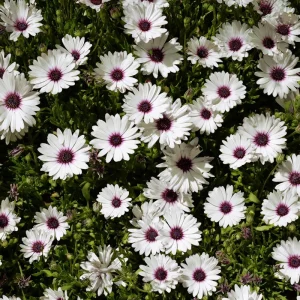
- Adds Bright Elegance: The pure white petals and contrasting central disks create a clean, sophisticated, and bright look. They effortlessly brighten up any corner of the garden, making them a natural focal point and enhancing overall curb appeal.
- Drought Tolerant: Once established, Osteospermum plants are notably drought-tolerant, requiring less frequent watering than many other flowering plants. This characteristic makes them a sustainable choice for water-wise gardening, conserving resources while maintaining beauty.
- Perennial Beauty: As perennial flower seeds, these daisies return year after year in suitable climates, significantly reducing the need for annual replanting. This offers enduring beauty and convenience, allowing you to enjoy their splendor with minimal effort.
Plant Care & Growing Tips
Successfully cultivating white cape daisy seeds begins with proper sowing and continues with consistent, thoughtful care. For best results, sow seeds on the surface of moist, well-draining soil during spring or early summer, after the last threat of frost has passed. Lightly press the seeds into the soil without deep covering, as they often require some light for optimal germination. Maintain consistent moisture in the soil, ensuring it never dries out completely, but also be careful to avoid waterlogged conditions, which can lead to root rot. Provide a location that receives full sun to partial shade; full sun exposure typically encourages the most abundant and vibrant blooms. Germination usually occurs within 10–21 days under ideal conditions of warmth and moisture.
Once the seedlings emerge, thin them as needed to ensure proper spacing and air circulation, or carefully transplant them to their desired permanent locations in your garden or containers. These plants thrive in fertile, well-draining soil with a slightly acidic to neutral pH. Regular watering is crucial, particularly during dry spells and the initial establishment phase, but always allow the top inch or two of soil to dry out between waterings. To encourage continuous blooming and maintain a tidy appearance, practice deadheading regularly by removing spent flowers. This simple practice diverts the plant’s energy from seed production to creating more blooms, extending the flowering season. While generally hardy, consider applying a layer of mulch in colder zones to protect the roots over winter. These are ideal perennial flower seeds for creating a vibrant, low-maintenance, and long-lasting garden display. Learning to grow cape daisy is a rewarding experience.
Size & Details
Each packet contains 60 white cape daisy seeds, providing an ample quantity to establish a beautiful and expansive floral display. These Osteospermum plants typically mature to a height of 12-18 inches (30-45 cm) and can spread about 18-24 inches (45-60 cm) wide, forming attractive, mounded clumps of lush foliage and abundant flowers. The seeds are carefully packaged and shipped in a protective packet, ensuring their viability and readiness for immediate planting upon arrival. Expect a profusion of blooms from late spring through the fall, especially with consistent deadheading practices. The growth rate of these daisies is moderate, with plants generally reaching their mature size within one growing season under favorable environmental conditions. These plants are excellent for creating a lush, full appearance in various garden settings, from mixed beds to standalone containers, offering reliable performance and beauty.
Frequently Asked Questions
- Q: How big do White Cape Daisy plants get? A: White Cape Daisy plants typically grow to a height of 12-18 inches (30-45 cm) and can spread about 18-24 inches (45-60 cm) wide, creating a lovely bushy form that fills out garden spaces beautifully.
- Q: Is this an indoor or outdoor plant? A: While these are primarily outdoor plants that thrive in garden settings, they can be successfully grown in containers and brought indoors in colder climates over winter to protect them, though they prefer outdoor conditions for their most prolific blooming.
- Q: How much sunlight do white cape daisy seeds need? A: White Cape Daisies thrive in full sun, which means they require at least 6 hours of direct sunlight per day for optimal growth and flowering. They can tolerate partial shade, but flowering may be less prolific.
- Q: Is this plant easy to care for? A: Yes, White Cape Daisies are considered relatively easy to grow and maintain, making them an excellent choice for beginners looking to grow cape daisy. They are known for their resilience and low-maintenance nature once established.
- Q: What condition will the seeds arrive in? A: The osteospermum seeds will arrive in a sealed, protective packet designed to ensure their viability and freshness, ready for planting in your garden.
- Q: How long until White Cape Daisy blooms? A: From the time of sowing, you can typically expect your White Cape Daisy plants to begin blooming within 10-12 weeks, providing continuous flowers throughout the summer and fall seasons.
- Q: When is the best time to plant perennial flower seeds like these? A: The best time to sow White Cape Daisy seeds is in spring or early summer, after the last danger of frost has passed, allowing them sufficient time to establish before the peak of summer heat.
- Q: Can these pollinator friendly seeds survive winter in my zone? A: White Cape Daisies are often grown as annuals in colder climates. However, they are perennial in USDA Hardiness Zones 9-11. In other zones, they may not survive winter unless protected or brought indoors.
- Q: What type of soil do White Cape Daisies prefer? A: They prefer fertile, well-draining soil. Good drainage is absolutely crucial to prevent root rot, so amending heavy soils with compost or sand can significantly improve their texture and performance.
- Q: Are these plants deer resistant? A: While no plant is entirely deer-proof, White Cape Daisies are generally considered to be somewhat deer-resistant, making them a good choice for gardens located in areas where deer are a common concern.


Reviews
There are no reviews yet.