Overview
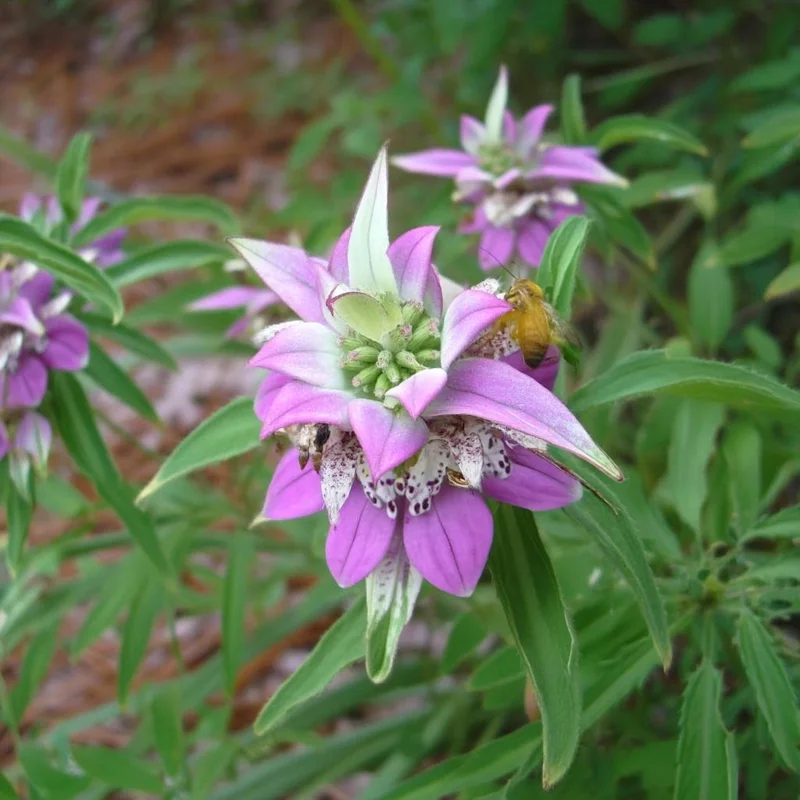
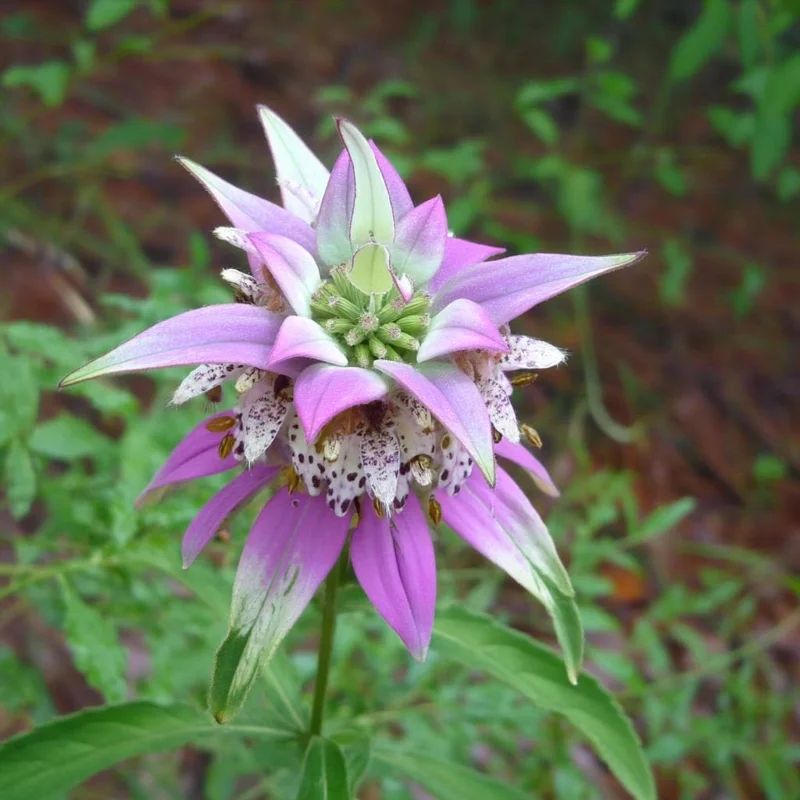
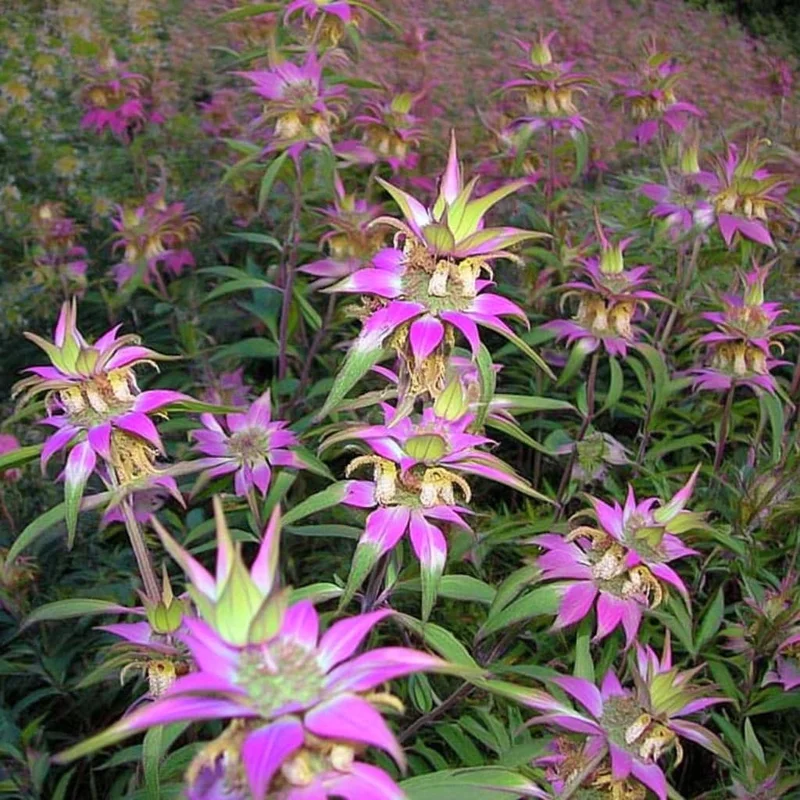
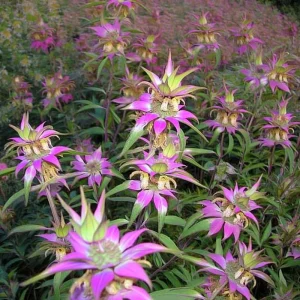
Introduce a vibrant native touch to your garden with spotted bee balm seeds. This remarkable plant, scientifically known as Monarda punctata, is a striking wildflower celebrated for its unique tiered pink-to-purple bracts and distinct spotted tubular blooms. Often referred to as Dotted Mint or Horsemint, this species is not only visually appealing but also highly beneficial for local ecosystems. Growing spotted bee balm seeds allows you to cultivate a dynamic habitat that actively supports essential pollinators. Its highly fragrant foliage, rich in essential oils, makes it an irresistible magnet for bees, butterflies, and hummingbirds, positioning it as a premier choice for any pollinator or wildlife garden.
Cultivating monarda punctata seeds offers an excellent opportunity to enhance biodiversity in your outdoor space. Once established, this resilient wildflower is both heat- and drought-tolerant, thriving in challenging conditions typical of prairies, meadows, and dry, sandy soils. Its adaptability makes it a valuable addition for gardeners seeking low-maintenance yet impactful plantings. Beyond its ecological contributions, spotted bee balm seeds contribute significant aesthetic and aromatic value, ensuring your garden remains a lively and fragrant sanctuary throughout its blooming season. Embrace the natural beauty and ecological advantages by incorporating this exceptional perennial into your landscape.
Key Benefits
Planting spotted bee balm seeds brings a multitude of advantages to your garden, transforming it into a vibrant, thriving ecosystem. These benefits extend beyond simple aesthetics, offering significant ecological and practical value to any outdoor space.
- Attracts Pollinators: The unique blooms and rich nectar of spotted bee balm seeds are a magnet for bees, butterflies, and hummingbirds, significantly boosting the pollinator population in your garden and supporting local ecosystems. These pollinator wildflower seeds are essential for creating a thriving habitat.
- Drought and Heat Tolerant: Once established, this plant is exceptionally resilient to dry conditions and high temperatures, making it a sustainable choice for water-wise gardens and xeriscapes, requiring less supplemental watering.
- Fragrant Foliage: The leaves and flowers of Monarda punctata are rich in essential oils, emitting a pleasant, minty fragrance that enhances the sensory experience of your garden, especially when brushed against.
- Native Wildflower: As a native species, spotted bee balm seeds are perfectly adapted to local climates and soils, requiring less intervention and contributing to the authenticity and ecological balance of a native garden.
- Unique Ornamental Value: Its distinctive tiered bracts and spotted flowers provide an unusual and captivating visual element, adding structural interest and a touch of wild beauty to your landscape that stands out from typical garden blooms.
- Low Maintenance: This hardy perennial thrives with minimal care once established, making it an excellent option for gardeners seeking beautiful plants without extensive upkeep, allowing more time to enjoy your garden.
- Erosion Control: Its robust root system can help stabilize soil in open areas, making horsemint seeds a good choice for naturalized settings and sloped landscapes where soil movement is a concern.
Plant Care & Growing Tips
Successfully growing spotted bee balm seeds begins with understanding their specific needs, though they are relatively forgiving once established. For optimal germination, sow seeds directly outdoors in late fall or early spring. This timing allows natural cold stratification to occur, which aids in breaking dormancy. When sowing, lightly press the tiny monarda punctata seeds into the soil surface without covering them, as they require light for germination. Keep the soil consistently moist but not waterlogged until seedlings emerge, which typically happens within 14–21 days under favorable conditions. For gardeners preferring an earlier start, indoor sowing can be done 6–8 weeks before the last expected frost. Use a well-draining seed-starting mix and provide adequate light for healthy seedling development.
Once seedlings are robust enough, thin or transplant them to stand 12–18 inches apart. This spacing is crucial for ensuring proper airflow, which helps prevent fungal issues, and allows each plant ample room to develop its full, bushy form. Spotted bee balm seeds thrive in full sun to partial shade, requiring at least 6 hours of direct sunlight daily for the best flowering display. They prefer well-drained, sandy, or dry soil, mimicking their natural prairie and meadow habitats. Avoid heavy, clay soils that retain too much moisture, as this can lead to root rot. While young plants need moderate watering, mature plants are remarkably drought-tolerant, making them an excellent choice for low-water landscapes. Deadhead spent flowers to encourage a longer blooming period or allow them to mature and drop seeds for natural reseeding. This hardy perennial is ideal for native gardens, xeriscapes, and creating vibrant pollinator habitats with dotted mint seeds.
Size & Details
These spotted bee balm seeds (Monarda punctata) are supplied as a packet containing approximately 50 viable seeds, providing ample opportunity to establish a beautiful patch of wildflowers. Each seed has the potential to grow into a robust perennial plant that typically reaches a height of 1 to 3 feet (30-90 cm) and spreads about 1 to 2 feet (30-60 cm) wide. The plants are known for their upright, clumping growth habit, with multiple stems emerging from the base. The unique flowers, characterized by their tiered bracts and spotted blooms, are typically seen from mid-summer through early fall, offering an extended period of interest for both gardeners and pollinators. Expect germination within 2-3 weeks under ideal conditions, with flowering usually occurring in the second year after sowing. These pollinator wildflower seeds are shipped in a protective seed packet to ensure their integrity upon arrival.
Frequently Asked Questions
- Q: How tall do plants grown from spotted bee balm seeds get? A: Plants typically grow between 1 to 3 feet (30-90 cm) tall, creating an upright and bushy presence in the garden. Their height can vary slightly based on growing conditions and sunlight availability, but they generally maintain a manageable size.
- Q: What are the sunlight requirements for Monarda punctata? A: Spotted bee balm seeds will grow best in full sun to partial shade. For the most abundant blooms and healthiest growth, aim for at least 6 hours of direct sunlight per day. Adequate sunlight is key for robust flowering.
- Q: Is this plant easy to care for, especially for beginners? A: Yes, once established, plants grown from dotted mint seeds are quite low-maintenance. They are drought-tolerant and generally disease-resistant, making them a good choice for gardeners of all experience levels looking for impactful yet easy-care plants.
- Q: What condition will the horsemint seeds arrive in? A: The seeds will arrive in a sealed, protective packet, ensuring their viability and readiness for planting. They are carefully packaged to prevent damage during transit, so you can plant with confidence.
- Q: Can spotted bee balm seeds be grown in containers? A: While primarily suited for garden beds, these plants can be grown in large containers (at least 1-gallon size) with good drainage. Ensure adequate watering, as container plants tend to dry out faster than those in the ground.
- Q: When is the best time to plant monarda punctata seeds? A: For best results, sow seeds directly outdoors in late fall or early spring. Indoor sowing can be done 6-8 weeks before the last frost, allowing you to get a head start on the growing season.
- Q: What USDA hardiness zones are suitable for this plant? A: Spotted bee balm seeds are generally hardy in USDA Zones 3-8, making them suitable for a wide range of climates across the United States. This broad adaptability ensures many gardeners can successfully grow them.
- Q: Do these plants require much water? A: Young plants need moderate watering to get established. However, mature plants are highly drought-tolerant and prefer drier conditions, making them excellent for xeriscaping and water-wise gardens.
- Q: Why are pollinator wildflower seeds important? A: These seeds grow into plants that provide vital nectar and pollen for bees, butterflies, and other beneficial insects, supporting biodiversity and the health of local ecosystems. They are crucial for supporting struggling pollinator populations.
- Q: Will spotted bee balm seeds reseed themselves? A: Yes, if spent flowers are not deadheaded, the plants will often self-seed, allowing them to naturalize and spread in favorable conditions, creating a continuous display of beauty.


Reviews
There are no reviews yet.