Overview
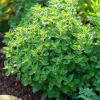
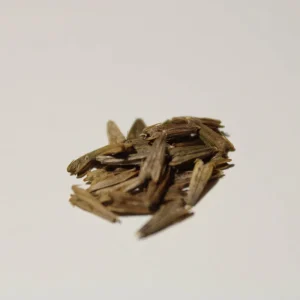
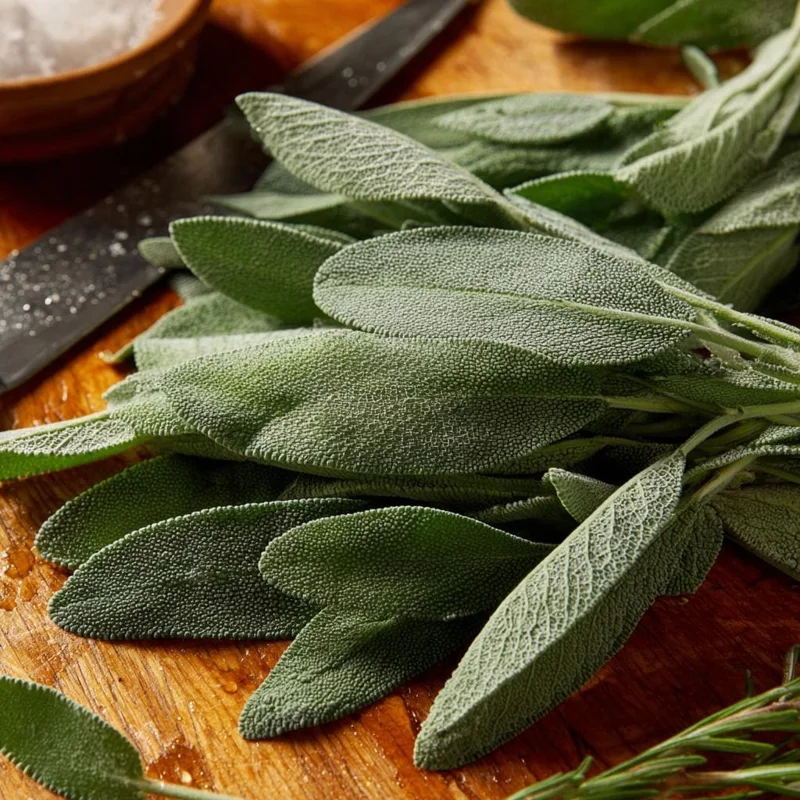
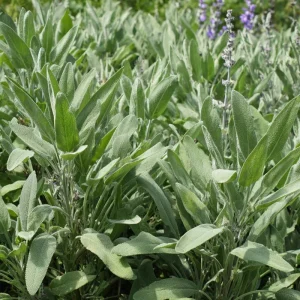
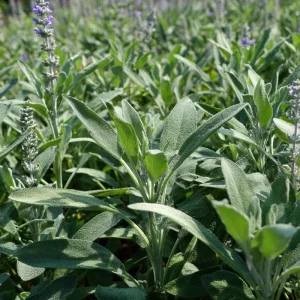
Embark on a rewarding gardening journey with our premium organic broadleaf sage seeds. This packet contains 50 high-quality seeds, allowing you to cultivate your own supply of this classic aromatic herb. Broadleaf Sage, scientifically known as Salvia officinalis, is a cherished perennial celebrated for its distinctive broad, silvery-green leaves and rich, savory flavor. A true staple in any culinary garden, these seeds promise a bountiful harvest that will elevate your cooking and enhance your garden’s biodiversity. Beyond its culinary uses, this hardy plant produces attractive lilac blooms that are a magnet for beneficial pollinators, adding beauty and life to your outdoor spaces. Easy to grow and remarkably drought-tolerant once established, organic broadleaf sage seeds are an excellent choice for both novice and experienced gardeners looking to add utility and charm. Discover how to grow sage from seed with our comprehensive guide.
These salvia officinalis seeds are perfect for integrating into herb gardens, raised beds, or even ornamental borders, offering a delightful combination of fragrance, texture, and practical use. Growing sage from seed allows you to witness the full life cycle of this magnificent herb, from tiny seed to robust plant. With proper care, your sage plants will provide fresh leaves for seasoning meats, soups, sauces, and more, throughout the growing season and for years to come. Choose our culinary sage seeds for a sustainable and flavorful addition to your home garden.
Key Benefits
Our organic broadleaf sage seeds offer numerous advantages for any gardener or home chef, making them a must-have for a productive and beautiful garden. Explore the many reasons to grow this exceptional herb:
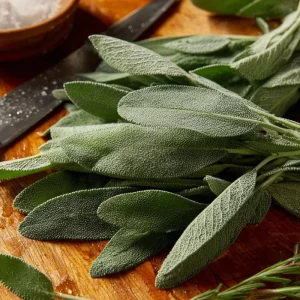
- Exceptional Culinary Versatility: Harvest fresh sage leaves to infuse a rich, savory, and slightly peppery flavor into a wide range of dishes. It’s perfect for seasoning poultry, pork, stuffing, pasta, and roasted vegetables, making it an indispensable herb in your kitchen.
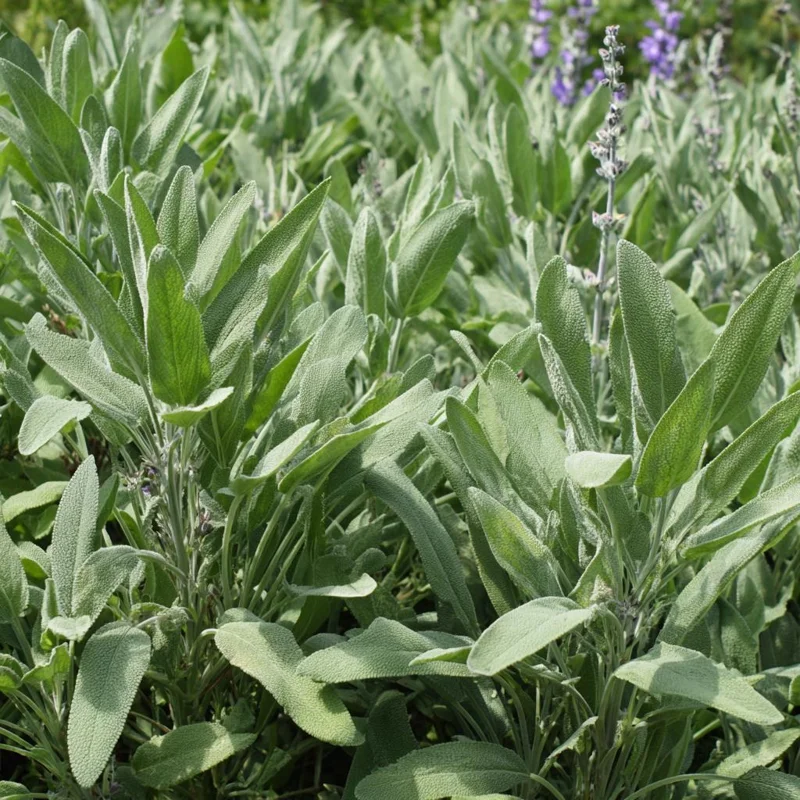
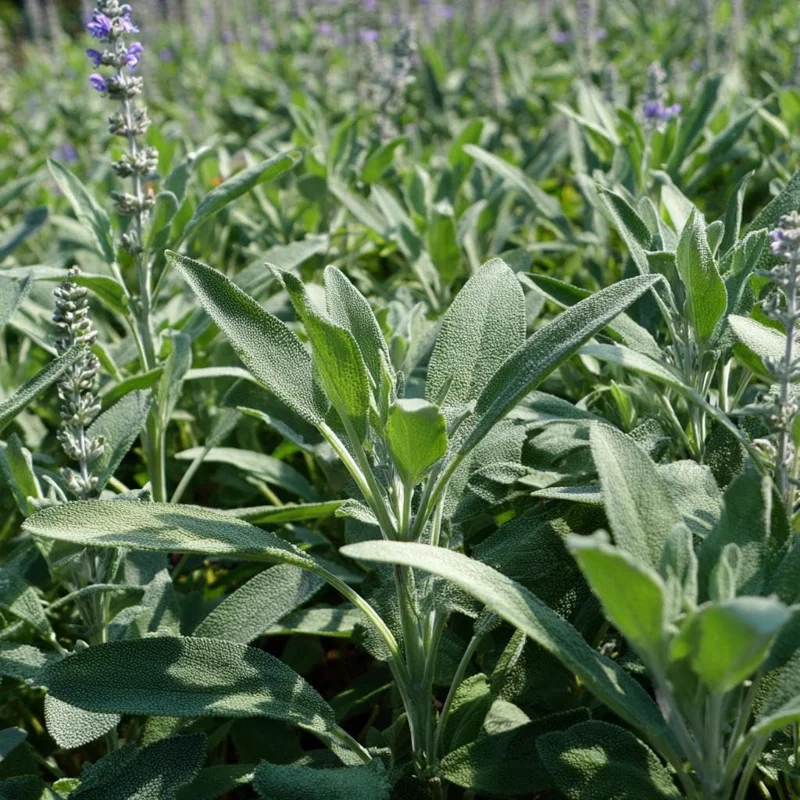
- Attracts Beneficial Pollinators: The beautiful lilac-purple flowers that emerge on mature sage plants are highly attractive to bees, butterflies, and other beneficial pollinators. This not only enhances your garden’s ecosystem but also supports local biodiversity.
- Hardy and Drought-Tolerant: Once established, broadleaf sage is remarkably resilient, capable of withstanding periods of drought. This makes it an ideal choice for water-wise gardens and for gardeners seeking low-maintenance, long-lasting herbs. This also supports the nature of hardy perennial herbs.
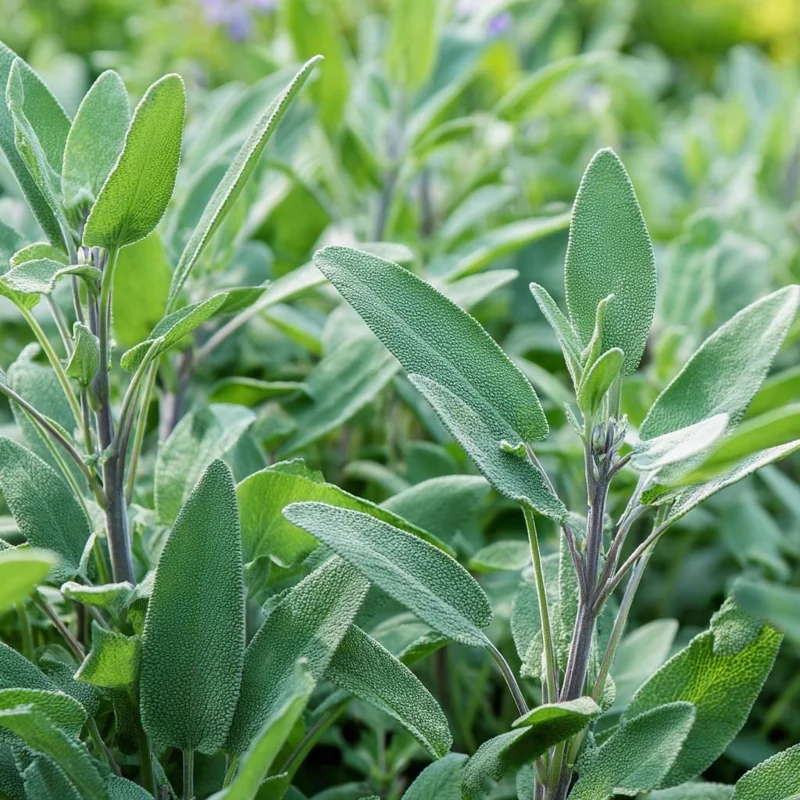
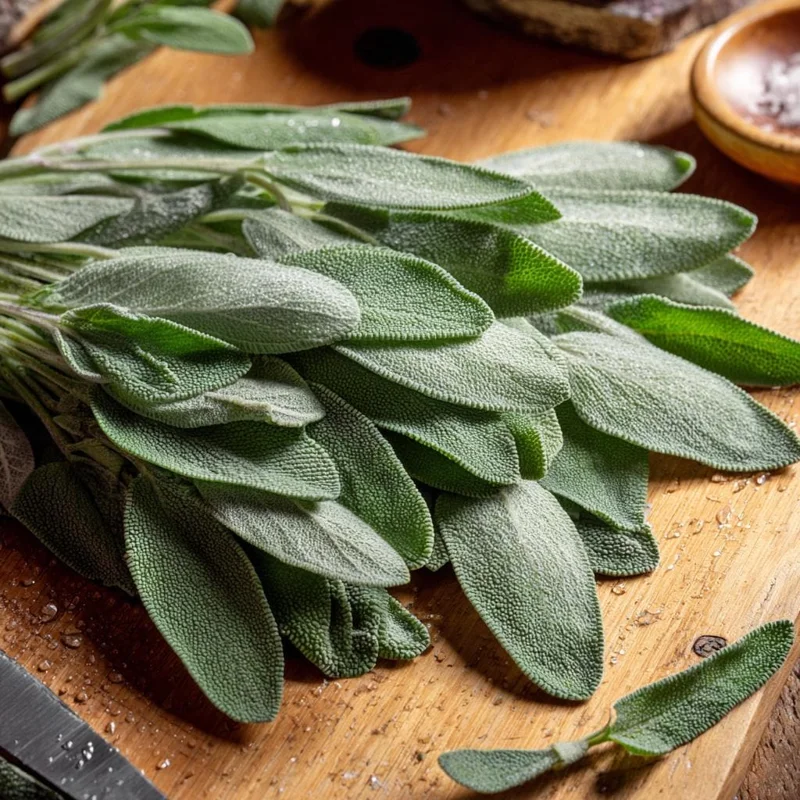
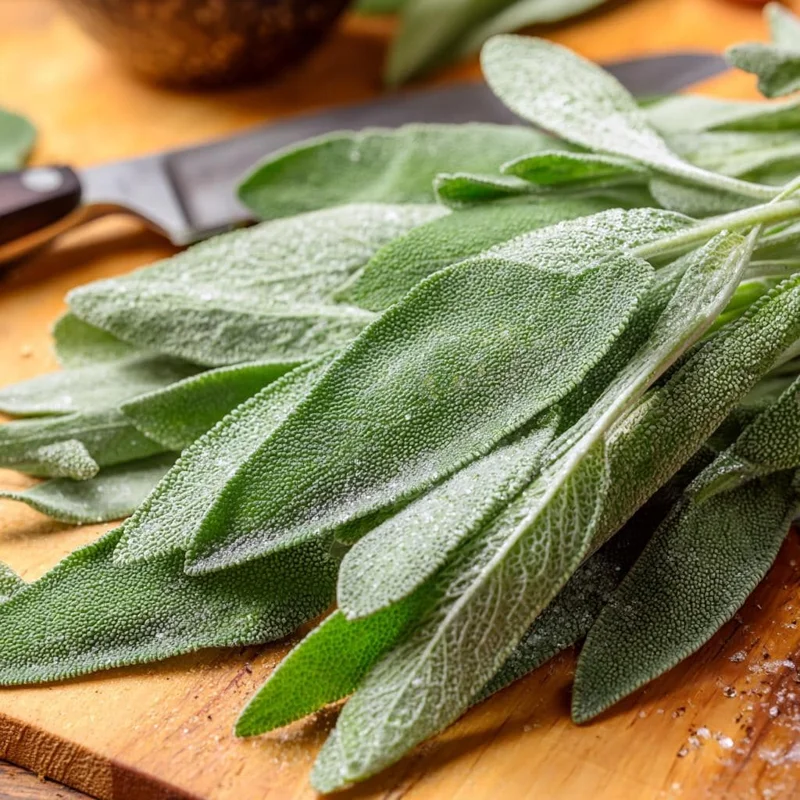
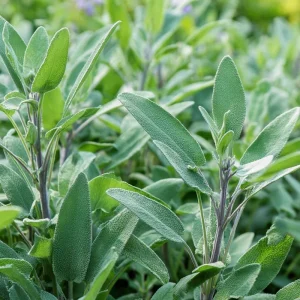
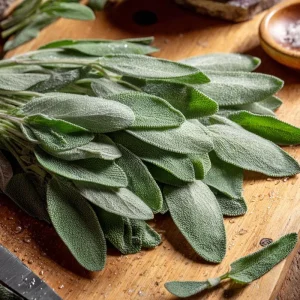
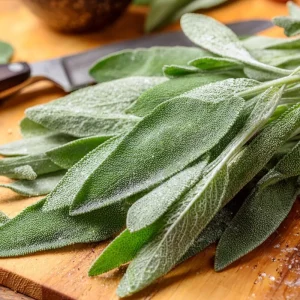
- Aromatic and Ornamental Appeal: The silvery-green, textured leaves of broadleaf sage provide a striking visual contrast in garden beds. Its distinct aroma adds a pleasant fragrance to your garden, especially when brushed against, offering both beauty and sensory delight.
- Perennial Growth for Ongoing Harvests: As a hardy perennial herb, broadleaf sage returns year after year in suitable climates. This means a single planting of culinary sage seeds can provide a continuous supply of fresh leaves for many seasons, offering excellent value and convenience.
- Easy to Grow from Seed: These organic broadleaf sage seeds are straightforward to sow and cultivate, providing a rewarding experience even for beginner gardeners. Clear instructions ensure a successful start to growing your own aromatic sage.
- Supports Organic Gardening Practices: By choosing organic seeds, you contribute to sustainable agriculture and ensure that the herbs you grow are free from synthetic pesticides and fertilizers, promoting a healthier environment and healthier eating.
Plant Care & Growing Tips
Growing organic broadleaf sage seeds into thriving plants is a straightforward process that yields rewarding results. To learn how to grow sage from seed, start your seeds indoors 6–8 weeks before the last expected frost date in your area, or sow them directly outdoors once all danger of frost has passed. Plant the seeds approximately ¼ inch deep in a well-draining seed starting mix or garden soil. Maintain consistent moisture until germination occurs, which typically takes between 10 to 21 days. Once seedlings are sturdy and have developed a few true leaves, thin them or transplant them to stand 12–18 inches apart to allow for ample growth and air circulation.
Broadleaf sage thrives in full sun, requiring at least 6 hours of direct sunlight per day for optimal growth and flavor development. It prefers well-drained, sandy or loamy soil. Avoid heavy, waterlogged soils, as this can lead to root rot. Water moderately, allowing the soil to dry out completely between waterings. Overwatering is a common mistake with sage. Prune your plants regularly to encourage bushy growth and prevent the stems from becoming woody. This also helps maintain a continuous supply of tender, flavorful leaves. In colder regions, applying a layer of mulch around the base of the plants in late fall can provide essential winter protection. This ensures your sage plants return vigorously in the spring, showcasing excellent broadleaf sage plant care. For the best culinary quality, harvest leaves as needed once the plants are well-established.
Size & Details
This product includes a packet containing 50 organic broadleaf sage seeds, providing an ample supply for starting a significant patch of this versatile herb. Each seed is carefully selected to ensure high germination rates, giving you the best chance for a successful garden. Mature broadleaf sage plants typically grow to a height of 18–30 inches (45–75 cm) and can spread 12–24 inches (30–60 cm) wide, forming a bushy, attractive mound. The growth rate is moderate, with plants reaching a harvestable size within a few months of germination. These seeds are shipped in a protective packet, ensuring their viability upon arrival. Expect vigorous growth that will provide fresh leaves for culinary use throughout the growing season, and as a hardy perennial herb, the plants will return stronger each year in appropriate climates.
Frequently Asked Questions
- Q: How big does a broadleaf sage plant get from these organic broadleaf sage seeds? A: A mature broadleaf sage plant typically reaches a height of 18–30 inches and spreads 12–24 inches wide, forming a bushy, rounded shape.
- Q: Is this an indoor or outdoor plant? A: Broadleaf sage is primarily an outdoor plant that thrives in full sun. It can be grown indoors in a pot with sufficient light, but it generally performs best in an outdoor garden setting.
- Q: How much sunlight does broadleaf sage need? A: Broadleaf sage requires full sun, meaning at least 6 hours of direct sunlight per day, for optimal growth, flavor, and bloom production.
- Q: Is this plant easy to care for? A: Yes, broadleaf sage is considered an easy-to-care-for herb, especially once established. It’s drought-tolerant and relatively pest-resistant, making it a good choice for beginners. Good broadleaf sage plant care is simple.
- Q: What condition will the organic broadleaf sage seeds arrive in? A: The seeds will arrive in a sealed, protective packet, ensuring their freshness and viability for planting.
- Q: Can I use broadleaf sage in cooking? A: Absolutely! Broadleaf sage is a classic culinary herb, perfect for seasoning meats, poultry, stuffing, soups, and sauces. Its robust flavor is a staple in many cuisines, making these culinary sage seeds highly desirable.
- Q: When is the best time to plant these culinary sage seeds? A: You can start seeds indoors 6–8 weeks before the last frost, or sow them directly outdoors after all danger of frost has passed in spring. This is key when learning how to grow sage from seed.
- Q: What type of soil does broadleaf sage prefer? A: Broadleaf sage prefers well-drained, sandy or loamy soil. Good drainage is crucial to prevent root rot.
- Q: Will these sage plants survive winter in my zone? A: Broadleaf sage is a hardy perennial herb, typically thriving in USDA Zones 5-9. In colder zones, it may require winter protection with mulch or be grown as an annual.
- Q: Is broadleaf sage good for attracting pollinators? A: Yes, the beautiful lilac flowers of broadleaf sage are very attractive to bees, butterflies, and other beneficial pollinators, enhancing your garden’s biodiversity.


Reviews
There are no reviews yet.