Overview
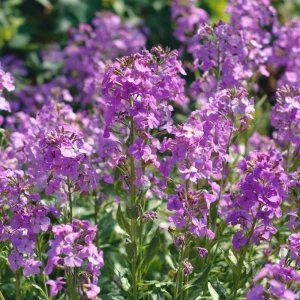
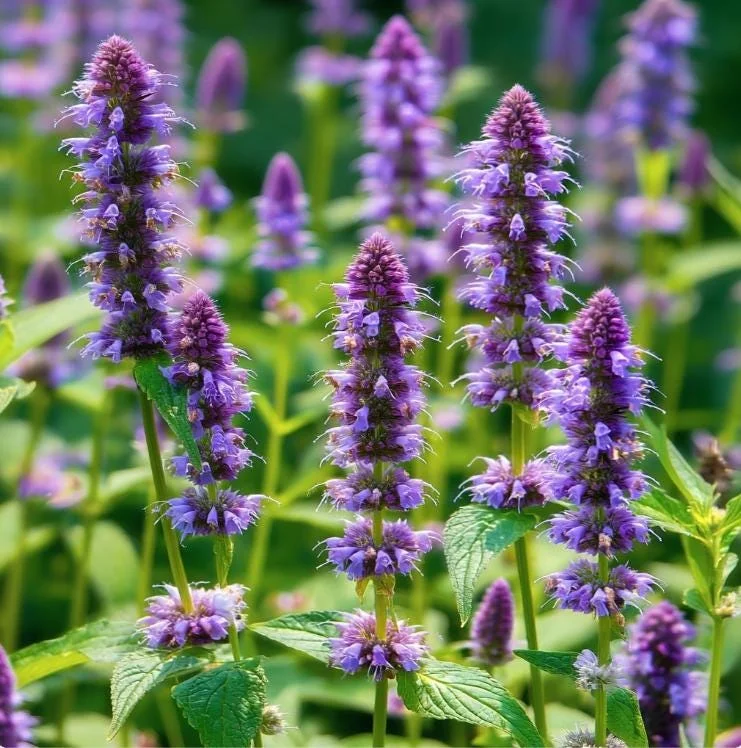
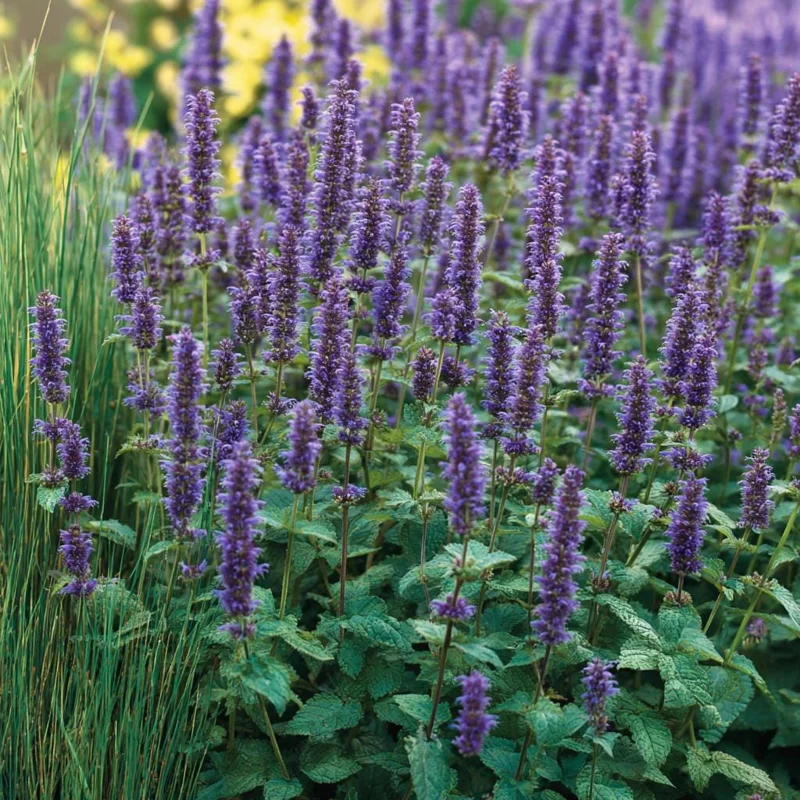
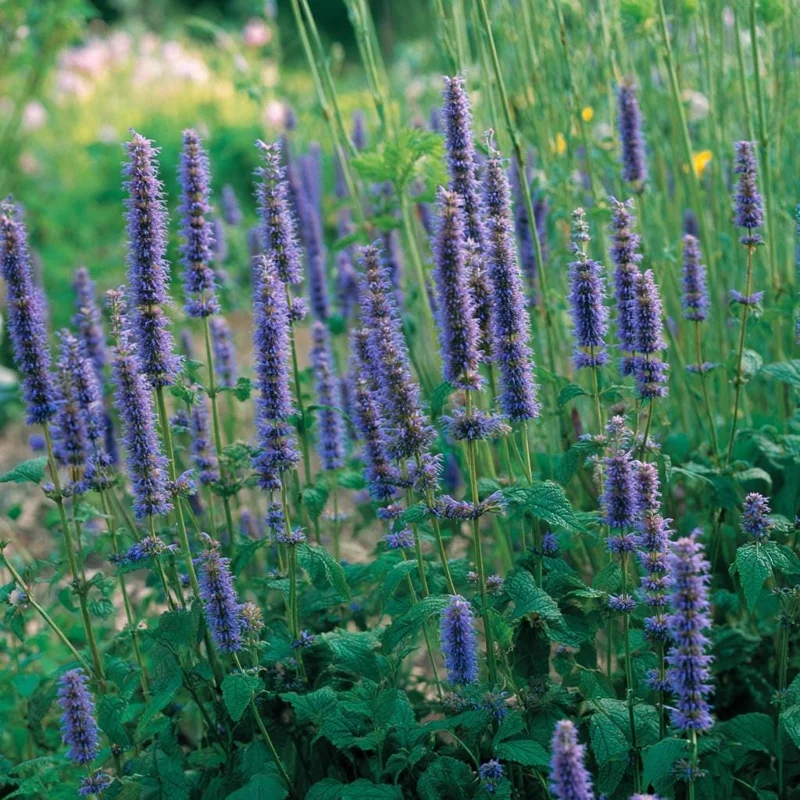
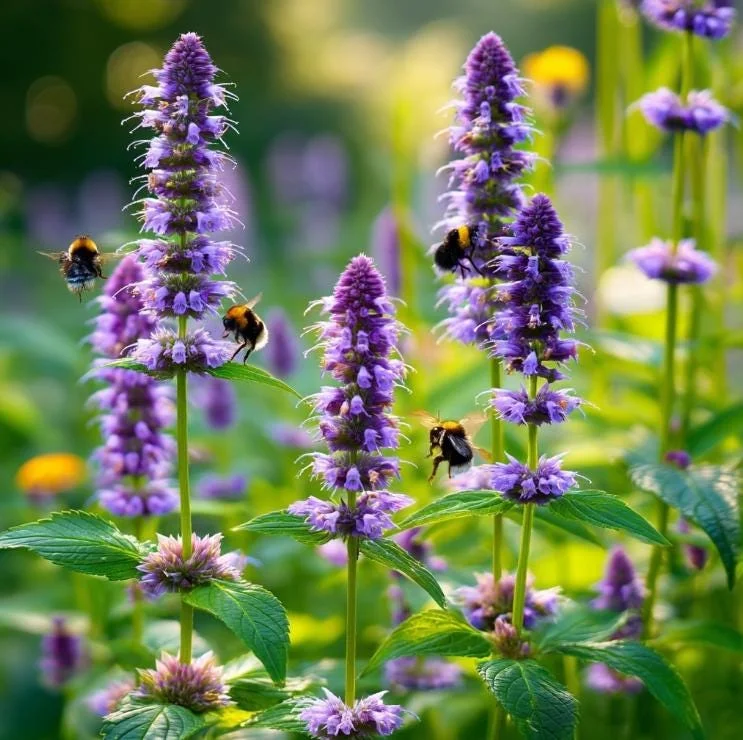
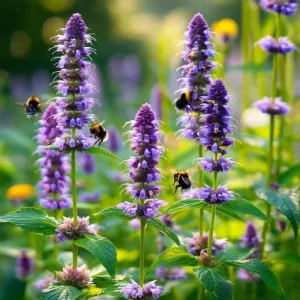
Introduce a delightful aroma and vibrant color to your outdoor space with these anise hyssop seeds. This packet contains 250 high-quality seeds of Agastache foeniculum, a beloved perennial known for its striking purple-blue flower spikes and distinct licorice-scented foliage. Blooming profusely from mid-summer through fall, Anise Hyssop is a magnet for beneficial pollinators like bees, butterflies, and hummingbirds, making it an essential addition to any wildlife-friendly landscape. Whether you’re looking to grow anise hyssop in a dedicated pollinator garden, along borders, or in a charming cottage garden setting, these easy-to-grow seeds offer a rewarding experience for gardeners of all levels. Its drought-tolerant and low-maintenance nature ensures a beautiful display with minimal effort, providing continuous beauty and a sweet fragrance throughout the growing season.
Our agastache foeniculum seeds are carefully selected to ensure high germination rates, allowing you to establish a robust and thriving patch of this wonderful herb and ornamental plant. Beyond its visual appeal, the plant’s leaves can be used to make a refreshing tea, adding another layer of utility to its charm. Discover the joy of cultivating a plant that not only beautifies your garden but also supports local ecosystems by providing nectar for essential pollinators. You’ll love watching your garden come alive with activity as these fragrant blooms unfurl, creating a serene and lively environment right outside your door.
Key Benefits
Choosing to grow anise hyssop in your garden offers a multitude of advantages, transforming your outdoor space into a haven of beauty and biodiversity. These anise hyssop seeds provide a simple way to achieve these benefits:
- Attracts Pollinators: Anise hyssop is a powerhouse for attracting bees, butterflies, and hummingbirds with its nectar-rich flowers. Planting these seeds directly contributes to supporting local pollinator populations, vital for ecosystem health, making it an ideal choice for a pollinator garden seeds project.
- Fragrant Foliage and Blooms: Enjoy the pleasant licorice scent emanating from the foliage and the sweet aroma of the purple-blue flowers. This natural fragrance enhances sensory garden experiences and can deter some garden pests. The sweet aroma makes it a truly fragrant perennial seeds option.
- Extended Bloom Season: With blooms lasting from mid-summer well into fall, Anise Hyssop provides continuous color and food for pollinators when many other plants have finished flowering. This extended season ensures your garden remains vibrant and active.
- Low Maintenance & Drought Tolerant: Once established, this perennial requires minimal care, tolerating dry conditions and various soil types. It’s an excellent choice for busy gardeners or those in water-restricted areas.
- Versatile Garden Use: Perfect for a variety of garden styles, including cottage gardens, border plantings, herb gardens, and naturalized areas. Its upright growth habit adds vertical interest and texture to landscapes.
- Edible & Medicinal Uses: The leaves and flowers of agastache foeniculum seeds can be used to make herbal teas, adding a unique flavor to beverages. It has also been traditionally used for its soothing properties.
- Deer Resistant: The strong aromatic foliage of Anise Hyssop tends to deter deer and other common garden pests, protecting your plants naturally.
Plant Care & Growing Tips
Successfully cultivating anise hyssop seeds is straightforward, making it a rewarding experience for gardeners of all skill levels. This hardy perennial thrives with basic care, ensuring a beautiful and fragrant display. For optimal growth, choose a location that receives full sun to partial shade. Full sun (at least 6 hours of direct sunlight daily) will encourage the most prolific flowering and strongest fragrance, while partial shade can be tolerated, especially in hotter climates, though flowering might be slightly reduced. Good air circulation is also beneficial to prevent fungal issues. Learning how to grow anise hyssop efficiently will ensure a thriving garden.
When it comes to soil, Anise Hyssop prefers well-drained soil. It is adaptable to a range of soil types, including sandy, loamy, or even clay soils, as long as they do not remain waterlogged. Amend heavy clay soils with organic matter like compost to improve drainage. For sowing agastache foeniculum seeds, start them indoors 8-10 weeks before the last expected frost date, or sow directly outdoors after the danger of frost has passed. Sow seeds lightly on the surface of moistened soil, as they require light to germinate, and gently press them in. Maintain a consistent soil temperature of 70-75°F (21-24°C) for best germination, which typically occurs within 14-21 days. Once seedlings are established, thin or transplant them to stand 12-18 inches apart to allow for proper growth and air circulation.
Water moderately during the establishment phase, ensuring the soil remains consistently moist but not soggy. Once mature, Anise Hyssop is quite drought-tolerant and will only need occasional watering, especially during prolonged dry spells. Overwatering should be avoided as it can lead to root rot. Deadhead spent blooms regularly to encourage continuous flowering throughout the season and prevent self-seeding if desired. Fertilization is generally not necessary in rich garden soils, but a light application of a balanced, slow-release fertilizer in spring can boost growth in poorer soils. This resilient plant is typically hardy in USDA zones 4-9 and is relatively pest and disease free, making anise hyssop seeds a fantastic choice for a low-maintenance yet high-impact garden.
Size & Details
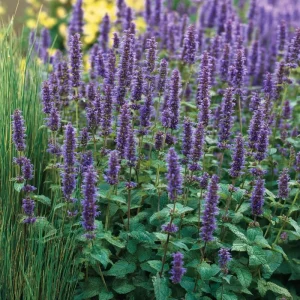
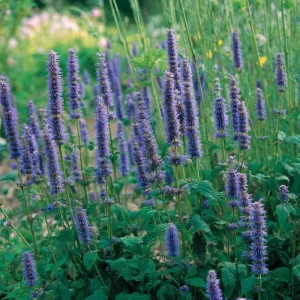
This product includes 250 anise hyssop seeds, providing ample opportunity to establish a substantial patch of this beautiful perennial. When fully mature, Anise Hyssop plants typically reach a height of 2 to 4 feet (60-120 cm) and spread 1 to 3 feet (30-90 cm) wide, forming attractive clumps of upright stems. The plants will develop multiple spikes of densely packed, fragrant purple-blue flowers. These seeds are intended for planting directly into garden beds or containers, and with proper care, you can expect germination within 14-21 days under ideal conditions. The plants will begin to bloom in their first year if started early enough, or in their second year if sown later, offering an extended season of color and fragrance from mid-summer through fall. Each seed has the potential to grow into a vibrant, pollinator-attracting specimen, contributing significantly to your garden’s biodiversity and aesthetic appeal. The robust nature of agastache foeniculum seeds ensures a strong start for healthy, mature plants.
Frequently Asked Questions
- Q: How big does Anise Hyssop get? A: Mature anise hyssop seeds will grow into plants that typically reach 2 to 4 feet tall and spread 1 to 3 feet wide, forming an upright, bushy perennial.
- Q: Is this an indoor or outdoor plant? A: Anise Hyssop is primarily an outdoor plant, thriving in garden beds, borders, and containers where it can receive adequate sunlight and air circulation.
- Q: How much sunlight does Anise Hyssop need? A: For best results, Anise Hyssop prefers full sun (at least 6 hours of direct sunlight daily) but can tolerate partial shade, especially in hotter climates.
- Q: Is this plant easy to care for? A: Yes, Anise Hyssop is known for being low-maintenance and drought-tolerant once established, making it suitable for both new and experienced gardeners. Learning to grow anise hyssop is a simple process.
- Q: What condition will the anise hyssop seeds arrive in? A: The seeds will arrive in a protective packet, carefully packaged to ensure viability and freshness, ready for sowing.
- Q: How long until Anise Hyssop blooms? A: If started early indoors, Anise Hyssop can bloom in its first year. Otherwise, it typically blooms in its second year, from mid-summer through fall, providing fragrant perennial seeds benefits quickly.
- Q: What’s the best time to plant agastache foeniculum seeds? A: You can start seeds indoors 8-10 weeks before the last frost, or sow them directly outdoors after all danger of frost has passed in spring.
- Q: Will Anise Hyssop survive winter in my zone? A: Anise Hyssop is hardy in USDA Zones 4-9. In colder zones, it may be grown as an annual or protected with mulch for winter survival.
- Q: Is Anise Hyssop deer resistant? A: Yes, the aromatic foliage of Anise Hyssop tends to deter deer and other common garden pests, making it a good choice to include in your pollinator garden seeds.
- Q: Can I use Anise Hyssop in cooking? A: Yes, the leaves and flowers have a pleasant licorice-mint flavor and can be used to make herbal teas or as a culinary herb in various dishes.


Reviews
There are no reviews yet.