Overview
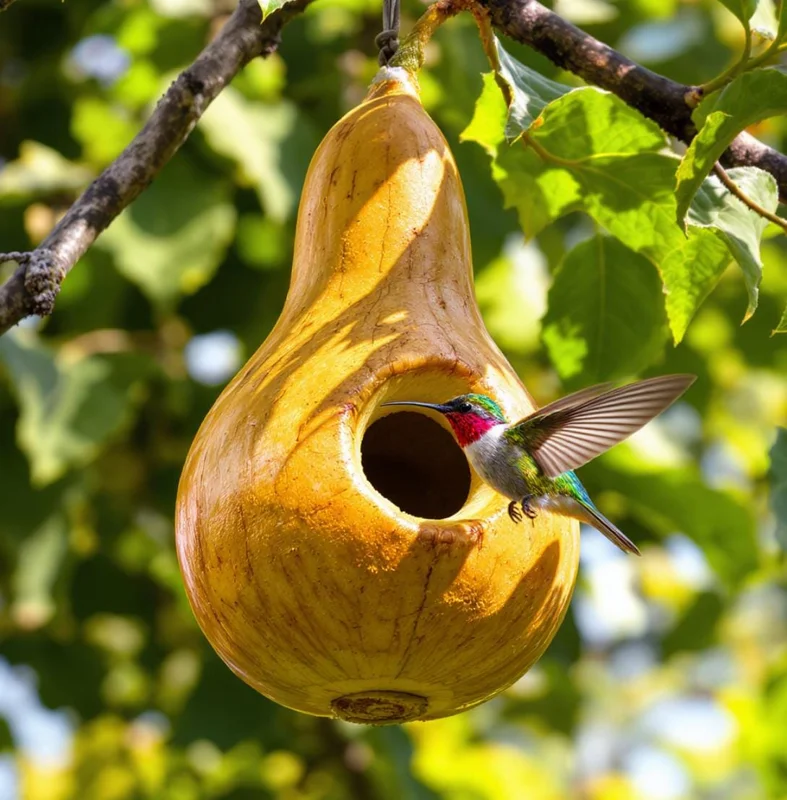
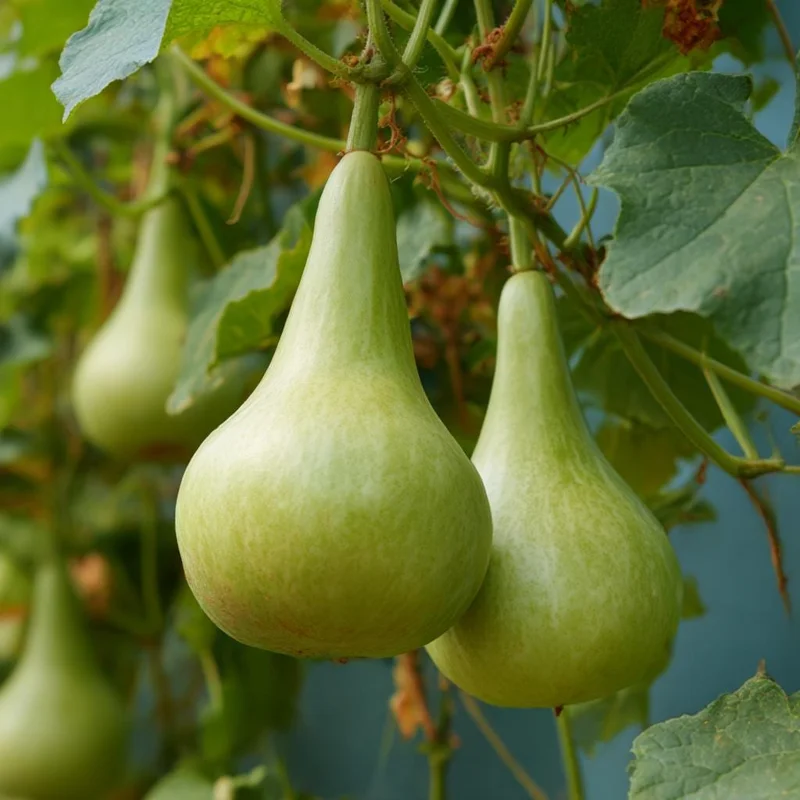
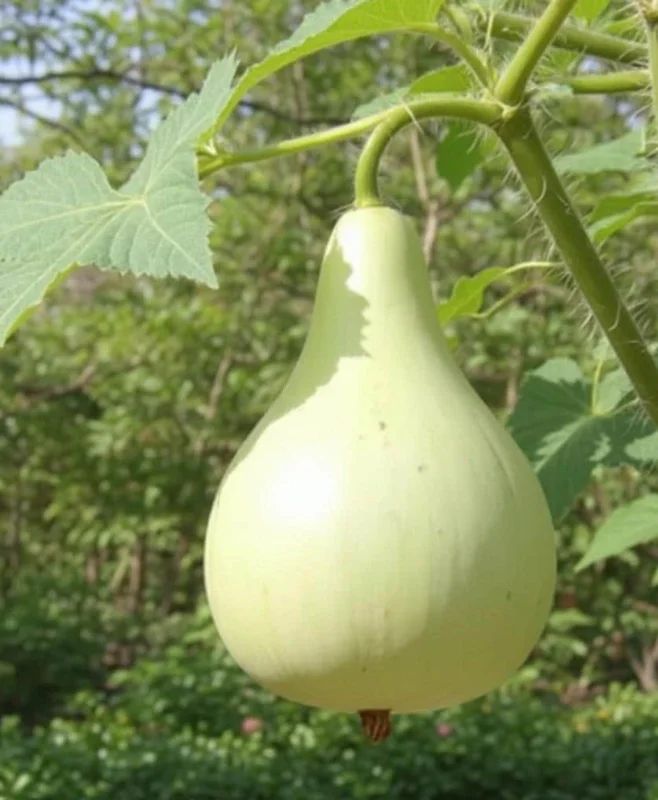
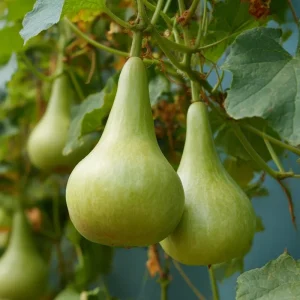
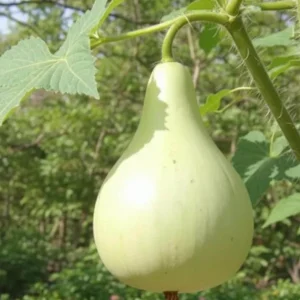
Embark on a rewarding gardening journey with these high-quality bottle gourd seeds. Also known as calabash seeds, these heirloom seeds will allow you to grow the distinctive Lagenaria siceraria, a plant celebrated for centuries for its versatile, hard-shelled fruit. These large, bottle-shaped gourds are not only an attractive addition to any garden but also serve a multitude of practical and artistic purposes. From crafting functional birdhouses for purple martins and other cavity-nesting birds to creating unique decorative art pieces and traditional utensils, the possibilities are endless once these gourds are dried and cured. The vigorous vines themselves offer a lush, ornamental appeal, gracefully climbing trellises and garden structures, making them a fantastic choice for both utility and aesthetic gardening. Cultivating your own bottle gourd seeds offers a connection to traditional gardening and sustainable practices.
Key Benefits
Growing your own bottle gourd seeds offers a unique blend of practical benefits and aesthetic rewards. These versatile plants provide abundant material for various projects while enhancing your garden’s natural beauty. Cultivating heirloom gourd seeds connects you to a rich history of gardening and craftsmanship.
- Crafting Versatility: The primary benefit of these gourds is their suitability for crafting. Once dried and cured, the hard shells can be transformed into beautiful and functional birdhouses, decorative bowls, musical instruments, or unique garden art. This makes growing bottle gourds a truly creative endeavor.
- Attracts Wildlife: Specifically designed for purple martins, the gourds provide excellent natural housing, encouraging these beneficial birds to your garden. This contributes to ecological balance and provides a delightful bird-watching experience, making them ideal birdhouse gourd seeds.
- Ornamental Garden Appeal: The robust vines produce large, attractive leaves and often striking white flowers, creating a lush, tropical look. They are perfect for covering arbors, pergolas, or fences, adding vertical interest and shade.
- Heirloom Quality: These are heirloom gourd seeds, meaning they are open-pollinated varieties passed down through generations, ensuring genetic purity and reliable growth characteristics for your garden.
- Sustainable & Eco-Friendly: Growing your own gourds for crafts reduces reliance on manufactured materials, offering a sustainable and eco-conscious way to create useful and beautiful items.
- Rewarding Growing Experience: Watching the large gourds develop from flower to mature fruit is incredibly satisfying, appealing to gardeners of all experience levels. It’s a fulfilling way to engage with nature.
- Educational Value: Cultivating calabash seeds offers a wonderful opportunity to learn about plant growth cycles, traditional crafts, and ecological interactions, especially if grown with children.
Plant Care & Growing Tips
Successful cultivation of bottle gourd seeds begins with proper planting and consistent care. These plants are sun-lovers and require ample space and moisture to thrive. For optimal germination of your seeds, it is recommended to soak them in warm water for 24 hours prior to planting. Sow seeds directly outdoors after all danger of frost has passed and the soil temperature consistently reaches at least 70°F. Plant the seeds about 1 inch deep and space them 3–4 feet apart in rows, or near a sturdy trellis or support structure for vertical growth. Germination typically occurs within 7–14 days. In cooler climates with shorter growing seasons, you can start the heirloom gourd seeds indoors 3–4 weeks before the last expected frost, transplanting them carefully once outdoor conditions are favorable. Understanding growing bottle gourds is key to a bountiful harvest.
Bottle gourds flourish in locations that receive full sun, ideally 6-8 hours of direct sunlight daily. They prefer fertile, well-drained soil rich in organic matter. Consistent watering is crucial to support the vigorous growth of the vines and the development of large fruits, but it’s important to avoid overwatering, which can lead to root rot. Provide plenty of space for the vines to spread or ensure strong vertical supports like trellises, fences, or arbors, as the plants can grow quite large. Allow the gourds to mature fully and dry naturally on the vine. You’ll know they are ready for harvest when the skin hardens and turns a tan color. After harvesting, cure the gourds in a warm, dry, and well-ventilated area until their shells are firm and completely dry. Properly cured gourds can last for many years and are then ready to be crafted into beautiful and functional items like birdhouses or decorative pieces. These calabash seeds will yield robust plants with proper care.
Size & Details
This offering includes a packet of 20 high-quality bottle gourd seeds, providing ample opportunity to cultivate multiple plants. Each seed is capable of growing into a vigorous vine that can spread significantly, often reaching lengths of 15-25 feet or more, especially when given adequate support. The gourds themselves vary in size and shape but are typically large, bottle-shaped, and can range from 10-20 inches in length, sometimes even larger. When properly cared for, plants grown from these heirloom gourd seeds will begin producing fruit in late summer to early fall, with gourds maturing over several weeks. The drying and curing process can take several months, depending on environmental conditions, but once cured, the gourds will be durable and ready for crafting projects. These are excellent birdhouse gourd seeds for large, functional birdhouses.
Frequently Asked Questions
- Q: How many bottle gourd seeds are included in this packet? A: This packet contains 20 high-quality bottle gourd seeds, providing a good number for starting your garden and ensuring a successful yield.
- Q: What is the best time to plant these calabash seeds? A: Plant these calabash seeds directly outdoors after the last frost, when soil temperatures are consistently above 70°F. In cooler climates, start indoors 3-4 weeks before the last frost for best results.
- Q: How much sun do bottle gourds need? A: Bottle gourds thrive in full sun, requiring at least 6-8 hours of direct sunlight per day for optimal growth and fruit production. Ample sunlight is crucial for healthy vines and large gourds.
- Q: Are these heirloom gourd seeds easy to grow for beginners? A: Yes, with proper sunlight, water, and support, growing bottle gourds from these heirloom gourd seeds can be a rewarding experience for gardeners of all levels. Clear instructions are provided for success.
- Q: Can I use these gourds to make birdhouses? A: Absolutely! These specific birdhouse gourd seeds are known for producing large, hard-shelled gourds that are ideal for crafting durable and attractive birdhouses, especially for purple martins.
- Q: How long does it take for the gourds to mature? A: Gourds typically mature on the vine in late summer to early fall, taking several weeks. The drying and curing process after harvest can take several weeks to a few months, depending on conditions.
- Q: What kind of soil is best for bottle gourds? A: Bottle gourds prefer fertile, well-drained soil rich in organic matter. Amending your soil with compost or other organic materials before planting will yield the best results.
- Q: Do these plants require a lot of space? A: Yes, bottle gourd vines are vigorous growers and require considerable space to spread, or a sturdy trellis or support system for vertical growth. Plan accordingly for their extensive growth.
- Q: What are some other uses for these decorative gourd seeds? A: Besides birdhouses, gourds grown from these seeds can be used for crafting decorative bowls, lamps, musical instruments, or unique garden accents once dried and cured. The possibilities are vast.
- Q: What USDA zones are suitable for growing bottle gourds? A: Bottle gourds are typically grown as annuals in most USDA zones, thriving in warm climates. They can be started indoors in regions with shorter growing seasons to extend their growing period.


Reviews
There are no reviews yet.