Overview
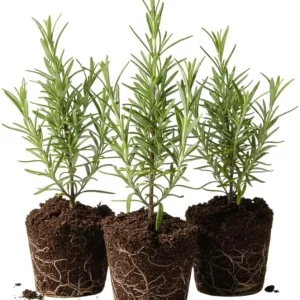
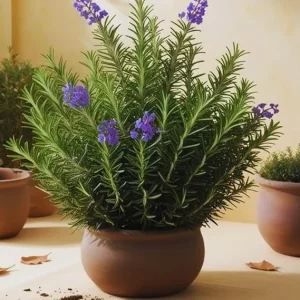
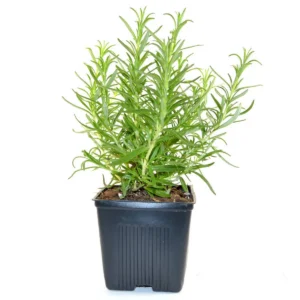
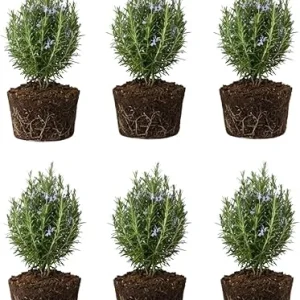
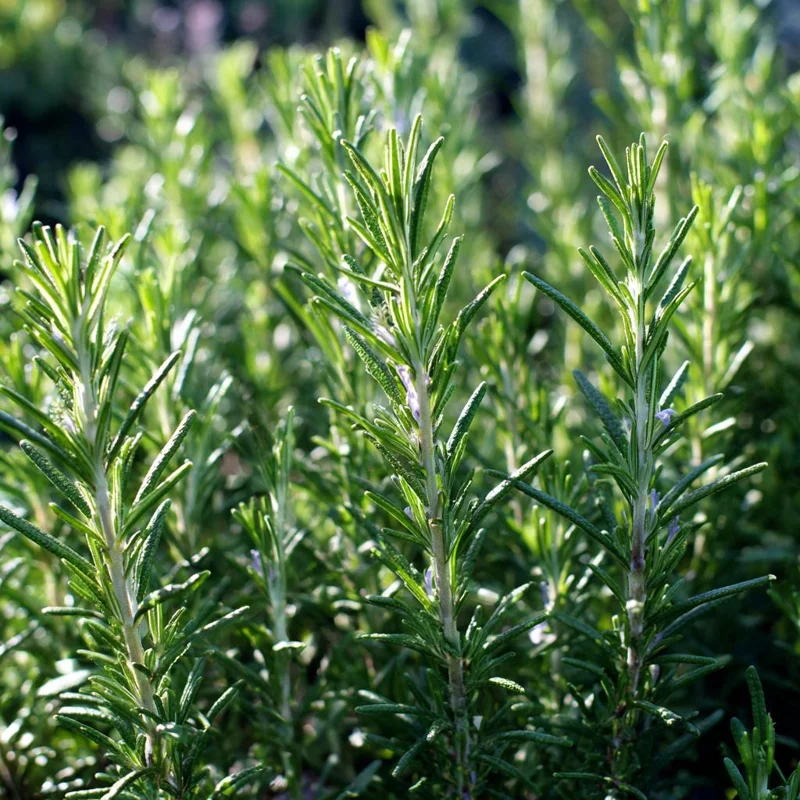
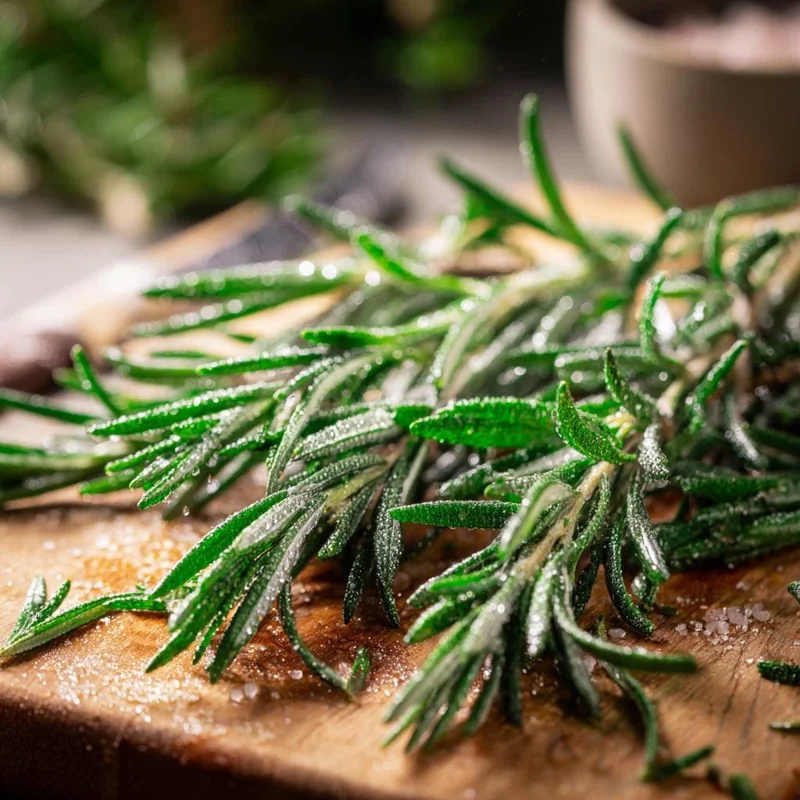
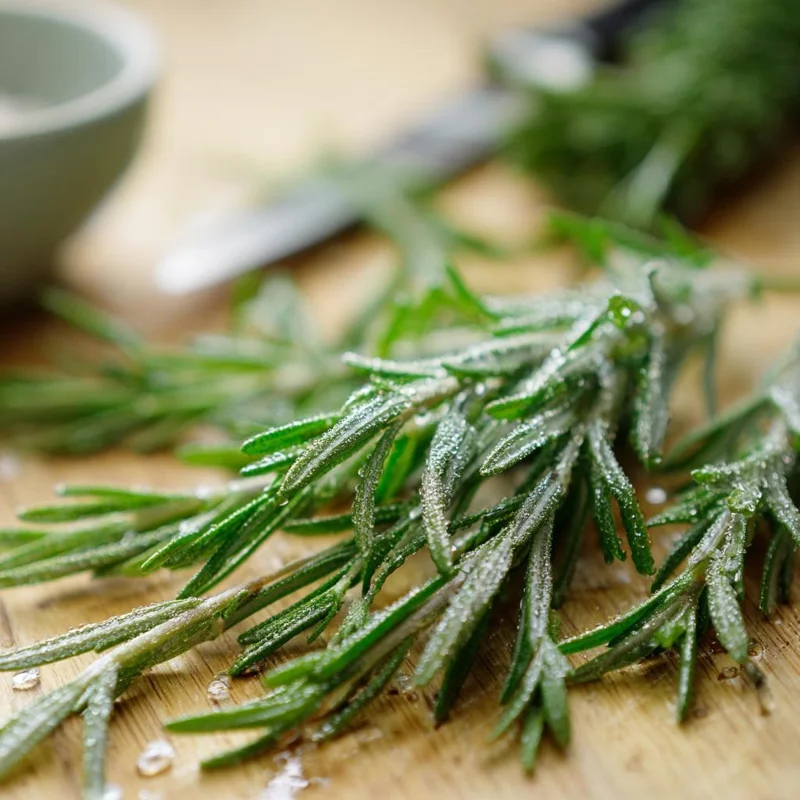
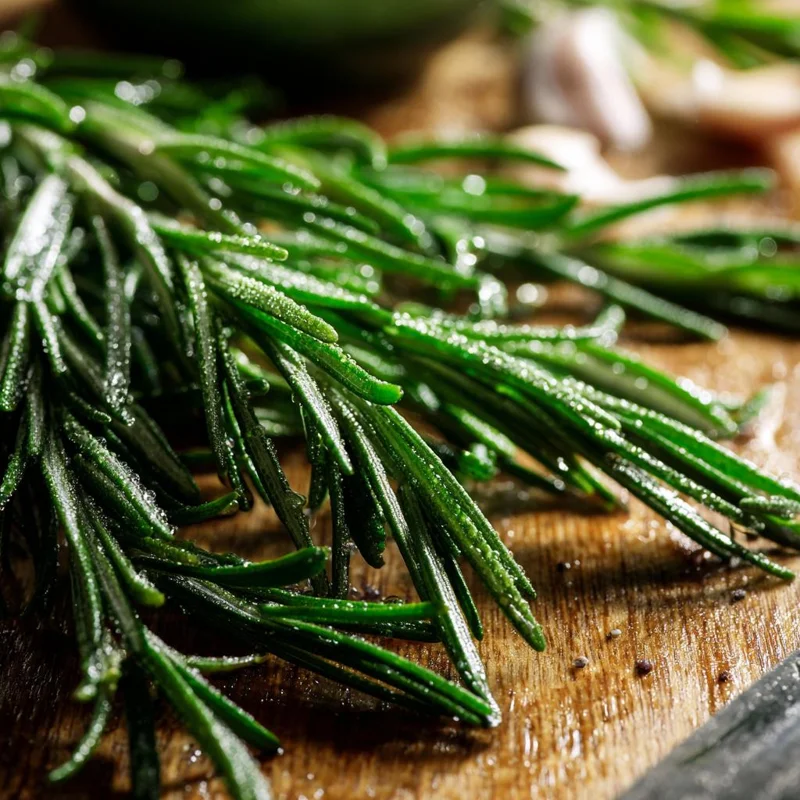
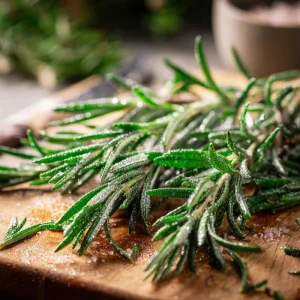
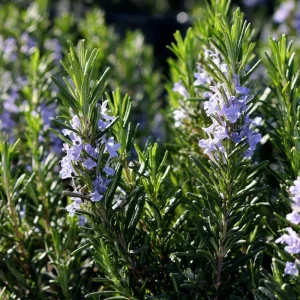
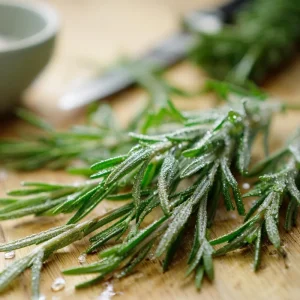
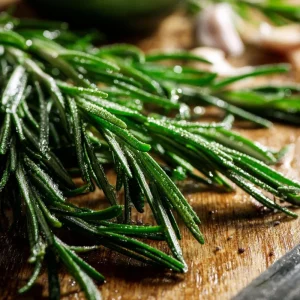
Embark on a rewarding gardening journey with this pack of organic rosemary seeds (Rosmarinus officinalis). Rosemary is a beloved aromatic herb, cherished for its distinctive needle-like leaves and robust, earthy fragrance. This hardy perennial is a dual-purpose plant, serving both ornamental and culinary needs. Imagine harvesting fresh sprigs from your own garden to elevate your cooking, whether it’s seasoning meats, enriching soups, or roasting vegetables. Beyond the kitchen, its delicate blue flowers are a magnet for bees and other vital pollinators, making it an invaluable asset to any herb garden or pollinator-friendly landscape. Easy to cultivate and remarkably drought-tolerant once established, rosemary thrives in sunny, well-drained environments, promising years of beauty, flavor, and delightful aroma.
These 50 high-quality Rosmarinus officinalis seeds provide an excellent opportunity to establish a thriving rosemary patch. Starting from seed allows you to nurture robust plants from the very beginning, ensuring they are well-adapted to your specific growing conditions. Whether you’re a seasoned gardener or just starting out, these seeds offer a fulfilling experience, culminating in a bountiful harvest of this iconic herb. Learn to grow rosemary from seed with ease and enjoy its benefits.
Cultivating your own organic rosemary seeds allows for a deeper connection to your food and garden. The satisfaction of growing an essential kitchen staple from scratch is unmatched, and the resulting fresh flavor is superior to store-bought options. These seeds are a sustainable choice for any home gardener looking to enhance their outdoor space with a versatile and beautiful herb.
Key Benefits
Growing your own organic rosemary seeds offers a multitude of advantages, enhancing both your culinary endeavors and garden aesthetics. This versatile herb is a must-have for any home gardener:
- Culinary Excellence: Fresh rosemary adds an incomparable depth of flavor to a wide array of dishes, from roasted potatoes and chicken to lamb and hearty stews. Growing your own ensures a constant supply of this essential ingredient, making every meal a gourmet experience.
- Aromatic Appeal: The distinct, pine-like fragrance of rosemary is not only pleasant but also known for its calming properties. Crushing the leaves releases its invigorating scent, making it perfect for sensory gardens and natural home fresheners.
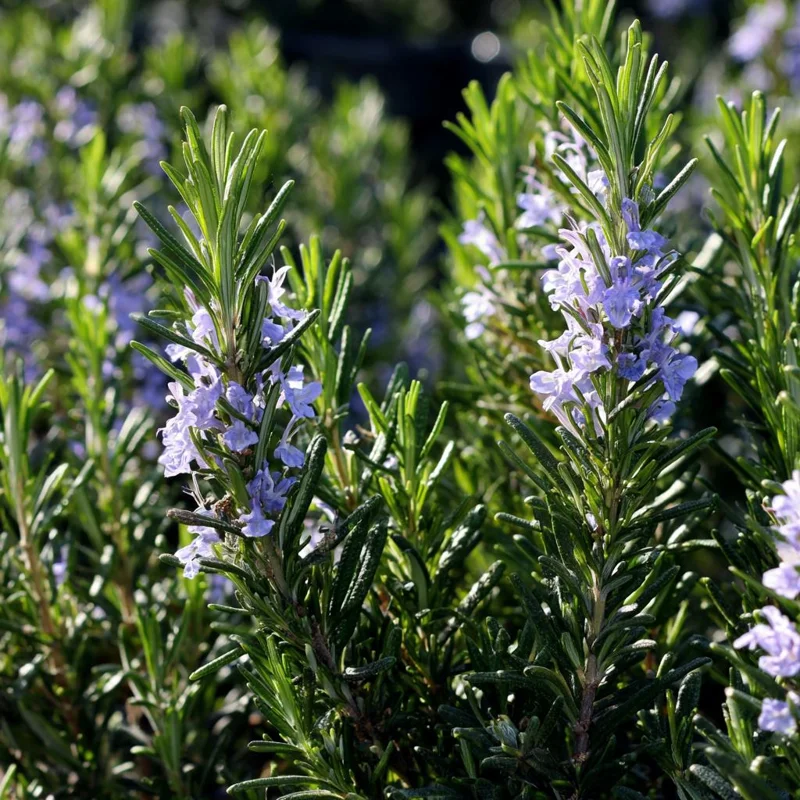
- Pollinator Magnet: The beautiful blue flowers of rosemary are highly attractive to bees, butterflies, and other beneficial pollinators, contributing to a healthier garden ecosystem and supporting local wildlife. These flowers add visual charm while serving an ecological purpose.
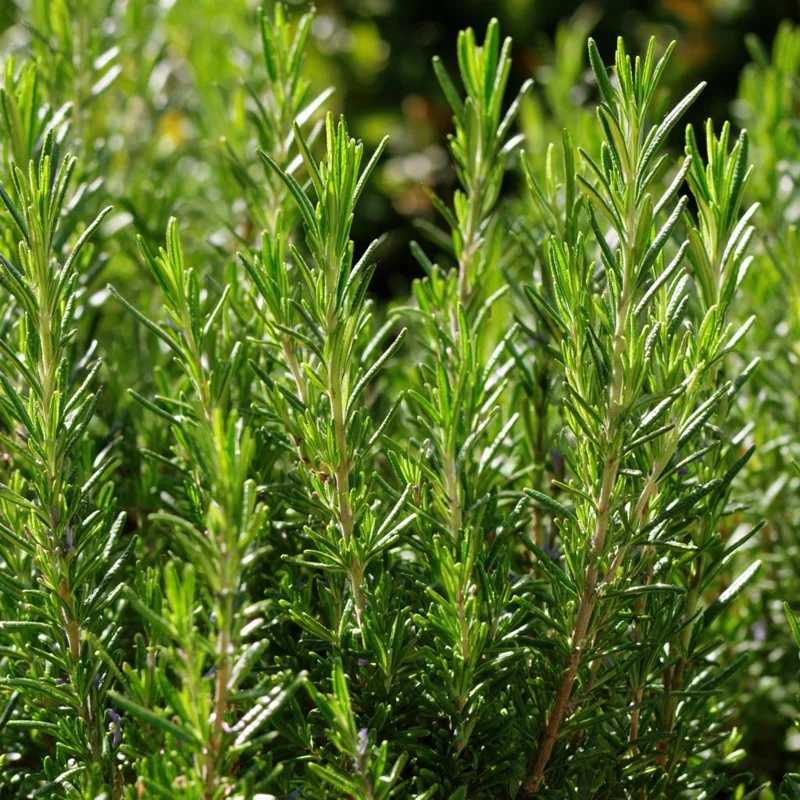
- Ornamental Value: With its evergreen foliage and charming flowers, rosemary makes an attractive addition to borders, rock gardens, and container plantings, providing year-round visual interest. Its structured growth habit adds elegance to any landscape.
- Drought Tolerance: Once established, rosemary is remarkably drought-tolerant, requiring less water than many other herbs. This makes it an ideal choice for water-wise gardening, especially in drier climates.
- Easy to Grow: While germination of organic rosemary seeds can take some patience, established rosemary plants themselves are generally low-maintenance and robust, thriving with minimal intervention in suitable conditions. This makes them rewarding even for novice gardeners.
- Medicinal Properties: Traditionally, rosemary has been used for its potential health benefits, including improving memory and digestion. Having fresh rosemary readily available allows you to explore these traditional uses and enjoy the holistic benefits of this ancient herb.
Plant Care & Growing Tips
To successfully grow rosemary from seed, understanding its specific needs is crucial. Rosemary thrives in conditions that mimic its Mediterranean origins. Begin by sowing your organic rosemary seeds indoors 8–10 weeks before the last expected frost date. Use a well-draining seed-starting mix in trays or small pots. Sow the seeds on the surface and lightly press them into the soil; do not cover them deeply, as light is essential for germination. Maintain consistent moisture in the soil, but avoid waterlogging. The ideal temperature for germination is between 70–75°F (21–24°C). Patience is key, as germination can take anywhere from 14 to 28 days.
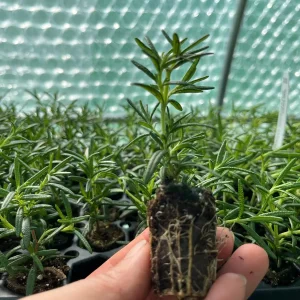
Once seedlings have developed a few true leaves and all danger of frost has passed, they can be transplanted outdoors. Choose a location that receives full sun, ideally 6-8 hours of direct sunlight per day. Rosemary prefers well-drained, sandy, or loamy soil. If your soil is heavy clay, amend it with sand or organic matter to improve drainage. Space your rosemary plants 12–18 inches (30–45 cm) apart to allow for proper air circulation and growth. Water moderately, allowing the soil to dry out slightly between waterings; overwatering is a common cause of rosemary decline. Prune regularly to encourage bushy growth and prevent the plant from becoming woody. In colder climates (below USDA Zone 8), consider growing rosemary in containers so it can be brought indoors during winter. This ensures you can enjoy your fragrant culinary herb year after year. Proper rosemary plant care is essential for a bountiful harvest.
Fertilization is generally not heavily required for rosemary; a light feeding with a balanced liquid fertilizer every spring is usually sufficient if the plant is in poor soil. Avoid over-fertilizing, as this can reduce the intensity of its aromatic oils. Pests are rarely a major issue for rosemary due to its strong scent, but keep an eye out for aphids or spider mites, especially if growing indoors. Good air circulation is key to preventing fungal diseases. Remember that these Rosmarinus officinalis seeds will develop into robust plants with consistent care and attention.
Size & Details
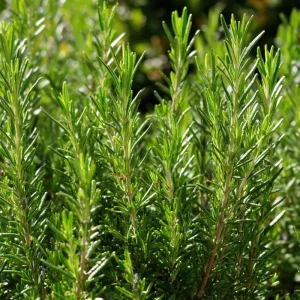
This offering includes 50 Rosmarinus officinalis seeds, providing ample opportunity to cultivate a robust and productive rosemary patch. When mature, rosemary plants typically grow to a height of 2–4 feet (60–120 cm) and spread about 2–3 feet (60–90 cm) wide, depending on the variety and growing conditions. These plants are known for their moderate growth rate, establishing themselves well within the first year. The seeds are intended for planting to grow into mature plants. They will arrive in a protective packet, ensuring viability upon arrival. Expect the first harvest of leaves within a few months of transplanting, with flowering typically occurring in late spring to early summer, attracting pollinators to your garden. This pack is perfect for anyone looking to grow rosemary from seed for culinary or ornamental purposes. Each seed holds the potential for a beautiful and functional addition to your garden.
The mature size of the plant can be managed through regular pruning, allowing it to fit into various garden designs or container sizes. The evergreen nature of rosemary means it provides year-round foliage, adding structure and color even in winter in appropriate climates. These high-quality seeds are carefully selected to ensure a good germination rate, setting you up for success in your gardening endeavors.
Frequently Asked Questions
- Q: How big do mature rosemary plants get from these organic rosemary seeds? A: From these seeds, mature rosemary plants typically reach a height of 2–4 feet (60–120 cm) and a spread of 2–3 feet (60–90 cm) when grown in optimal conditions outdoors. Growth can be managed with regular pruning, making them adaptable to smaller spaces or containers.
- Q: Is rosemary an indoor or outdoor plant? A: Rosemary thrives outdoors in full sun and well-drained soil, especially in USDA Zones 8-10. In colder climates, it can be grown as an annual or brought indoors during winter as a potted plant, provided it receives ample light.
- Q: How much sunlight does rosemary need? A: Rosemary requires a minimum of 6-8 hours of direct sunlight per day to flourish. Full sun is crucial for healthy growth, strong flavor development, and robust flowering.
- Q: Is fragrant culinary herb rosemary easy for beginners to grow from seed? A: While germinating Rosmarinus officinalis seeds requires patience and consistent conditions (warmth and light), established rosemary plants are relatively low-maintenance, making it a rewarding plant for beginners once past the seedling stage. Detailed rosemary plant care instructions are provided.
- Q: What condition will the seeds arrive in? A: The organic rosemary seeds will arrive in a sealed packet, ensuring their protection and viability for planting. They are dry seeds, ready for your planting efforts upon arrival.
- Q: When is the best time to plant these rosemary seeds? A: For best results, start your rosemary seeds indoors 8–10 weeks before your last expected frost date. Transplant outdoors after all danger of frost has passed in spring, when soil temperatures have warmed.
- Q: Will rosemary survive winter in my zone? A: Rosemary is hardy in USDA Zones 8-10. In zones colder than 8, it typically will not survive winter outdoors unless protected or brought indoors, as it is sensitive to hard freezes.
- Q: Can I use these seeds to grow rosemary from seed for medicinal purposes? A: Traditionally, rosemary has been used for various health benefits. Growing your own ensures a fresh supply for exploring these traditional uses, though consulting a professional herbalist or doctor is always recommended for specific health applications.
- Q: What type of soil is best for growing organic rosemary seeds? A: Rosemary prefers well-drained, sandy, or loamy soil. If your garden has heavy clay, amending it with sand or organic matter will significantly improve drainage and promote healthier root development.
- Q: How long does it take for rosemary to flower from these seeds? A: Rosemary typically begins to flower in late spring to early summer, usually within the first year or two after being established from seed, depending on growing conditions and climate.


Reviews
There are no reviews yet.