Overview
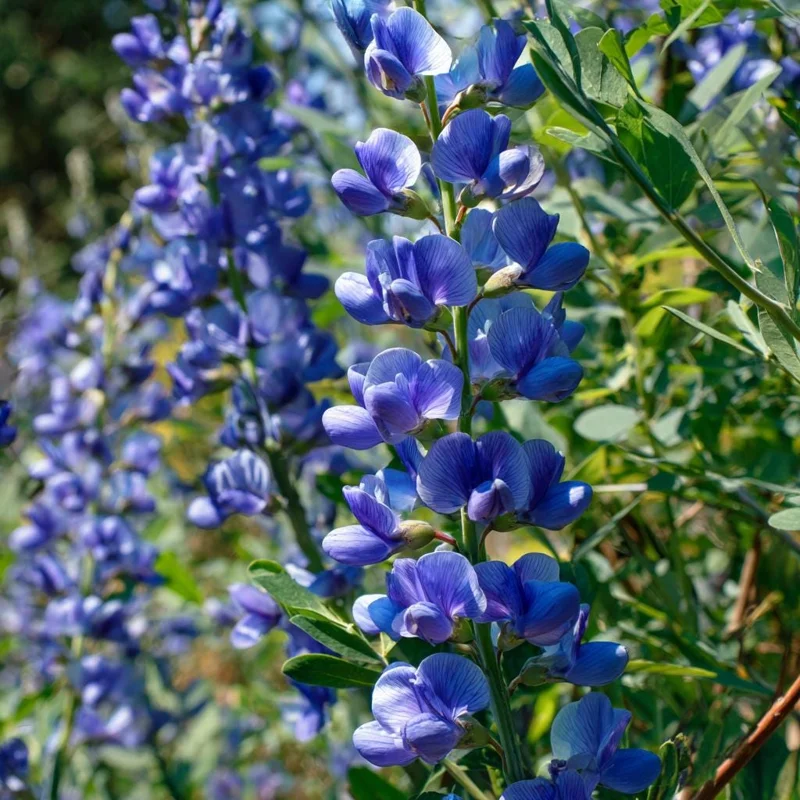
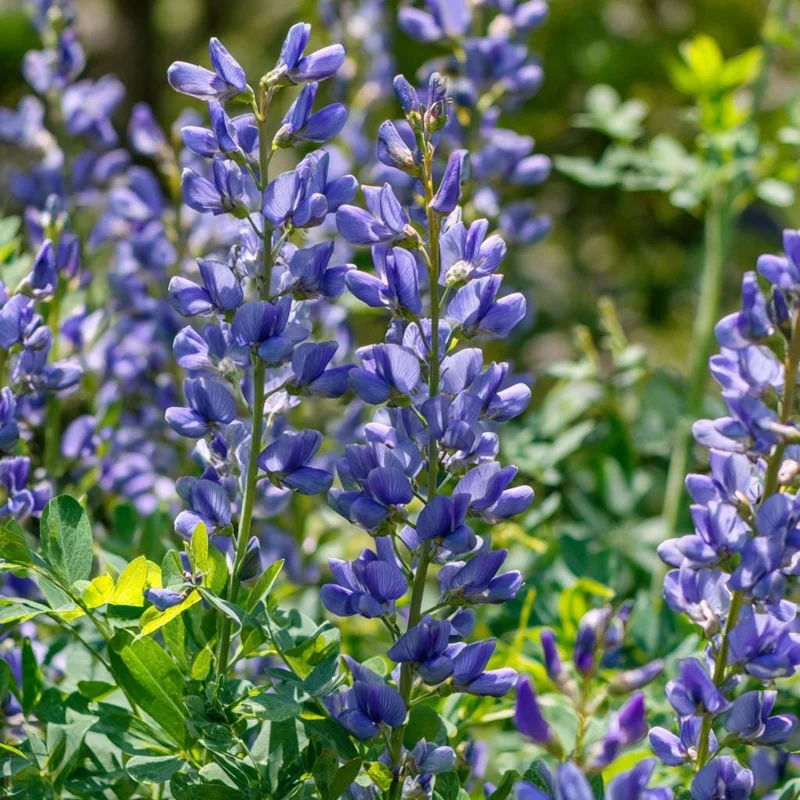
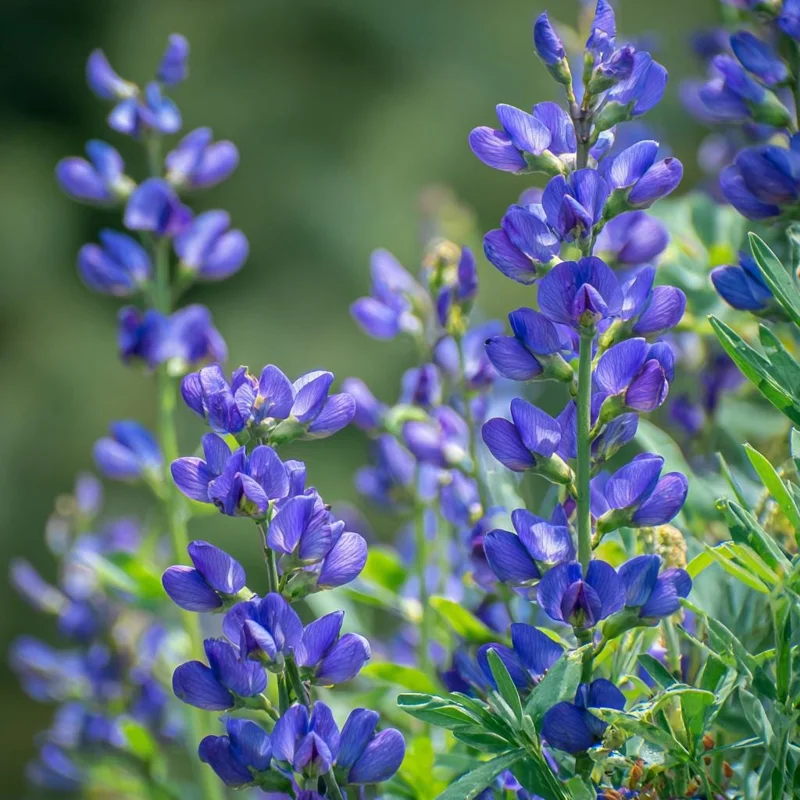
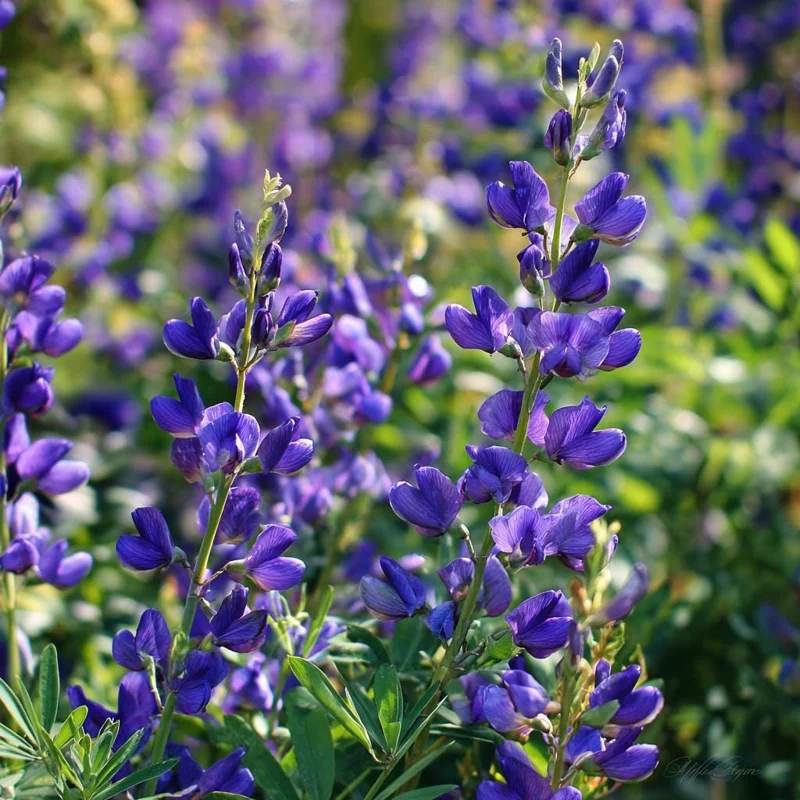
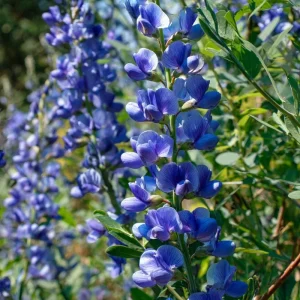
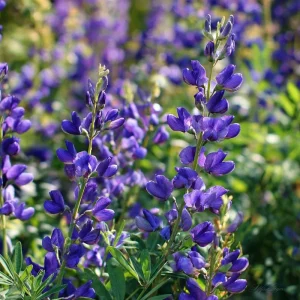
Discover the captivating beauty of blue wild indigo seeds (Baptisia australis), a remarkable perennial native to North America. These seeds will allow you to cultivate a striking plant celebrated for its tall spikes of deep blue, pea-like flowers and distinctive silvery-green foliage. Blooming from late spring into early summer, each plant matures to an impressive 3–4 feet tall, adding significant vertical interest and structure to garden beds, borders, and naturalized landscapes. Known for its robust nature and ease of care, blue wild indigo seeds are an excellent choice for gardeners seeking both aesthetic appeal and ecological benefits. This plant not only provides long-lasting color but also enriches the soil through nitrogen fixation, making it a valuable addition to any garden.
The common name, Blue Wild Indigo, hints at its historical use as a dye plant, producing a blue pigment. However, its primary appeal today lies in its ornamental value and its role as a cornerstone of sustainable gardening. It’s a drought-tolerant and low-maintenance species once established, making it ideal for those who desire a beautiful garden without constant upkeep. Whether you’re designing a new garden or enhancing an existing one, growing from baptisia australis seeds offers a rewarding experience, culminating in a spectacular display of blue.
Key Benefits
Planting blue wild indigo seeds offers a multitude of advantages for your garden and local ecosystem. This hardy perennial provides enduring beauty and supports biodiversity with minimal effort.
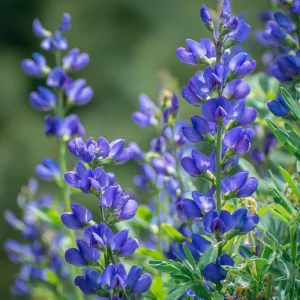
- Attracts Pollinators: The vibrant blue flowers are a magnet for bees, butterflies, and other beneficial insects, making it an essential component of any pollinator garden seeds collection. It helps support local ecosystems and enhances garden health, ensuring your garden is a vibrant hub of activity.
- Low Maintenance: Once established, Blue Wild Indigo is remarkably drought-tolerant and requires little attention, freeing up your time to enjoy its beauty rather than constantly tending to it. This makes wild indigo plant care surprisingly simple.
- Soil Enrichment: As a legume, Baptisia australis is a natural nitrogen fixer, improving soil fertility and benefiting surrounding plants without the need for synthetic fertilizers. This natural process contributes to a healthier garden ecosystem.
- Long Blooming Period: Enjoy a prolonged display of deep blue flowers from late spring to early summer, providing consistent color and interest when many other plants are just beginning to bloom. These beautiful blooms are a highlight of the season.
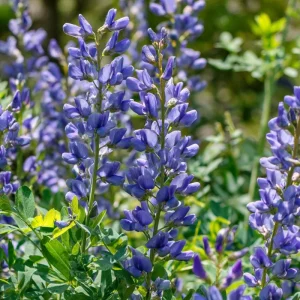
- Architectural Interest: Its upright, bushy growth habit and tall flower spikes create a strong vertical element in the garden, adding structure and depth to borders and mass plantings. It’s a true statement plant.
- Deer Resistant: The foliage of Blue Wild Indigo is generally unappealing to deer, offering a reliable plant choice in areas where deer browsing is a concern. You can plant these perennial flower seeds with peace of mind.
- Hardy Perennial: These perennial flower seeds produce plants that return year after year, establishing a strong root system that becomes more impressive with age, providing lasting value to your landscape. The longevity of these plants is a significant benefit.
Plant Care & Growing Tips
Growing blue wild indigo seeds is a straightforward process, especially with the right preparation and care. To ensure successful germination and robust plant growth, begin by soaking the seeds in warm water for 24 hours. This step helps to soften the hard seed coat, promoting quicker and more consistent germination. You can sow seeds indoors 6–8 weeks before the last expected frost, or directly outdoors in spring after the danger of frost has passed, or in the fall for natural stratification over winter. Plant the seeds 1/4–1/2 inch deep in well-drained soil, maintaining consistent, light moisture until germination, which typically occurs within 2–4 weeks.
Once germinated, wild indigo plant care focuses on providing optimal conditions for establishment. Blue Wild Indigo thrives in full sun to partial shade, requiring at least 6 hours of direct sunlight daily for the best flowering. It prefers well-drained, moderately fertile soil and is highly adaptable to various soil types, including sandy or clay soils, as long as drainage is adequate. After plants are established, they become remarkably drought-tolerant, meaning less frequent watering is needed. Space seedlings 12–18 inches apart to allow ample room for their mature size. While generally low-maintenance, young plants may benefit from support until their stems become sturdy. Pruning after the flowering period can encourage new growth and help maintain a tidy shape. Fertilization is rarely necessary due to its nitrogen-fixing capabilities, especially in moderately fertile soil. Monitor for common garden pests, though Baptisia australis is relatively pest-free. For best results with your baptisia australis seeds, ensure good drainage and ample sunlight.
Size & Details
Our offering includes 50 seeds of Blue Wild Indigo, providing a generous quantity for establishing a significant planting or for multiple gardening projects. Each plant grown from these blue wild indigo seeds typically reaches a mature height of 3–4 feet (approximately 90–120 cm) and spreads similarly, creating a substantial, bushy presence in the garden. The seeds are suitable for planting to grow a perennial flower seeds variety that will return year after year, increasing in size and vigor. Expect plants to develop strong root systems, contributing to their drought tolerance and longevity. While germination can take 2–4 weeks, the resulting plants are long-lived, often thriving for decades in suitable conditions. The elegant structure and long-lasting blue blooms make these plants a focal point in any landscape, especially when considering the contribution to a pollinator garden seeds collection.
Frequently Asked Questions
- Q: How many seeds are included in this pack? A: This pack contains 50 Blue Wild Indigo seeds, providing a good quantity for starting a new garden bed or enhancing an existing one with these beautiful perennials.
- Q: How tall does the Blue Wild Indigo plant get? A: Once mature, the Blue Wild Indigo plant typically grows to a height of 3–4 feet (90–120 cm), adding significant vertical interest to your garden.
- Q: Is Blue Wild Indigo an indoor or outdoor plant? A: Blue Wild Indigo is primarily an outdoor plant, thriving in garden beds, borders, and naturalized areas. It requires substantial sunlight and space to grow to its full potential. You’ll find wild indigo plant care is best suited for outdoor conditions.
- Q: How much sunlight does Blue Wild Indigo need? A: For optimal growth and flowering, baptisia australis seeds should be planted in a location that receives full sun to partial shade, ideally at least 6 hours of direct sunlight per day.
- Q: Is this plant easy to care for? A: Yes, Blue Wild Indigo is considered a low-maintenance plant once established. It is drought-tolerant and generally resistant to pests and diseases, making wild indigo plant care quite simple for gardeners of all levels.
- Q: When is the best time to plant Blue Wild Indigo seeds? A: You can sow the seeds indoors 6–8 weeks before the last frost, or directly outdoors in spring after the last frost, or in the fall for natural cold stratification. These perennial flower seeds are quite adaptable.
- Q: What type of soil does Blue Wild Indigo prefer? A: This plant thrives in well-drained, moderately fertile soil. It is adaptable to various soil types, including sandy or clay soils, as long as good drainage is provided.
- Q: Will Blue Wild Indigo attract pollinators? A: Absolutely! Its deep blue, pea-like flowers are highly attractive to bees, butterflies, and other beneficial pollinators, making it an excellent choice for a pollinator garden seeds project.
- Q: How long does it take for the seeds to germinate? A: After proper soaking and planting, germination for blue wild indigo seeds typically takes between 2 to 4 weeks.
- Q: Is Blue Wild Indigo a hardy perennial? A: Yes, it is a very hardy perennial, meaning it will return year after year and become more robust with age, offering long-term beauty to your garden.


Reviews
There are no reviews yet.