Overview
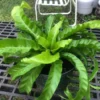
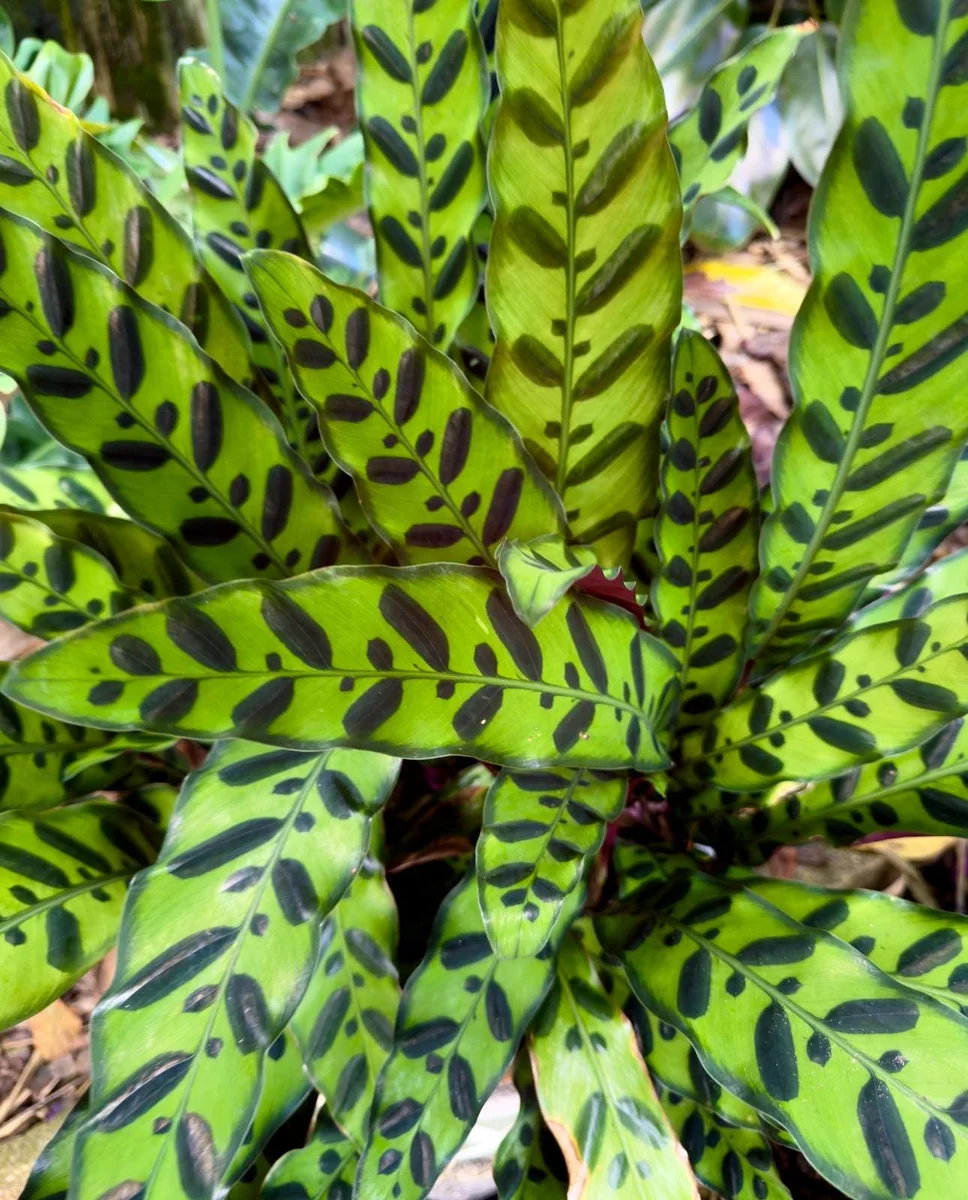
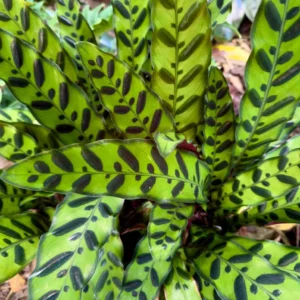
Introducing the captivating Calathea Rattlesnake live plant, a stunning addition to any indoor plant collection. This particular variety, scientifically known as Goeppertia insignis, is celebrated for its elongated, wavy-edged leaves adorned with intricate patterns of dark green blotches on a lighter green background, complemented by a rich purple underside. Often grouped under the ‘prayer plant’ family due to its leaves’ nocturnal movement, this tropical beauty brings a dynamic element to your living space. Originating from the rainforests of Brazil, the Calathea Rattlesnake houseplant thrives in conditions that mimic its natural humid environment, making it a rewarding challenge for plant enthusiasts looking to enhance their home decor with unique botanical specimens. Our 2-inch potted starter plant is ready to be nurtured and grown into a spectacular display of natural artistry.
Key Benefits
The Calathea Rattlesnake live plant offers numerous advantages beyond its striking appearance, making it a popular choice for indoor gardeners. Its unique characteristics contribute to both aesthetic appeal and a healthier home environment.
- Exotic Visual Appeal: The vibrant green foliage with its distinct patterns and purple undersides creates a dramatic focal point, adding a touch of tropical flair to any room. This plant is a true conversation starter.
- Air Purification: Like many houseplants, the Calathea Rattlesnake live plant helps to naturally filter and purify indoor air, contributing to a fresher and healthier home atmosphere by removing common toxins.
- Pet-Friendly: Unlike some popular houseplants, Calathea varieties are generally considered non-toxic to pets, offering peace of mind for pet owners who want to enjoy lush greenery.
- Unique Leaf Movement: Witness the fascinating ‘prayer plant’ phenomenon as its leaves fold upwards at night and unfurl during the day, adding an interactive and living element to your home.
- Boosts Mood and Well-being: Caring for plants, especially those as beautiful as this tropical foliage plant, can reduce stress, improve focus, and enhance overall mental well-being, creating a more calming environment.
- Versatile Decor: Its compact size when young and stunning appearance make it suitable for various indoor settings, from desks and shelves to larger floor displays as it matures.
- Engaging Hobby: For those interested in learning about plant care, the specific needs of the indoor Calathea care provide an engaging and educational gardening experience.
Plant Care & Growing Tips
Proper indoor Calathea care is crucial for the health and vibrancy of your Calathea Rattlesnake live plant. These tropical beauties thrive when their specific environmental needs are met, mimicking their native rainforest habitat. They prefer consistent conditions to truly flourish.
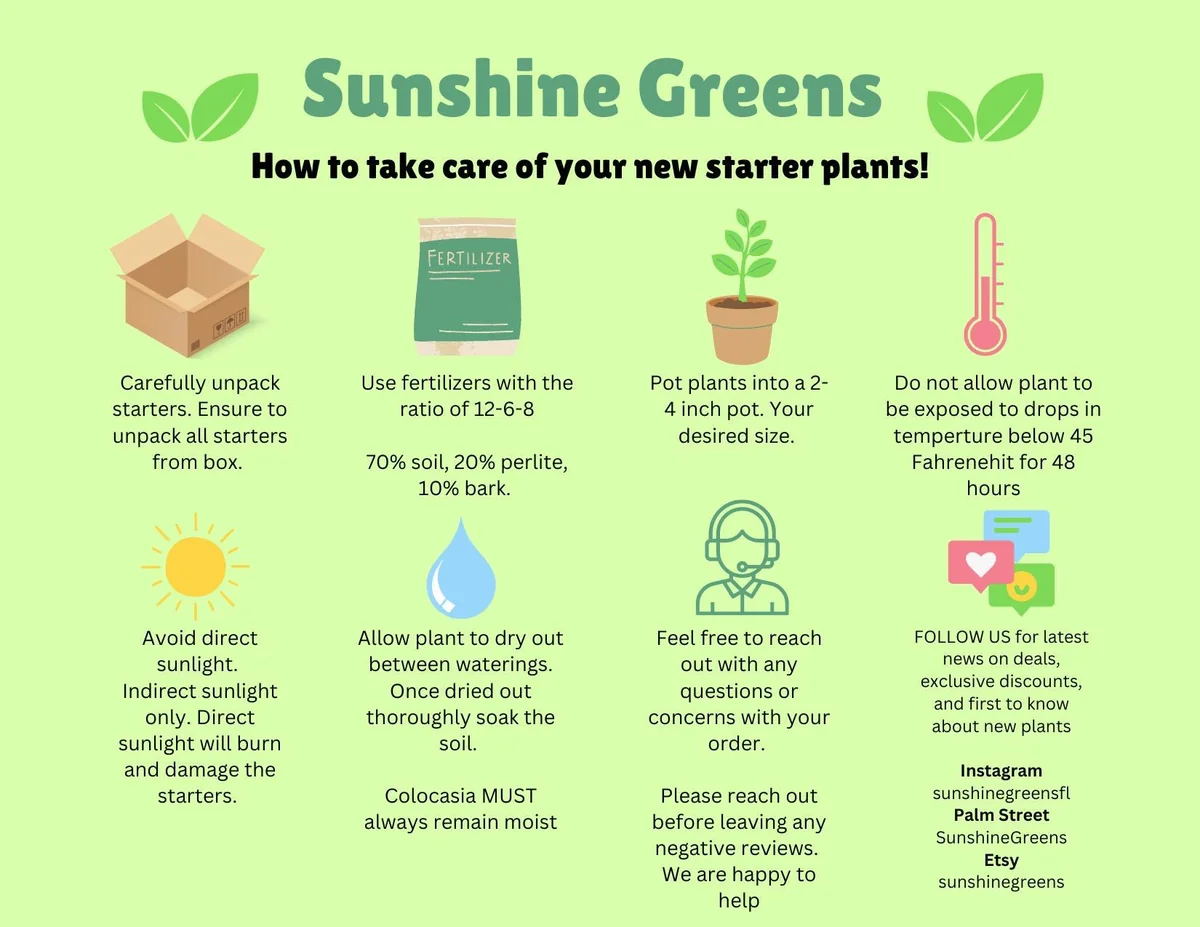
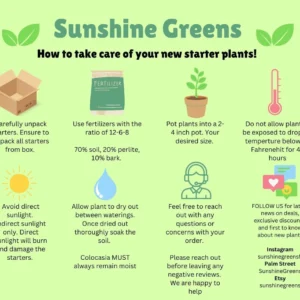
Sunlight requirements: This plant thrives in bright, indirect light. Direct sunlight can scorch its delicate leaves, causing them to fade or develop brown spots. An east-facing window is often ideal, providing gentle morning sun, or a few feet away from a south or west-facing window with sheer curtains. Insufficient light can lead to less vibrant foliage patterns and slower growth. Rotate your plant every few weeks to ensure even light exposure and growth.
Watering schedule and soil moisture preferences: Calatheas prefer consistently moist soil, but never waterlogged. Water thoroughly when the top inch of soil feels dry to the touch. Ensure proper drainage to prevent root rot. Reduce watering slightly in winter. Using filtered water or rainwater is recommended, as Calatheas can be sensitive to chemicals found in tap water, which may cause leaf tips to brown. Good prayer plant care involves careful attention to watering.
Soil type and drainage requirements: A well-draining, peat-based potting mix is ideal for your Calathea Rattlesnake houseplant. Look for mixes that retain some moisture but allow excess water to escape freely. Adding perlite or orchid bark can improve drainage and aeration. Ensure your pot has drainage holes.
Temperature range and USDA hardiness zone: These plants prefer warm temperatures, ideally between 65-80°F (18-27°C). Avoid temperatures below 60°F (15°C) and sudden temperature fluctuations, which can stress the plant. As an indoor tropical plant, it is not suited for outdoor cultivation in most US climates and does not have a specific USDA hardiness zone for outdoor planting; it is best kept indoors year-round.
Fertilization schedule and type: Feed your Calathea every 2-4 weeks during the growing season (spring and summer) with a balanced liquid fertilizer diluted to half strength. Reduce or stop fertilizing during fall and winter when the plant’s growth slows. Over-fertilization can lead to salt buildup and leaf burn.
Common problems and solutions: Brown leaf tips often indicate low humidity or chemical sensitivity from tap water. Increase humidity with a humidifier or pebble tray, and use filtered water. Pests like spider mites can be an issue; regularly inspect leaves and treat with insecticidal soap if necessary. Yellowing leaves can signal overwatering or nutrient deficiency. Understanding these aspects is key to successful tropical foliage plant cultivation.
Size & Details
This offering is for one Calathea Rattlesnake live plant, presented in a 2-inch nursery pot. At this starter size, the plant typically stands approximately 3-6 inches tall from the base of the pot, with 2-4 established leaves. Its growth rate is moderate, and with optimal prayer plant care, it can eventually reach heights of 1-2 feet indoors, showcasing a spread of similar width. The distinctive patterns on its leaves become more pronounced as the plant matures. Each plant is unique, and slight variations in size, leaf count, and variegation are to be expected as a natural characteristic of live plants. This young plant is shipped fully rooted in its soil, ready for you to acclimate to its new home and begin its journey of growth.
Frequently Asked Questions
- Q: How big does this Calathea Rattlesnake live plant get? A: This starter plant comes in a 2-inch pot. With proper care, a mature Calathea Rattlesnake can grow to be 1-2 feet tall and wide indoors, making it a substantial and beautiful houseplant.
- Q: Is this an indoor or outdoor plant? A: The Calathea Rattlesnake live plant is primarily an indoor houseplant. It thrives in stable indoor environments with high humidity and indirect light, which are difficult to maintain outdoors in most climates.
- Q: How much sunlight does it need? A: This tropical foliage plant prefers bright, indirect light. Direct sun can burn its leaves, while too little light can cause its distinctive patterns to fade. An east-facing window or a well-lit room away from direct sun is ideal.
- Q: Is this plant easy to care for? A: While not the easiest houseplant, the Calathea Rattlesnake live plant is manageable for intermediate plant enthusiasts. It requires consistent humidity, careful watering, and protection from direct sun, making indoor Calathea care a rewarding challenge.
- Q: What condition will it arrive in? A: Your Calathea Rattlesnake live plant will arrive carefully packaged in its 2-inch nursery pot, fully rooted and ready for its new home. It is normal for live plants to experience some minor stress during shipping.
- Q: Is the Calathea Rattlesnake pet-safe? A: Yes, the Calathea Rattlesnake houseplant is generally considered non-toxic to pets, making it a safer choice for homes with cats and dogs compared to some other popular houseplants.
- Q: How often should I water my Calathea? A: Water your Calathea when the top inch of soil feels dry. It prefers consistently moist, but not soggy, soil. Overwatering can lead to root rot, while underwatering can cause leaves to curl.
- Q: Why are the leaves on my prayer plant curling? A: Curling leaves on your prayer plant care often indicate a lack of humidity or insufficient watering. Try increasing humidity around the plant and ensure the soil is consistently moist.
- Q: What type of soil is best for a Calathea Rattlesnake? A: A well-draining, peat-based potting mix is best for this plant. Incorporating perlite or orchid bark can enhance drainage and aeration, which are crucial for healthy root development.
- Q: Does this plant have flowers? A: While Calatheas can produce small, insignificant flowers, they are primarily grown for their stunning, patterned foliage. The focus of this Calathea Rattlesnake live plant is its beautiful leaves.


Reviews
There are no reviews yet.