Overview
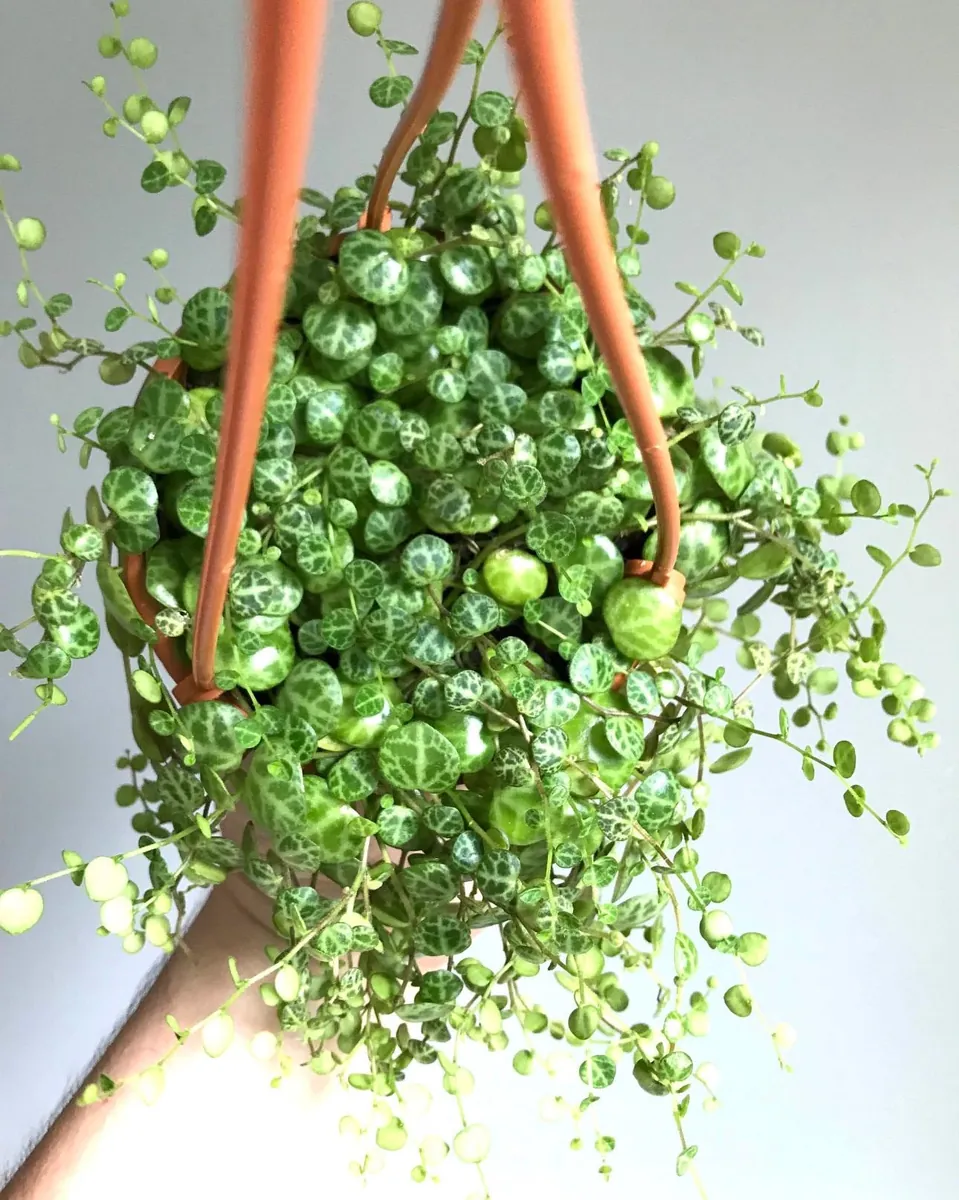
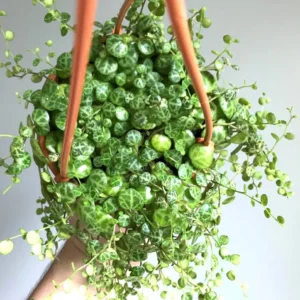
Introduce a touch of whimsical beauty to your indoor garden with the charming string of turtles live plant, scientifically known as Peperomia Prostrata. This delightful succulent-like plant is renowned for its small, round, variegated leaves that resemble tiny turtle shells strung along delicate red stems. Originating from the rainforests of Brazil, this unique trailing vine thrives in conditions mimicking its natural humid habitat. It’s an excellent choice for hanging baskets, shelves, or terrariums, where its cascading foliage can be fully appreciated. As a relatively low-maintenance houseplant, the string of turtles live plant is perfect for both novice and experienced plant parents looking to add an eye-catching and conversation-starting specimen to their collection. Its compact growth habit ensures it won’t outgrow its space quickly, making it a versatile addition to various indoor settings.
The peperomia prostrata care requirements are straightforward, making it an accessible option for those new to houseplants. Its distinctive appearance and easy-going nature have made it a highly sought-after plant among collectors and interior decorators. This starter plant provides a wonderful opportunity to grow and nurture a beautiful specimen from its early stages, allowing you to witness its captivating development firsthand. The intricate patterns on each leaf are truly a marvel, providing continuous visual interest. Embrace the beauty of nature with this exquisite string of turtles live plant, a testament to the diverse and fascinating world of Peperomia.
Key Benefits
The string of turtles live plant offers numerous advantages that make it a favorite among houseplant enthusiasts. Its unique aesthetics and relatively easy care contribute to its widespread appeal. Enjoy the following benefits:
- Stunning Ornamental Value: The distinctive, patterned leaves resembling tiny turtle shells create a captivating visual display. This makes the string of turtles indoor plant an excellent decorative piece for any room, adding a touch of exotic charm.
- Compact Trailing Growth: Ideal for hanging baskets, shelves, or even as a ground cover in terrariums, its cascading habit adds elegance and dimension to your plant arrangements. It doesn’t take up much space, making it perfect for smaller living areas.
- Low Maintenance: This plant is surprisingly easy to care for, requiring minimal attention once its basic needs are met. It’s forgiving of occasional neglect, making peperomia prostrata care suitable for busy individuals.
- Air Purifying Qualities: Like many houseplants, the Peperomia Prostrata contributes to a healthier indoor environment by helping to filter out common airborne toxins, improving air quality in your home or office.
- Pet-Friendly: The string of turtles live plant is considered non-toxic to cats and dogs, offering peace of mind for pet owners who want to enjoy lush greenery without worry.
- Unique Texture and Color: The small, succulent-like leaves boast a beautiful array of green hues with darker veins, providing a delightful textural contrast to other plants in your collection.
- Versatile Placement: Thrives in various indoor settings, from bright windowsills to well-lit office desks, as long as it receives adequate indirect light. This makes it a highly adaptable trailing houseplant.
Plant Care & Growing Tips
Proper peperomia prostrata care ensures a thriving and beautiful plant. This plant prefers conditions that mimic its native tropical environment, focusing on humidity and consistent, yet not excessive, moisture. Understanding its needs will help your string of turtles live plant flourish and display its full beauty. Pay close attention to light, watering, and soil to achieve the best results.
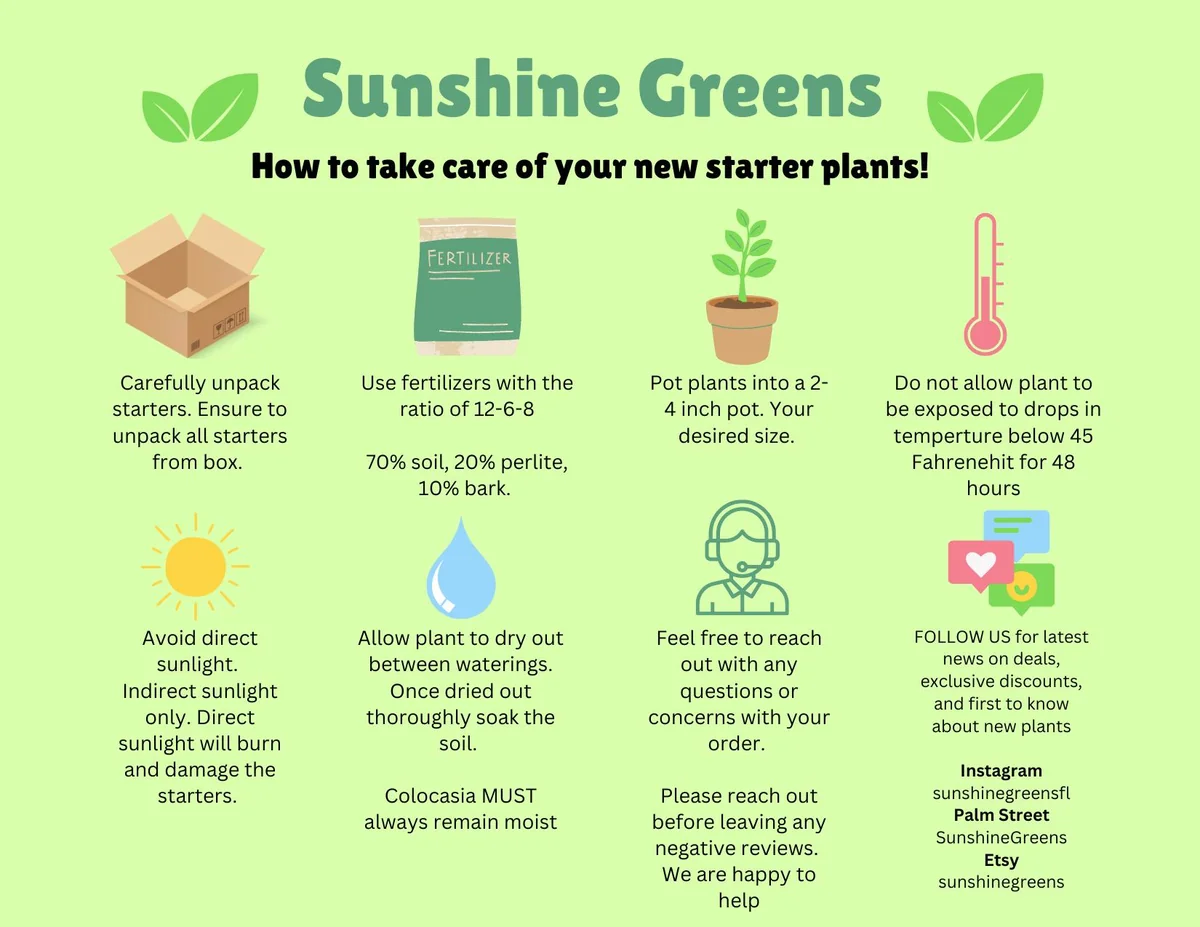
For sunlight, the string of turtles indoor plant prefers bright, indirect light. Direct sunlight can scorch its delicate leaves, leading to discoloration. An east-facing window or a few feet away from a south or west-facing window is ideal. If natural light is insufficient, a grow light can supplement. When it comes to watering, allow the top inch or two of the soil to dry out completely between waterings. Overwatering is the most common cause of problems for this plant, often leading to root rot. Test the soil with your finger before watering. During winter, reduce watering frequency as the plant’s growth slows. The ideal soil type is a well-draining potting mix. A mix formulated for succulents or a standard potting mix amended with perlite or orchid bark will provide the necessary drainage. Good drainage is crucial to prevent waterlogging.
The peperomia plant for sale thrives in warm temperatures, ideally between 65-75°F (18-24°C). Avoid exposing it to temperatures below 50°F (10°C), as it is not cold-hardy. High humidity is also beneficial, which can be achieved by placing the pot on a pebble tray with water, using a humidifier, or grouping it with other plants. Fertilize sparingly during the growing season (spring and summer) with a balanced liquid fertilizer diluted to half strength, typically once a month. Avoid fertilizing in fall and winter. Common problems include leaf drop due to overwatering or underwatering, and pests like mealybugs or spider mites, which can be treated with insecticidal soap. Consistent and mindful peperomia prostrata care will ensure your plant remains healthy and vibrant.
Size & Details
This offering is for a starter string of turtles live plant, carefully propagated and ready to establish in its new home. Typically, starter plants are young, well-rooted cuttings that are 2-4 inches in length with several nodes and leaves, providing a strong foundation for future growth. The plant is shipped in a small nursery pot, usually 2 inches in diameter, ensuring its roots are protected during transit. While exact dimensions can vary, you can expect a healthy, vibrant specimen ready to begin its journey as a beautiful trailing houseplant.
The String of Turtles is known for its relatively slow to moderate growth rate, allowing you to enjoy its delicate appearance for an extended period without constant repotting. With proper peperomia prostrata care, this starter plant will gradually develop longer vines, eventually cascading beautifully. It’s an ideal size for planting into a decorative pot or incorporating into a terrarium. Expect to see significant new growth within a few weeks of receiving and repotting your plant, given the right environmental conditions.
Frequently Asked Questions
- Q: How big does this String of Turtles plant get? A: As a starter plant, it will be small upon arrival, typically 2-4 inches. With proper care, its vines can grow quite long, often reaching several feet in length over time, making it a beautiful cascading plant for hanging.
- Q: Is this an indoor or outdoor plant? A: The string of turtles live plant is primarily an indoor houseplant, best suited for controlled indoor environments. It can be placed outdoors in very warm, humid, and shaded conditions during summer, but must be brought inside before temperatures drop.
- Q: How much sunlight does it need? A: This plant thrives in bright, indirect light. Direct sun can scorch its leaves, while too little light can lead to sparse growth. An east-facing window or a spot a few feet away from a brighter window is ideal for optimal peperomia prostrata care.
- Q: Is this plant easy to care for? A: Yes, the String of Turtles is considered relatively easy to care for, making it a good choice for beginners. Its main requirements are consistent indirect light and careful watering to avoid overwatering.
- Q: What condition will it arrive in? A: Your peperomia plant for sale will arrive as a healthy, well-rooted starter plant, carefully packaged to ensure its safety during transit. It will be in a small nursery pot with soil.
- Q: How often should I water my String of Turtles? A: Water when the top 1-2 inches of soil feel dry to the touch. It’s better to underwater slightly than to overwater, as it is susceptible to root rot. This is a crucial aspect of peperomia prostrata care.
- Q: Is this plant pet-safe? A: Yes, the Peperomia Prostrata is considered non-toxic to cats and dogs according to the ASPCA, making it a safe choice for homes with pets.
- Q: When is the best time to repot this plant? A: Repotting is best done in spring or early summer when the plant is actively growing. Only repot when the plant has outgrown its current pot, usually every 1-2 years.
- Q: What kind of soil is best for a String of Turtles? A: A well-draining potting mix is essential. A succulent or cactus mix, or a regular potting mix amended with perlite or orchid bark, will provide the necessary aeration and drainage.
- Q: Can I propagate my String of Turtles? A: Yes, this plant is easy to propagate from stem cuttings. Simply take a cutting with a few nodes, let it callus for a day, and then place it in moist soil or water until roots develop. This is a great way to expand your collection of string of turtles indoor plants.


Reviews
There are no reviews yet.