Overview
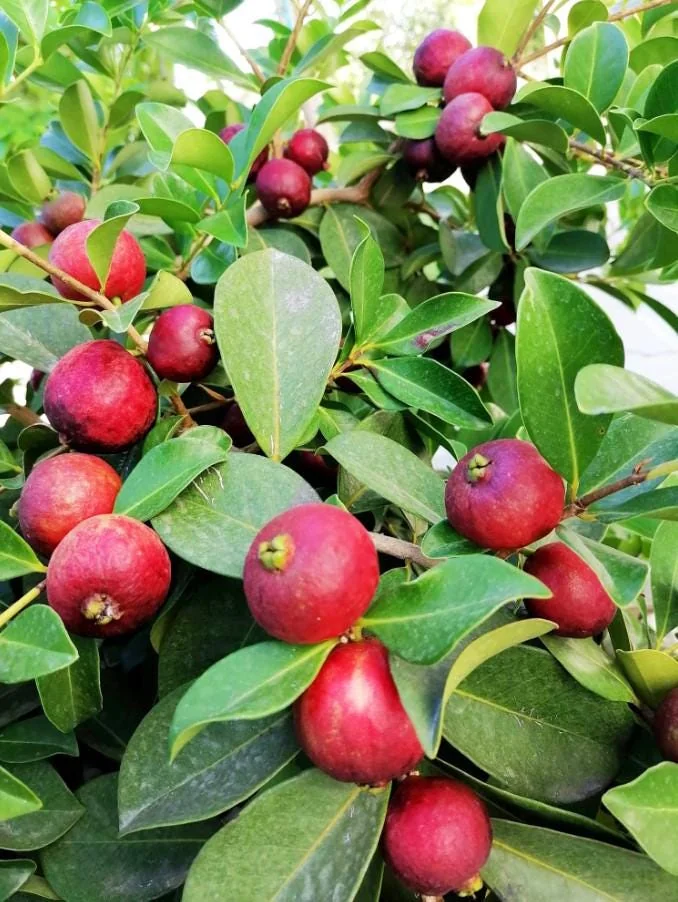
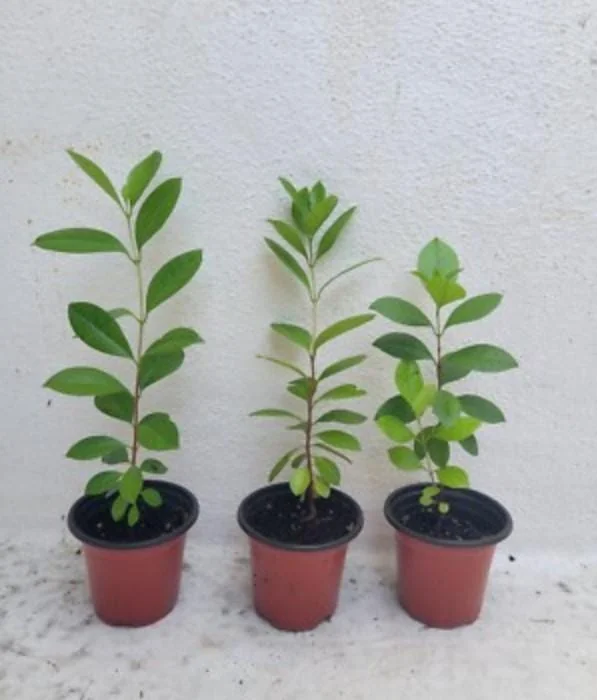
Cultivate your own exotic fruit with this strawberry guava live plant. This particular offering is a starter plant, typically 4-6 inches tall, ready to be established in your home garden. The psidium cattleianum plant, commonly known as Strawberry Guava, is a charming small tropical fruit tree highly valued for its delectable, sweet-tart red fruits and appealing green foliage. It serves both ornamental and edible purposes, making it a versatile addition to any landscape. Whether you’re looking to start a home orchard, enhance your edible landscaping, or simply enjoy fresh, homegrown tropical fruit, this starter plant provides an excellent foundation. Originating from Southeastern Brazil and parts of South America, this resilient plant can flourish in containers or directly in the ground in warmer climates, bringing a touch of the tropics to your outdoor or indoor space.
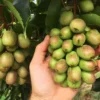
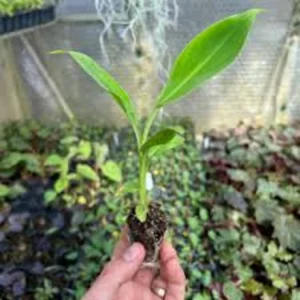
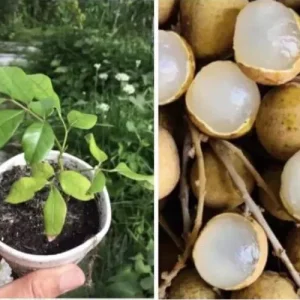
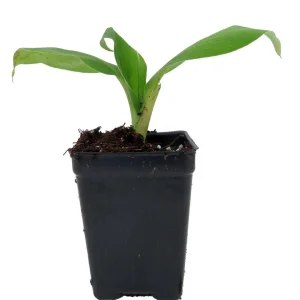
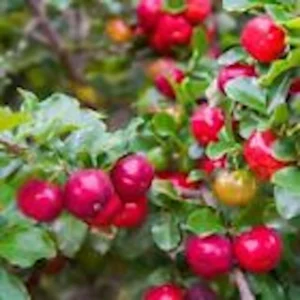
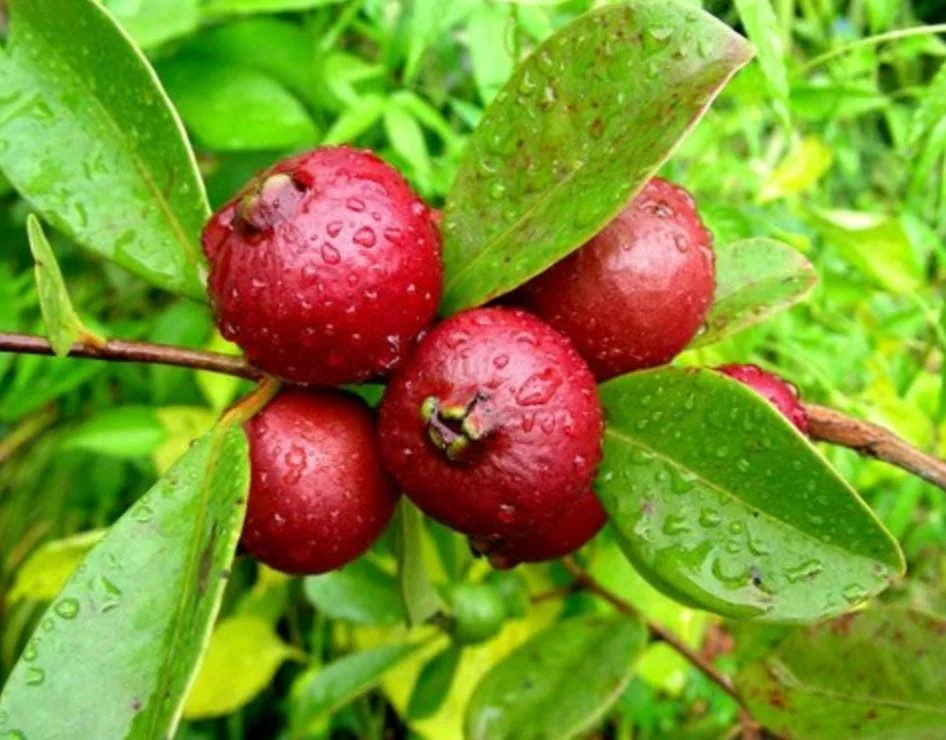
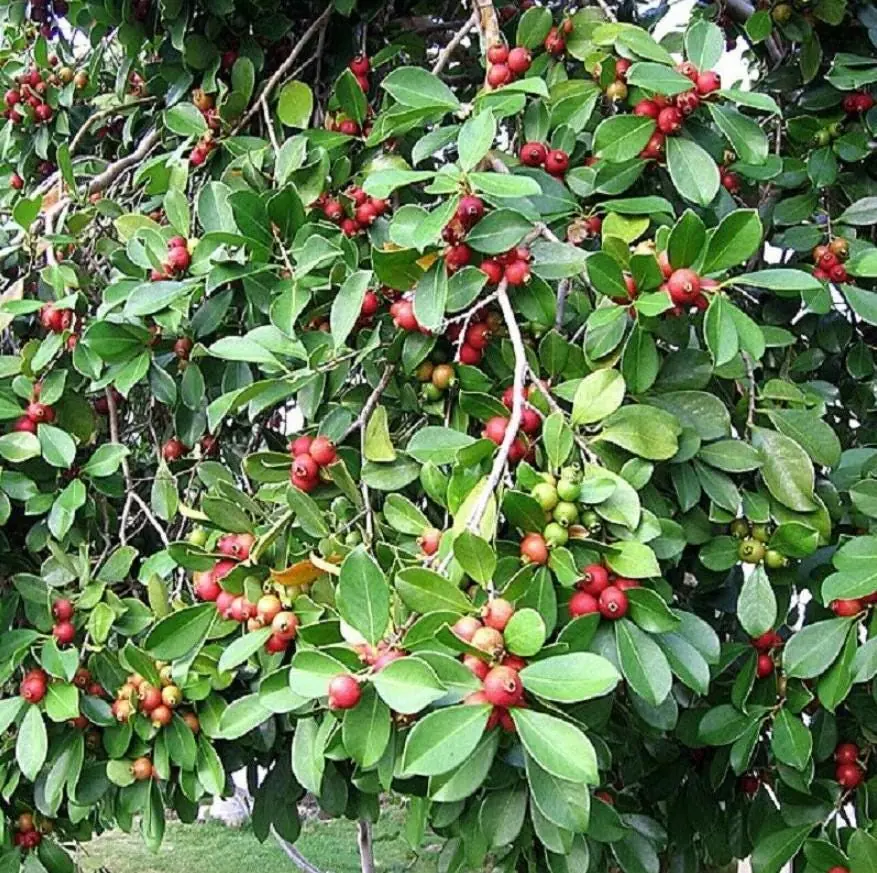
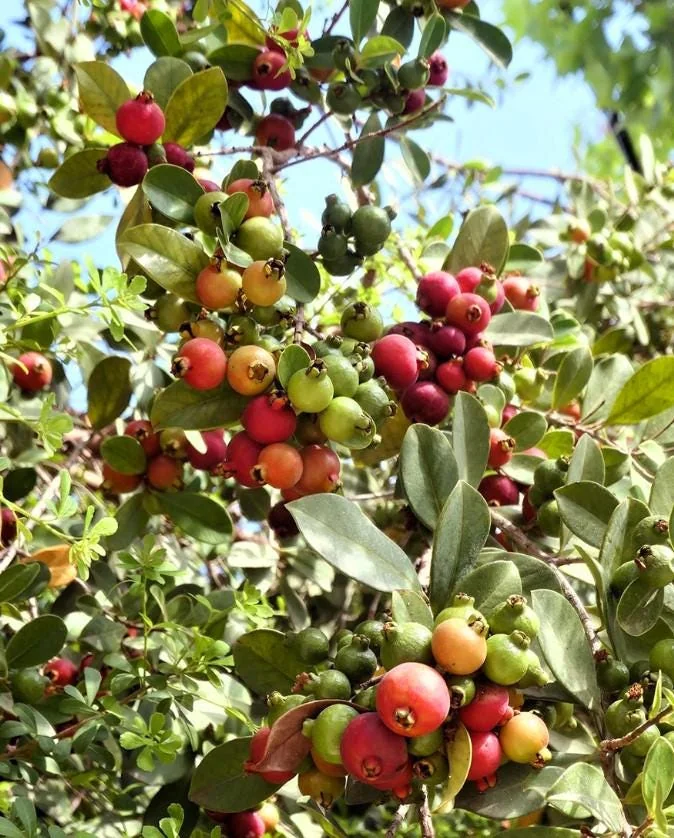
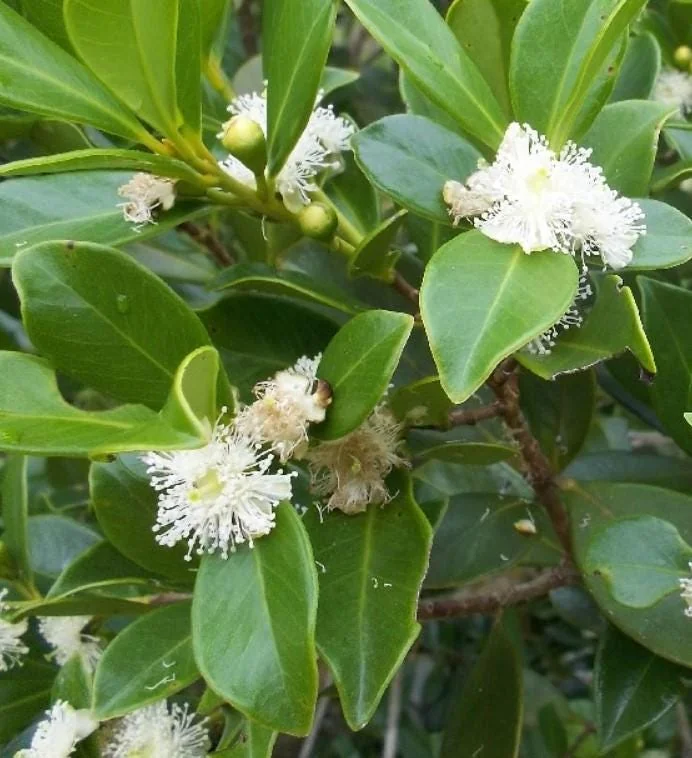
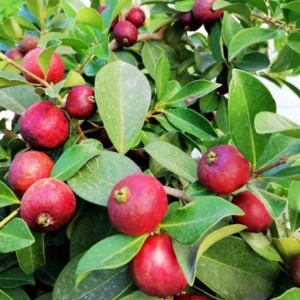
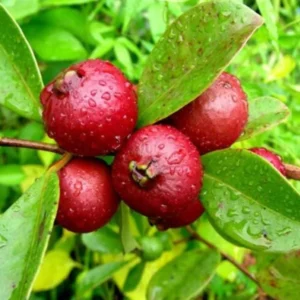
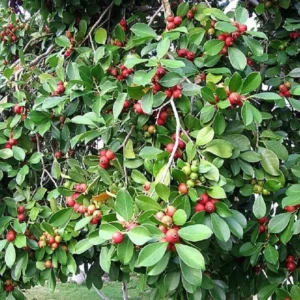
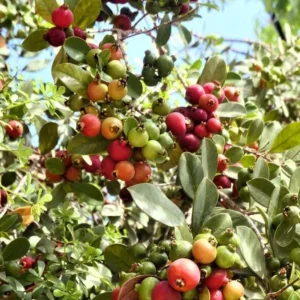
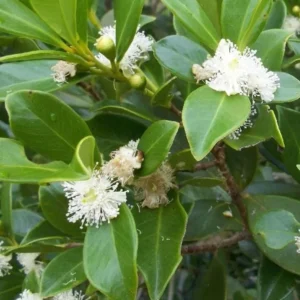
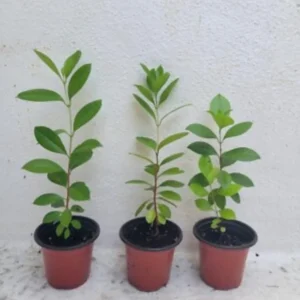
Each strawberry guava live plant is carefully prepared for shipment, ensuring it arrives ready for planting. While the initial photos illustrate a mature plant, you will receive a healthy young starter plant, perfect for nurturing its growth. This tropical fruit plant promises a rewarding gardening experience, culminating in a harvest of flavorful guavas. Its adaptability to various growing conditions, especially in subtropical and tropical zones, makes it a popular choice for gardeners eager to grow their own exotic produce.
Key Benefits
Adding a strawberry guava live plant to your collection offers numerous advantages, from its aesthetic appeal to its delicious yield. This versatile plant brings tropical beauty and gourmet flavor right to your home.
- Delicious Edible Fruits: Enjoy a bounty of sweet-tart red guavas, perfect for fresh eating, jams, juices, or freezing. The flavor is a unique blend that many find superior to common guavas.
- Attractive Ornamental Value: Beyond its fruit, the psidium cattleianum plant boasts glossy green foliage and a compact growth habit, making it an appealing decorative tree for patios or garden beds.
- Versatile Growing Options: Thrives equally well in containers on a patio or planted directly in the ground, offering flexibility for various garden designs and climates.
- Adaptable to Various Climates: Ideal for USDA zones 9–11, it tolerates brief, light frosts once established, expanding its potential growing regions.
- Easy to Grow for Beginners: With straightforward care requirements, this guava plant care is manageable even for novice gardeners looking to cultivate exotic fruits.
- Wildlife Attraction: The fruits can attract beneficial birds and other pollinators, contributing to a healthy garden ecosystem.
- Low Maintenance Once Established: After its initial establishment phase, the plant becomes relatively drought-tolerant and requires less intensive care compared to many other fruit trees.
Plant Care & Growing Tips
Caring for your strawberry guava live plant is a rewarding experience that ensures a healthy, productive tree. This tropical species thrives with proper attention to its environmental needs. For sunlight, provide full sun to partial shade; full sun encourages a more abundant fruit yield. Aim for at least 6 hours of direct sunlight daily if possible. When it comes to watering, consistent moisture is key, especially for young plants during the growing season. Once established, the guava plant becomes more drought-tolerant, but regular watering will still promote better fruiting and overall vigor. Avoid waterlogging, as this can lead to root rot.
The ideal soil for a psidium cattleianum plant is well-drained, preferably loamy or sandy, with a good amount of organic matter. A pH range of 5.5–7.0 is optimal. If planting in a container, use a high-quality potting mix that drains well. Fertilization can begin once the plant is established, using a balanced slow-release fertilizer or an organic fruit tree fertilizer during the growing season. Apply according to product instructions. This edible guava tree is best planted in spring to early summer in frost-free climates, or after the last frost in marginal zones. In terms of temperature, it is subtropical to tropical, thriving in USDA zones 9–11. It can tolerate brief light frosts once mature, but young plants should be protected from freezing temperatures. Regular pruning can help maintain shape and encourage fruit production.
Common problems often relate to watering imbalances or nutrient deficiencies. Yellowing leaves might indicate overwatering or a lack of nitrogen. Pests are generally not a major issue, but inspect your tropical fruit plant regularly for any signs of aphids or scale. Addressing these early with organic pest control methods can prevent larger infestations. Proper guava plant care ensures a robust plant and a plentiful harvest.
Size & Details
This offering is for a strawberry guava live plant, which arrives as a starter plant typically measuring 4-6 inches tall. These young plants are shipped without a pot, often with bare roots or minimal soil around the root ball, to facilitate safe and efficient transport. Upon arrival, it is crucial to handle the plant with care and transplant it into a suitable container or directly into the ground as soon as possible. While small at delivery, these plants have a moderate growth rate and, with proper care, will quickly establish themselves. Mature psidium cattleianum plant can reach heights of 10-20 feet if left unpruned, but they can be kept smaller through regular pruning, especially when grown in containers.
The plant is expected to begin fruiting within 2-3 years, maturing 3-5 months after flowering. The fruits are best harvested when fully red and slightly soft to the touch. This edible guava tree is ideal for home orchards, edible landscaping, and container gardening, making it a versatile choice for various garden sizes and styles. Its compact nature also makes it suitable for smaller spaces where a full-sized tree might be impractical. Expect a healthy, vigorous starter plant ready to embark on its growth journey in your garden.
Frequently Asked Questions
- Q: How big does this plant get? A: This strawberry guava live plant is a starter, typically 4-6 inches tall upon arrival. With proper care, it can grow into a small tree 10-20 feet tall, but can be maintained at a smaller size with pruning, especially in containers.
- Q: What size pot does it come in? A: The plant is shipped as a starter, generally without a pot, often with bare roots or a small amount of soil around the root ball. You will need to provide a suitable pot or plant it directly in the ground upon arrival.
- Q: Is this an indoor or outdoor plant? A: This psidium cattleianum plant thrives outdoors in USDA zones 9–11. In colder climates, it can be grown as a container plant and brought indoors during winter, making it a versatile tropical fruit plant for many regions.
- Q: How much sunlight does it need? A: The strawberry guava prefers full sun to partial shade. For optimal fruit production, aim for at least 6 hours of direct sunlight per day.
- Q: Is this plant easy to care for? A: Yes, the guava plant care is relatively straightforward. It requires consistent watering when young, well-draining soil, and adequate sunlight. Once established, it becomes more resilient.
- Q: What condition will it arrive in? A: Your plant will be carefully packed to ensure safe arrival as a healthy 4-6 inch starter plant, ready for transplanting.
- Q: Can I grow this plant for its fruit? A: Absolutely! The primary appeal of the edible guava tree is its delicious, sweet-tart red fruits, which are excellent for fresh consumption, jams, and juices.
- Q: How long until it blooms and fruits? A: Typically, a starter strawberry guava live plant will begin to flower and fruit within 2-3 years of planting. Fruits then mature 3-5 months after flowering.
- Q: What is the best time to plant? A: The best time to plant is in spring to early summer in frost-free regions, or after the last frost date in areas with colder winters.
- Q: Will it survive winter in my zone? A: This plant is suitable for USDA zones 9–11. If you are in a colder zone, it’s best to grow it in a container and bring it indoors during the winter months to protect it from freezing temperatures.


Reviews
There are no reviews yet.