Overview
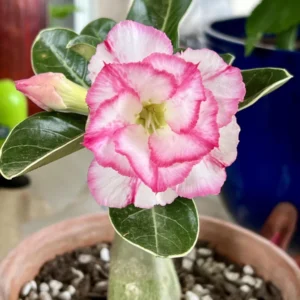
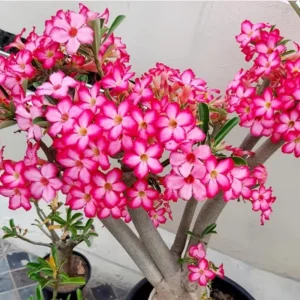
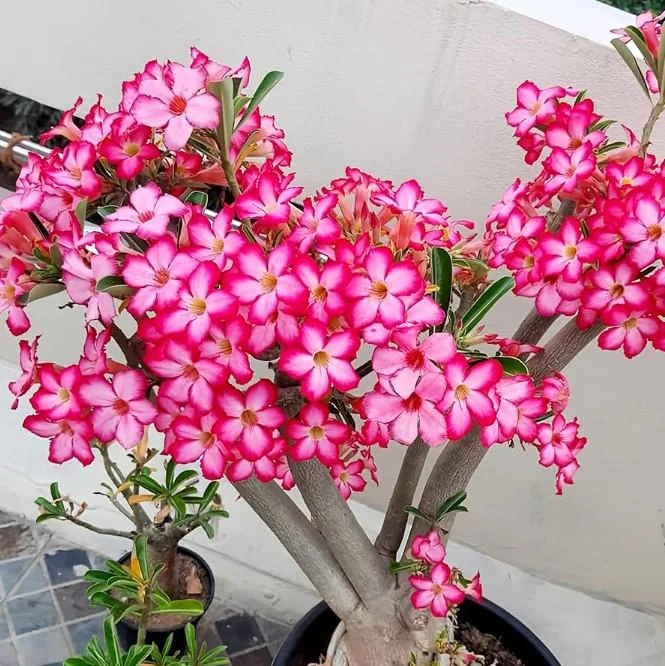
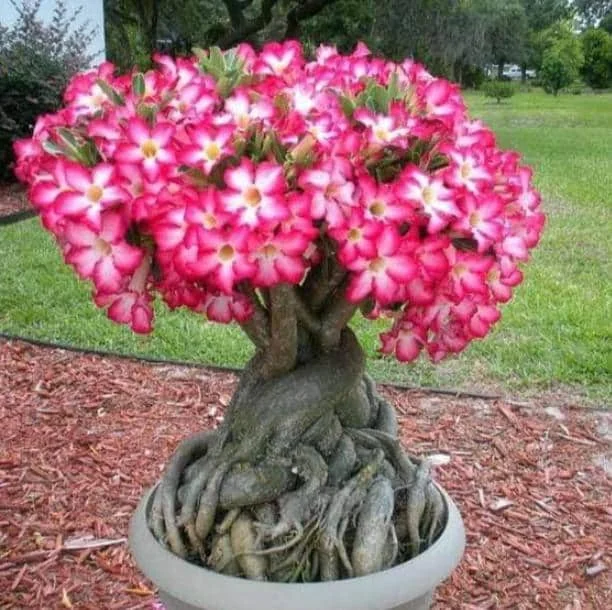
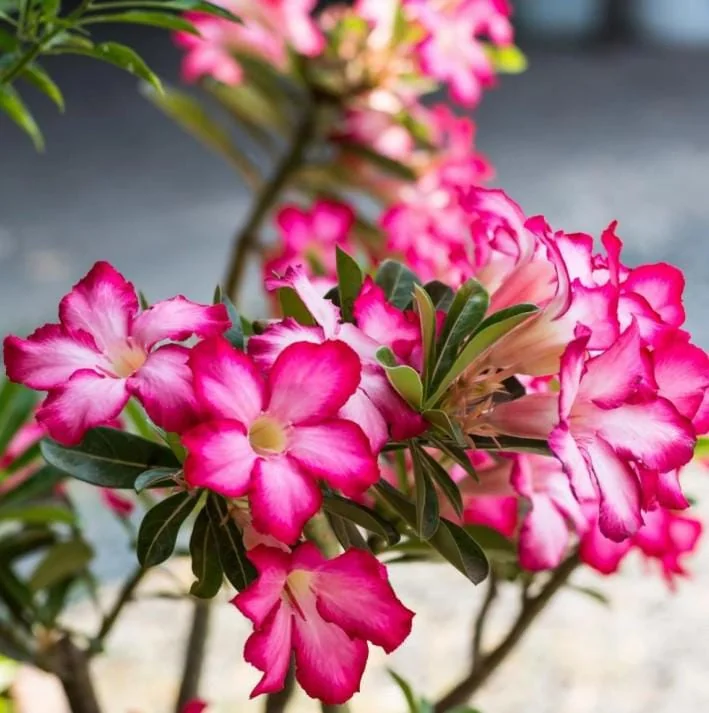
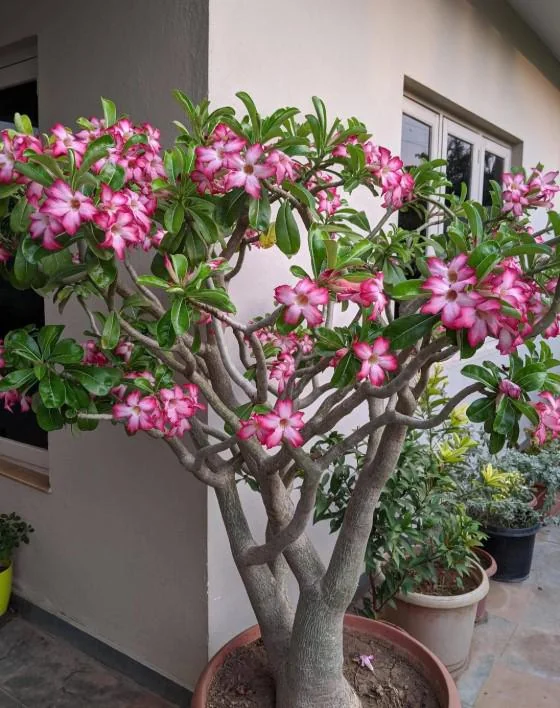
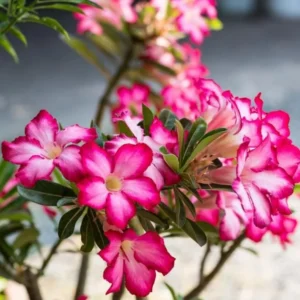
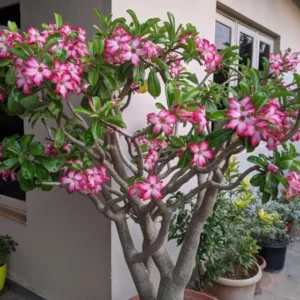
Introduce an exotic touch to your plant collection with this stunning pink desert rose live plant. Known botanically as Adenium obesum, this striking succulent is celebrated for its unique, swollen stem (caudex) and an abundance of vibrant, trumpet-shaped pink flowers. Originating from the arid regions of Eastern Africa and the Arabian Peninsula, the Desert Rose is perfectly adapted to thrive in warm climates, making it an excellent choice for sunny windowsills, patios, or rock gardens. Whether you’re an experienced gardener or just starting, this plant offers a rewarding and visually captivating experience. Its distinctive form and brilliant blooms make it a popular specimen for both ornamental display and the intricate art of desert rose bonsai, allowing you to cultivate a miniature tree-like structure that embodies resilience and beauty. This particular offering provides a starter plant, ready to establish and flourish in its new environment, promising years of enjoyment and breathtaking floral displays.
The pink desert rose live plant is more than just a beautiful bloom; it’s a statement piece that brings a touch of the desert’s magic into your living space or garden. Its low-maintenance nature, coupled with its dramatic appearance, makes it a highly sought-after succulent for various landscaping and indoor decor styles. Prepare to be enchanted by its vibrant pink blooms and unique growth habit.
Key Benefits
The pink desert rose live plant offers a multitude of benefits that make it a cherished addition to any plant enthusiast’s collection. Its unique characteristics contribute to both aesthetic appeal and ease of care, ensuring a delightful gardening experience.
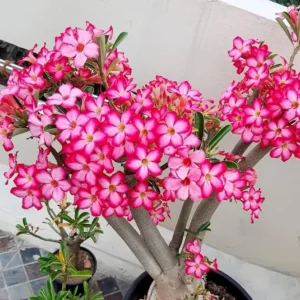
- Stunning Visual Appeal: The vibrant, trumpet-shaped pink flowers create a dramatic and eye-catching display, adding a splash of color to any setting. Its thick, sculptural caudex also provides architectural interest, making it a living piece of art.
- Drought Tolerance: As a succulent, the adenium obesum plant is incredibly water-wise, requiring infrequent watering once established. This makes it an ideal choice for busy individuals or those in regions with water restrictions.
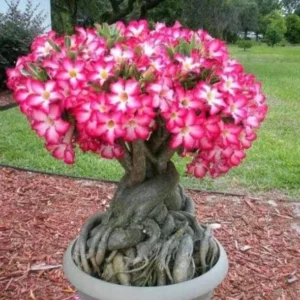
- Versatile Decor: Perfect for a variety of applications, including potted displays, rock gardens, or as an exquisite desert rose bonsai specimen. It also thrives in arid or tropical-themed landscaping, adapting beautifully to different environments.
- Low Maintenance: Despite its exotic appearance, the Pink Desert Rose is relatively easy to care for, requiring minimal attention once its basic needs for sunlight and well-drained soil are met.
- Long Blooming Period: Under ideal conditions, this plant can offer continuous blooms for several months, providing extended periods of horticultural enjoyment and vibrant color.
- Unique Growth Habit: The development of its thick, succulent stem (caudex) is a fascinating process, allowing gardeners to shape and prune it for artistic effect, particularly in bonsai cultivation.
- Adaptable to Containers: Its ability to flourish in pots makes it suitable for small spaces, balconies, or as an indoor plant in colder climates, allowing you to enjoy its beauty anywhere.
Plant Care & Growing Tips
Caring for your pink desert rose live plant is a rewarding experience, especially when you understand its specific needs. These plants thrive in conditions that mimic their native arid environments, so providing ample sunlight and excellent drainage is paramount. For best results, ensure your plant receives full sun, meaning at least 6 hours of direct sunlight daily. If growing indoors, a bright south-facing window is ideal. Protection from frost is crucial, as the adenium obesum plant is hardy only in USDA zones 10–11 and will suffer damage or even die in freezing temperatures. During colder months, bring indoor plants away from cold drafts and reduce watering significantly.
The right soil mix is vital for preventing root rot, a common issue for succulents. Use a well-drained, sandy, or cactus mix with a slightly acidic to neutral pH. Good drainage is non-negotiable; always use a pot with drainage holes. Planting is best done in spring or early summer when temperatures are consistently above 65°F (18°C). When it comes to watering, the key is to water deeply but infrequently. Allow the soil to dry out completely between waterings, and reduce frequency even more during its dormant winter period. Fertilize sparingly during the growing season with a balanced, diluted liquid fertilizer. Pruning can be done to maintain shape, encourage bushier growth, or to develop a specific bonsai form, which is a popular use for this vibrant pink blooms plant. Watch out for common pests like spider mites and mealybugs, and treat promptly if observed.
Size & Details
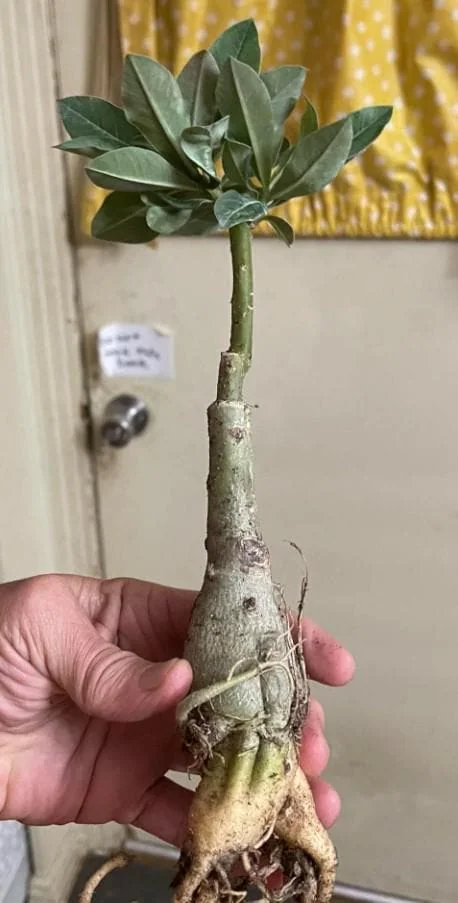
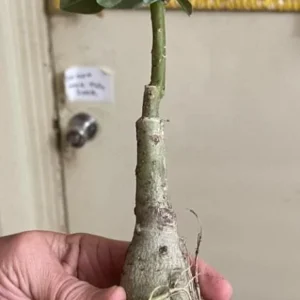
This offering includes a set of two pink desert rose live plant starters, each measuring approximately 3-6 inches tall. These young plants are ideal for establishing in your preferred containers or garden spaces. They are shipped without a pot, allowing for careful handling and planting upon arrival, which helps minimize plastic waste and ensures a healthier transition. The growth rate of the adenium obesum plant can vary based on growing conditions, but with proper care, you can expect steady development of its unique caudex and foliage, leading to its characteristic showy flowers. While specific cultivar names may vary, these plants are known for producing striking pink blooms, making them a beautiful addition to any collection. They are perfect for cultivating into a beautiful desert rose bonsai or for adding a touch of the tropics to your landscape.
Frequently Asked Questions
- Q: How big does this plant get? A: A pink desert rose live plant can grow quite large in its natural habitat, but when grown in containers, its size is more manageable. Typically, it can reach 1-3 feet in height and width, especially when pruned, making it suitable for both indoor and outdoor settings.
- Q: Is this an indoor or outdoor plant? A: While it thrives outdoors in warm climates (USDA zones 10–11), the adenium obesum plant is often grown indoors as a potted houseplant in cooler regions. It can be moved outdoors during warm summer months and brought inside before the first frost.
- Q: How much sunlight does it need? A: The Desert Rose requires abundant sunlight. It needs at least 6 hours of direct sun daily to bloom profusely. If kept indoors, place it in the brightest window available, ideally a south-facing one.
- Q: Is this plant easy to care for? A: Yes, the pink desert rose live plant is considered relatively easy to care for, especially due to its drought-tolerant nature. The main requirements are plenty of sun and well-draining soil to prevent root rot.
- Q: What condition will it arrive in? A: Your pink desert rose live plant will arrive as a starter plant, approximately 3-6 inches tall, without a pot. It will be carefully packaged to ensure it reaches you safely, ready for planting.
- Q: How long until it blooms? A: With proper care and sufficient sunlight, a young adenium obesum plant can begin blooming within a year or two. Established plants will bloom more frequently and prolifically, often producing their vibrant pink blooms for several months during the warmer seasons.
- Q: What’s the minimum temperature it can tolerate? A: The Pink Desert Rose is sensitive to cold. It should be protected from temperatures below 40°F (4°C) and absolutely requires protection from frost, which can cause significant damage or death.
- Q: Is it shipped in soil? A: These starter plants are shipped without a pot and typically without soil around the roots to minimize weight and ensure they are ready for transplanting into your preferred growing medium.
- Q: Can I grow this as a bonsai? A: Absolutely! The pink desert rose live plant is an excellent choice for creating a desert rose bonsai due to its thick caudex and ability to be pruned and shaped. Its unique form lends itself well to this art.
- Q: How often should I water my Desert Rose? A: Water deeply but allow the soil to dry out completely between waterings. During the dormant winter period, reduce watering significantly, only providing a small amount every few weeks to prevent the caudex from shriveling.


Reviews
There are no reviews yet.