Overview
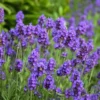
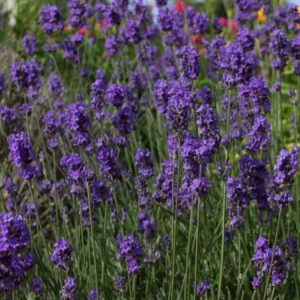
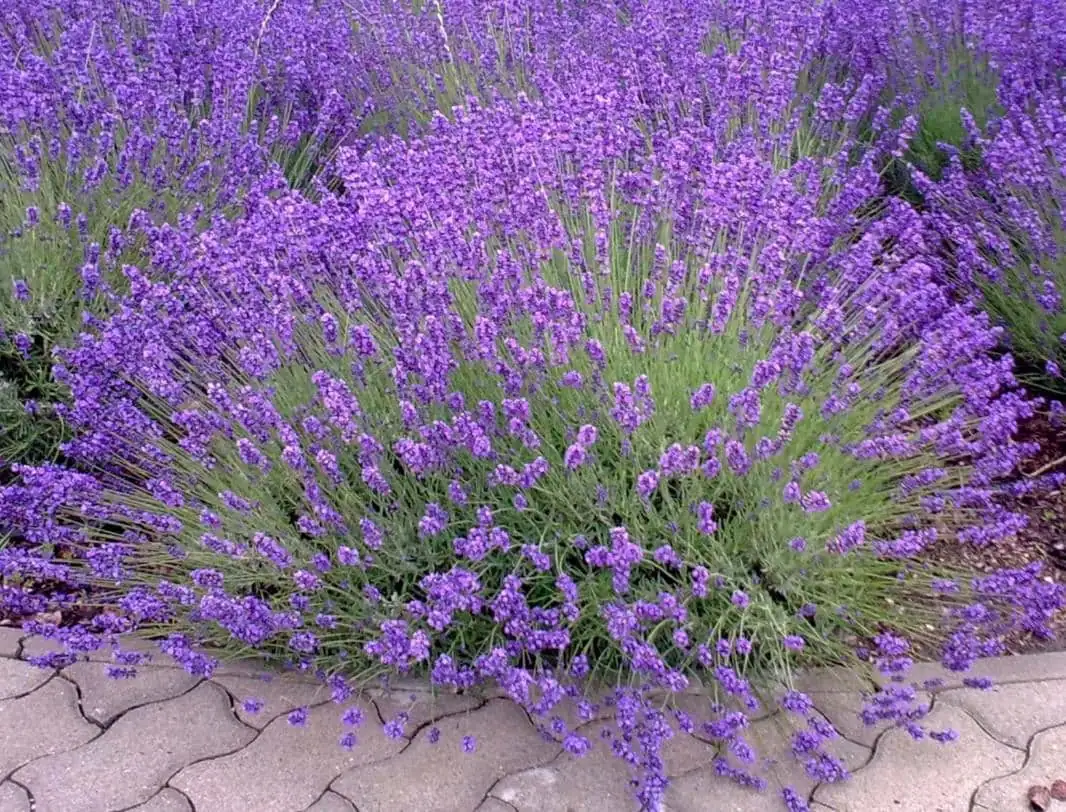
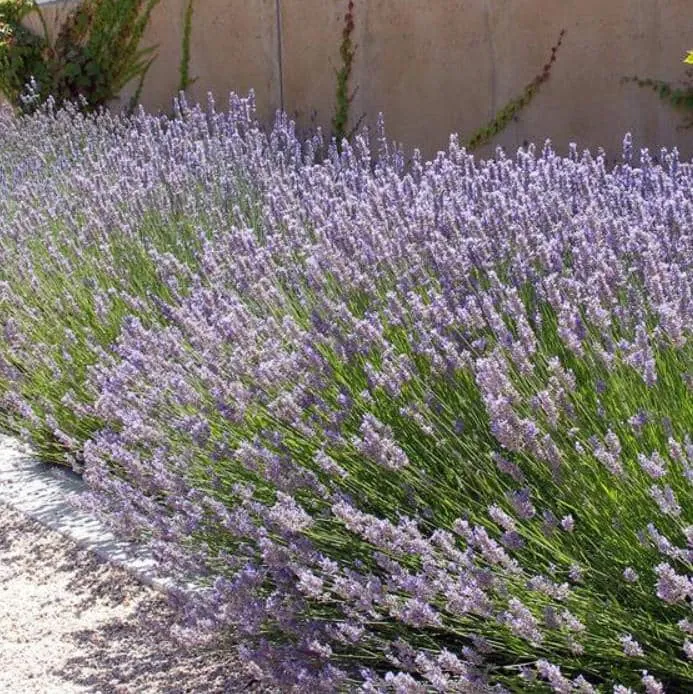
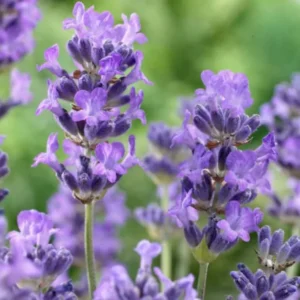
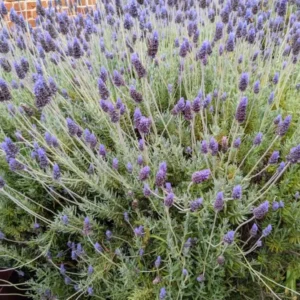
Introduce the timeless elegance and captivating fragrance of a provence lavender live plant to your home or garden. This vibrant herb, scientifically known as Lavandula angustifolia ‘Provence’, is renowned for its tall, graceful spikes of pale purple flowers and a powerful, soothing aroma. Originating from the Mediterranean region, ‘Provence’ lavender is a robust and versatile cultivar, cherished by gardeners for its ornamental beauty, medicinal properties, and culinary uses. Unlike many other varieties, ‘Provence’ is particularly known for its strong scent, making it a favorite for essential oil production, dried flower arrangements, and creating fragrant gardens. Whether you’re an experienced horticulturist or a budding enthusiast, this live plant plug provides an excellent starting point for cultivating this beloved aromatic herb.
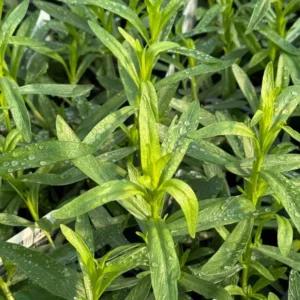
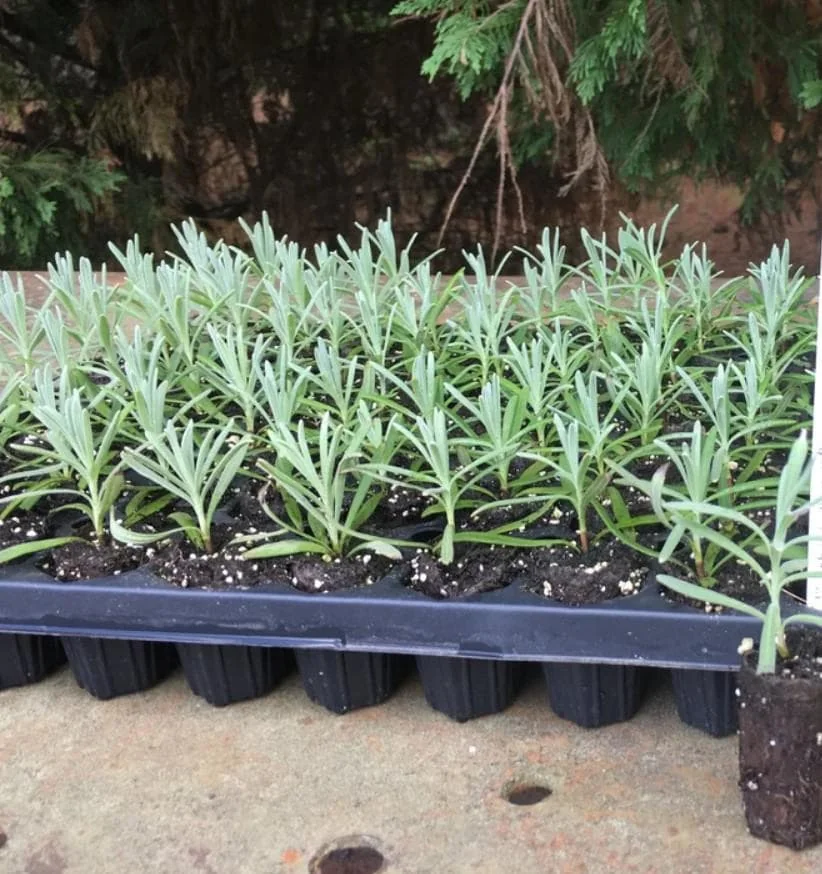
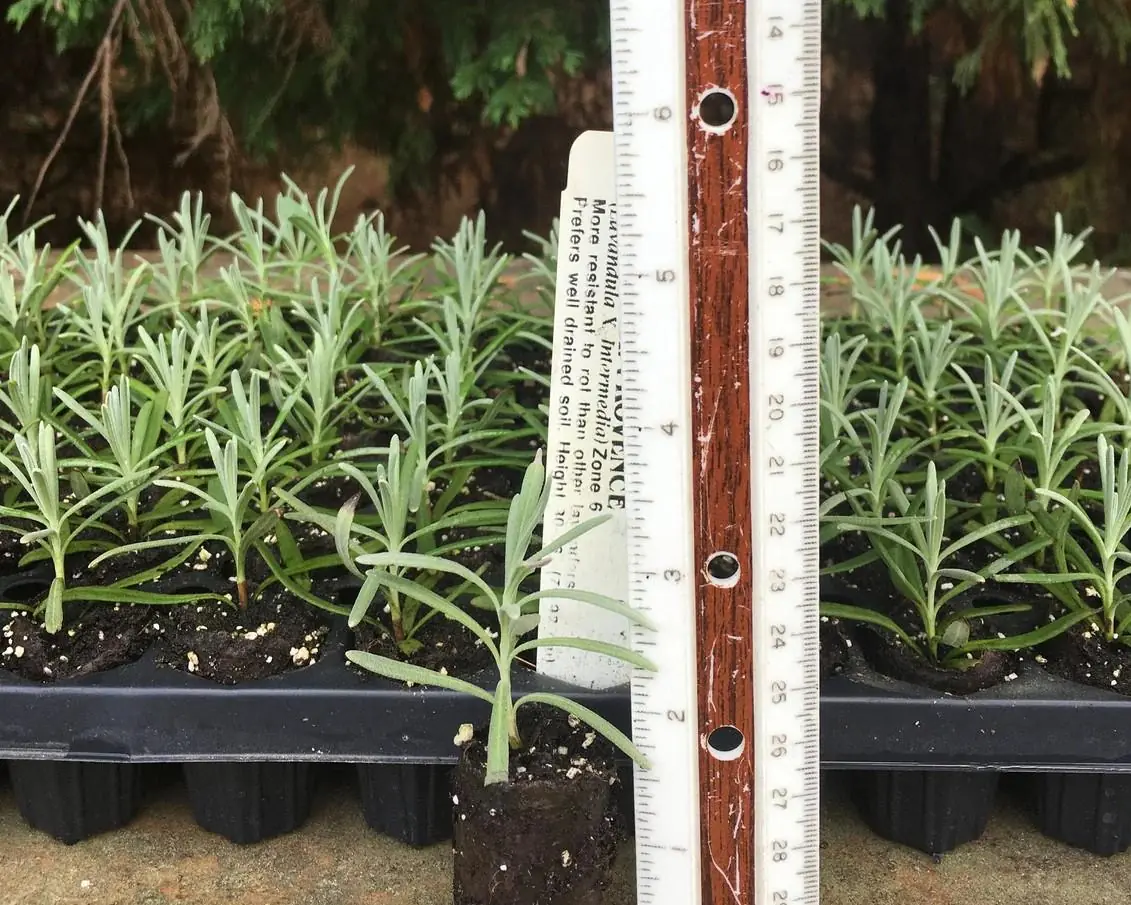
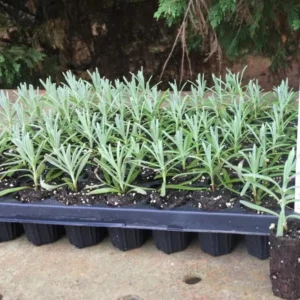
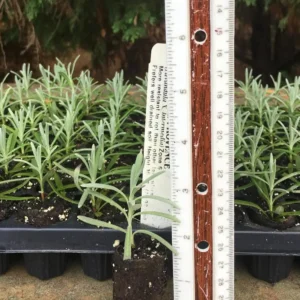
Our provence lavender live plant arrives as a healthy plug, typically 3-6 inches tall, ready to be transplanted and establish itself in your garden. This particular cultivar is celebrated for its resilience in warm, sunny climates and its ability to attract beneficial pollinators like bees and butterflies, contributing to a healthy ecosystem. Its classic appeal and ease of care make it a must-have for anyone looking to add a touch of tranquility and natural beauty to their outdoor space. Experience the joy of growing your own lavender and enjoy its myriad benefits from bloom to harvest.
Key Benefits
Cultivating a provence lavender live plant offers a multitude of advantages, enhancing both your garden’s aesthetic and its functionality. Its robust nature and delightful characteristics make it a valuable addition to any landscape.
- Aromatic Appeal: The strong, soothing fragrance of ‘Provence’ lavender is legendary. Its scent is not only pleasant for humans but also acts as a natural insect repellent. Grow it near patios or windows to enjoy its calming aroma throughout the day.
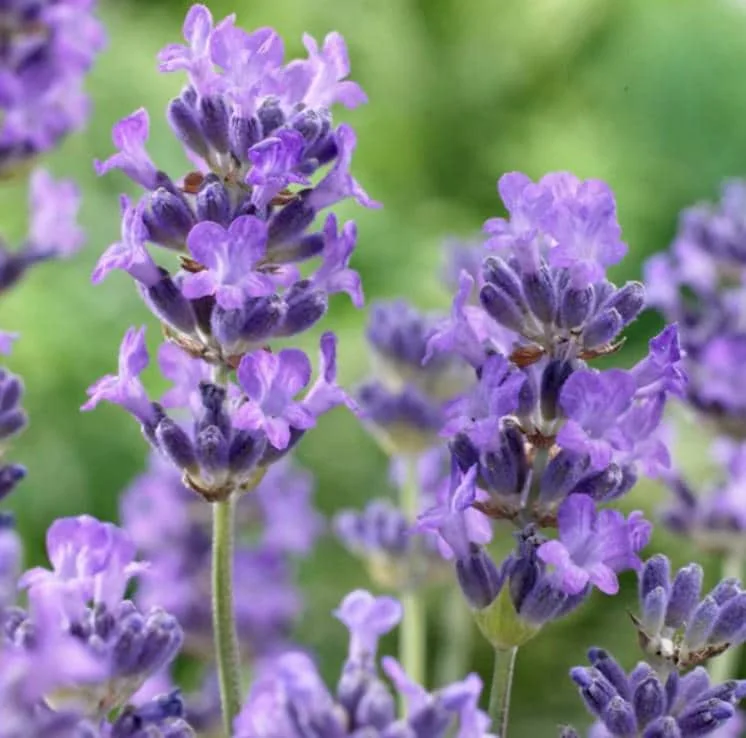
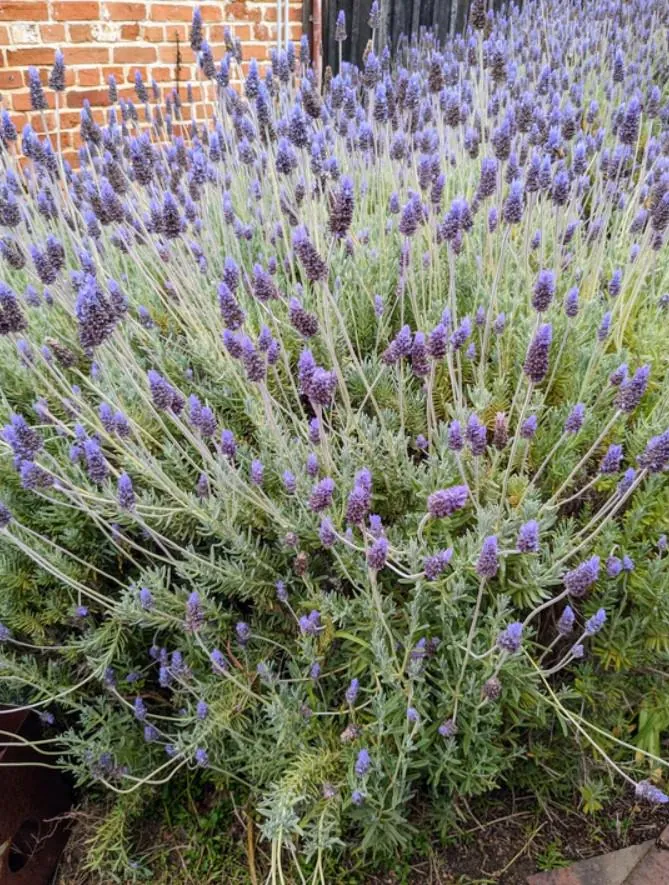
- Beautiful Blooms: This lavender variety produces stunning tall spikes of pale purple flowers that add a touch of classic elegance to any garden design. These vibrant blooms create a picturesque display from late spring through summer.
- Pollinator Magnet: The nectar-rich flowers are a favorite of bees, butterflies, and other beneficial pollinators, supporting local ecosystems and improving the health of your garden. A fragrant lavender herb garden can become a buzzing hub of activity.
- Versatile Uses: ‘Provence’ lavender is highly prized for its versatility. Its flowers and leaves can be used in essential oils, dried arrangements, potpourri, culinary creations, and even homemade remedies.
- Drought Tolerant: Once established, this particular lavandula angustifolia provence is remarkably drought-tolerant, making it an excellent choice for xeriscaping or gardens in drier climates, requiring minimal watering.
- Low Maintenance: Known for its hardiness and resistance to most pests and diseases, this lavender requires relatively little care once established, making it suitable for both novice and experienced gardeners.
- Erosion Control: Due to its extensive root system, lavender can be effectively used on slopes and in areas prone to erosion, helping to stabilize the soil while adding beauty.
Plant Care & Growing Tips
Caring for your provence lavender live plant is straightforward, especially when you understand its preferred growing conditions. This resilient herb thrives with proper sunlight, well-drained soil, and mindful watering practices. To ensure your lavender flourishes, plant it in a location that receives at least 6-8 hours of full sunlight daily. Adequate sun exposure is crucial for abundant flowering and strong fragrance. In very hot climates, some afternoon shade can be beneficial, but generally, more sun equals a happier plant.
Soil composition is paramount for a thriving lavender plant care routine. Lavender prefers well-drained, sandy or gravelly soil with a slightly alkaline pH of 6.5–7.5. Heavy clay soils, which retain too much moisture, should be avoided as they can lead to root rot. If your soil is heavy, amend it generously with sand, gravel, or perlite to improve drainage. When it comes to watering, less is often more. Water deeply but infrequently, allowing the soil to dry out completely between waterings. Overwatering is the most common cause of lavender failure. For fertilization, lavender generally doesn’t require much, especially if planted in good soil. If needed, a light application of a balanced, slow-release fertilizer in spring can encourage growth, but avoid high-nitrogen formulas which can promote foliage over flowers. This approach is key to successfully growing lavender from plug.
This variety thrives in USDA zones 5–9, but may require protection in colder areas. Plant your lavender in spring after the last frost, once the soil has warmed to at least 60°F (16°C). Space plants 18–24 inches apart to ensure good air circulation, which helps prevent fungal diseases. Pruning is essential for maintaining a compact shape and encouraging new blooms. Lightly prune after the first flush of flowers to promote a second bloom, and perform a more significant trim in early spring, removing about one-third of the plant’s growth, but avoiding cutting into old wood. Watch out for common issues like root rot (due to overwatering) or fungal spots (due to poor air circulation or excessive humidity). Addressing these promptly will keep your fragrant lavender herb healthy and productive.
Size & Details
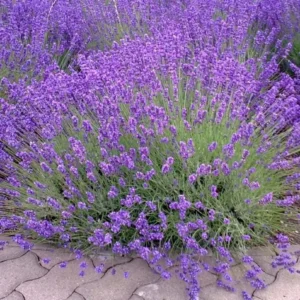
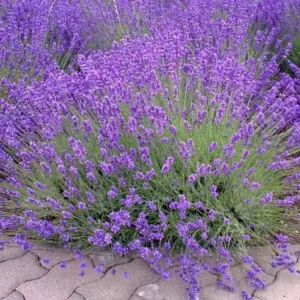
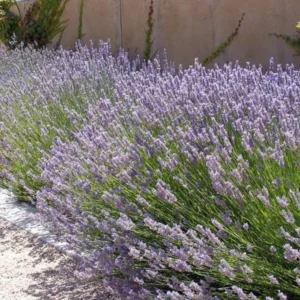
This listing is for a provence lavender live plant plug, typically measuring 3-6 inches in height upon arrival. These young starter plants are an excellent way to establish a healthy lavender patch in your garden. ‘Provence’ lavender is known for its vigorous growth, quickly developing into a substantial plant. When mature, it typically reaches a height of 24-36 inches (60-90 cm) and spreads about 18-24 inches (45-60 cm) wide, forming an attractive, mounded shrub.
The plant is shipped as a rooted plug, which means it has a well-developed root system ready for transplanting. Expect it to begin producing its characteristic pale purple flower spikes in its first or second growing season, reaching full bloom potential in subsequent years. The growth rate is moderate, allowing for steady establishment. This provides a robust foundation for your lavandula angustifolia provence to thrive and deliver its beautiful blooms and intoxicating fragrance for many seasons to come.
Frequently Asked Questions
- Q: How big does this provence lavender live plant get when mature? A: When fully grown, the ‘Provence’ lavender typically reaches a height of 24-36 inches (60-90 cm) and spreads about 18-24 inches (45-60 cm) wide, forming a lovely, aromatic bush. Its size makes it suitable for various garden applications, from borders to mass plantings.
- Q: Is this an indoor or outdoor plant? A: While lavender can be grown in pots and brought indoors during winter in colder climates, the provence lavender live plant is primarily an outdoor plant that thrives in full sun and well-drained garden soil. It requires significant light and good air circulation to flourish.
- Q: How much sunlight does ‘Provence’ lavender need? A: This variety of lavender requires at least 6-8 hours of direct sunlight per day to produce the best blooms and strongest fragrance. Full sun exposure is crucial for healthy growth and prolific flowering.
- Q: Is this plant easy to care for? Is it good for beginners? A: Yes, ‘Provence’ lavender is considered relatively easy to care for, especially once established. It’s drought-tolerant and pest-resistant, making it a good choice for beginners interested in lavender plant care, provided they can offer full sun and well-draining soil.
- Q: What condition will the plant arrive in? Is it shipped in soil? A: The plant will arrive as a healthy, rooted plug, typically 3-6 inches tall. It will be carefully packaged to ensure its safety during transit and will have its root ball intact, ready for immediate planting in your garden or a larger pot.
- Q: How long until this fragrant lavender herb blooms? A: You can expect your ‘Provence’ lavender plug to start producing flowers in its first or second growing season. It will reach its full blooming potential in subsequent years, providing abundant pale purple spikes from late spring through summer.
- Q: What’s the best time to plant this lavandula angustifolia provence? A: The ideal time to plant your ‘Provence’ lavender plug is in spring, after the last danger of frost has passed and the soil has warmed sufficiently, typically to at least 60°F (16°C). This allows the plant ample time to establish its root system before summer heat.


Reviews
There are no reviews yet.