Overview
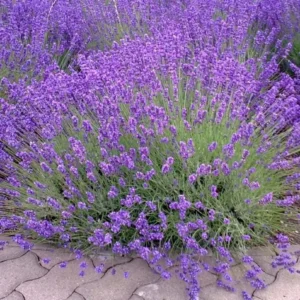
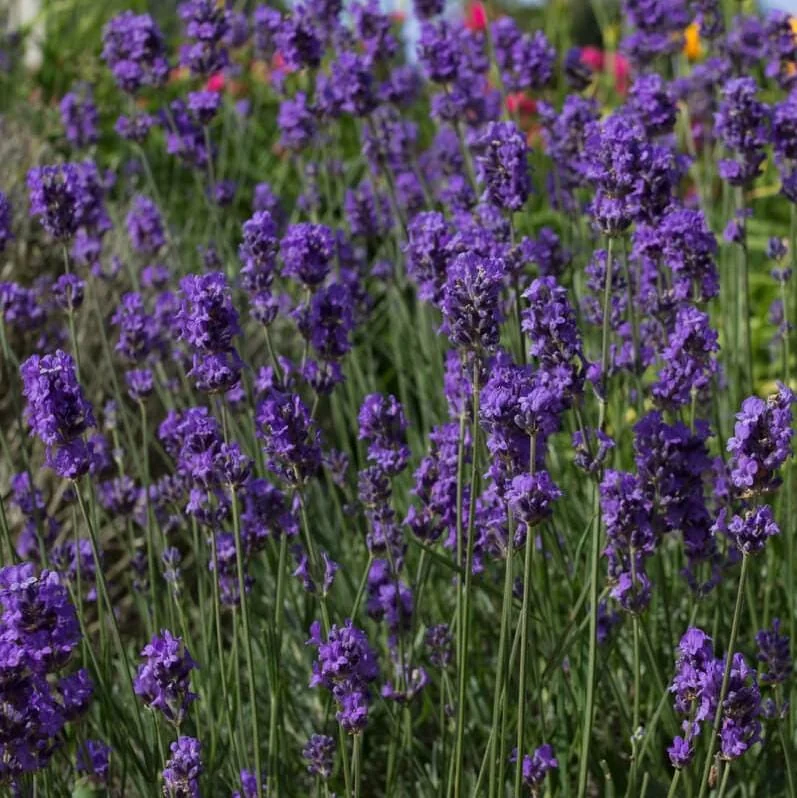
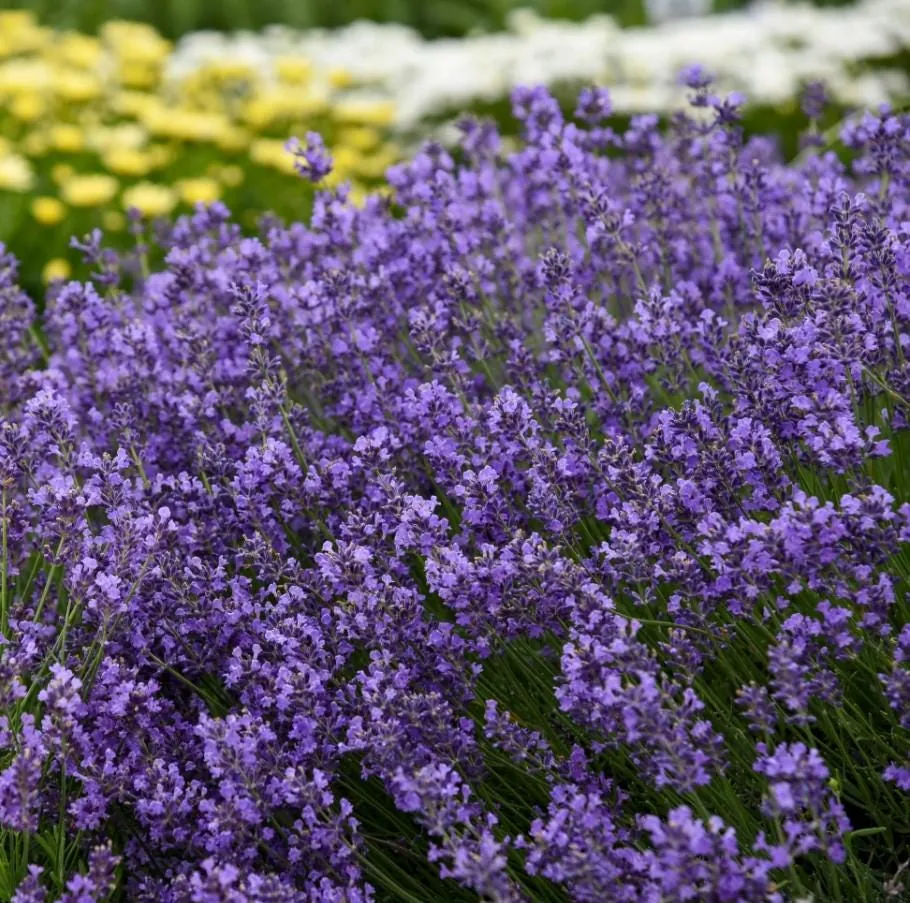
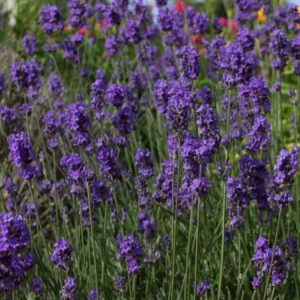
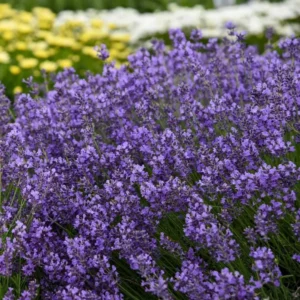
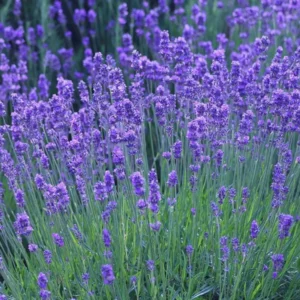
Introduce the timeless charm and soothing aroma of the munstead lavender live plant to your home and garden. This exquisite starter plug, standing 3-6 inches tall, offers an immediate connection to nature’s tranquility. Known botanically as Lavandula angustifolia Munstead, this particular cultivar is celebrated for its compact growth habit, intense fragrance, and abundant violet-purple flowers. Originating from the Mediterranean region, English lavender varieties like ‘Munstead’ are incredibly versatile, making them a favorite for both ornamental gardens and practical culinary or craft applications. Whether you’re creating a serene cottage garden, defining borders, or simply seeking a fragrant herb for your kitchen, this english lavender plant is an ideal choice, promising beauty and utility for years to come.
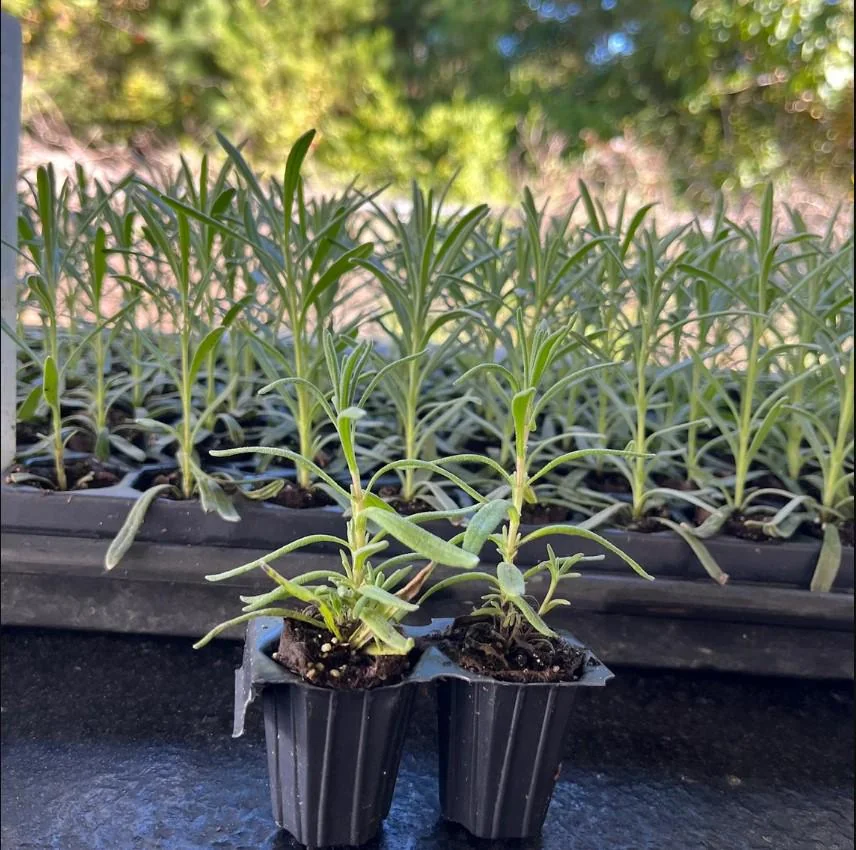
Our munstead lavender live plant plugs are carefully nurtured to ensure they arrive healthy and ready to thrive in your landscape. These young plants, though tender, establish quickly when given proper care, transforming into robust, fragrant bushes. The distinctive silvery-green foliage provides year-round appeal, even before the vibrant blooms emerge in summer. Embrace the joy of growing your own lavender, a plant that not only delights the senses but also attracts beneficial pollinators like bees and butterflies to your outdoor space.
Key Benefits
The munstead lavender live plant offers a multitude of benefits, making it an indispensable addition to any garden or patio. Its versatility extends beyond mere aesthetics, providing practical advantages for both gardeners and home enthusiasts.
- Aromatic Fragrance: Enjoy the classic, soothing scent of lavender, perfect for relaxation and creating a calming atmosphere in your garden or home. The fragrance is known to deter pests while attracting beneficial insects.
- Pollinator Magnet: This english lavender plant is a haven for bees, butterflies, and other pollinators, contributing to the health and biodiversity of your local ecosystem.
- Culinary Versatility: The fragrant flowers and leaves can be used in a variety of culinary creations, from baking and teas to savory dishes, adding a unique, delicate flavor.
- Drought Tolerance: Once established, Lavandula angustifolia Munstead is remarkably drought-tolerant, making it a low-maintenance option for water-wise gardening.
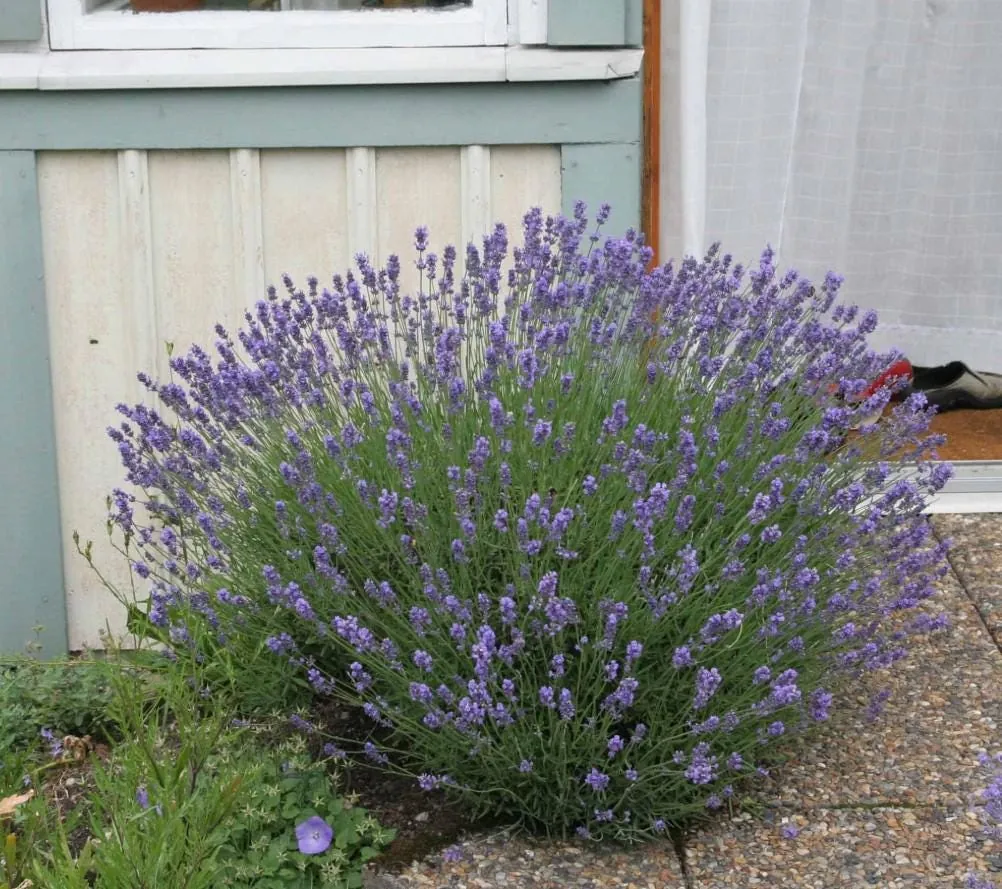
- Compact Growth Habit: Its neat, mounding form is perfect for smaller spaces, borders, containers, or mass plantings, providing a tidy and attractive appearance.
- Silver-Green Foliage: The distinctive silvery-green leaves offer year-round visual interest, providing a beautiful contrast to other garden plants.
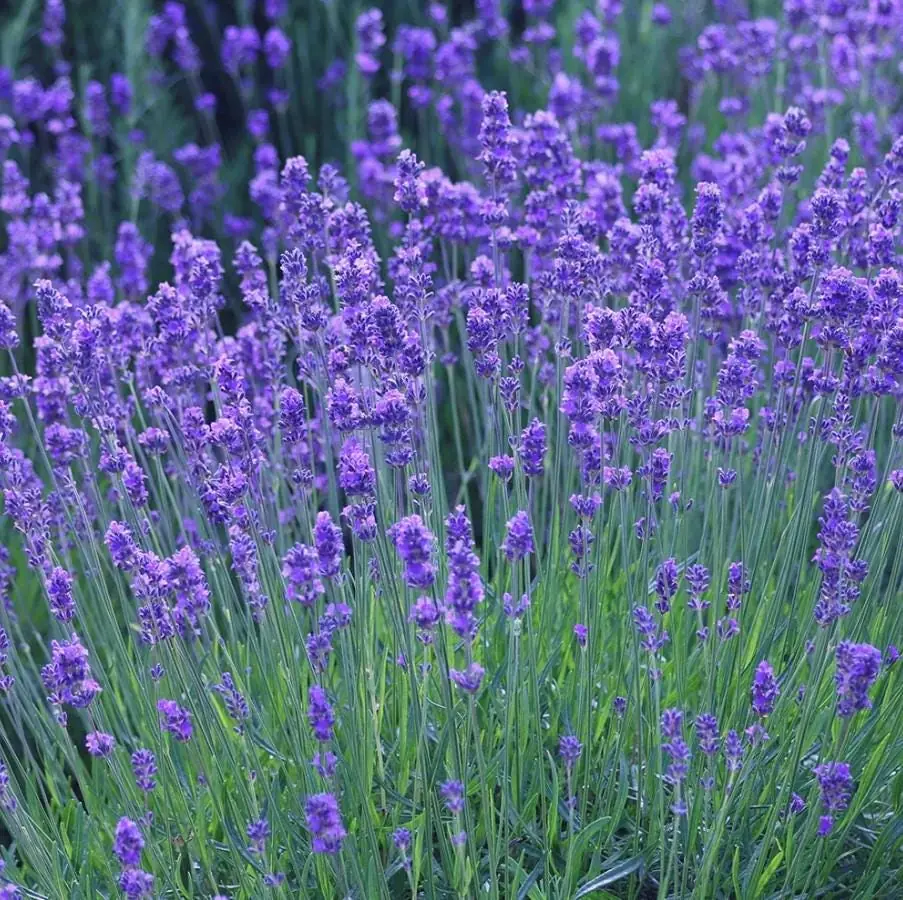
- Craft & Decorative Use: Harvest the beautiful violet-purple blooms for dried flower arrangements, sachets, potpourri, or homemade essential oils, offering endless creative possibilities.
Plant Care & Growing Tips
Caring for your munstead lavender live plant is straightforward, especially once it’s established. This hardy herb thrives with minimal fuss when its basic needs are met. For optimal growth and prolific blooming, understanding its preferred conditions is key. Adequate sunlight is paramount; lavender requires full sun, meaning at least 6-8 hours of direct sunlight daily. This intense light exposure is crucial for developing its strong fragrance and vibrant flower production. Position your plant in the sunniest part of your garden or on a south-facing balcony for best results. This also helps with air circulation, which is vital for preventing fungal issues.
When it comes to soil, the lavender plant care routine emphasizes well-drained conditions. Lavender prefers sandy or loamy soil with a neutral to slightly alkaline pH (6.5–7.5). Avoid heavy clay soils that retain too much moisture, as this can lead to root rot. If your soil is heavy, amend it with sand or grit to improve drainage. Watering should be moderate; young plants need regular watering until their root systems are established, typically for the first growing season. After establishment, reduce watering significantly, allowing the soil to dry out completely between waterings. Overwatering is the most common cause of lavender failure. This fragrant garden herb is quite drought-tolerant once mature, reflecting its Mediterranean origins.
The ‘Munstead’ cultivar is hardy in USDA Zones 5–9, making it suitable for a wide range of climates. Planting is best done in spring or fall when the soil is workable and the risk of frost has passed. Space plants 12–18 inches apart to ensure good air circulation, which helps prevent mildew. Fertilization is generally not required for lavender, as it thrives in lean soil. If your soil is very poor, a light application of compost in spring can be beneficial, but avoid high-nitrogen fertilizers which can promote foliage growth at the expense of flowers. Pruning is essential for maintaining a compact shape and encouraging new blooms; trim back about one-third of the plant after the first flush of flowers and again lightly in early spring. This attention to lavender plant care will ensure your Lavandula angustifolia Munstead flourishes.
Size & Details
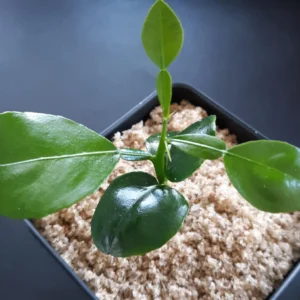
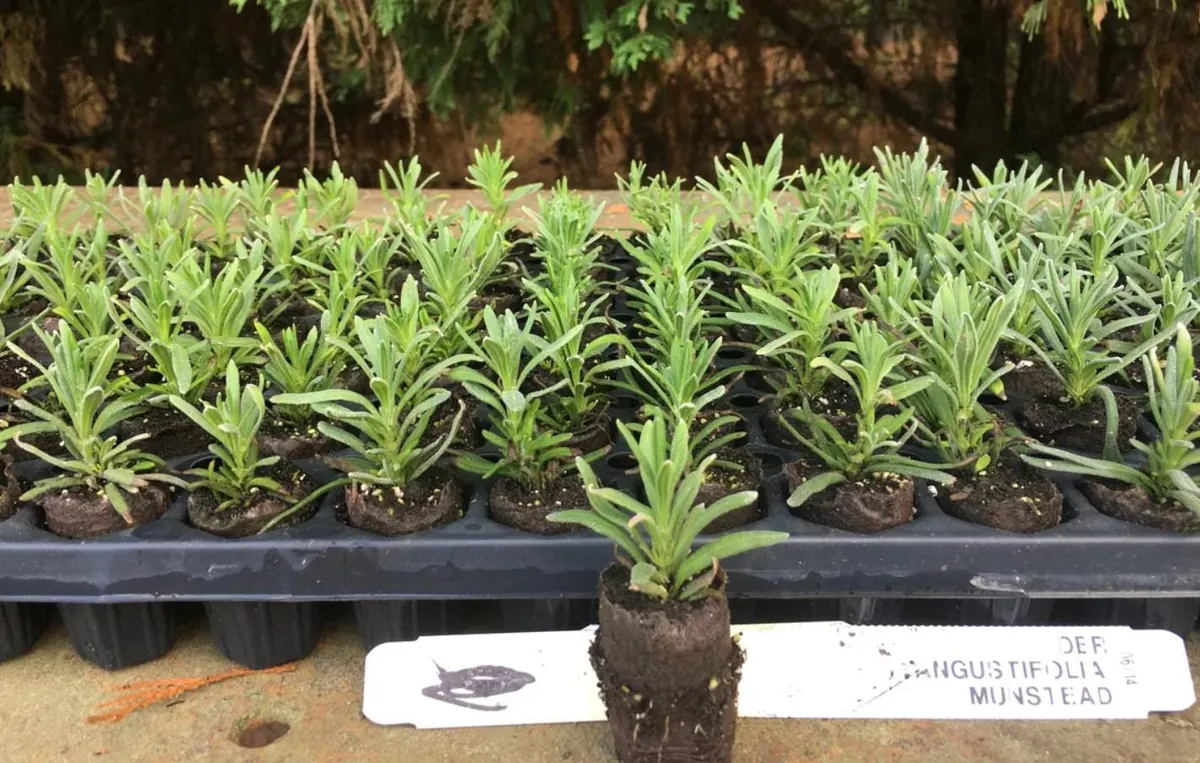
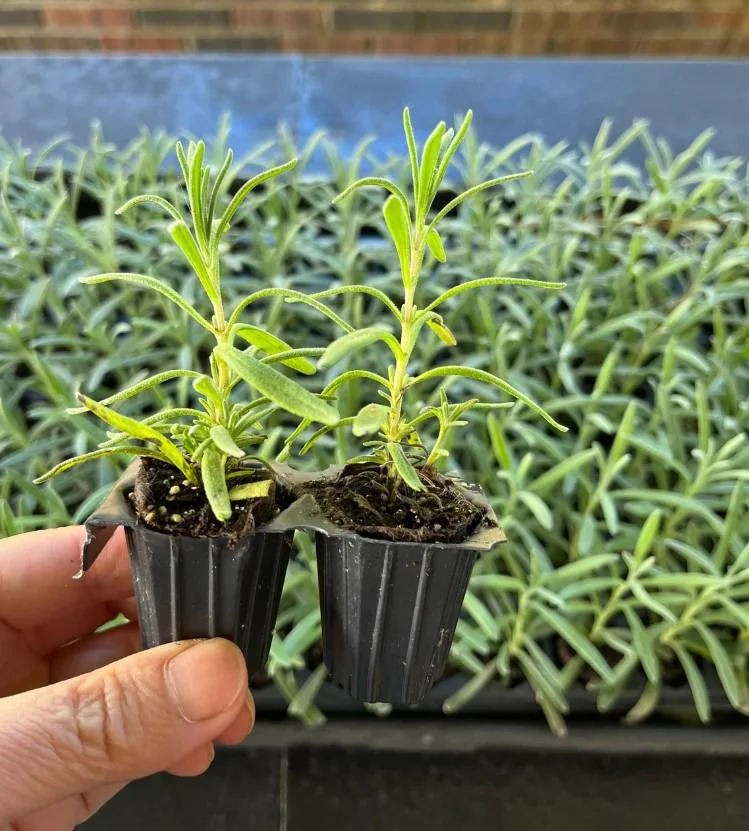
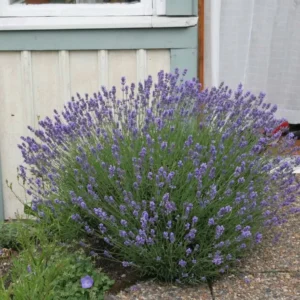
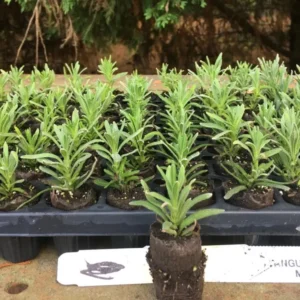
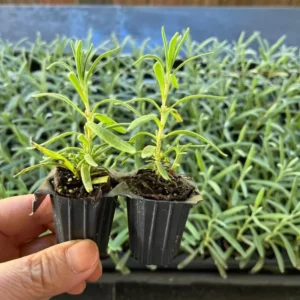
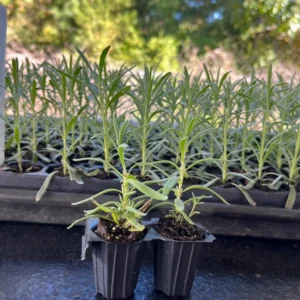
This offering is for a munstead lavender live plant plug, typically measuring between 3-6 inches in height upon arrival. These young starter plants are an excellent way to establish a new lavender patch or add to existing garden beds and containers. They are shipped as healthy, actively growing plugs, ready for transplanting. While they are small, they are robust and will quickly grow into mature plants with proper care. Expect a moderate growth rate, with plants typically reaching their full size of 12-18 inches tall and wide within 1-2 growing seasons. The compact nature of this english lavender plant makes it ideal for defined garden spaces or patios. These plants are grown from cuttings or seeds to ensure the true characteristics of the ‘Munstead’ cultivar, known for its consistent fragrance and color.
Upon receipt, gently unpack your fragrant garden herb and allow it to acclimate before planting. While the initial size is modest, the potential for a beautiful, aromatic mature plant is significant. You can expect the first significant flush of violet-purple blooms in the summer following planting, provided it receives ample sunlight and is well-established. The silvery-green foliage provides an attractive backdrop throughout the year. This lavender plant care-friendly specimen is a foundational element for any herb garden or ornamental display, ready to bring its charm to your landscape.
Frequently Asked Questions
- Q: How big does this munstead lavender live plant get? A: This ‘Munstead’ lavender typically grows to a compact size of 12-18 inches tall and wide at maturity, making it an excellent choice for borders, containers, or mass plantings.
- Q: Is this an indoor or outdoor plant? A: While it can be started indoors, Lavandula angustifolia Munstead is primarily an outdoor plant that thrives in full sun. It requires significant light and good air circulation to flourish.
- Q: How much sunlight does this english lavender plant need? A: This lavender requires full sun, meaning at least 6-8 hours of direct sunlight per day, for best flowering and fragrance production.
- Q: Is this plant easy to care for? A: Yes, once established, this fragrant garden herb is relatively low-maintenance, especially due to its drought tolerance. The most important aspects of lavender plant care are full sun and well-drained soil.
- Q: What condition will the plant arrive in? A: Your lavender will arrive as a healthy 3-6 inch live plant plug, carefully packaged to ensure its safe transit. Some minor yellowing or wilting of leaves is normal during shipping, and the plant will recover quickly.
- Q: Can I use this lavender for cooking? A: Absolutely! English lavender varieties like ‘Munstead’ are excellent for culinary uses, adding a distinctive floral note to teas, baked goods, and savory dishes.
- Q: When is the best time to plant this lavender plant care specimen? A: The best time to plant is in the spring or fall when the soil is workable and the weather is mild, minimizing transplant shock.
- Q: Will this lavandula angustifolia munstead survive winter in my zone? A: ‘Munstead’ lavender is hardy in USDA Zones 5-9. If you are within these zones, it should successfully overwinter outdoors. In colder zones, it can be grown as an annual or overwintered indoors.
- Q: What type of soil does lavender prefer? A: Lavender thrives in well-drained, sandy or loamy soil with a neutral to slightly alkaline pH. Good drainage is crucial to prevent root rot.
- Q: How often should I water my newly planted lavender? A: Water new plants regularly until they are established, typically for the first growing season. After that, reduce watering and allow the soil to dry out completely between waterings.


Reviews
There are no reviews yet.