Overview
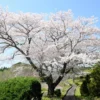
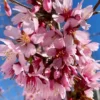
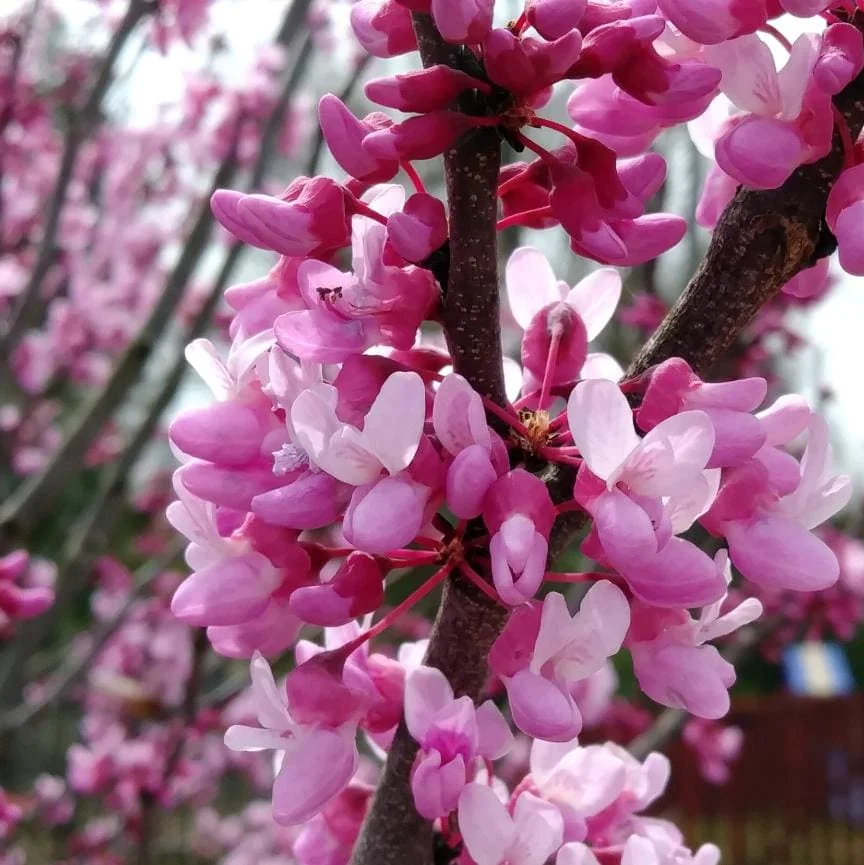
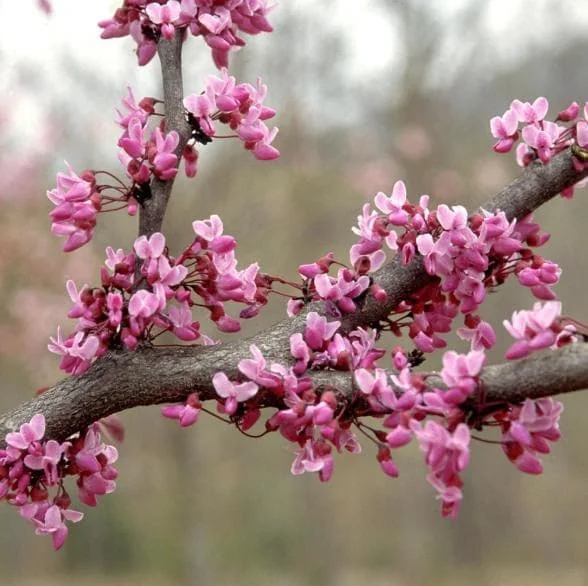
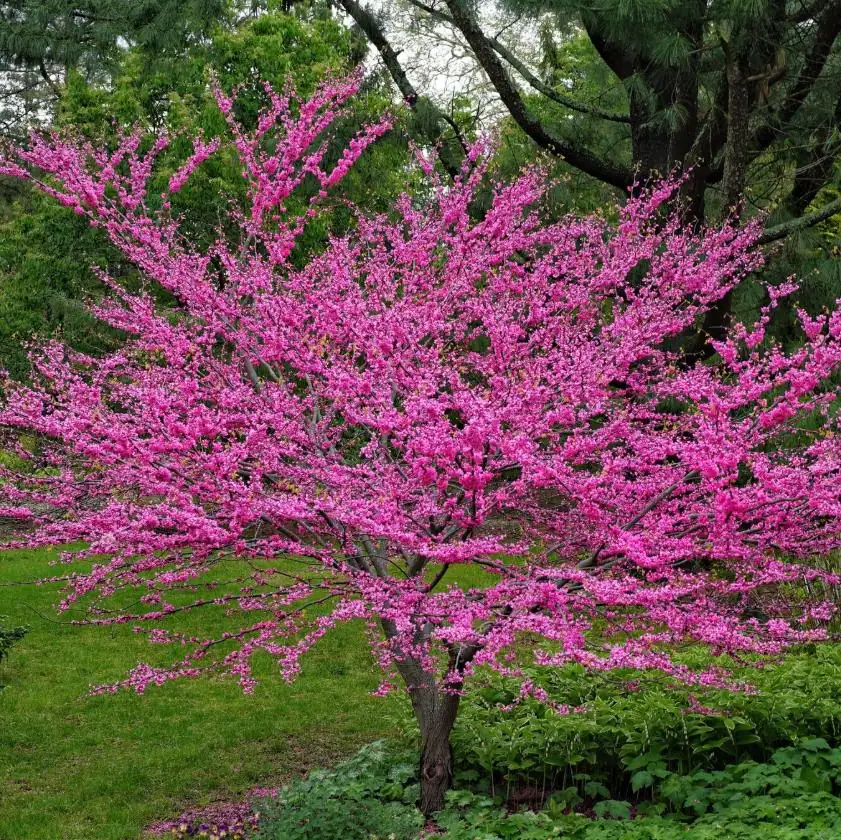
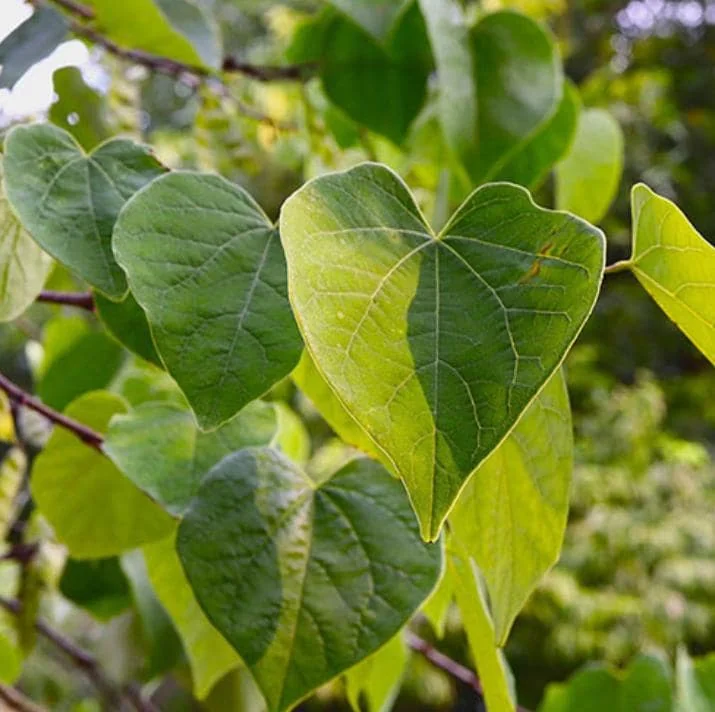
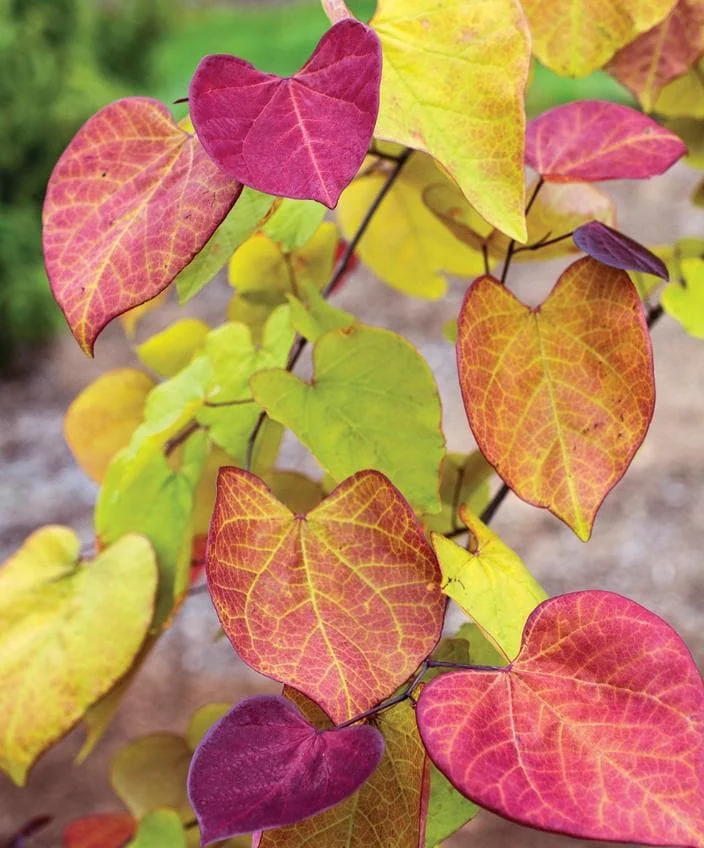
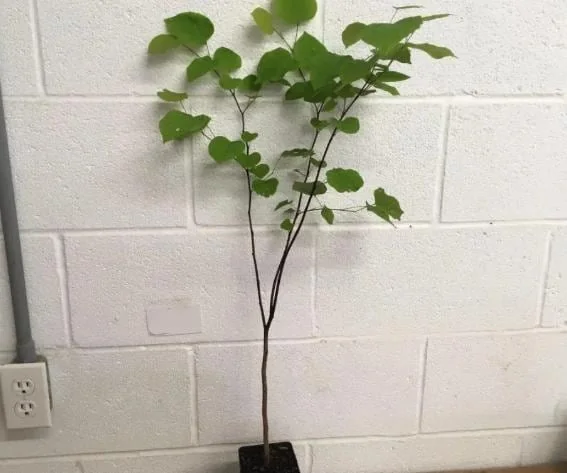
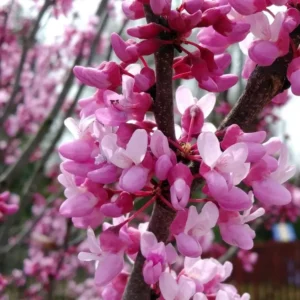
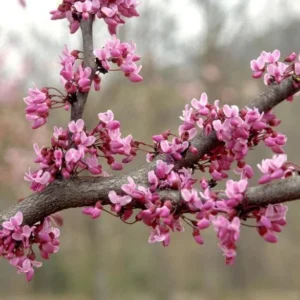
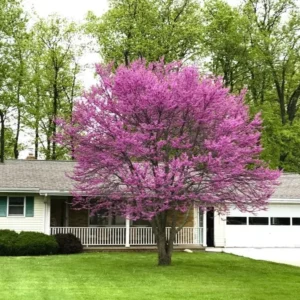
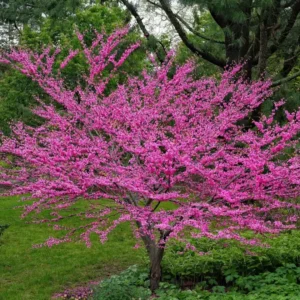
Transform your landscape with a stunning eastern redbud live plant (Cercis canadensis). This beloved native ornamental tree is celebrated for its breathtaking early-spring display of bright pink blossoms. Before the foliage even appears, the tree’s branches are adorned with clusters of vibrant, rosy-pink flowers, creating a truly spectacular visual. As the season progresses, elegant heart-shaped green leaves unfurl, eventually turning a beautiful golden-yellow in the fall, offering multi-season interest. Our cercis canadensis tree is a young, rooted plant, 6-12 inches tall, provided in a 1 quart pot, ready to establish quickly in your garden. Perfect as a specimen tree, an accent plant, or a captivating focal point in any garden design, this tree brings natural beauty and charm to your outdoor space, making it an ideal ornamental garden tree.
Key Benefits
The eastern redbud live plant offers numerous advantages, making it a highly desirable addition to various landscapes. Its unique flowering habit and adaptable nature contribute significantly to garden aesthetics and ecological health, solidifying its place as a cherished native redbud tree.
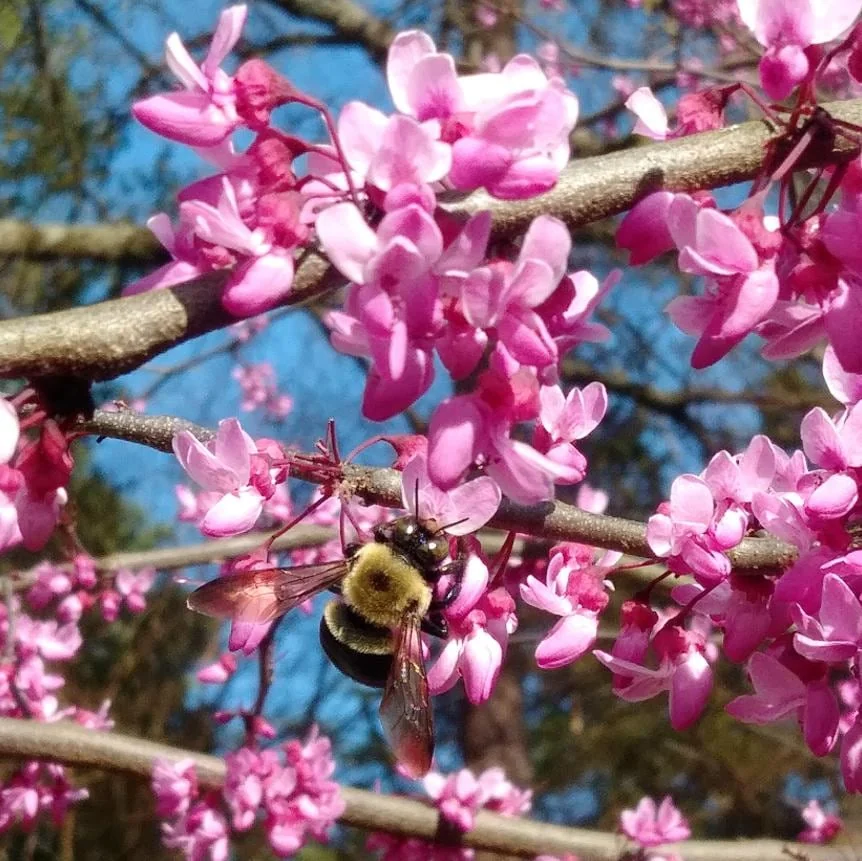
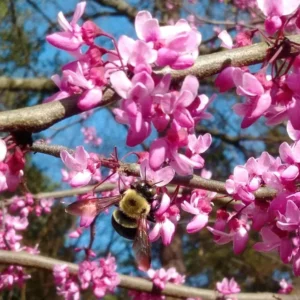
- Spectacular Spring Blooms: Enjoy a magnificent show of vibrant pink to rosy-purple flowers that emerge directly on the branches in early spring, often before other trees have leafed out. This provides a crucial early nectar source for pollinators, enhancing your garden’s biodiversity.
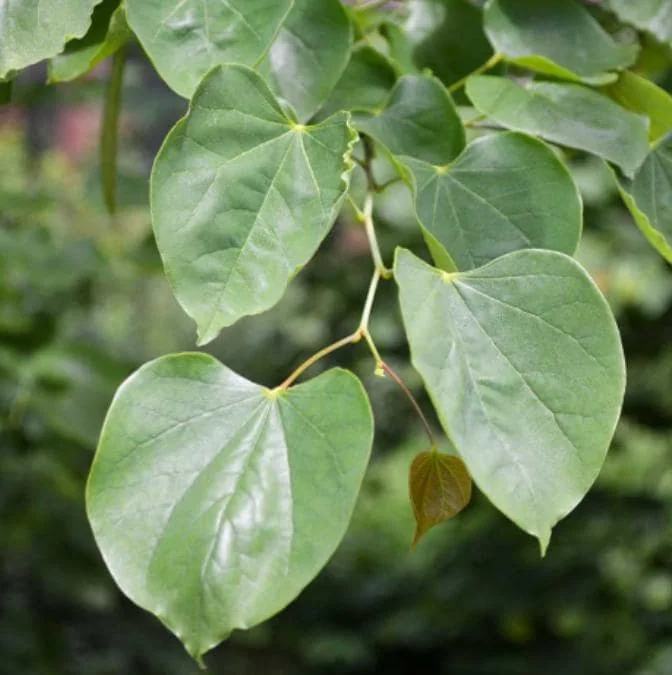
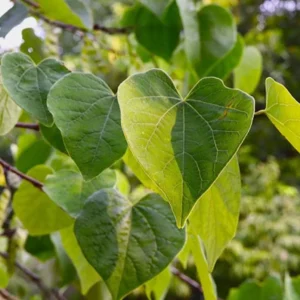
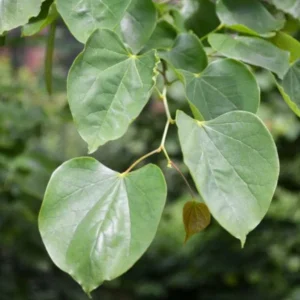
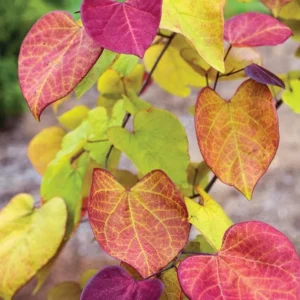
- Attractive Foliage: After the blooms fade, the tree develops distinct heart-shaped green leaves that provide lush summer interest. These leaves then transition to a lovely golden-yellow in autumn, extending the tree’s ornamental value and offering multi-season appeal.
- Native & Adaptable: As a native North American species, the native redbud tree is well-suited to local climates and soils, requiring less maintenance once established. It tolerates a range of conditions, making it a robust choice for many gardeners seeking an easy-care option.
- Pollinator Friendly: The early spring flowers of this pink flowering tree are a vital food source for bees and other early emerging pollinators, contributing to local biodiversity and supporting garden ecosystems, making your garden a haven for beneficial insects.
- Versatile Landscape Use: Its moderate size and attractive form make it suitable for various landscape roles, including a striking specimen tree, an understory tree, or an accent in mixed borders. It’s an excellent choice for creating a naturalistic feel in your garden.
- Easy to Grow: Generally considered low-maintenance, the eastern redbud live plant is relatively easy to care for, especially after its first year of establishment, making it suitable for both novice and experienced gardeners.
- Moderate Growth Rate: This tree offers a desirable growth rate, allowing it to reach a noticeable size within a few years without becoming overwhelmingly large too quickly, providing quicker gratification than slower-growing trees.
Plant Care & Growing Tips
Caring for your eastern redbud live plant is straightforward, ensuring it thrives and provides years of beauty. This adaptable tree prefers well-drained soil and can tolerate a range of light conditions, making it a versatile choice for many gardens. It’s hardy in USDA zones 4–9, indicating its resilience across diverse climates, though it generally prefers temperate regions. For optimal growth and bloom production from your cercis canadensis tree, plant it in full sun to partial shade. More sunlight generally leads to a more abundant floral display. Ensure the soil is well-drained and moderately fertile. While adaptable to clay, loam, or sandy soils, it prefers a pH range of 6.0–7.5. The best time for planting is either early spring or fall when the tree is dormant, allowing it to establish its root system before extreme temperatures. When planting, space trees 15–25 feet apart to provide adequate room for their mature canopy spread. During its first growing season, consistent watering is crucial to help the roots establish. Once established, the eastern redbud is notably drought-tolerant. Fertilization is typically not necessary in rich soils, but a balanced, slow-release fertilizer can be applied in early spring if soil nutrients are lacking. Pruning should be done in late winter or early spring to remove any dead, diseased, or crossing branches, maintaining a healthy structure. Watch out for common pests like leafhoppers or diseases such as canker, addressing them promptly to keep your ornamental garden tree robust and healthy.
Size & Details
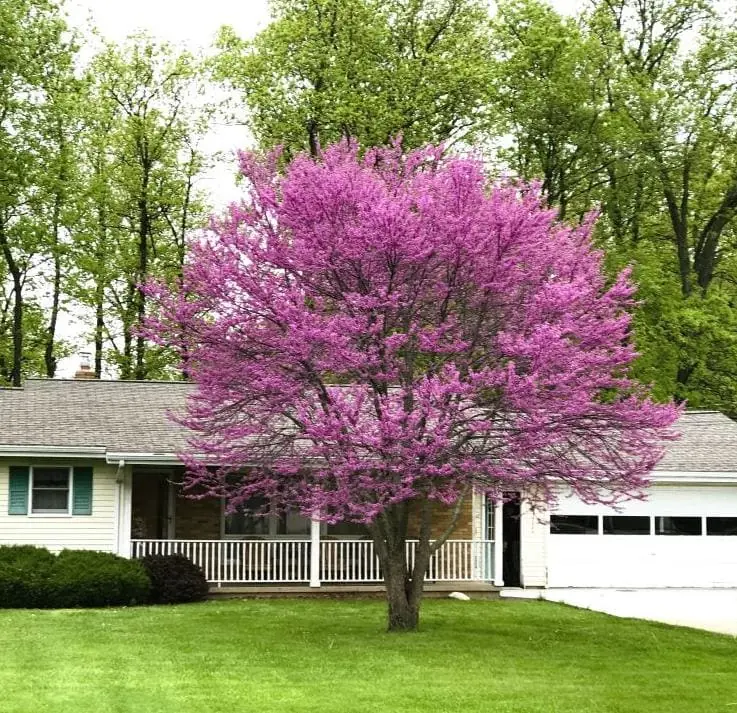
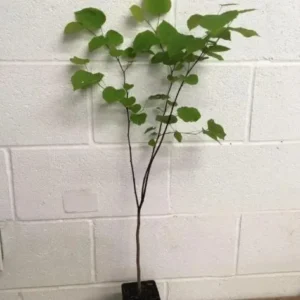
This eastern redbud live plant is a starter specimen, carefully cultivated in a 1 quart pot. At the time of shipping, the young plant stands approximately 6-12 inches tall, featuring a well-developed root system ready for transplanting. While it arrives as a modest starter, the Eastern Redbud is known for its moderate growth rate, typically reaching a mature height of 20-30 feet with a similar spread. It will develop into a beautiful, multi-trunked or single-trunked tree, depending on pruning and environmental conditions. Expect the first stunning pink blossoms to appear within a few years of planting, gradually increasing in density as the tree matures. This native redbud tree is shipped as a rooted plant in its container, ensuring minimal transplant shock and a strong start in your garden, providing a head start on establishing a vibrant landscape feature.
Frequently Asked Questions
- Q: How big does this eastern redbud live plant get at maturity? A: The eastern redbud live plant typically grows to a mature height of 20-30 feet and can have a similar spread, forming a beautiful, rounded canopy. Its size makes it suitable for various landscape applications without becoming overly dominant, offering significant visual impact without overwhelming your space.
- Q: Is this an indoor or outdoor plant? A: The Eastern Redbud (Cercis canadensis) is an outdoor ornamental tree. It requires exposure to natural seasonal changes and is not suitable for long-term indoor cultivation. It thrives in gardens, yards, and landscapes, providing seasonal beauty.
- Q: How much sunlight does the pink flowering tree need? A: For the best bloom production and overall health, your pink flowering tree prefers full sun to partial shade. It will produce more flowers with more direct sunlight, but it can tolerate some afternoon shade in hotter climates, which can help protect its foliage from scorching.
- Q: Is this eastern redbud live plant easy to care for? A: Yes, once established, the eastern redbud live plant is considered relatively low-maintenance. It’s adaptable to various soil types and becomes drought-tolerant. Consistent watering during its first year is the most critical care aspect to ensure successful establishment.
- Q: What condition will my ornamental garden tree arrive in? A: Your ornamental garden tree will arrive as a young, rooted plant, approximately 6-12 inches tall, securely planted in a 1 quart pot. It will be carefully packaged to ensure it reaches you in healthy condition, ready for planting and immediate integration into your garden.
- Q: When is the best time to plant this native redbud tree? A: The best time to plant your native redbud tree is either in early spring or in the fall. These periods allow the tree’s root system to establish without the stress of extreme summer heat or winter cold, promoting strong growth and a healthy start.
- Q: What USDA zones is the cercis canadensis tree hardy in? A: The cercis canadensis tree is hardy in USDA zones 4 through 9. This wide range indicates its ability to withstand a variety of winter temperatures, making it a resilient choice for many regions across the United States, ensuring its longevity in diverse climates.


Reviews
There are no reviews yet.