Overview
Embark on your gardening journey with these premium American elderberry cuttings. This offering provides at least 5 live, unrooted cuttings of Sambucus canadensis, a highly sought-after plant for its bountiful fruit and robust growth. Elderberry (Sambucus canadensis) is a deciduous shrub native to North America, celebrated for its large clusters of dark purple berries. These cuttings are sourced from organic plants, ensuring you start with healthy, vigorous material ready for propagation. Growing your own elderberry allows you to enjoy fresh, organic produce with numerous health benefits, right from your backyard. This versatile plant is also a fantastic addition to any landscape, providing seasonal beauty and a valuable food source for local wildlife.
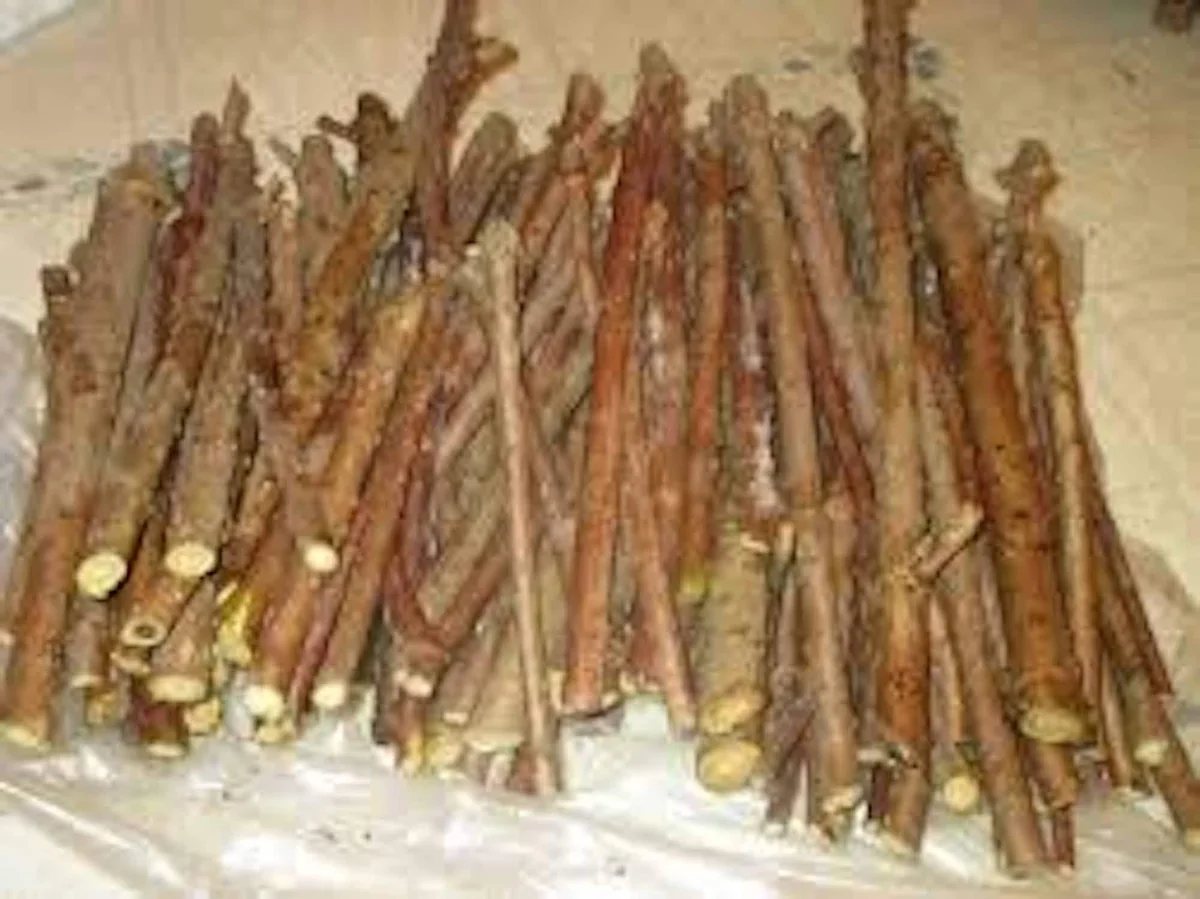
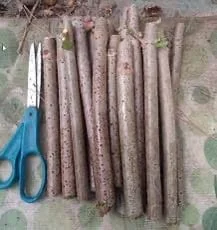
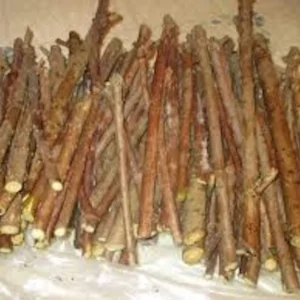
The American elderberry cuttings you receive are specifically selected for their vitality, measuring between 5-8 inches in length. This size is optimal for successful rooting and establishment. Elderberry plants are known for their rapid growth once established, quickly developing into attractive, upright shrubs that yield fruit relatively soon. Whether you’re a seasoned gardener or a beginner, propagating elderberry from cuttings is a rewarding experience, leading to a productive fruiting shrub for wildlife and human consumption.
Key Benefits
Adding Sambucus canadensis to your garden offers a multitude of advantages, from its aesthetic appeal to its practical uses and ecological contributions. These American elderberry cuttings provide an excellent opportunity to harness these benefits:
- Abundant Organic Fruit Production: Enjoy a generous harvest of dark purple elderberries, perfect for jams, jellies, pies, wines, and health-boosting syrups. Growing your own ensures a fresh, organic supply free from pesticides.
- Exceptional Health Benefits: Elderberries are renowned for their high antioxidant content, immune-boosting properties, and rich vitamin C. Incorporating them into your diet can support overall well-being.
- Fast Growth and Quick Establishment: Once rooted, these cuttings develop into mature plants relatively quickly, often yielding fruit within the first few years. This makes elderberry a satisfying choice for gardeners who want to see results sooner.
- Attracts Beneficial Wildlife: The berries provide a crucial food source for birds and other small animals, making it an excellent choice for supporting local ecosystems and encouraging biodiversity in your garden.
- Versatile Landscape Plant: With its upright growth habit and attractive foliage, elderberry serves as a beautiful addition to edible landscapes, hedgerows, or as a standalone specimen. It provides seasonal interest with its white flower clusters in spring and dark berries in late summer.
- Easy Propagation: Starting with American elderberry cuttings is a straightforward and cost-effective way to expand your edible garden. The included propagation manual will guide you to success.
- Drought Tolerance and Adaptability: Once established, elderberry plants are quite resilient and can tolerate various soil conditions and periods of drought, making them a low-maintenance option for many regions.
Plant Care & Growing Tips
Successful establishment and growth of your American elderberry cuttings depend on proper care and environmental conditions. Elderberry plants thrive in full sun to partial shade, ideally receiving at least 6 hours of direct sunlight daily for optimal fruit production. While they can tolerate some shade, less sun typically results in fewer berries. When planting your rooted cuttings, choose a location that offers good air circulation and protection from strong winds. These plants are adaptable to a range of soil types but prefer consistently moist, well-draining soil with a pH between 5.5 and 6.5. Amending heavy clay soils with organic matter like compost can significantly improve drainage and fertility.
Watering is crucial for newly rooted cuttings and young plants. Keep the soil consistently moist but never waterlogged. Once established, elderberries are relatively drought-tolerant, but regular watering during dry spells, especially when fruit is developing, will ensure a more abundant harvest. For fertilization, a balanced all-purpose fertilizer can be applied in early spring before new growth begins. Avoid over-fertilizing, as this can lead to excessive foliage at the expense of fruit production. Pruning is best done in late winter or early spring while the plant is dormant. Remove any dead, damaged, or crossing branches, and thin out older, less productive canes to encourage new growth and better air circulation. Elderberry is hardy in USDA zones 3-9, making it suitable for a wide range of climates. Remember, only consume fully ripened berries; green parts of the plant and unripe berries are not edible.
Propagating your Sambucus canadensis cuttings is an exciting process. Upon arrival, carefully follow the instructions in the bonus propagation manual to encourage rooting. This guide details various methods to achieve good results, including tips for rooting in water or a moist growing medium. Maintaining consistent warmth and humidity will aid in root development. Once roots have formed, transplant the young plants into larger containers or directly into your garden. With proper care, your grow elderberry efforts will be rewarded with a thriving, fruit-bearing shrub.
Size & Details
This product includes at least 5 American elderberry cuttings, each measuring approximately 5-8 inches in length. These are live, unrooted cuttings, perfect for propagation into full-sized plants. Elderberry plants are known for their fast growth rate, typically reaching a mature height of 6-12 feet and a spread of 6-10 feet, depending on variety and growing conditions. They develop into an upright, multi-stemmed shrub. With proper care, these cuttings can establish quickly, often producing their first fruit within 1-2 years after planting. The cuttings are shipped ready for immediate propagation, and a bonus propagation manual is included to guide you through the rooting process. You may also receive some extra smaller or thinner cuttings, or even some pre-rooted material, depending on availability. This fruiting shrub for wildlife will add significant value and beauty to your garden.
Frequently Asked Questions
- Q: How big do these American elderberry cuttings get when mature? A: Once rooted and established, American elderberry plants typically grow into a large shrub, reaching heights of 6-12 feet and a similar spread. Their size can vary based on growing conditions and pruning practices.
- Q: Is this an indoor or outdoor plant? A: Elderberry is an outdoor plant, best suited for gardens and landscapes. It thrives in various climates and is hardy in USDA zones 3-9, tolerating cold winters and warm summers.
- Q: How much sunlight does Sambucus canadensis need? A: For optimal fruit production, Sambucus canadensis prefers full sun, meaning at least 6 hours of direct sunlight per day. It can tolerate partial shade, but fruit yield may be reduced.
- Q: Is this plant easy to care for, especially for beginners? A: Yes, elderberry is considered relatively easy to care for once established, making it a good choice for beginners looking to grow elderberry. The main initial task is successful rooting of the cuttings, which the included manual will assist with.
- Q: What condition will the American elderberry cuttings arrive in? A: Your order will contain at least 5 live, unrooted cuttings, typically 5-8 inches long, ready for propagation. They will be carefully packaged to ensure their vitality during transit.
- Q: How long until these cuttings produce fruit? A: With proper care, rooted cuttings can start producing fruit within 1-2 years after planting. Full production typically begins in 3-5 years.
- Q: What are the main elderberry plant benefits? A: The main benefits include producing abundant, nutrient-rich berries known for their immune-boosting properties and high antioxidant content. It also serves as an excellent food source for wildlife.
- Q: Can I use the berries from this fruiting shrub for wildlife? A: Yes, the berries are a fantastic food source for birds and other small animals. However, remember to harvest enough for yourself too, as they are delicious and healthy for human consumption when fully ripened.
- Q: What kind of soil does elderberry prefer? A: Elderberry thrives in consistently moist, well-draining soil with a slightly acidic to neutral pH (5.5-6.5). Adding organic matter can improve soil structure and fertility.
- Q: Is a propagation manual included with the cuttings? A: Yes, a bonus propagation manual is included with your order. It provides detailed instructions on how to successfully root and establish your American elderberry cuttings.


Reviews
There are no reviews yet.