Overview
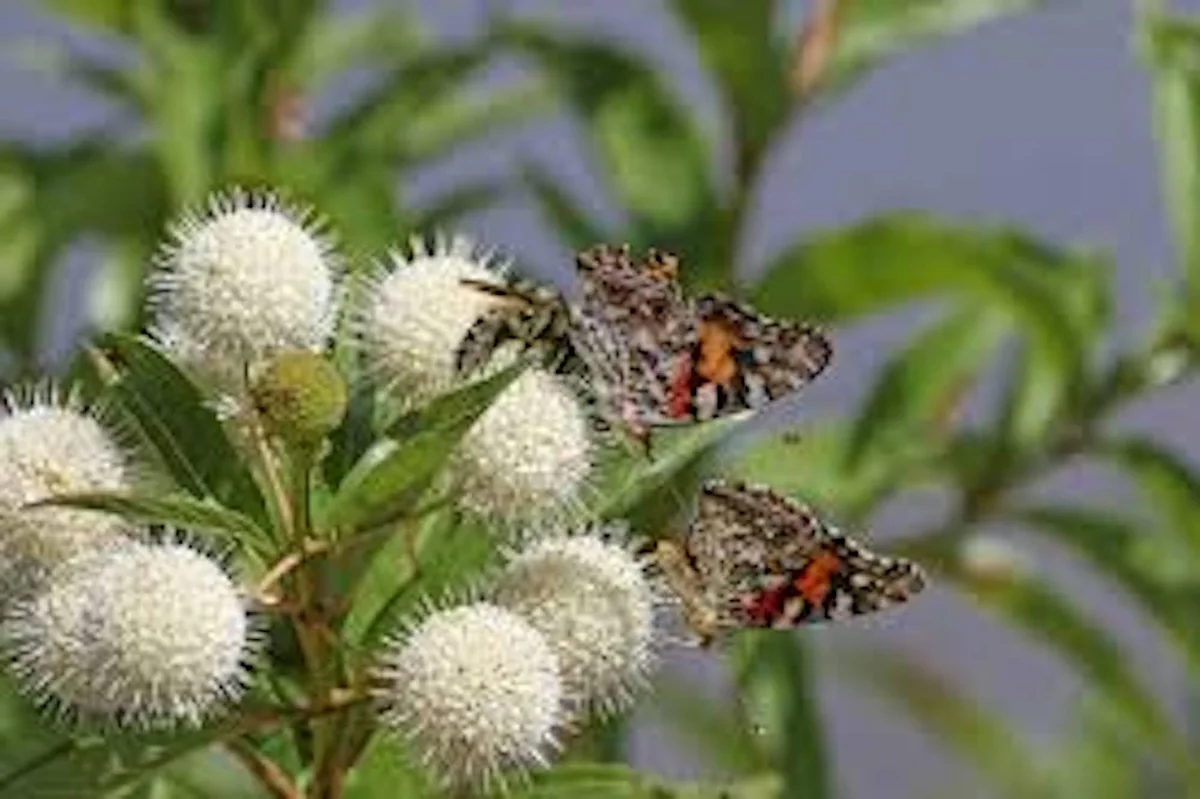
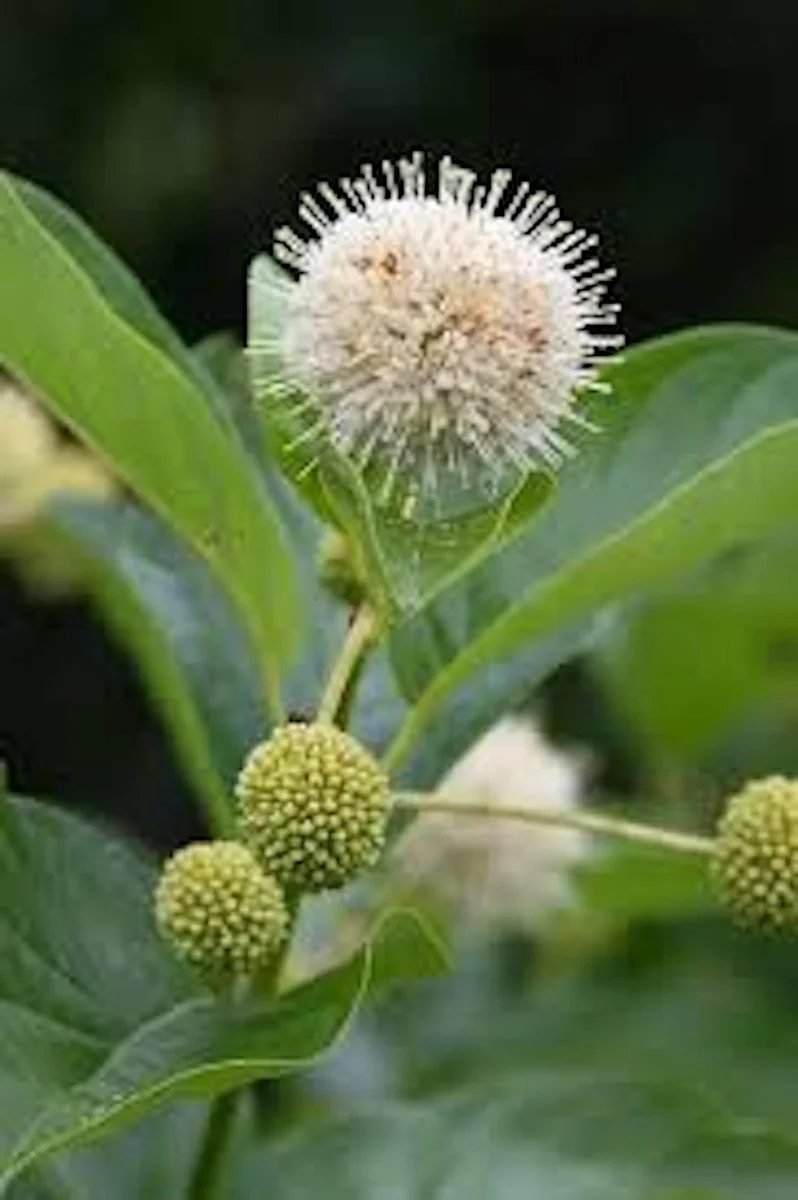
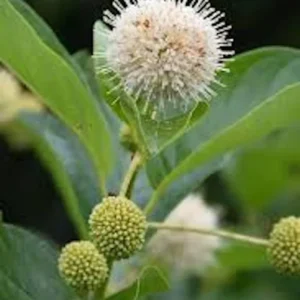
Welcome a vibrant addition to your garden with the remarkable buttonbush plant, also known by its scientific name, Cephalanthus occidentalis. This offering includes three bare root specimens, each standing 12-24in tall, ready to establish themselves in your landscape. The Buttonbush is a stunning native perennial deciduous shrub celebrated for its unique and attractive spherical flower clusters that bloom during the summer months. These ‘button-like’ flowers are not only visually appealing but also a magnet for various pollinators, including bees, butterflies, and hummingbirds. Perfect for wetland areas, riverbanks, and garden landscapes, this robust shrub provides ecological benefits while enhancing the beauty of your outdoor space. Investing in a buttonbush plant means cultivating a natural habitat that supports local wildlife and adds a distinctive charm to your property.
Originating from North America, the Cephalanthus occidentalis is well-adapted to various climates and soil conditions, particularly those that are consistently moist. Its resilience and striking appearance make it a favorite among gardeners looking for low-maintenance yet impactful additions. This bare root shrub is an excellent choice for creating rain gardens, naturalized areas, or simply adding a beautiful, pollinator-friendly feature to your existing garden. The unique texture of its foliage and the delightful fragrance of its summer blooms contribute to a rich sensory experience in the garden, making it a truly rewarding plant to grow.
Key Benefits
The buttonbush plant offers a multitude of advantages for any garden or naturalized area. Its ecological benefits, combined with its aesthetic appeal, make it a highly desirable choice for conscious gardeners.
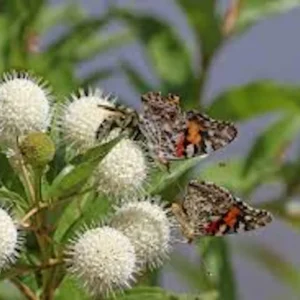
- Attracts Pollinators: The spherical, fragrant flowers of the Cephalanthus occidentalis are a significant draw for bees, butterflies, and hummingbirds, supporting local ecosystems and enhancing garden biodiversity. This makes it an excellent pollinator plant.
- Native & Resilient: As a native species, the buttonbush is well-adapted to North American climates, requiring less maintenance once established and proving highly resistant to common pests and diseases. It’s a robust bare root shrub.
- Unique Ornamental Value: The distinct, globe-like white flowers provide a unique visual interest in the summer, followed by attractive seed heads that persist into fall and winter, offering year-round appeal.
- Thrives in Wet Conditions: Unlike many shrubs, the buttonbush excels in moist to wet soils, making it ideal for rain gardens, pond edges, or areas with poor drainage where other plants might struggle. This truly is a valuable wetland shrub.
- Supports Wildlife: Beyond pollinators, the plant’s seeds provide food for waterfowl and songbirds, further enriching the local wildlife population.
- Erosion Control: Its strong root system helps stabilize soil, making it effective for erosion control along banks and slopes, especially in riparian zones.
- Low Maintenance: Once established, this shrub is generally low maintenance, requiring minimal pruning and care, allowing you more time to enjoy its beauty.
Plant Care & Growing Tips
Caring for your buttonbush plant (Cephalanthus occidentalis) is relatively straightforward, especially given its native resilience. These plants thrive with consistent moisture and ample sunlight. For optimal growth and flowering, plant your bare root shrubs in a location that receives full sun to partial shade, meaning at least 4-6 hours of direct sunlight daily. While they can tolerate some shade, full sun will encourage the most prolific blooming. This makes the buttonbush plant versatile for various garden settings.
The ideal soil for a bare root shrub like the buttonbush is consistently moist to wet, well-draining, and rich in organic matter. It naturally occurs in wetland areas, so it’s a perfect candidate for rain gardens, pond edges, or low-lying areas in your landscape. While it prefers moist conditions, it can tolerate average garden soil once established, provided it doesn’t dry out completely. Regular watering is crucial during the first growing season to help the bare roots establish. After establishment, supplemental watering may only be needed during prolonged dry spells. The wetland shrub nature of this plant means it’s quite forgiving with overwatering compared to other species. Fertilization is generally not necessary in rich soils, but a balanced, slow-release fertilizer can be applied in early spring if your soil is poor.
Buttonbush is hardy in USDA zones 4-10. It is a deciduous shrub, meaning it will lose its leaves in the fall and go dormant over winter. Pruning can be done in late winter or early spring to maintain shape, remove dead or damaged branches, or to control its size. It can be coppiced (cut back to the ground) every few years to rejuvenate the plant and encourage robust new growth. This helps maintain a vigorous and attractive pollinator plant. Keep an eye out for common garden pests, though buttonbush is generally quite pest-resistant. Proper air circulation and avoiding overhead watering can help prevent fungal issues.
Size & Details
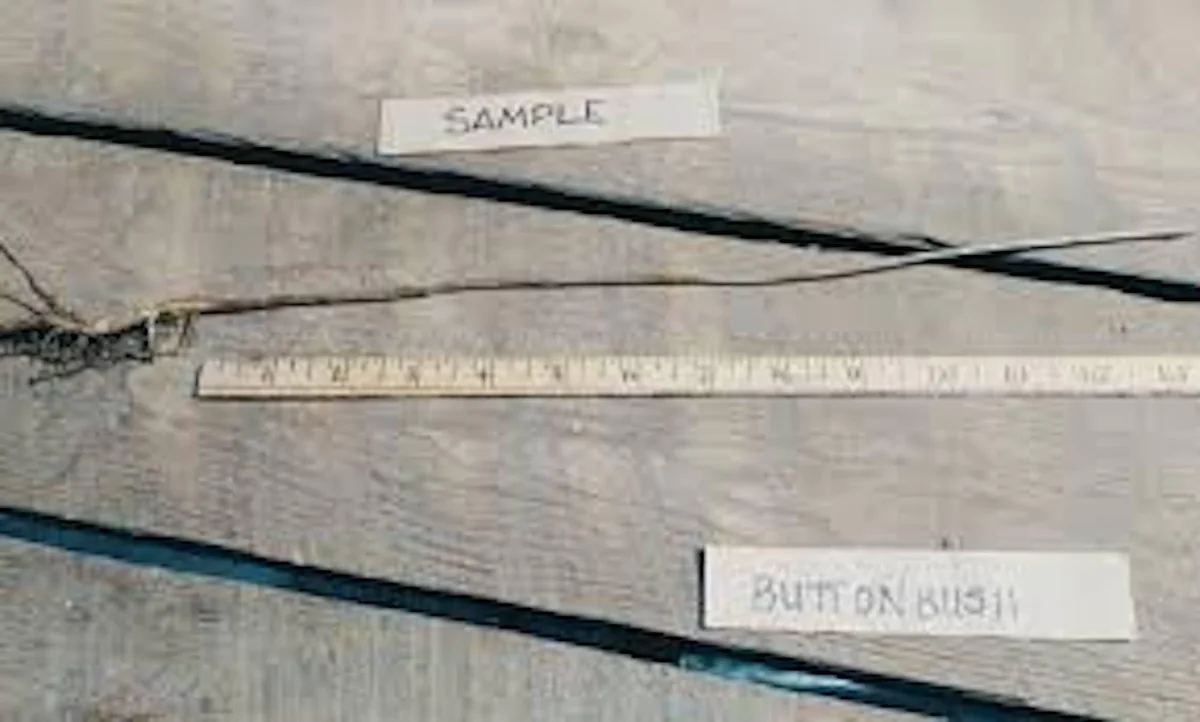
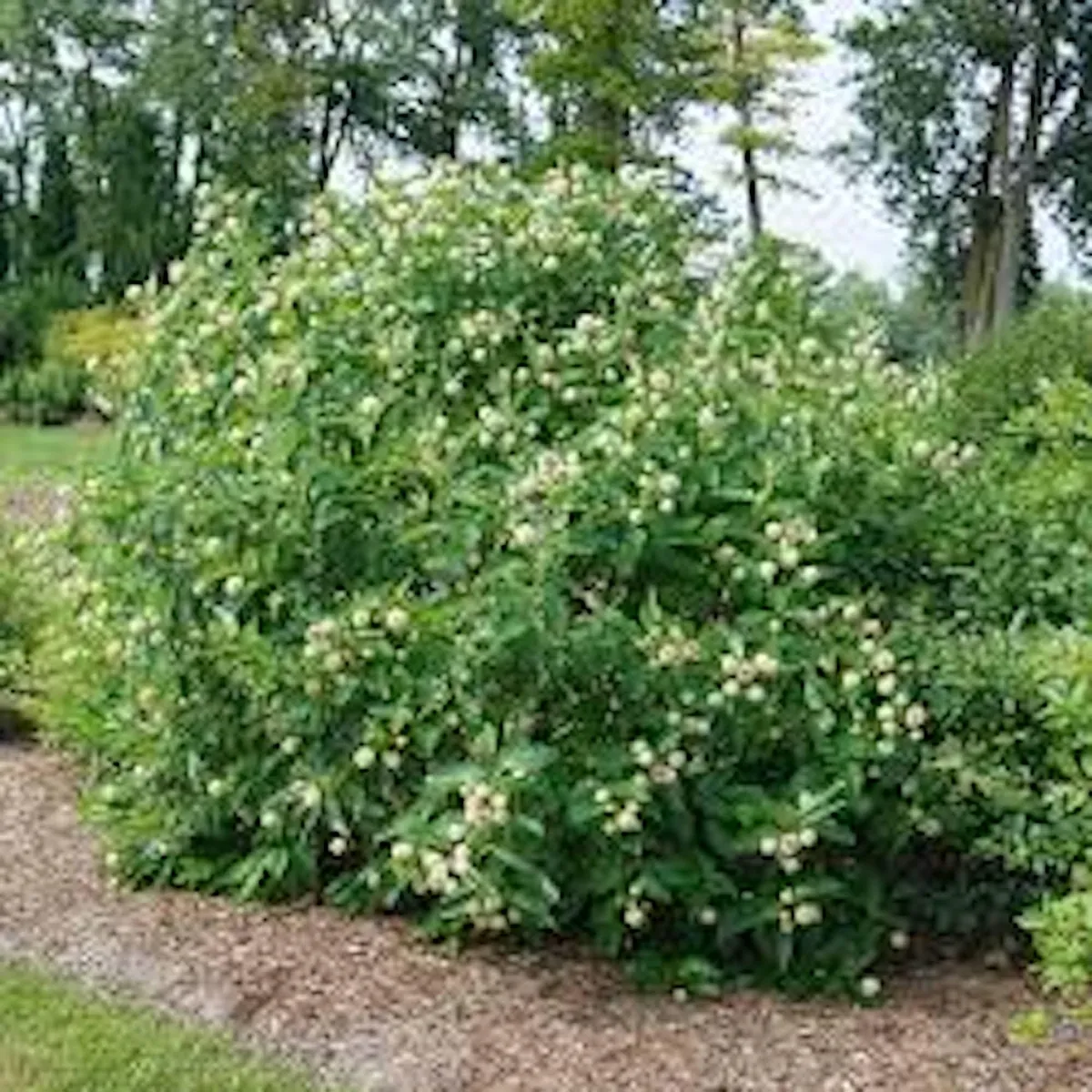
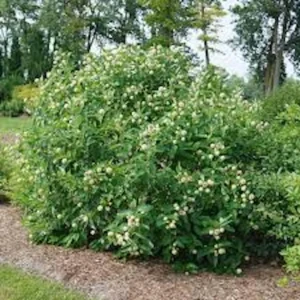
This offering includes three individual buttonbush plant specimens, each provided as a bare root shrub. Upon arrival, these plants will measure approximately 12-24in tall, offering a good starting size for quick establishment in your garden. As a deciduous shrub, its appearance will vary depending on the season of shipment; during fall and winter, they will be dormant without leaves, while during the growing season, they will show new foliage. The mature size of a Cephalanthus occidentalis typically ranges from 5 to 12 feet in height and spread, forming a rounded, multi-stemmed bush. The growth rate is moderate, allowing it to establish and reach a noticeable size within a few years.
The distinctive spherical flower clusters, resembling buttons, are about 1 inch in diameter and appear in summer, usually from June to August. These flowers mature into reddish-brown seed heads that provide winter interest and food for birds. The foliage consists of glossy, dark green leaves that turn yellow in the fall, adding seasonal color to your landscape. This native pollinator plant is a long-lived species, providing many years of beauty and ecological benefit to your garden. When planting, ensure adequate spacing to accommodate its mature size, typically 4-8 feet apart, to allow for optimal air circulation and growth.
Frequently Asked Questions
- Q: How big does this buttonbush plant get? A: A mature buttonbush plant (Cephalanthus occidentalis) typically reaches a height and spread of 5 to 12 feet, forming a rounded, multi-stemmed shrub. Its size can be managed with pruning.
- Q: What condition will the bare root shrub arrive in? A: The bare root shrub will arrive dormant, without soil or a pot, during the fall and winter seasons. During the active growing season, it may ship with some foliage and potentially in a small pot to protect the roots.
- Q: How much sunlight does this pollinator plant need? A: The buttonbush plant thrives in full sun to partial shade, ideally receiving at least 4-6 hours of direct sunlight daily for the best flowering performance.
- Q: Is this plant easy to care for? A: Yes, once established, the Cephalanthus occidentalis is a relatively low-maintenance shrub. Its native resilience makes it tolerant of various conditions and generally resistant to pests and diseases.
- Q: When is the best time to plant a bare root shrub? A: The best time to plant a bare root shrub is typically in early spring or late fall when the plant is dormant. This allows the roots to establish before extreme temperatures.
- Q: Can the buttonbush plant grow in wet areas? A: Absolutely! The buttonbush is a true wetland shrub and thrives in consistently moist to wet soil conditions, making it perfect for rain gardens, pond edges, and other poorly drained areas.
- Q: Will this shrub attract wildlife to my garden? A: Yes, the buttonbush is an excellent pollinator plant, attracting bees, butterflies, and hummingbirds with its unique flowers. Its seeds also provide food for waterfowl and songbirds.
- Q: What is the USDA hardiness zone for this plant? A: The buttonbush plant is hardy in USDA zones 4 through 10, making it suitable for a wide range of climates across the United States.


Reviews
There are no reviews yet.