Overview
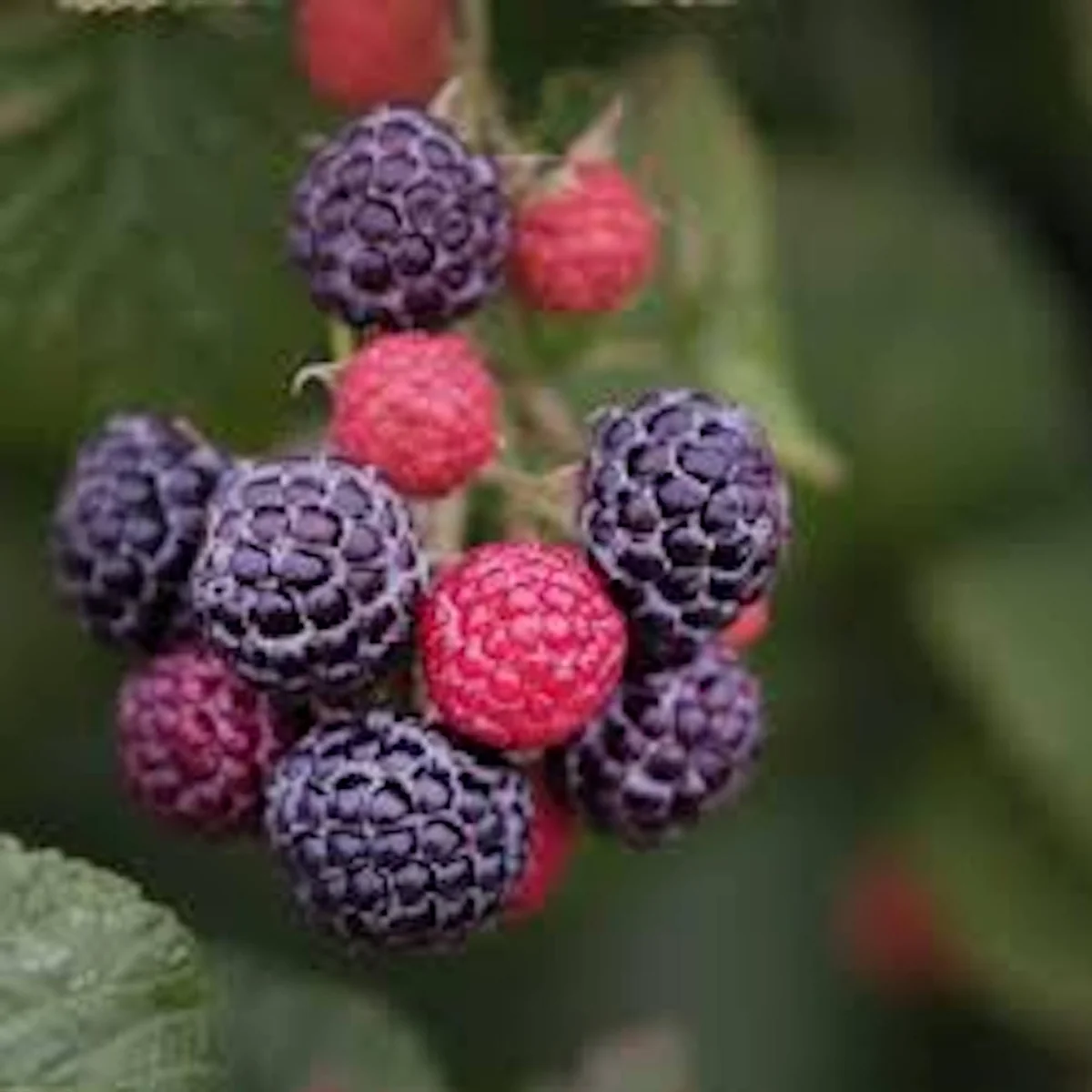
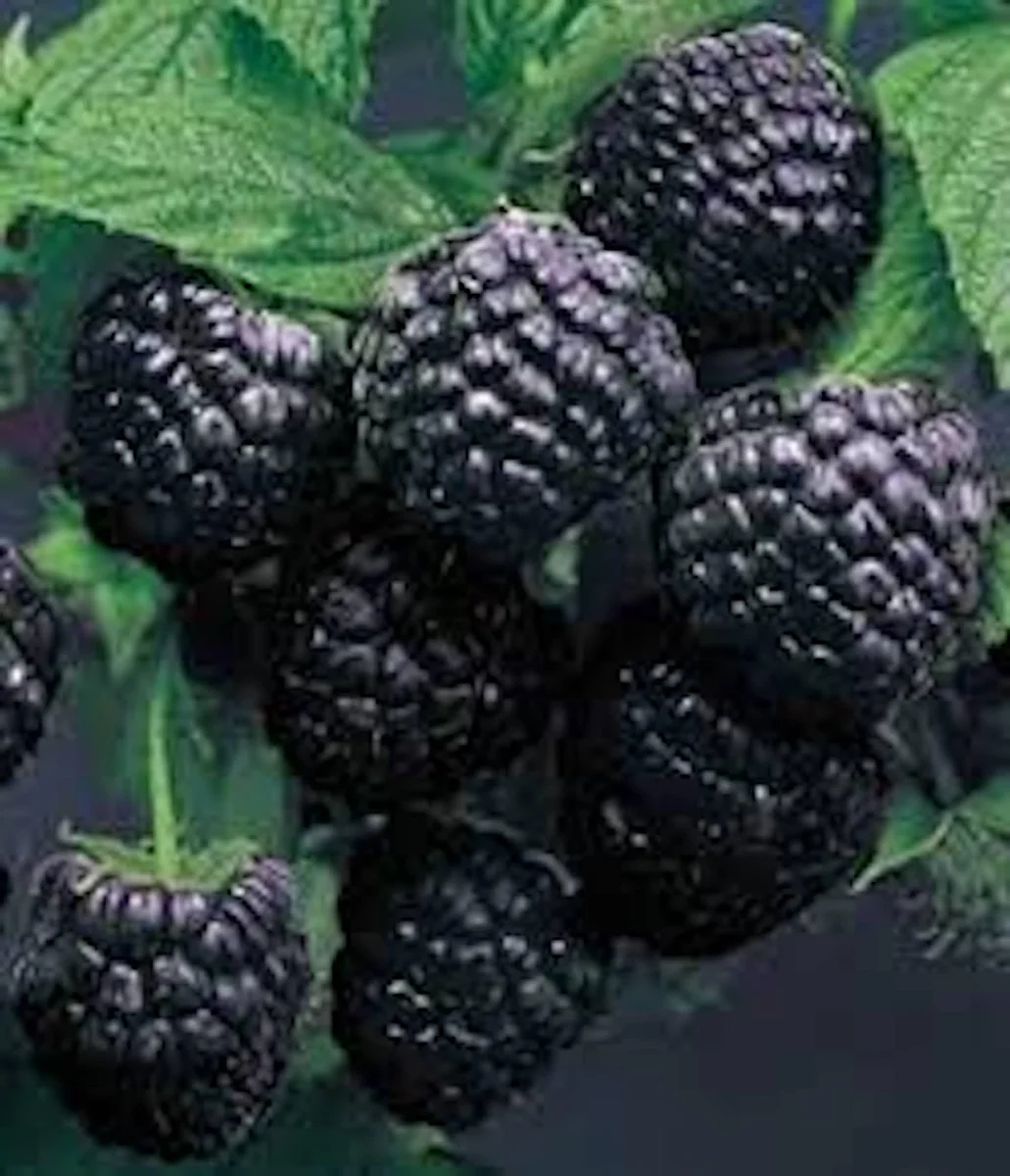
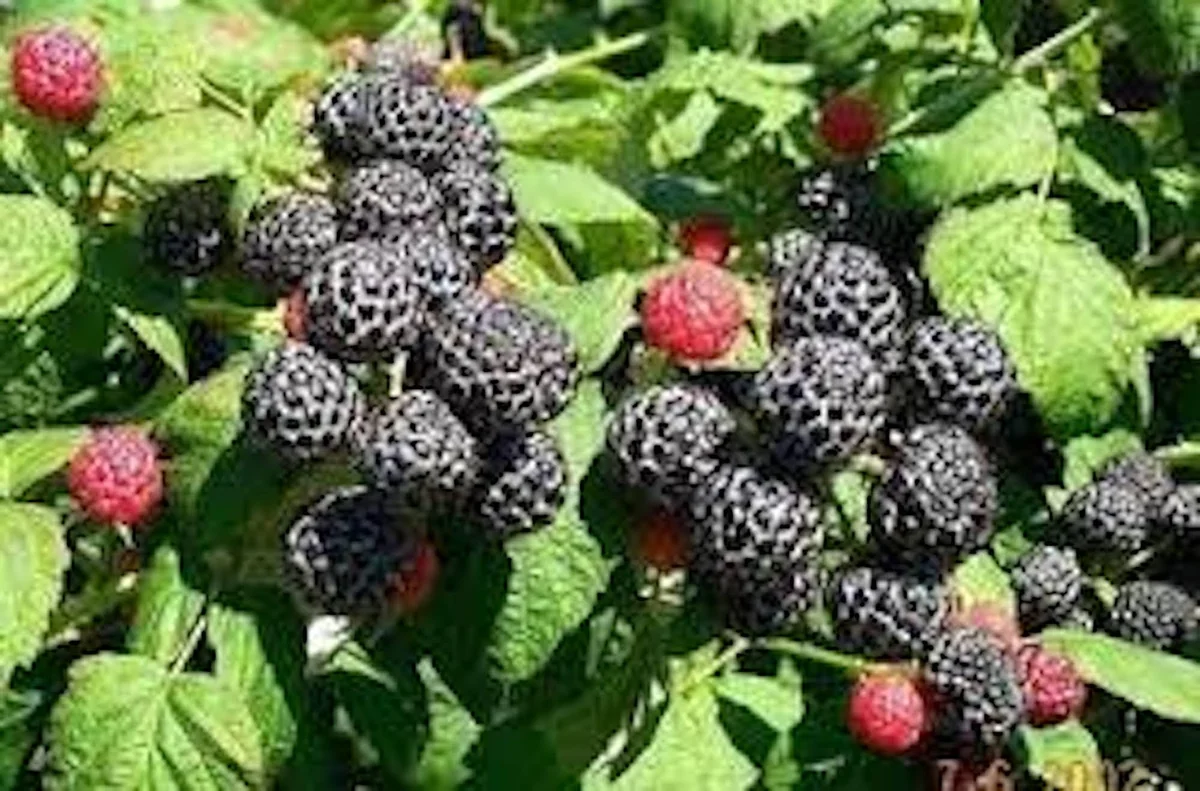
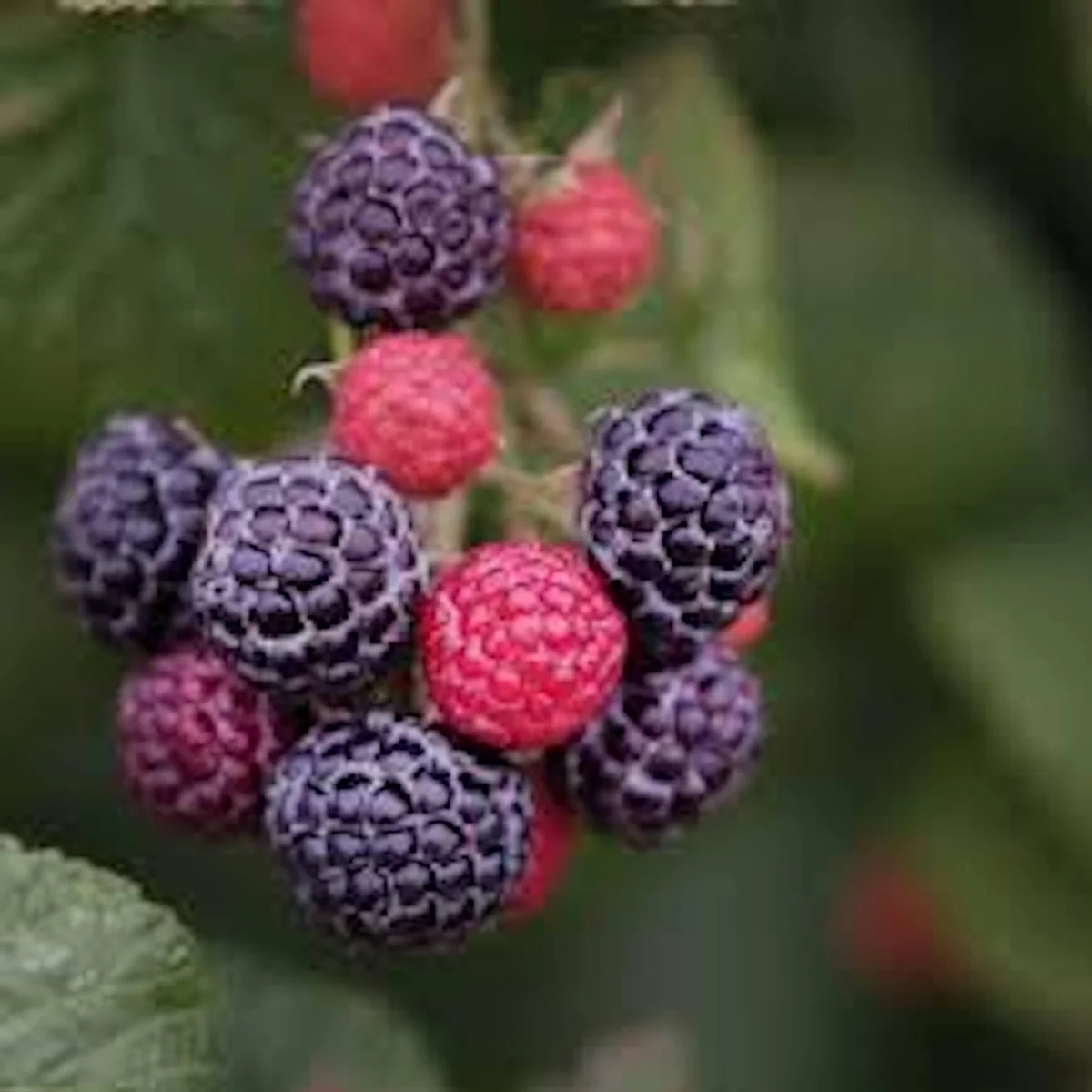
Bring the joy of homegrown fruit to your garden with these premium Cumberland Black Raspberry plants. This offering includes 10 Cumberland Black Raspberry plants, each a vigorous 2-year-old specimen of Rubus occidentalis, renowned for its rich, dark purple-black berries. The Cumberland variety is a classic choice for gardeners seeking a reliable and productive black raspberry. These plants are known for their intense sweet-tart flavor, making the berries perfect for fresh eating, baking, preserves, and more. With their distinctive aromatic taste, these medium-sized berries are a true culinary delight. Investing in these black raspberry fruit plant specimens means you’re setting up for years of bountiful harvests from a hardy and flavorful variety.
The Cumberland Black Raspberry is a distinctive variety of black raspberry known for its rich, dark purple-black color and intense sweet-tart flavor. The berries are medium-sized, offering a juicy, aromatic taste with a blend of sweetness and acidity, making them ideal for fresh eating, preserves, and baked goods. This particular offering provides 10 Cumberland Black Raspberry plants, ensuring a substantial yield for both personal enjoyment and sharing. These plants are a fantastic addition to any edible landscape, offering both aesthetic appeal and delicious, healthy fruit.
Key Benefits
Choosing to grow Cumberland Black Raspberry plants offers a multitude of advantages for the home gardener. These robust plants provide more than just fruit; they enhance your garden’s biodiversity and offer a rewarding growing experience.
- Exceptional Flavor Profile: Enjoy the rich, intense sweet-tart taste of freshly picked black raspberries. These berries are perfect for a wide range of culinary uses, from pies and jams to smoothies and fresh desserts. The unique aroma and juicy texture make them a standout fruit.
- High Yield Potential: With 10 Cumberland Black Raspberry plants, you can expect a generous harvest, providing plenty of fruit for your family and perhaps even extra to preserve or share. Their vigorous growth habit contributes to abundant berry production year after year.
- Disease Resistance: The Cumberland variety is particularly known for being disease-resistant raspberry, especially to common fungal diseases like anthracnose. This natural resilience reduces the need for chemical treatments and simplifies care, making it an excellent choice for organic gardening.
- Hardy and Adaptable: Thriving in USDA zones 4 to 8, these Rubus occidentalis plants are well-suited for a wide range of climates across the US. Their hardiness ensures they can withstand various weather conditions, providing consistent performance.
- Versatile Use: The berries are incredibly versatile, ideal for fresh consumption, freezing, making delicious jams and jellies, or incorporating into baked goods. Having your own supply of fresh berries opens up endless culinary possibilities.
- Attractive Garden Addition: Beyond their fruit, these raspberry plants add a lovely green presence to your garden, especially when laden with ripening berries. They can also serve as a natural privacy screen or border when properly managed.
- Perennial Production: Once established, these black raspberry fruit plant specimens will produce fruit for many years, offering a sustainable source of fresh berries with minimal annual replanting.
Plant Care & Growing Tips
Caring for your Cumberland Black Raspberry plants is relatively straightforward, ensuring a bountiful harvest with proper attention. These Rubus occidentalis plants thrive in full sun, meaning they need at least 6-8 hours of direct sunlight per day for optimal fruit production. While they can tolerate partial shade, berry yield and flavor may be reduced. When considering where to plant your black raspberry fruit plant, choose a location with good air circulation to help prevent fungal diseases, even though this variety is a disease-resistant raspberry.
Soil requirements for growing black raspberries include well-draining, fertile soil with a pH between 6.0 and 6.8. Amend heavy clay soils with organic matter like compost to improve drainage and aeration. Watering is crucial, especially during dry spells and fruit development. Aim for about 1-2 inches of water per week, either from rainfall or irrigation. Keep the soil consistently moist but not waterlogged. Fertilize in early spring with a balanced slow-release fertilizer or compost, avoiding excessive nitrogen which can promote leafy growth at the expense of fruit. Pruning is essential for health and productivity: remove spent fruiting canes after harvest and thin new canes in spring to maintain vigor and light penetration. Supporting the vigorous canes with a trellis or stakes is highly recommended for optimal growth and easier harvesting.
These Cumberland Black Raspberry plants are hardy in USDA zones 4-8. In colder zones, consider applying a layer of mulch around the base of the plants in late fall to provide extra winter protection. Watch for common pests like Japanese beetles or aphids and address them with organic pest control methods if necessary. Regular monitoring and good cultural practices will ensure your Cumberland Black Raspberry plants remain healthy and productive, providing you with delicious fruit year after year.
Size & Details
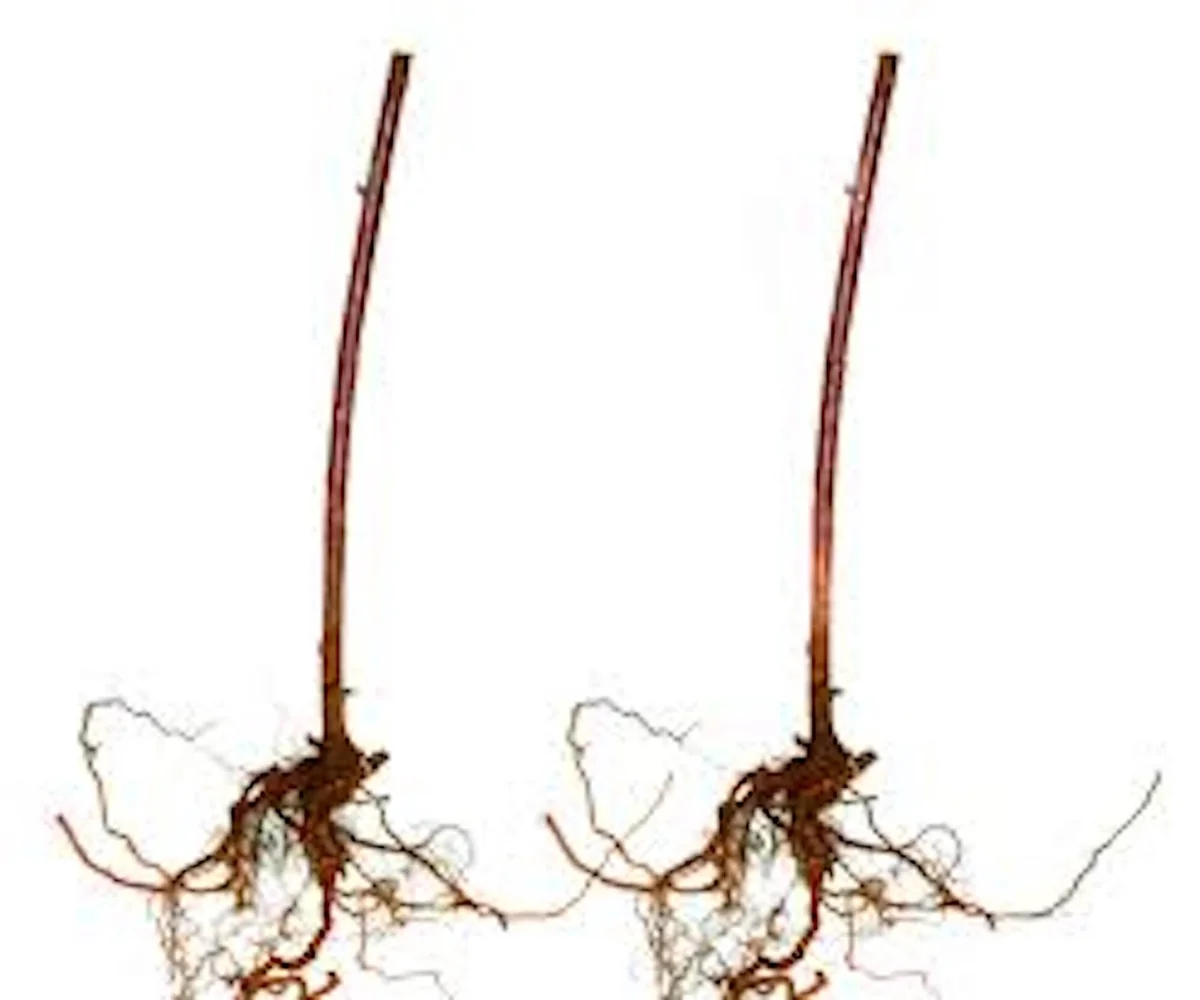
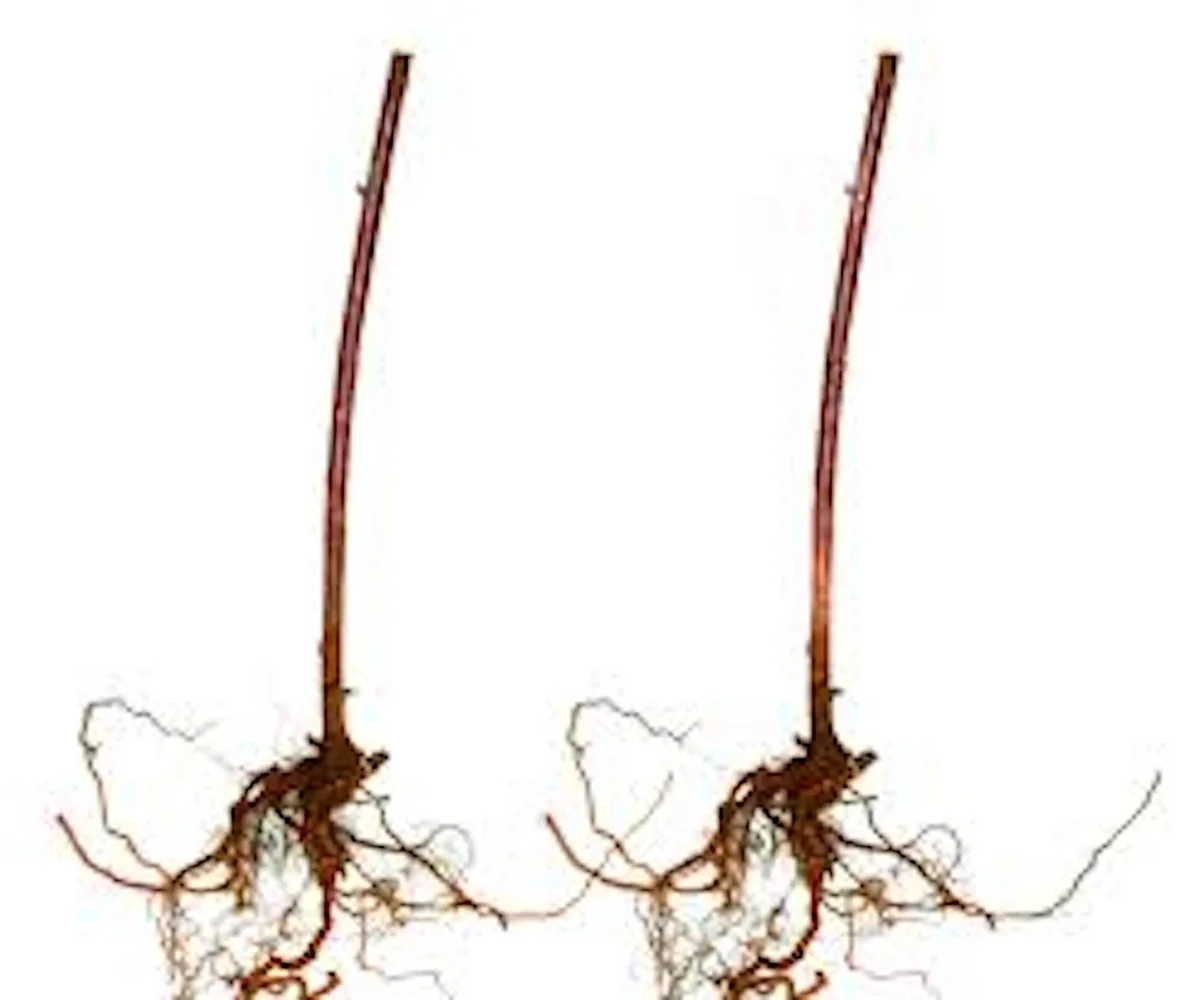
This offering includes 10 Cumberland Black Raspberry plants, each supplied as a 2-year-old bare root plant. At this age, the plants have an established root system, allowing for quicker establishment and fruit production compared to younger plants. While exact dimensions can vary, a 2-year-old bare root raspberry plant typically has a well-developed crown and several healthy canes, ready for planting. These vigorous canes will need support as they grow, often reaching 5-8 feet in height during a growing season. They are known for their fast growth rate and will begin producing fruit in the season following planting, with significant yields in subsequent years.
The plants are shipped in a dormant state, which is ideal for transplanting and reduces transplant shock. Expect the plants to break dormancy and begin leafing out shortly after planting, given appropriate growing conditions. The medium-sized berries are typically ready for harvest in late summer, providing a consistent supply of delicious fruit. With proper care, these Cumberland Black Raspberry plants will be a long-lasting and productive addition to your edible garden.
Frequently Asked Questions
- Q: How big do these Cumberland Black Raspberry plants get? A: These plants are vigorous growers. Their canes can typically reach heights of 5-8 feet in a single growing season and will require support from a trellis or stakes for optimal growth and fruit production.
- Q: When is the best time to plant Cumberland Black Raspberry plants? A: The best time to plant these bare root raspberry plants is in early spring after the danger of hard frost has passed, but while the plants are still dormant. This allows them to establish their root systems before the heat of summer.
- Q: Are these plants a disease-resistant raspberry variety? A: Yes, the Cumberland Black Raspberry is particularly noted for its strong resistance to common fungal diseases, including anthracnose, making it a robust and reliable choice for home gardeners.
- Q: How much sunlight do these Rubus occidentalis plants need? A: For the best fruit production and plant health, these black raspberry plants require full sun, which means at least 6-8 hours of direct sunlight per day. They can tolerate partial shade, but yields may decrease.
- Q: What USDA zones are suitable for growing black raspberries like Cumberland? A: These plants are hardy and thrive in USDA Zones 4 through 8, making them adaptable to a wide range of climates across the United States.
- Q: How long until these black raspberry fruit plant specimens bear fruit? A: Since these are 2-year-old plants, you can expect them to begin producing fruit in the season following planting, with a more substantial harvest in their second and subsequent years in your garden.
- Q: What kind of soil is best for these plants? A: Cumberland Black Raspberry plants prefer well-draining, fertile soil with a slightly acidic to neutral pH (6.0-6.8). Amending the soil with organic matter like compost is beneficial.
- Q: Is it necessary to prune these raspberry plants? A: Yes, regular pruning is crucial for maintaining plant health, vigor, and maximizing fruit production. Fruiting canes should be cut back after harvest, and new canes should be thinned in the spring.
- Q: Can I grow Cumberland Black Raspberry plants in containers? A: While possible, raspberries generally do best when planted directly in the ground where their root systems can spread. If using containers, choose very large pots (at least 20-gallon) and ensure excellent drainage.
- Q: What are the best uses for Cumberland Black Raspberries? A: These sweet-tart berries are incredibly versatile. They are excellent for fresh eating, making jams, jellies, and preserves, baking into pies and muffins, or adding to smoothies and desserts.


Reviews
There are no reviews yet.