Overview
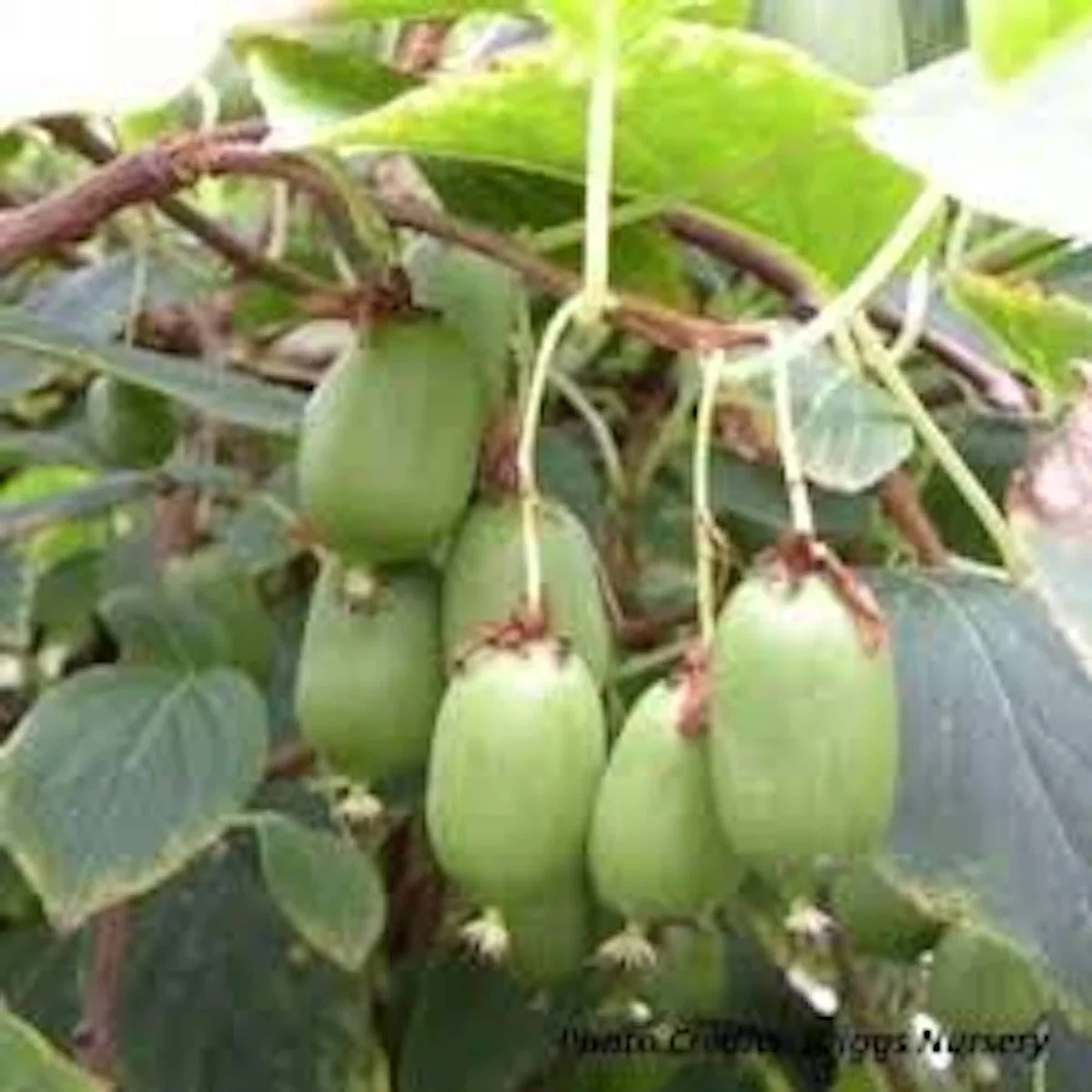
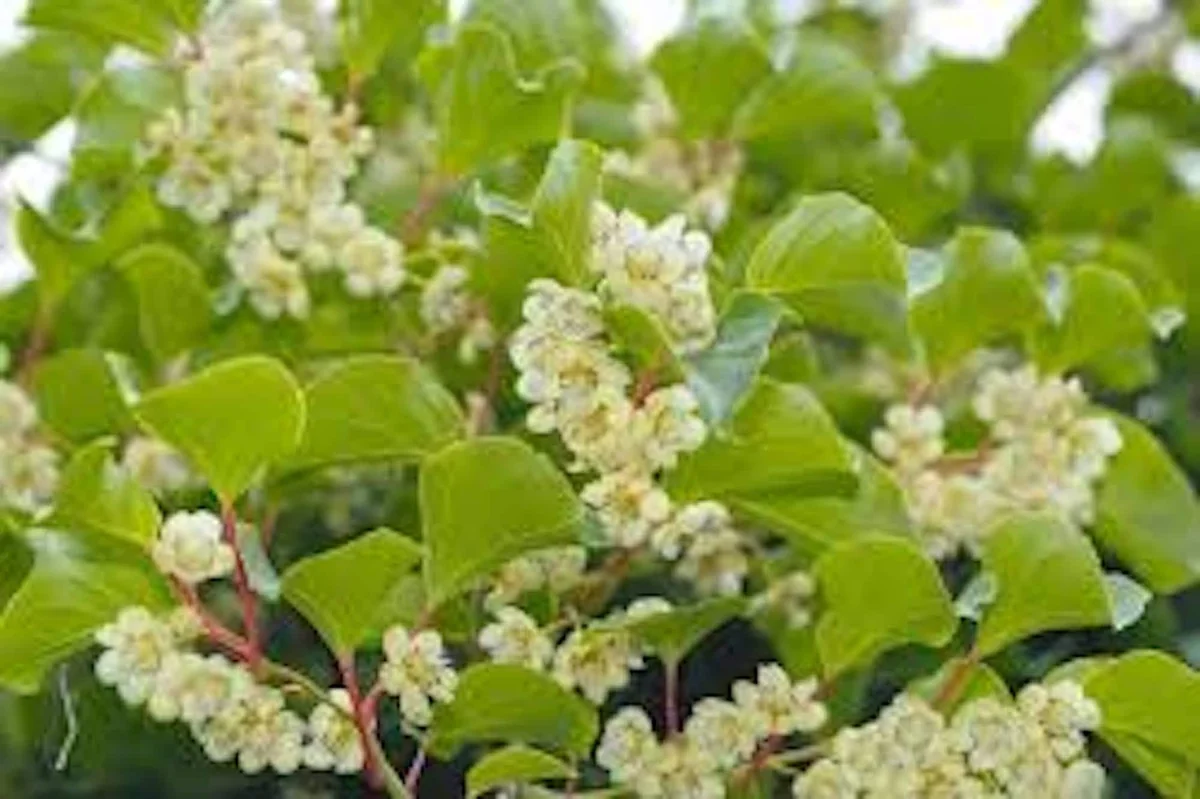
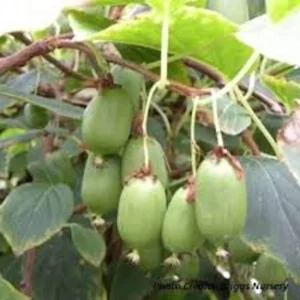
Bring the joy of home-grown fruit to your garden with these 10 Issai Hardy Kiwi Plant Starters. The ‘Issai’ hardy kiwi, scientifically known as Actinidia arguta ‘Issai’, is a remarkable deciduous climbing vine celebrated for its ornamental appeal and prolific production of sweet, smooth-skinned, grape-sized green fruits. Unlike many kiwi varieties, the Issai hardy kiwi plant is self-pollinating, making it an excellent choice for gardeners who may only have space for one plant. These bare root starters provide a robust foundation for establishing a thriving fruit vine that will adorn your landscape and reward you with delicious harvests for years to come. This compact variety is an ideal addition to any edible landscape, offering both beauty and bounty.
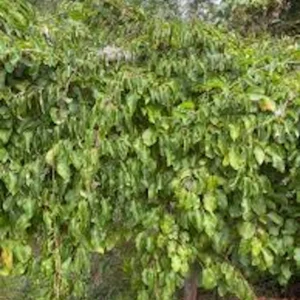
The self-pollinating kiwi vine is a vigorous grower, quickly establishing itself to provide lush foliage and abundant fruit. It’s a relatively low-maintenance option for fruit enthusiasts, requiring less intensive pruning than larger kiwi species. The attractive leaves and climbing habit make it a beautiful feature on arbors, pergolas, or fences, transforming ordinary garden structures into living, edible art. With proper care, these Actinidia arguta Issai plants will flourish, offering a continuous supply of tasty fruit that can be enjoyed fresh off the vine or used in various culinary creations. Get ready to experience the satisfaction of harvesting your own delightful hardy kiwis.
Key Benefits
The Issai hardy kiwi plant offers a multitude of advantages for both novice and experienced gardeners, making it a highly desirable addition to any outdoor space. Its unique characteristics contribute to an effortless and rewarding gardening experience, yielding delicious results.
- Self-Pollinating Convenience: This variety is a true self-pollinator, meaning you only need one plant to produce fruit. This eliminates the need for multiple male and female plants, simplifying the growing process and saving valuable garden space, making it perfect for smaller gardens or urban settings.
- Delicious, Smooth-Skinned Fruit: Enjoy sweet, grape-sized kiwi fruit that can be eaten whole, skin and all! The smooth skin means no peeling is required, offering a convenient and healthy snack directly from your garden. The flavor is a delightful blend of sweet and tangy.
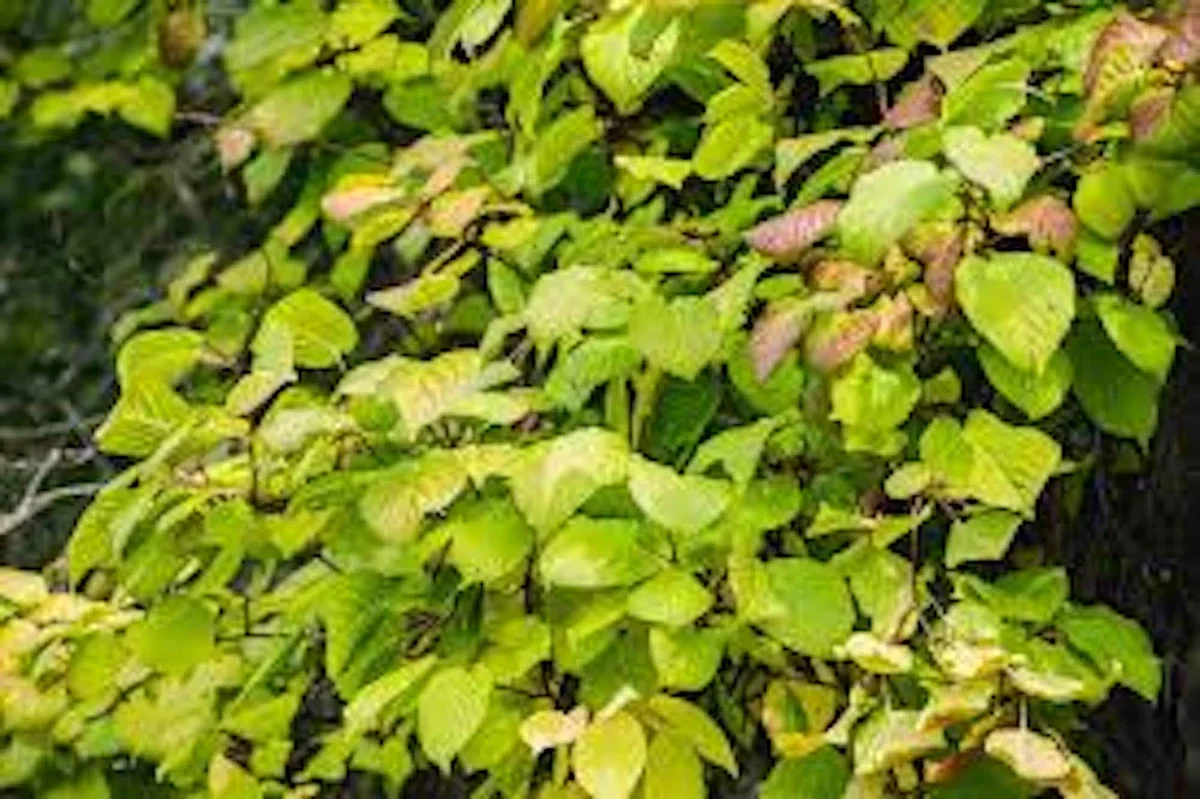
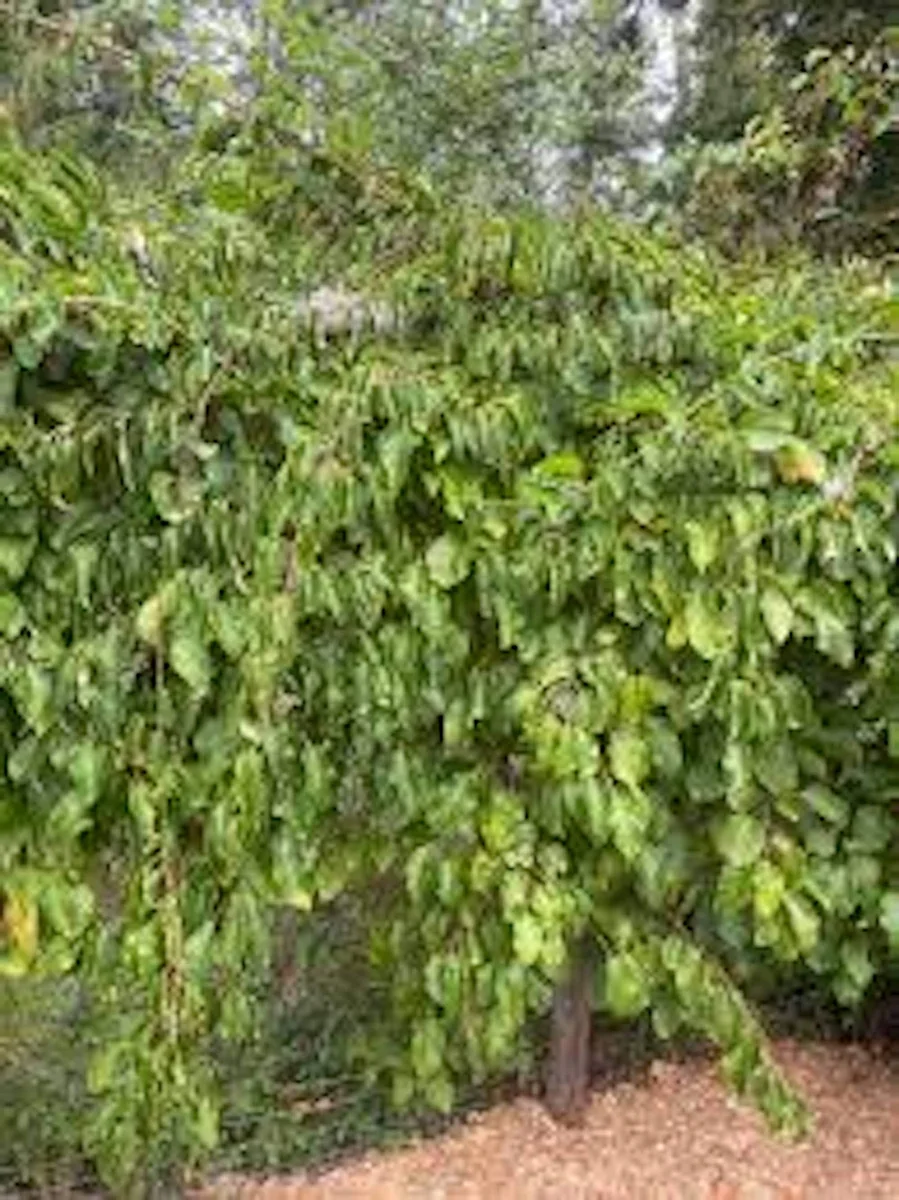
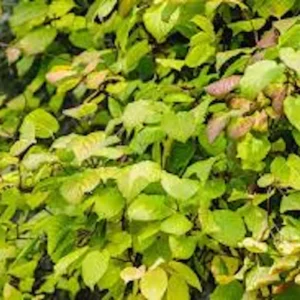
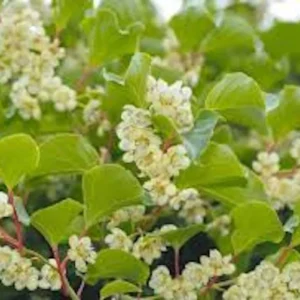
- Attractive Ornamental Vine: Beyond its fruit production, the Issai hardy kiwi plant is a beautiful deciduous climbing vine, providing lush green foliage that adds a touch of elegance to any landscape. It’s perfect for covering trellises, arbors, or fences.
- Hardy & Adaptable: These vines are remarkably robust and tolerant of various conditions, thriving in USDA Grow Zones 3 through 8. They can withstand colder temperatures than traditional kiwi, making them suitable for a wider range of climates. This hardiness contributes to easier hardy kiwi care.
- Compact Growth Habit: Unlike some sprawling kiwi varieties, the ‘Issai’ is a compact vine, typically reaching 12-20 feet in height and 3-5 feet in width. This manageable size makes it easier to integrate into diverse garden designs and requires less aggressive pruning.
- Fast Growing & Low Maintenance: The Issai hardy kiwi plant is known for its fast growth rate, quickly establishing itself and beginning to fruit. It requires relatively low maintenance compared to other fruit-bearing plants, making it an excellent choice for busy gardeners.
- Urban Tolerant: This resilient vine tolerates urban conditions, making it a great option for city gardens, patios, or balconies where space might be limited but the desire for fresh fruit is strong.
Plant Care & Growing Tips
Successful cultivation of your Issai hardy kiwi plant involves understanding its basic needs for light, water, soil, and support. These hardy vines are generally forgiving, but providing optimal conditions will ensure a bountiful harvest. When you grow hardy kiwi, remember that consistent care in the early stages leads to stronger, more productive plants.
For sunlight, the self-pollinating kiwi vine thrives in full sun to partial shade. Full sun (at least 6-8 hours of direct sunlight per day) is ideal for maximizing fruit production, but it can tolerate some afternoon shade in hotter climates. Well-draining soil is crucial to prevent root rot; a loamy, slightly acidic to neutral soil (pH 6.0-7.0) is preferred. Amend heavy clay soils with organic matter like compost to improve drainage and aeration. Regular watering is essential, especially during dry periods and the plant’s establishment phase. Keep the soil consistently moist but never waterlogged. Once established, it can tolerate some drought, but regular watering will promote better fruit development.
The Actinidia arguta Issai is recommended for USDA Grow Zones 3 through 8, indicating its excellent cold hardiness. Protect young plants from late spring frosts. Fertilize in early spring with a balanced slow-release fertilizer or an organic compost. Avoid high-nitrogen fertilizers which can promote foliage growth at the expense of fruit. Pruning is best done in late winter when the plant is dormant to shape the vine and encourage fruit production on one-year-old wood. Remove dead, damaged, or crossing branches. While relatively low-maintenance, watch for common pests like Japanese beetles or diseases like root rot, which can often be prevented by proper watering and good air circulation. Consistent hardy kiwi care will ensure a healthy and productive vine.
Size & Details
This offering includes 10 Issai Hardy Kiwi Plant Starters, provided as bare root plants. Bare root plants are dormant and ship without soil or a pot, which is an economical and effective way to establish new vines. Upon arrival, it is important to plant them promptly. The ‘Issai’ hardy kiwi is a compact variety, typically reaching a mature height of 12-20 feet and a spread of 3-5 feet when grown on a support structure. Its growth rate is considered fast, allowing it to quickly establish and begin producing fruit within 2-3 years under ideal conditions. The vines are deciduous, shedding their leaves in the fall and regrowing them in the spring. Each starter is ready for planting in your garden, providing a strong foundation for your future self-pollinating kiwi vine.
Frequently Asked Questions
- Q: How big does this plant get? A: The Issai hardy kiwi plant typically grows to a height of 12-20 feet and a width of 3-5 feet when mature, making it a manageable size for various garden settings. Its compact nature is a key benefit for gardeners with limited space.
- Q: Is this an indoor or outdoor plant? A: The Issai hardy kiwi plant is an outdoor fruit vine that thrives in garden settings, requiring full sun to partial shade. It is not suitable for indoor cultivation due to its size and light requirements.
- Q: How much sunlight does it need? A: This self-pollinating kiwi vine prefers full sun, meaning at least 6-8 hours of direct sunlight daily, especially for optimal fruit production. It can tolerate partial shade, particularly in hotter climates.
- Q: Is this plant easy to care for? A: Yes, the ‘Issai’ hardy kiwi is considered relatively low-maintenance. Its self-pollinating nature and compact growth habit contribute to easier hardy kiwi care compared to other kiwi varieties.
- Q: What condition will it arrive in? A: The 10 Issai Hardy Kiwi Plant Starters will arrive as bare root plants, dormant and ready for immediate planting. Bare root plants are a common and effective way to ship deciduous vines.
- Q: How long until it blooms and fruits? A: Under optimal conditions, the Issai hardy kiwi plant typically begins to fruit within 2 to 3 years after planting. Flowering occurs in late spring, followed by fruit development.
- Q: Will it survive winter in my zone? A: The ‘Issai’ hardy kiwi is cold-hardy and recommended for USDA Grow Zones 3 through 8, meaning it can withstand significant winter temperatures in these regions.
- Q: What is the best way to grow hardy kiwi? A: To grow hardy kiwi successfully, provide a sturdy trellis or support structure, ensure well-draining soil, adequate sunlight, and consistent watering, especially during its establishment phase.


Reviews
There are no reviews yet.