Overview
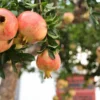
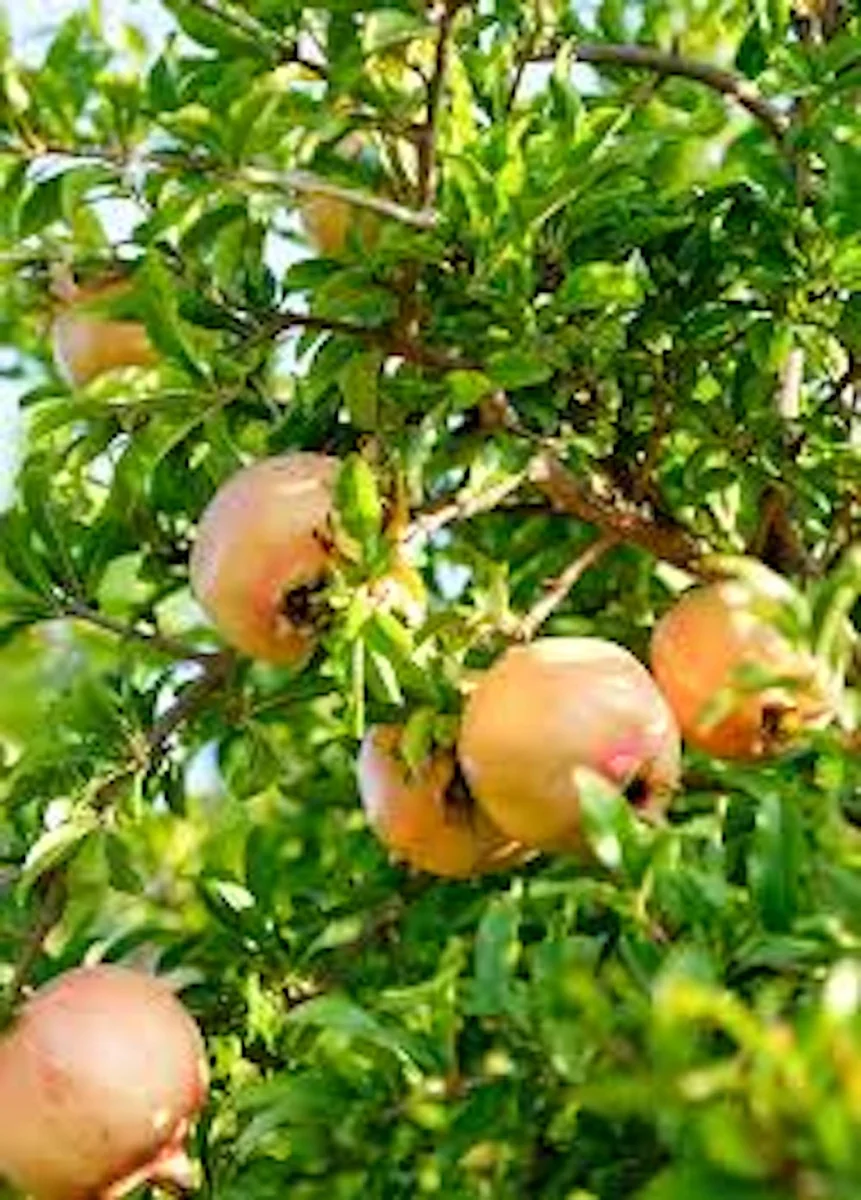
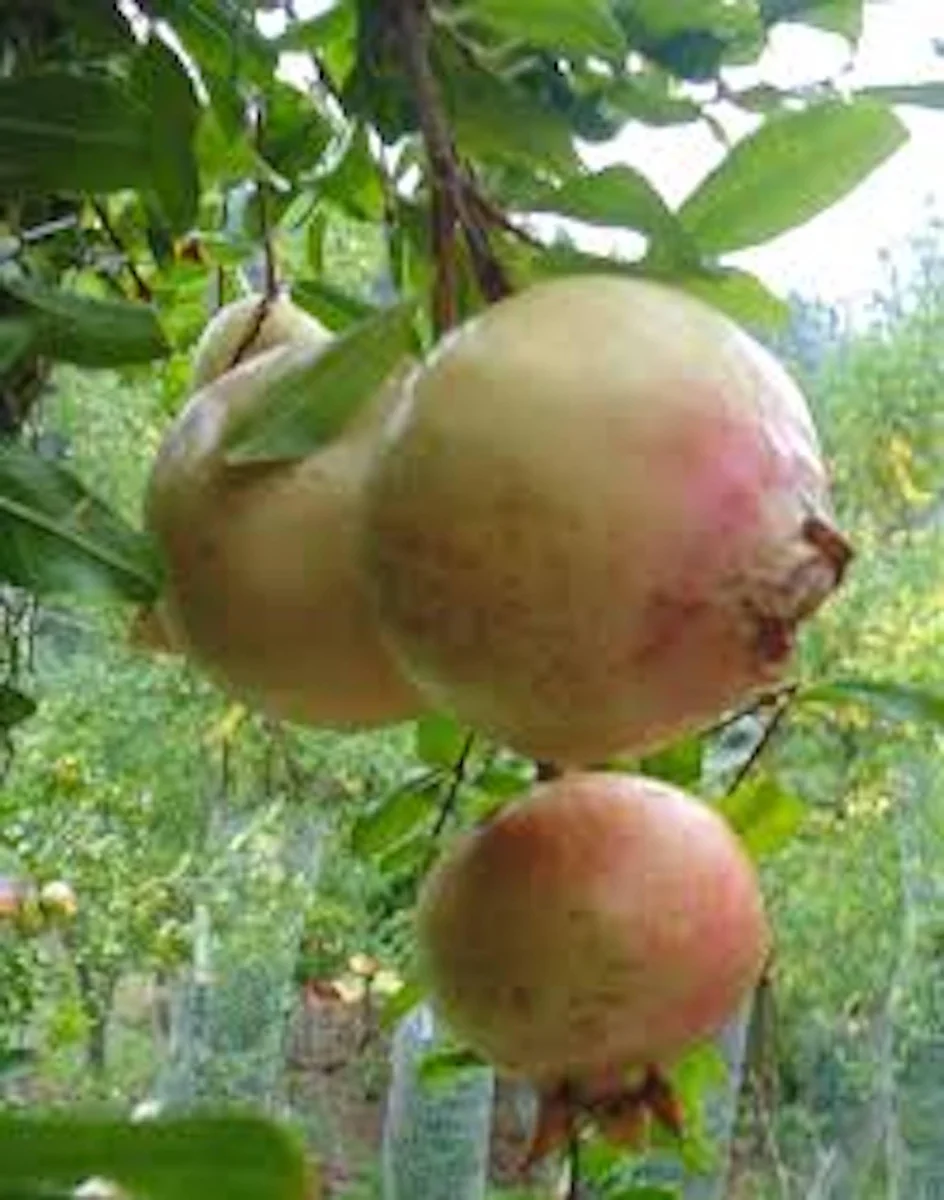
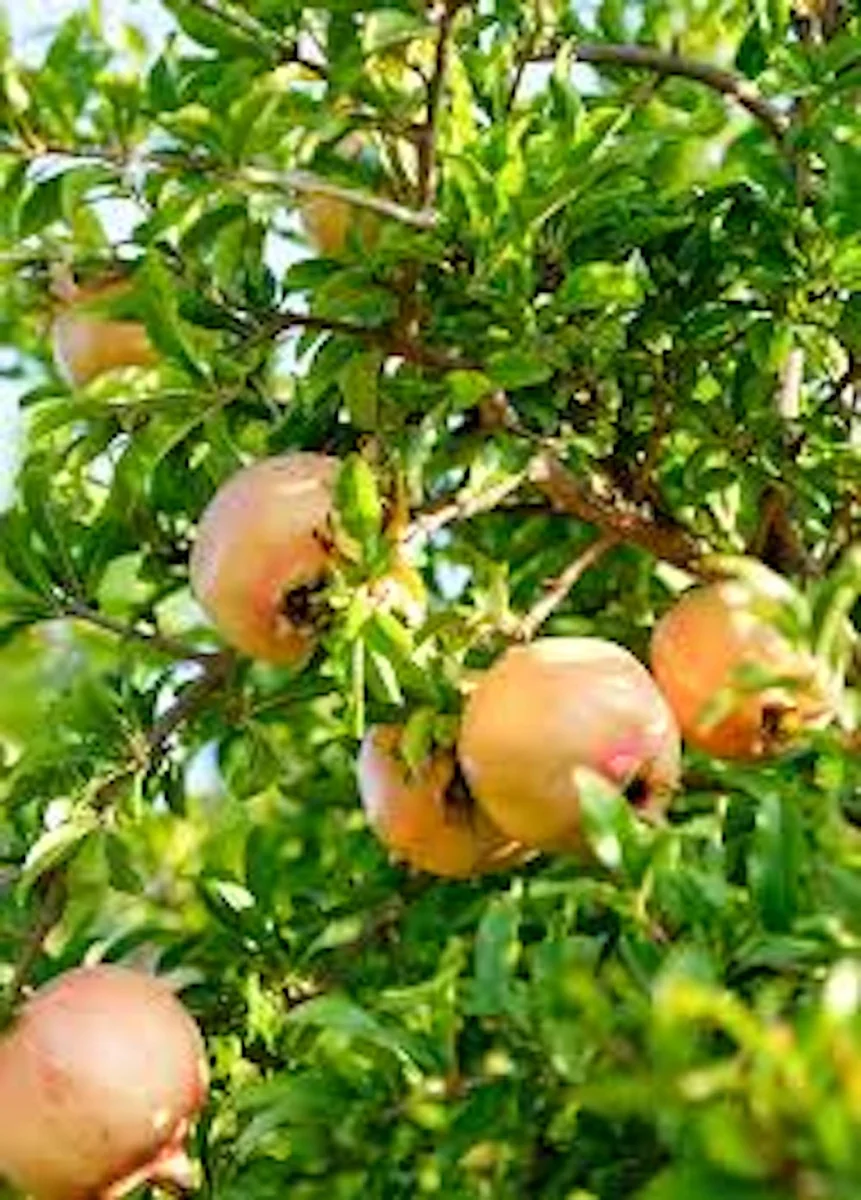
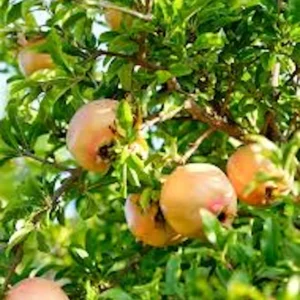
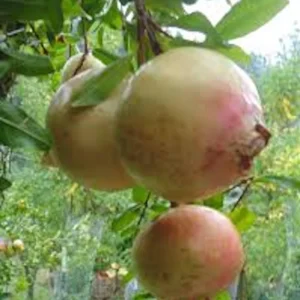
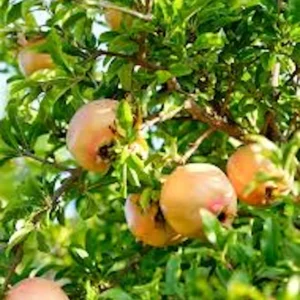
Embark on a rewarding gardening journey with the exceptional Azadi Pomegranate live plant. This unique and highly sought-after variety, scientifically known as Punica granatum ‘Azadi’, is celebrated for its distinctive soft seeds, making for a truly enjoyable eating experience without the typical hard crunch found in other pomegranates. Originating from regions known for their robust and resilient flora, the Azadi Pomegranate live plant is a testament to nature’s bounty, offering both ornamental beauty and delicious fruit. It’s an excellent choice for gardeners looking to add a rare and productive fruit tree to their collection, whether in a sprawling home orchard or a compact container garden. Its attractive foliage and striking pale pink-skinned fruit make it a focal point in any landscape, promising a harvest of sweet, juicy arils.
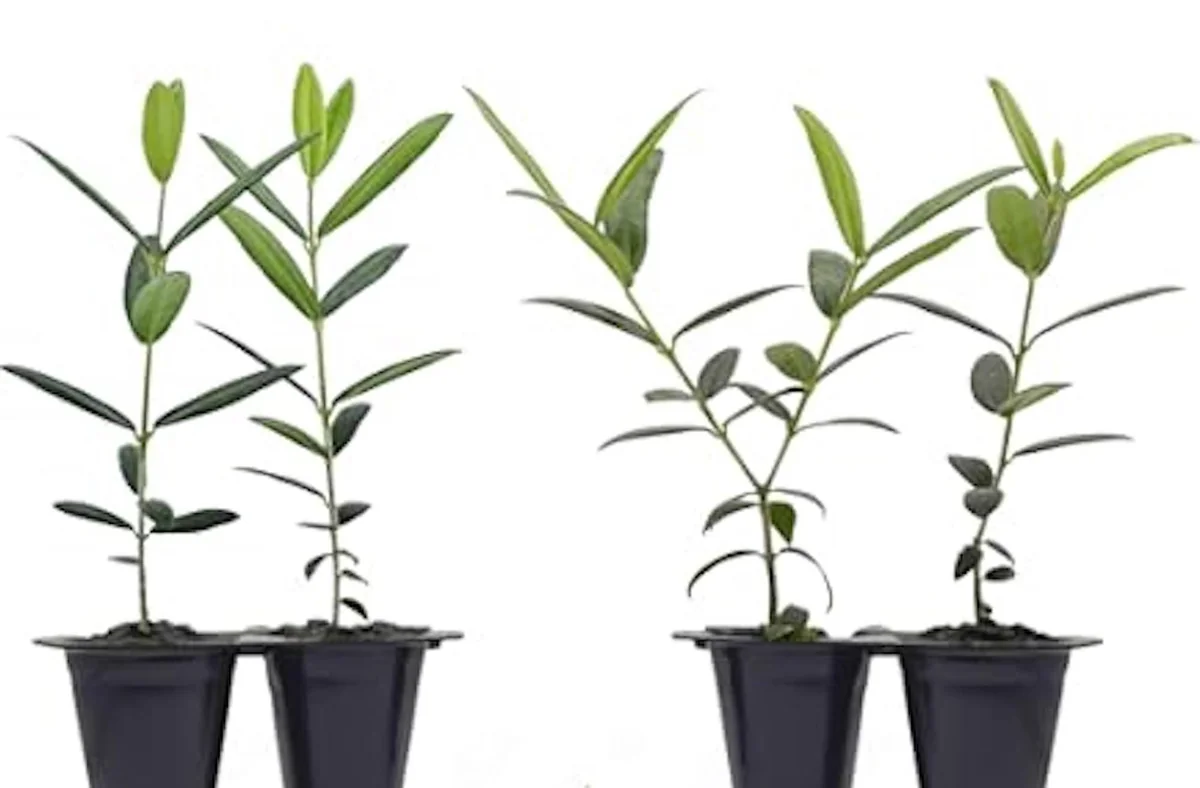
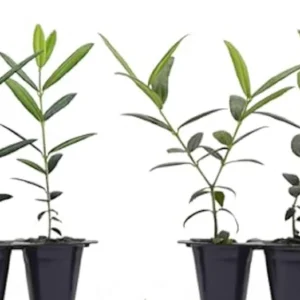
This particular offering provides you with 3 starter plants, allowing you to establish a small grove or distribute them across different areas of your garden. The Azadi pomegranate fruit tree is known for its adaptability and resilience, thriving in various conditions, particularly within USDA zones 8-11. Its drought-tolerant nature makes it a sustainable choice for water-conscious gardeners, while its productivity ensures a generous yield of its prized fruit. Beyond its culinary appeal, the Azadi pomegranate also contributes significantly to garden aesthetics with its lush green leaves and vibrant fruit.
Key Benefits
The Azadi Pomegranate live plant offers a multitude of benefits for both the discerning gardener and the fruit enthusiast. Its unique characteristics make it a standout choice for home cultivation.
- Rare Soft-Seeded Fruit: Enjoy pomegranates without the common inconvenience of hard seeds. The soft-seeded pomegranate variety makes eating the delicious arils a more pleasant and accessible experience for everyone.
- Productive & High Yield: Despite its rare status, this plant is a prolific producer, ensuring a generous harvest of fruit each season, perfect for fresh consumption, juices, or culinary creations.
- Drought-Tolerant: Once established, the Azadi pomegranate is remarkably resilient to drought conditions, making it an ideal choice for arid climates or water-wise gardening practices. This also means less frequent watering is required.
- Adaptable to Various Climates: Thriving in USDA zones 8-11, this plant is well-suited for a wide range of warm and temperate environments, offering broad appeal to gardeners across the US.
- Beautiful Ornamental Value: Beyond its fruit, the Azadi pomegranate boasts attractive foliage and striking pale pink-skinned fruit, adding significant visual appeal to any garden or patio. It serves as an excellent specimen plant or part of a mixed border.
- Versatile for Home Orchards & Containers: Whether you have ample space for an orchard or a small patio for container gardening, the Azadi pomegranate adapts beautifully, making fresh homegrown fruit accessible to all.
- Rich in Antioxidants: Pomegranates are renowned for their health benefits, packed with antioxidants and vitamins, contributing to a healthy diet directly from your garden.
Plant Care & Growing Tips
Caring for your Azadi Pomegranate live plant is relatively straightforward, thanks to its robust and adaptable nature. To ensure optimal growth and fruit production, understanding its specific needs is crucial. When it comes to sunlight, the Azadi pomegranate thrives in full sun, requiring at least 6-8 hours of direct sunlight per day. In extremely hot climates, some afternoon shade can be beneficial to prevent scorching, but generally, more sun equals more fruit. For watering, young plants need consistent moisture to establish a strong root system. Once mature, this drought-tolerant pomegranate becomes quite resilient, requiring less frequent watering. Allow the top few inches of soil to dry out completely between waterings, but avoid prolonged periods of dryness during fruiting season. Overwatering can lead to root rot, so proper drainage is key.
The ideal soil for the Punica granatum Azadi is well-draining, sandy loam with a pH between 5.5 and 7.0. While adaptable to various soil types, good drainage is paramount. If you have heavy clay soil, amend it with organic matter like compost or sand to improve porosity. For container plants, use a high-quality potting mix designed for fruit trees or shrubs. Fertilization should begin in the spring as new growth emerges. Use a balanced slow-release fertilizer or an organic fruit tree fertilizer, following the manufacturer’s instructions. Avoid over-fertilizing, especially with high nitrogen, which can promote foliage growth at the expense of fruit production. Pruning is best done in late winter or early spring before new growth appears. Remove dead, damaged, or crossing branches to improve air circulation and sunlight penetration, and to shape the plant. The Azadi pomegranate is generally resistant to most pests and diseases, but keep an eye out for common garden issues like aphids or fungal spots, treating them promptly if they appear.
Size & Details
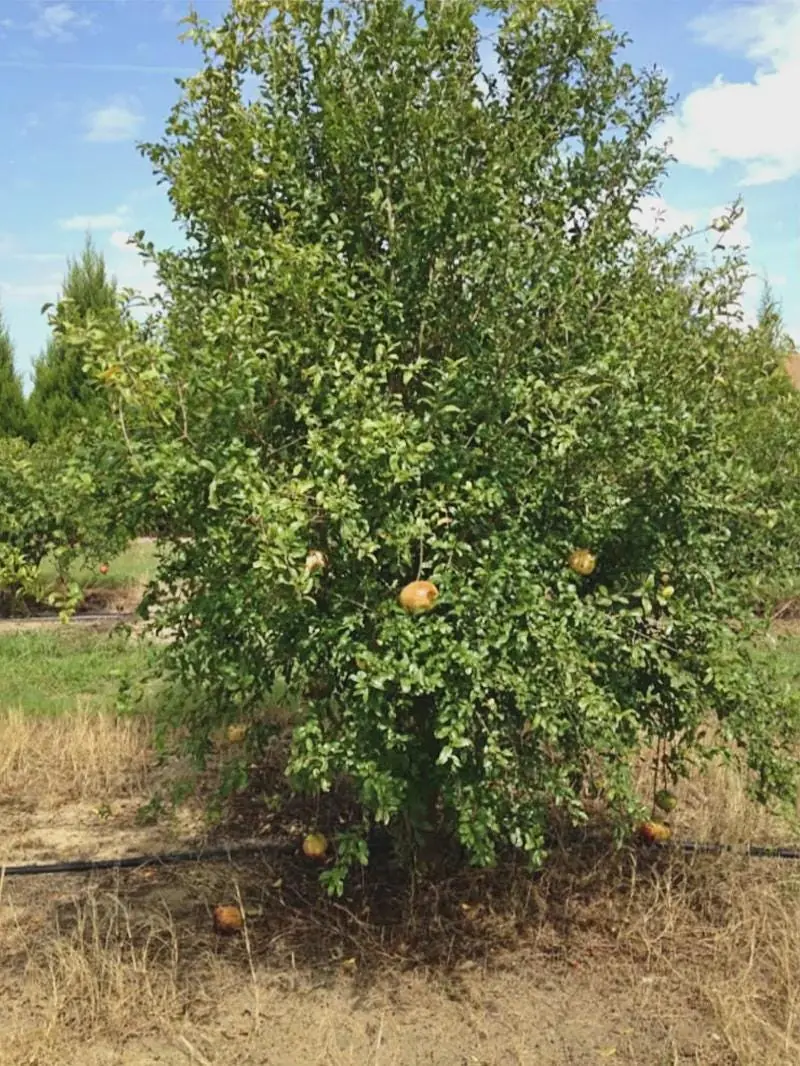
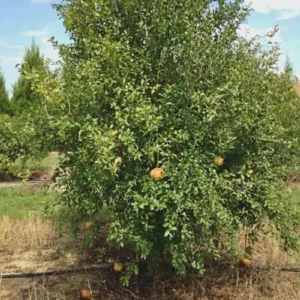
Each order includes 3 Azadi Pomegranate live plant starter plants. These plants are typically shipped as bare root specimens, meaning they arrive without soil or a pot, ready for immediate planting in your garden or a suitable container. The size of the starter plants can vary, but they are generally young, healthy specimens with a well-developed root system, poised for vigorous growth. Upon maturity, the Azadi pomegranate fruit tree can reach a height of 10-15 feet and a similar spread, though its size can be managed with regular pruning, especially when grown in containers. This allows for flexibility in placement and ensures it fits well into various garden designs. The growth rate is moderate, and you can expect your first fruit within 2-3 years of planting, with increasing yields as the plant matures. The pale pink-skinned fruits typically ripen in late summer to early fall, offering a beautiful visual display before harvest.
Frequently Asked Questions
- Q: How big does this plant get? A: The Azadi Pomegranate live plant typically grows to a height of 10-15 feet with a similar spread when mature. Its size can be controlled with regular pruning, making it suitable for both large gardens and smaller spaces.
- Q: Is this an indoor or outdoor plant? A: The Azadi Pomegranate is primarily an outdoor plant, thriving in full sun in USDA zones 8-11. However, it can be grown in containers and brought indoors during winter in colder climates, treated as a temporary indoor plant.
- Q: How much sunlight does it need? A: For optimal growth and fruit production, the Azadi pomegranate fruit tree requires at least 6-8 hours of direct sunlight per day. Full sun exposure is key to a bountiful harvest.
- Q: Is this plant easy to care for? A: Yes, the Azadi Pomegranate is considered relatively easy to care for, especially once established. Its drought tolerance and general resilience make it a good choice for both beginner and experienced gardeners.
- Q: What condition will it arrive in? A: Your Azadi Pomegranate live plant starter plants will typically arrive bare root, meaning they are shipped without soil or a pot to ensure safe and efficient transport. They should be planted as soon as possible upon arrival.
- Q: Can I use the fruit of the soft-seeded pomegranate in cooking? A: Absolutely! The fruit of the soft-seeded pomegranate is perfect for fresh eating, juicing, desserts, salads, and various culinary applications. Its soft seeds make it particularly enjoyable.
- Q: When is the best time to plant? A: The best time to plant bare root Azadi Pomegranate starter plants is in late winter or early spring, before new growth begins. This allows the plant to establish its root system before the heat of summer.
- Q: Will it survive winter in my zone? A: The Punica granatum Azadi is hardy in USDA zones 8-11. If you are in a colder zone, you will need to provide winter protection or grow it in a container that can be moved indoors.
- Q: What’s the minimum temperature it can tolerate? A: While specific tolerance can vary, the Azadi pomegranate can generally withstand temperatures down to about 10-15°F (-12 to -9°C) for short periods in its hardiness zones. Prolonged freezing temperatures can cause damage.
- Q: Is it good for beginners? A: Yes, due to its drought tolerance and relatively low maintenance requirements once established, the Azadi Pomegranate live plant is a suitable choice for beginner gardeners looking to grow fruit.


Reviews
There are no reviews yet.