Overview
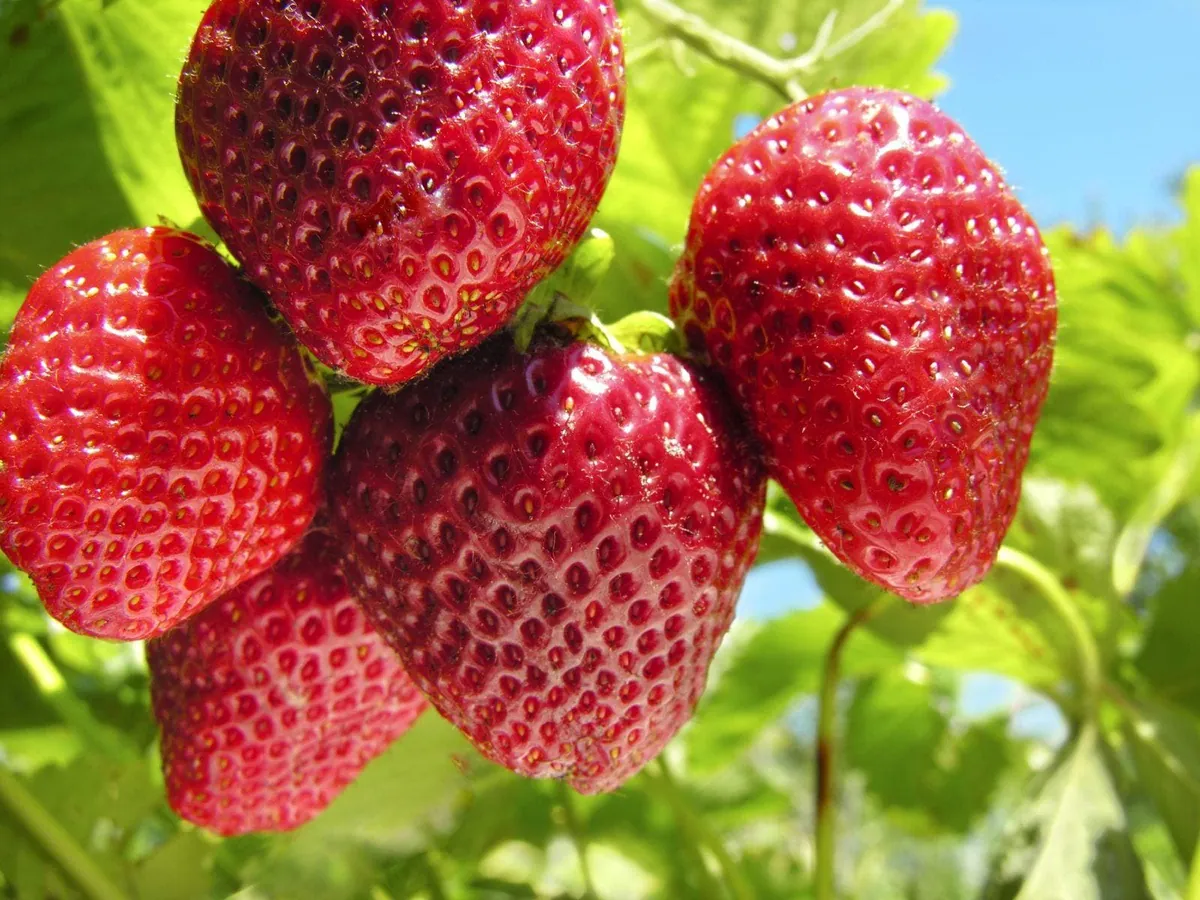
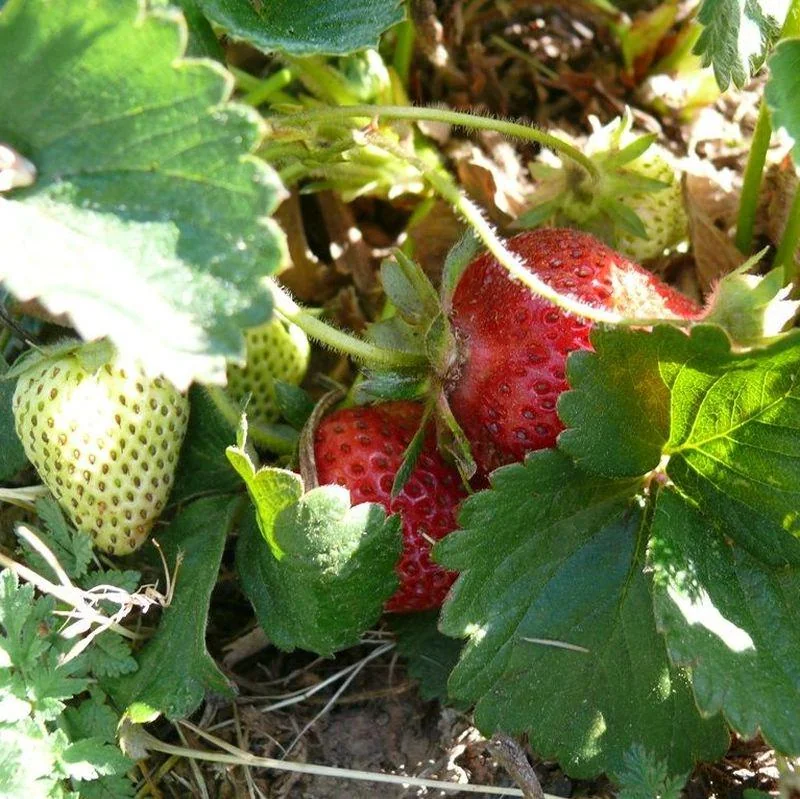
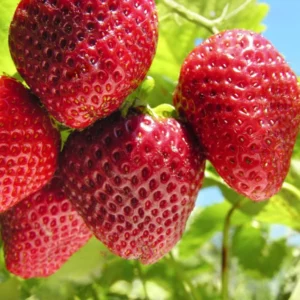
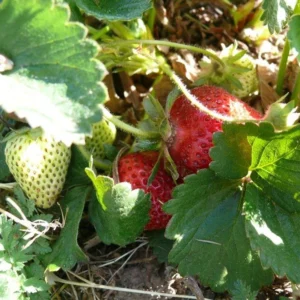
Transform your garden into a berry paradise with these 20 Sequoia Strawberry bare roots. The ‘Sequoia’ strawberry, scientifically known as Fragaria × ananassa ‘Sequoia’, is a highly sought-after variety celebrated for its exceptionally large, sweet, and flavorful fruit. Originating from California, this resilient plant is a favorite among home gardeners due to its generous and prolonged fruiting season. While officially classified as a June-bearing strawberry, the ‘Sequoia’ often acts like an everbearing variety in warmer, milder climates, providing a continuous bounty of berries from late spring right up until the first frost. This makes it an incredibly rewarding choice for those looking to enjoy fresh strawberries for an extended period throughout the growing season.
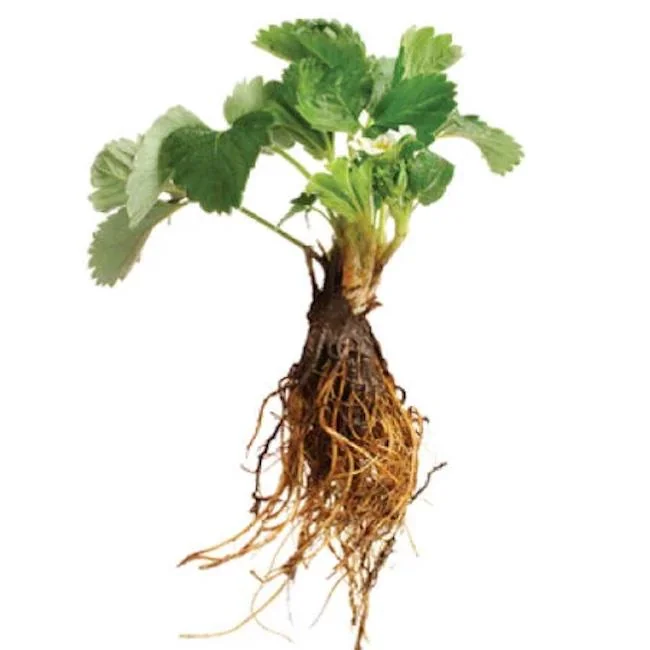
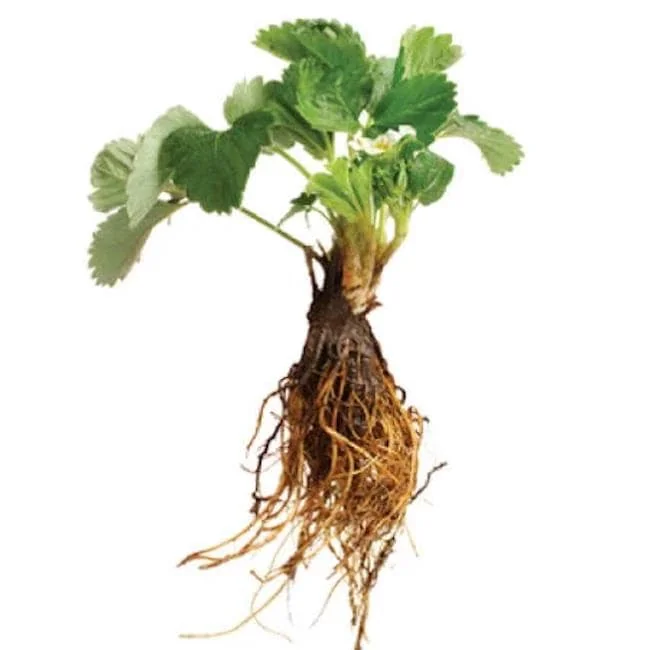
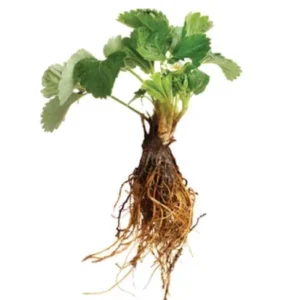
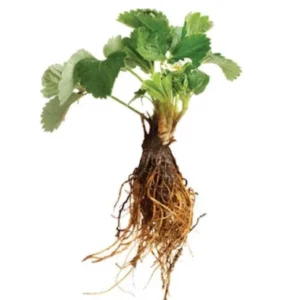
These Fragaria ananassa Sequoia plants are shipped as dormant bare roots, ensuring they establish quickly and vigorously once planted. This method allows for a strong start, as the plant can focus its energy on root development before pushing out new foliage and flowers. With proper care, these bare roots will quickly develop into healthy, productive plants, ready to delight you with their delicious harvest. Whether you’re an experienced gardener or just starting, the ‘Sequoia’ strawberry offers an easy-to-grow, high-reward experience, perfect for beds, containers, or even hanging baskets.
Key Benefits
The ‘Sequoia’ strawberry offers numerous advantages for any home gardener. Its adaptability and generous yield make it a standout choice for fresh, homegrown fruit.
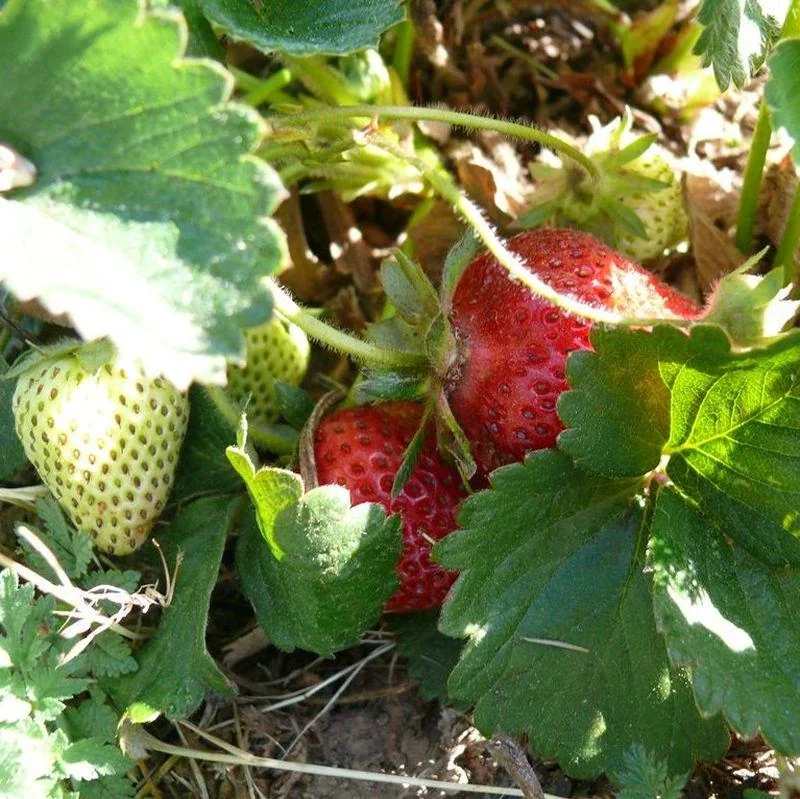
- Extended Fruiting Season: Enjoy a continuous supply of ripe, sweet berries from late spring through autumn, especially in mild climates. This prolonged harvest ensures you have fresh fruit throughout much of the year.
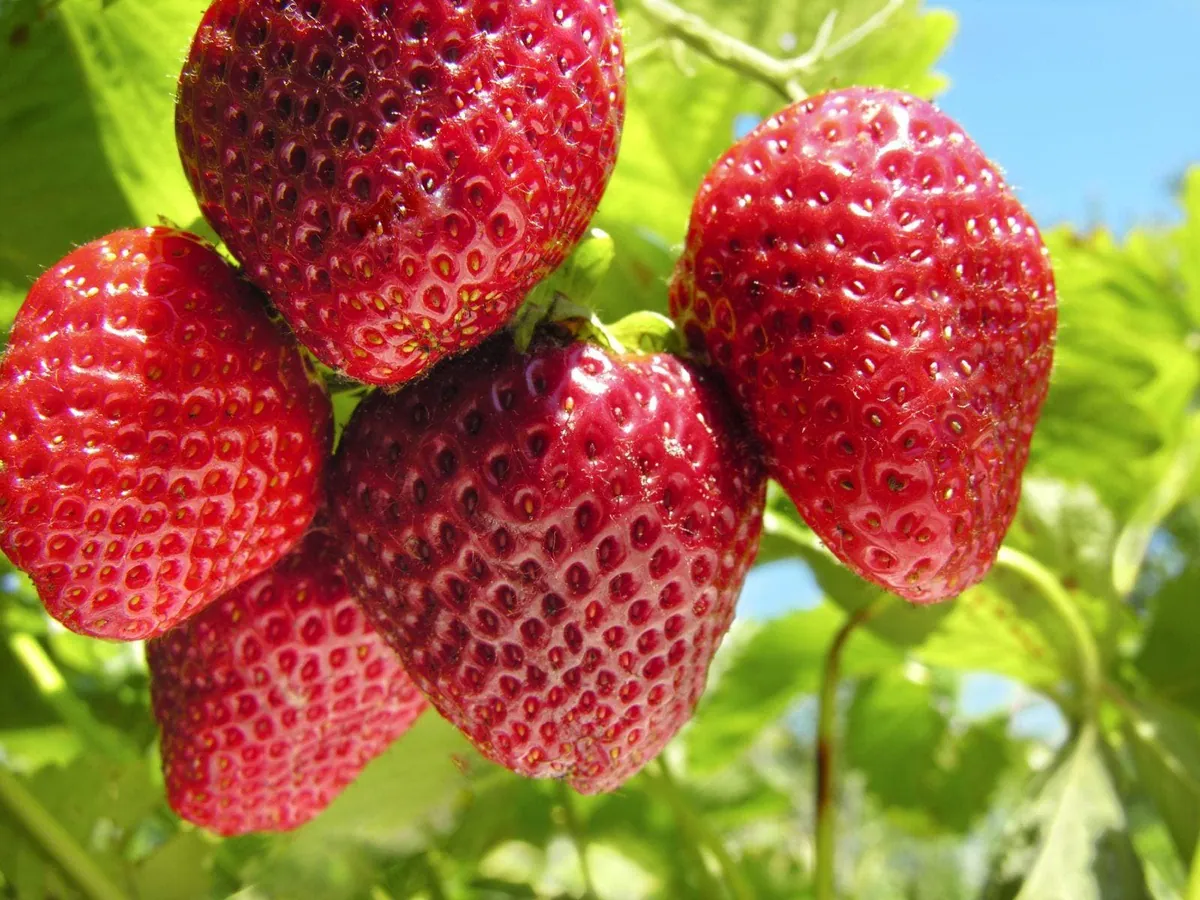
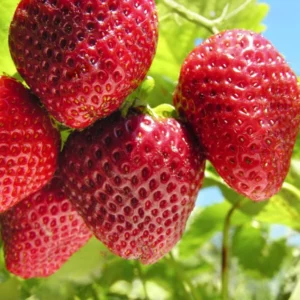
- Exceptional Flavor & Size: The ‘Sequoia’ variety is renowned for its large, juicy, and intensely sweet strawberries, perfect for eating fresh, making preserves, or adding to desserts.
- High Yielding: These high-yield strawberry plants are known for their prolific production, providing an abundance of fruit from each plant. They also produce robust runners, which can be used to expand your patch annually.
- Adaptable Growth: While excellent in mild climates (USDA zones 6-9) for an everbearing performance, they still provide a substantial early summer crop in cooler regions, making them versatile for various growing conditions.
- Easy to Grow: Sequoia strawberry bare roots are relatively low-maintenance once established, making them suitable for gardeners of all experience levels. They thrive with consistent moisture and adequate sunlight.
- Versatile Use: Perfect for garden beds, raised planters, containers, or even as ground cover, these plants add beauty and productivity to any outdoor space.
- Freshness Guaranteed: Growing your own sweet strawberry variety ensures you have access to the freshest, most flavorful berries, free from pesticides and picked at peak ripeness.
Plant Care & Growing Tips
Caring for your Sequoia strawberry bare roots is straightforward, leading to a rewarding harvest. Upon arrival, plant your bare roots as soon as possible. If immediate planting isn’t feasible, keep them cool and moist. Dig a hole wide enough to spread the roots out and deep enough so the crown (the point where the roots meet the stem) is level with the soil surface. Ensure the roots are covered but the crown is not buried. Plant approximately 12-18 inches apart to allow for runner development and air circulation.
Sunlight requirements: ‘Sequoia’ strawberries thrive in full sun, meaning at least 6-8 hours of direct sunlight per day. Adequate sunlight is crucial for fruit production and sweetness. In hotter climates, some afternoon shade can prevent scorching. Watering schedule and soil moisture preferences: Keep the soil consistently moist, especially during flowering and fruiting. Strawberries have shallow roots, so they dry out quickly. Water deeply 2-3 times a week, or more frequently during dry, hot spells. Avoid overhead watering to prevent fungal diseases; drip irrigation or soaker hoses are ideal. Soil type and drainage requirements: These plants prefer well-draining, fertile, slightly acidic soil (pH 5.5-6.5). Amend heavy clay soils with compost or peat moss to improve drainage and aeration. Temperature range and USDA hardiness zone: ‘Sequoia’ strawberries are hardy in USDA zones 6-9 for everbearing production, and can be grown in cooler zones (e.g., 4-5) as June-bearing. They tolerate temperatures down to about 20°F when dormant. Protect plants during extreme heat or sudden freezes. Fertilization schedule and type: Fertilize in early spring and again after the main harvest using a balanced fertilizer or one specifically formulated for berries. Avoid high-nitrogen fertilizers, which can promote leafy growth at the expense of fruit. Common problems and solutions: Watch for common pests like slugs, birds, and aphids. Use netting to deter birds and organic pest control methods for insects. Ensure good air circulation to prevent fungal diseases like powdery mildew and gray mold.
Size & Details
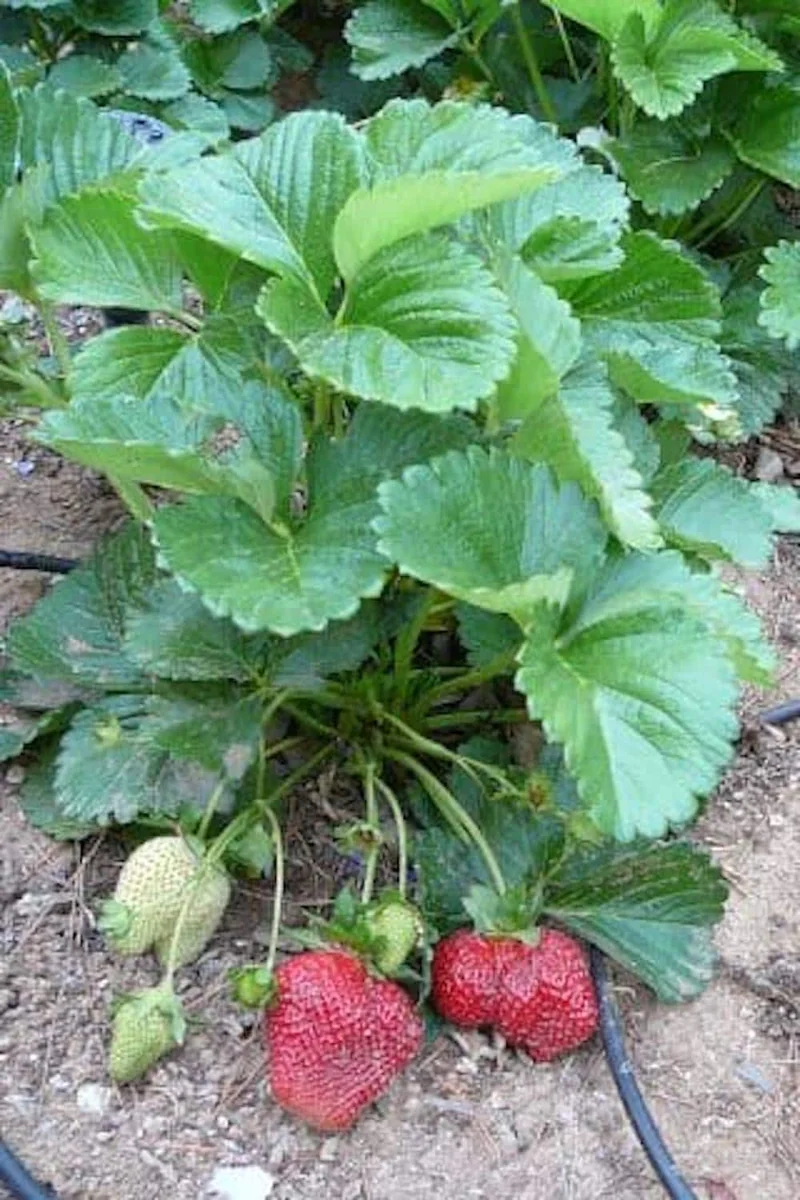
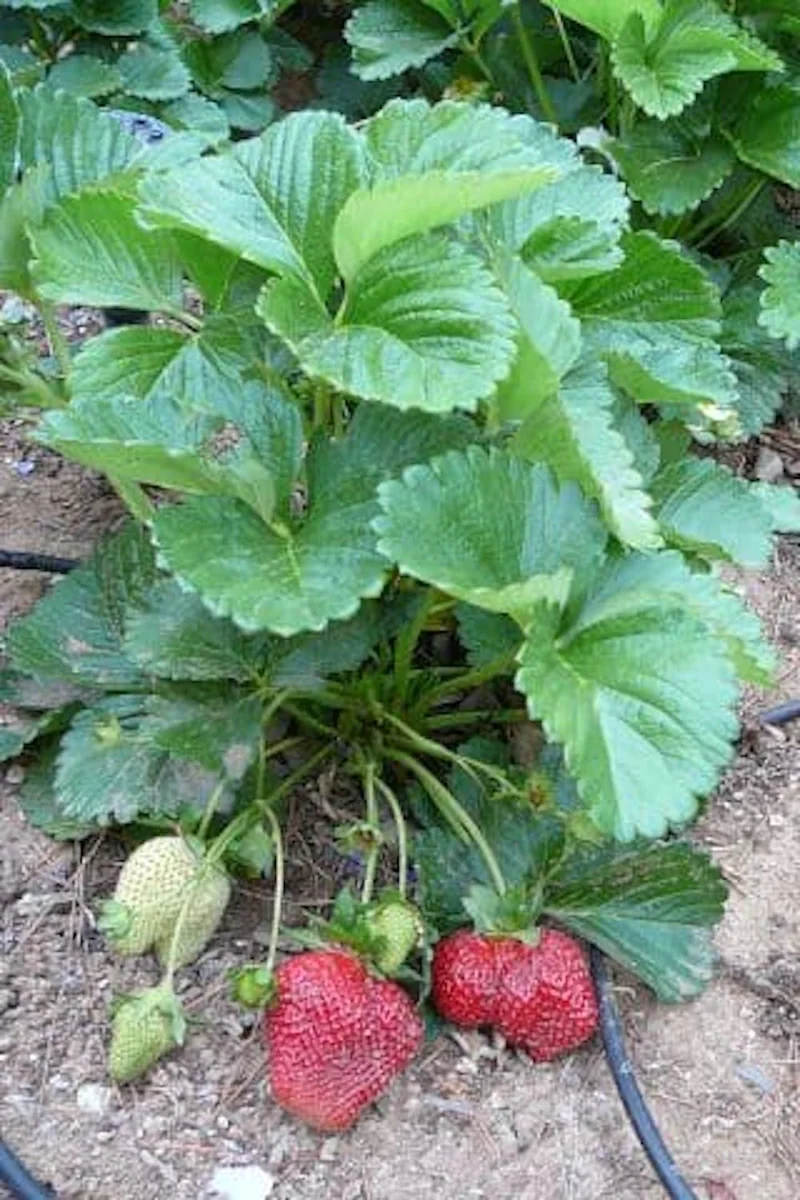
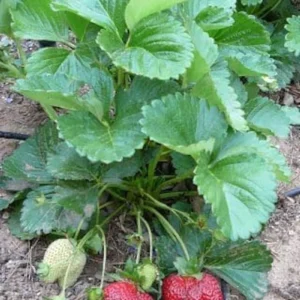
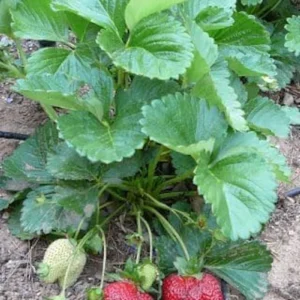
This offering includes 20 Sequoia Strawberry bare roots, ready for planting. Each bare root is a dormant plant without soil or a pot, allowing for easy, economical shipping and optimal establishment in your garden. Once planted, these medium-height plants typically grow to about 8-10 inches tall and spread approximately 18 inches wide. The ‘Sequoia’ variety is known for producing robust runners after its initial fruiting period, which can be rooted to expand your strawberry patch and increase your annual yield. Expect vigorous growth and the development of a strong root system shortly after planting, with fruit production beginning in the first year under ideal conditions, particularly when you grow Sequoia strawberries with care.
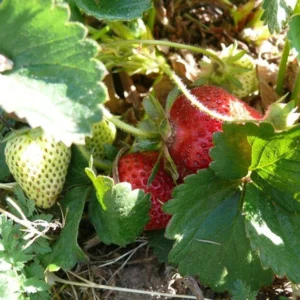
The fruit itself is notable for its large size, making each berry a satisfying treat. Production starts from late spring and continues through autumn in suitable climates, offering a long season of fresh pickings. The plants are perennial, meaning they will return year after year, providing an ongoing source of delicious fruit. With proper spacing and care, these high-yield strawberry plants will become a cornerstone of your edible garden.
Frequently Asked Questions
- Q: How big do these Sequoia strawberry bare roots get? A: Once established, ‘Sequoia’ strawberry plants typically grow to about 8-10 inches tall and spread about 18 inches wide. They also produce runners that can extend their reach.
- Q: Is this an indoor or outdoor plant? A: ‘Sequoia’ strawberries are primarily outdoor plants, thriving in full sun in garden beds, raised beds, or large containers. They are not typically grown as indoor plants.
- Q: How much sunlight does it need? A: These strawberry plants require at least 6-8 hours of direct sunlight per day (full sun) to produce the most fruit and ensure optimal sweetness.
- Q: Is this plant easy to care for? Is it good for beginners? A: Yes, Fragaria ananassa Sequoia is considered relatively easy to care for and is an excellent choice for beginner gardeners looking to grow their own fruit. Consistent watering and adequate sunlight are key.
- Q: What condition will the bare roots arrive in? A: The plants will arrive as dormant bare roots, meaning they will not have leaves or soil. This is the optimal state for transplanting and ensures a strong start in your garden.
- Q: How long until it produces fruit? A: ‘Sequoia’ bare roots can begin producing fruit in their first year after planting, typically from late spring through autumn, especially when you grow Sequoia strawberries in favorable conditions.
- Q: Will it survive winter in my zone? A: ‘Sequoia’ strawberries are hardy in USDA zones 6-9 for everbearing production. In cooler zones (4-5), they will typically produce one large crop in early summer and require winter protection.
- Q: What is the best time to plant these high-yield strawberry plants? A: The best time to plant bare root strawberries is in early spring, after the danger of hard frost has passed. This gives them ample time to establish before the summer heat.
- Q: What makes ‘Sequoia’ a sweet strawberry variety? A: The ‘Sequoia’ variety is specifically bred for its high sugar content and rich, classic strawberry flavor, making it one of the sweetest and most popular choices for home gardens.
- Q: Can I use the runners to get more plants? A: Yes, ‘Sequoia’ strawberries produce robust runners after fruiting. You can root these runners to create new plants and expand your strawberry patch for even more fruit.


Reviews
There are no reviews yet.