Overview
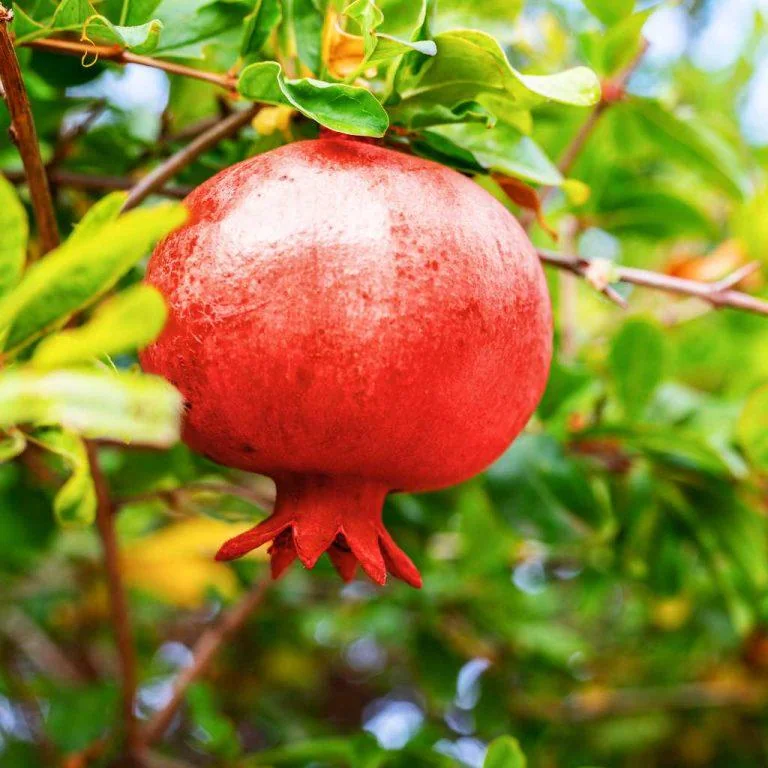
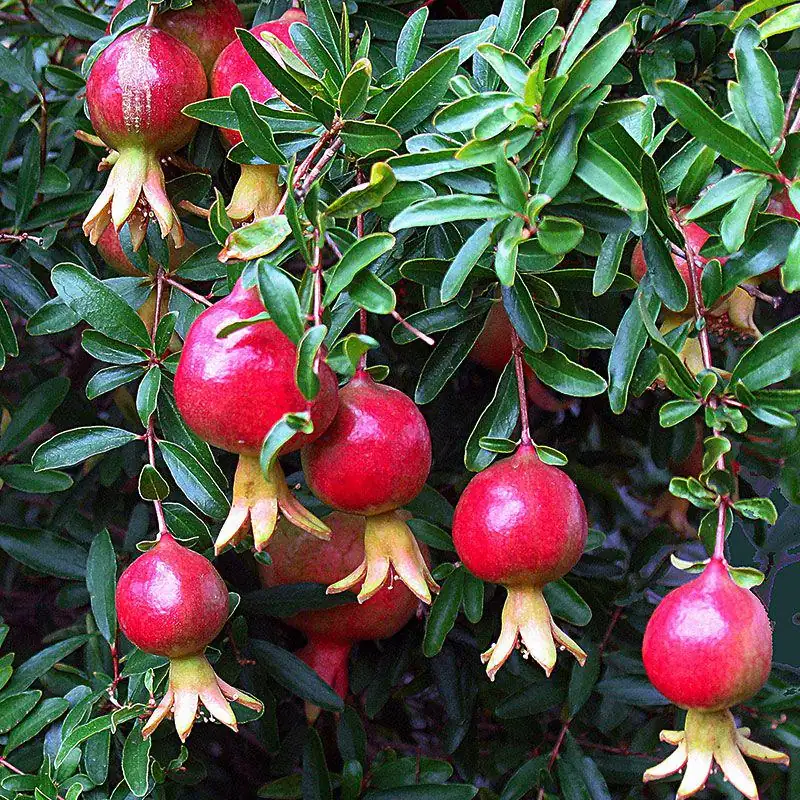
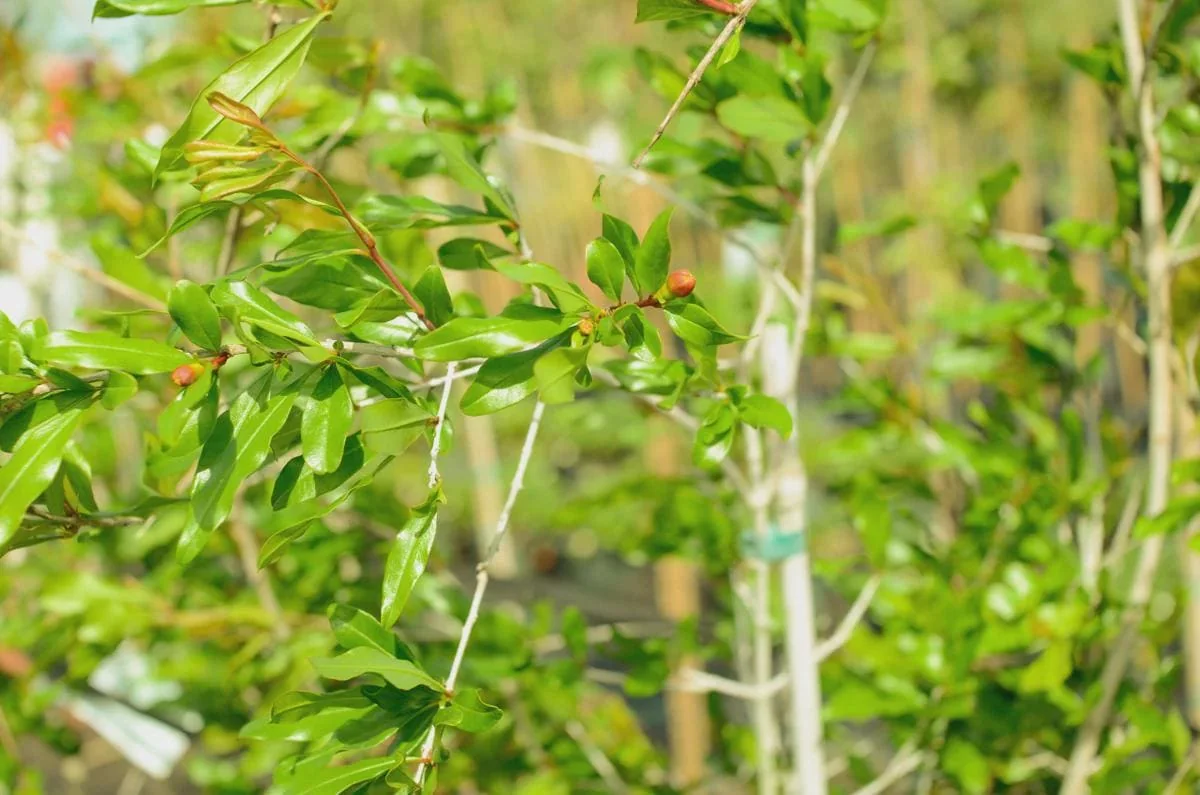
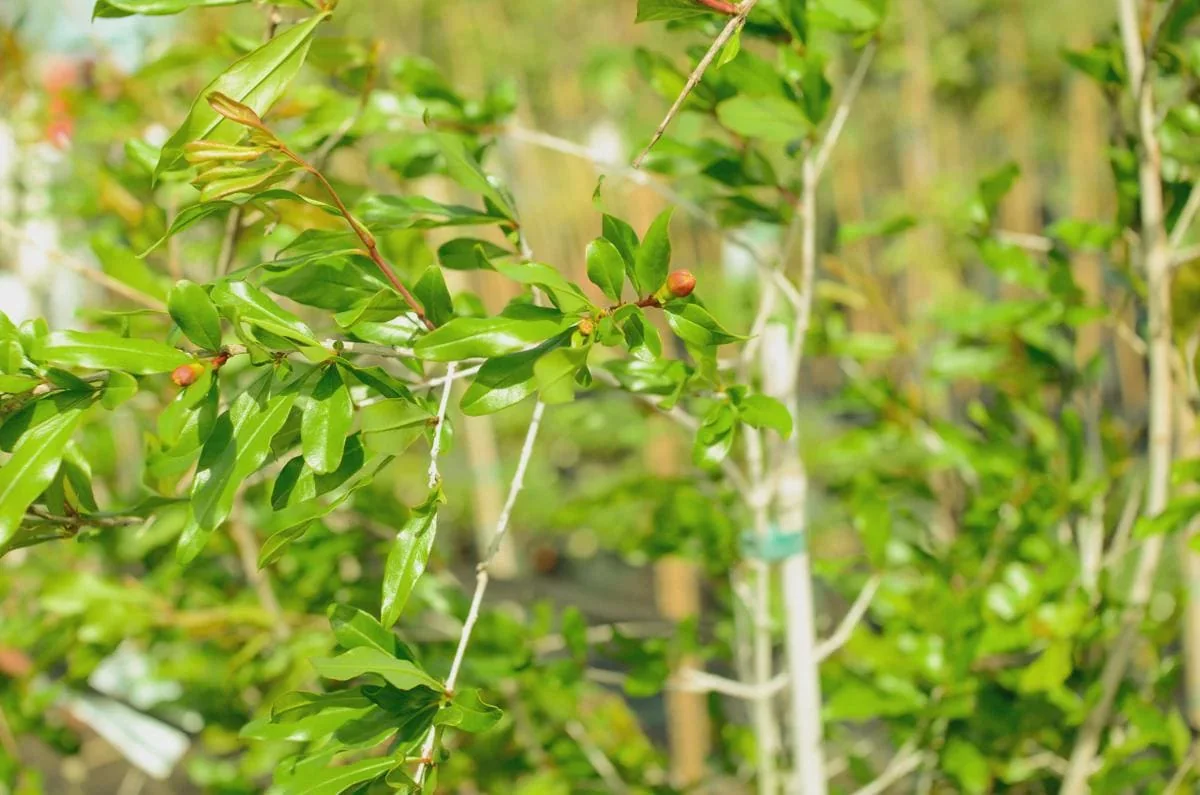
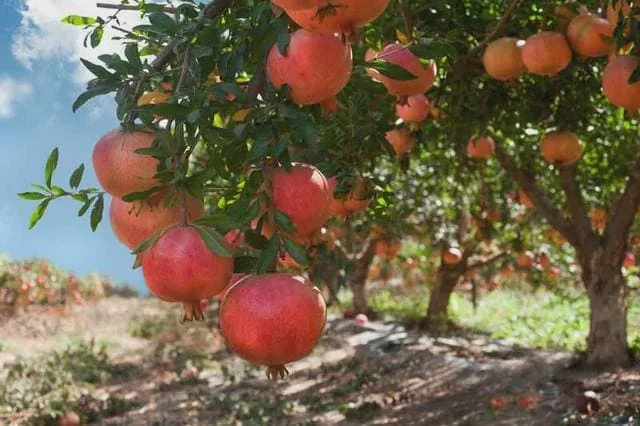
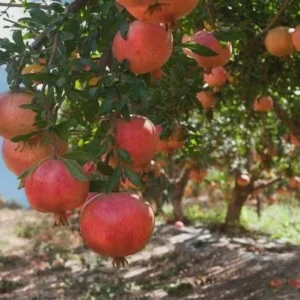
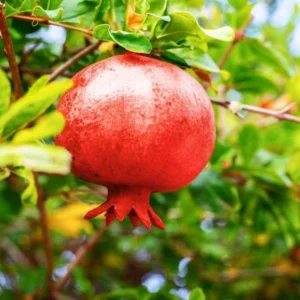
Bring the exotic beauty and delicious fruit of a Afganski Russian pomegranate tree to your garden. This exceptional live starter plant, scientifically known as Punica granatum ‘Afganski’, is an heirloom variety celebrated for its remarkable adaptability and consistent fruit yield. Originating from Afghanistan and further selected in Russia for its ability to withstand cooler temperatures, it represents a significant advancement for gardeners in more challenging climates. Unlike many other pomegranate varieties, the Afganski Russian pomegranate tree is specifically bred to be cold-hardy, making it a superb choice for growers in USDA zones 6–10. This vigorous and resilient plant will establish well in your landscape, promising years of abundant harvest from a truly unique fruit tree.
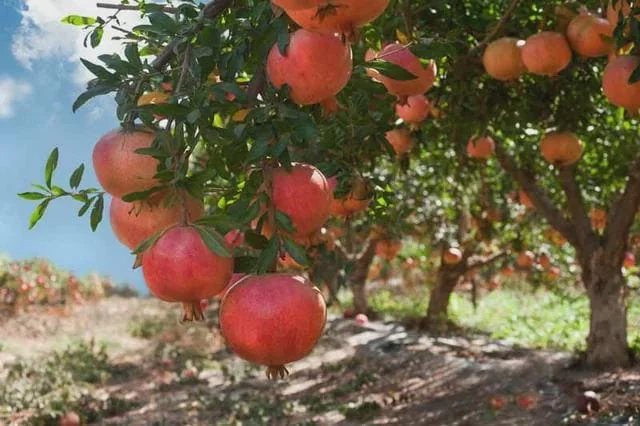
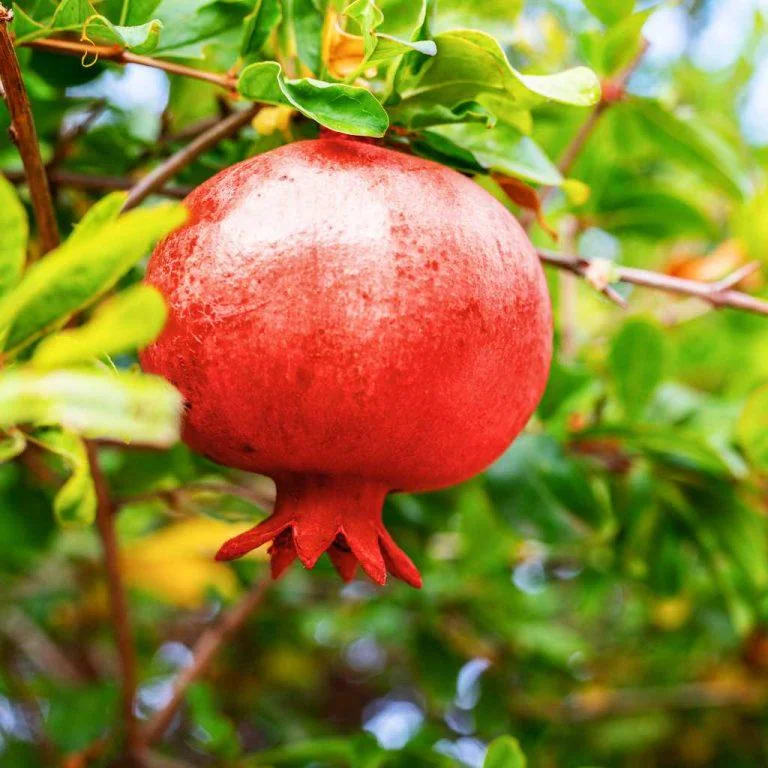
The ‘Afganski’ Russian pomegranate is not just about its cold tolerance; it’s also recognized for its robust growth and resistance to drought once established, making it a low-maintenance addition to any edible landscape. This heirloom pomegranate offers a taste of history and enduring quality, providing juicy, flavorful fruits that are perfect for fresh eating, juicing, or culinary creations. Investing in this live starter plant means cultivating a piece of agricultural heritage right in your backyard, enjoying both its ornamental appeal and its bountiful production of healthy, antioxidant-rich pomegranates.
Key Benefits
The Afganski Russian pomegranate tree offers a multitude of advantages for the home gardener, blending ornamental beauty with practical fruit production. Its unique characteristics make it a standout choice:
- Exceptional Cold Hardiness: This variety is renowned for its superior ability to withstand colder temperatures, thriving in USDA zones 6–10, which extends the growing range for pomegranates significantly. Gardeners in cooler regions can now successfully grow this delicious fruit.
- Reliable Fruit Production: Expect consistent and abundant yields of flavorful pomegranates once the tree matures. The ‘Afganski’ is a proven producer, ensuring a rewarding harvest season after season.
- Vigorous Growth Habit: The plant exhibits strong, healthy growth, quickly establishing itself in the landscape. This vigor contributes to its overall resilience and productivity.
- Drought Resistance: Once established, the Afganski Russian pomegranate tree is notably resistant to drought, requiring less supplemental watering compared to many other fruit trees. This makes it an excellent choice for water-wise gardening.
- Heirloom Quality: As an heirloom pomegranate, ‘Afganski’ carries a legacy of quality and authentic flavor, offering a taste experience that is often superior to modern commercial varieties.
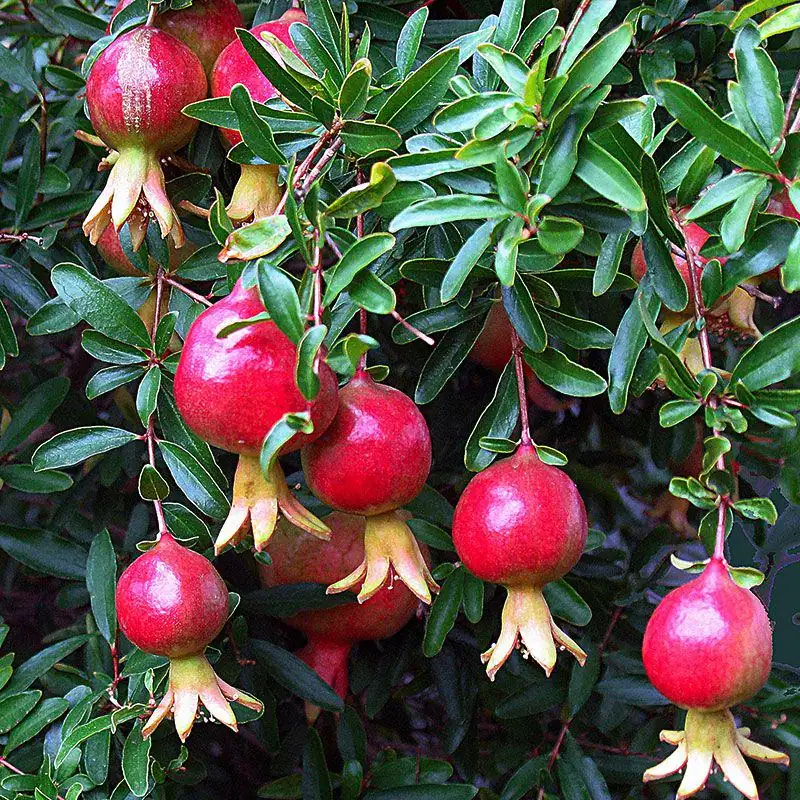
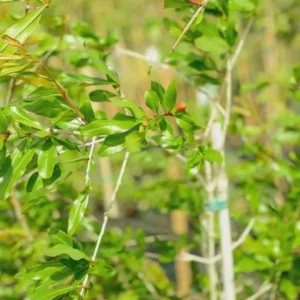
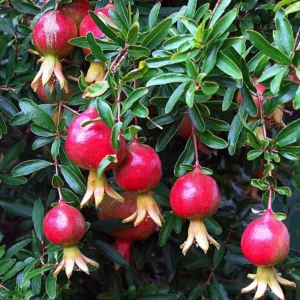
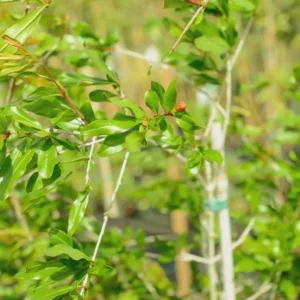
- Ornamental Appeal: Beyond its fruit, the tree itself is attractive, featuring lush green foliage and often vibrant flowers that add beauty to the garden.
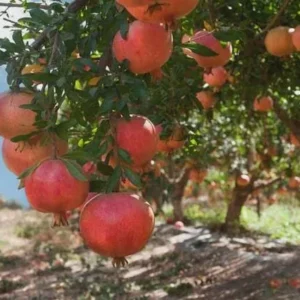
- Versatile Fruit Use: The pomegranates produced by this drought tolerant fruit tree are excellent for fresh consumption, making juice, adding to salads, or incorporating into various culinary dishes.
Plant Care & Growing Tips
Caring for your Afganski Russian pomegranate tree is relatively straightforward, especially given its robust nature. To ensure optimal growth and fruit production, understanding its basic needs is key. Pomegranates thrive in full sun, meaning they require at least 6-8 hours of direct sunlight per day. Choose a location in your garden that receives ample sun exposure throughout the day. While they are adaptable to various soil types, well-draining soil is crucial to prevent root rot. A slightly acidic to neutral pH (6.0-7.0) is ideal. If your soil is heavy clay, amending it with organic matter like compost or sand will improve drainage and aeration, benefiting your cold hardy pomegranate plant immensely.
Watering is important, especially during the first year of establishment. Water regularly to keep the soil consistently moist but not waterlogged. Once established, this Punica granatum Afganski becomes quite drought-resistant, requiring less frequent watering, though deep watering during prolonged dry spells will encourage better fruit development. Fertilize in early spring with a balanced slow-release fertilizer, following product instructions. Pruning should be done in late winter or early spring to remove dead or crossing branches, encourage new growth, and maintain an open structure for better air circulation and sunlight penetration. This helps ensure a healthy and productive Afganski Russian pomegranate tree.
Monitoring for pests and diseases is a good practice, though pomegranates are generally quite resilient. Common issues are usually minor and can be addressed with organic solutions if caught early. Given its cold hardiness for USDA zones 6–10, significant winter protection is typically not needed in these regions, but in the colder end of its range, a layer of mulch around the base of the tree can provide extra insulation. With proper care, your heirloom pomegranate will flourish, providing you with delicious fruit for many years.
Size & Details
This offering is for 1 Afganski Russian pomegranate tree starter plant, which is typically shipped as a bare root plant without a pot. This method ensures the plant experiences less shock during transit and allows for easier planting upon arrival. The starter plant will be ready to establish quickly in your garden, growing into a mature fruit-bearing tree. While initial size can vary, these plants are vigorous growers, and with proper care, they will rapidly develop into a substantial bush or small tree.
The Afganski Russian pomegranate tree typically grows to a height of 10-15 feet with a similar spread when mature, though it can be kept smaller with regular pruning. It has a moderate growth rate, and you can expect it to begin producing fruit within 2-3 years, with increasing yields as it ages. This drought tolerant fruit tree is a long-lived specimen, providing decades of harvest. Detailed planting instructions will be provided to help you successfully establish your new Punica granatum Afganski.
Frequently Asked Questions
- Q: How big does the Afganski Russian pomegranate tree get? A: The Afganski Russian pomegranate tree typically reaches a mature height of 10-15 feet and can spread similarly. Its size can be managed through regular pruning to fit your garden space.
- Q: Is this an indoor or outdoor plant? A: This is an outdoor fruit tree. The Afganski Russian pomegranate tree is specifically known for its cold hardiness, making it suitable for outdoor planting in USDA zones 6–10.
- Q: How much sunlight does the Afganski Russian pomegranate tree need? A: For optimal growth and fruit production, this tree requires full sun, meaning at least 6-8 hours of direct sunlight per day. Choose a sunny spot in your garden.
- Q: Is this plant easy to care for? A: Yes, once established, the Afganski Russian pomegranate tree is considered relatively easy to care for. It is vigorous, drought-resistant, and requires standard fruit tree maintenance like pruning and occasional fertilization.
- Q: What condition will the plant arrive in? A: The plant ships as a bare root starter plant, meaning it will arrive without soil or a pot. This is a common and effective method for shipping deciduous plants, ensuring they are ready for planting.
- Q: How long until it blooms and produces fruit? A: You can typically expect your Afganski Russian pomegranate tree to begin blooming and producing fruit within 2-3 years of planting, with yields increasing as the tree matures.
- Q: Will this cold hardy pomegranate plant survive winter in my zone? A: The cold hardy pomegranate plant is suitable for USDA zones 6–10. If you are within this range, it should survive winter without special protection, though a layer of mulch can help in colder zone 6 areas.
- Q: What kind of soil does the Punica granatum ‘Afganski’ prefer? A: Punica granatum Afganski prefers well-draining soil, ideally with a slightly acidic to neutral pH. Amending heavy clay soils with organic matter will improve drainage.
- Q: Can I grow this heirloom pomegranate in a large container? A: While primarily an outdoor tree, you can grow this heirloom pomegranate in a very large container (25+ gallons) if you have limited garden space, especially in marginal zones where it can be moved for winter protection.
- Q: Is the fruit from this drought tolerant fruit tree sweet or tart? A: The pomegranates from this drought tolerant fruit tree are generally known for their good balance of sweetness and tartness, making them very palatable for fresh eating and juicing.


Reviews
There are no reviews yet.