Overview
Discover the joy of growing your own fruit-bearing shrubs with our premium elderberry live plant offering. This includes two healthy bare root plants, each measuring between 6 and 18 inches tall, providing an excellent foundation for establishing a thriving elderberry patch in your garden. Elderberry, scientifically known as Sambucus Canadensis, is a highly valued native plant, celebrated for its ornamental appeal, ecological benefits, and, most notably, its edible and medicinal berries. These plants are a fantastic choice for gardeners looking to introduce a robust, adaptable, and productive species into their landscape. Whether you’re aiming to create a natural hedge, attract pollinators and birds, or harvest your own elderberries for culinary uses, these Sambucus Canadensis bare root plants are an ideal starting point for any garden.
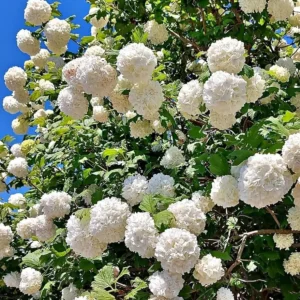
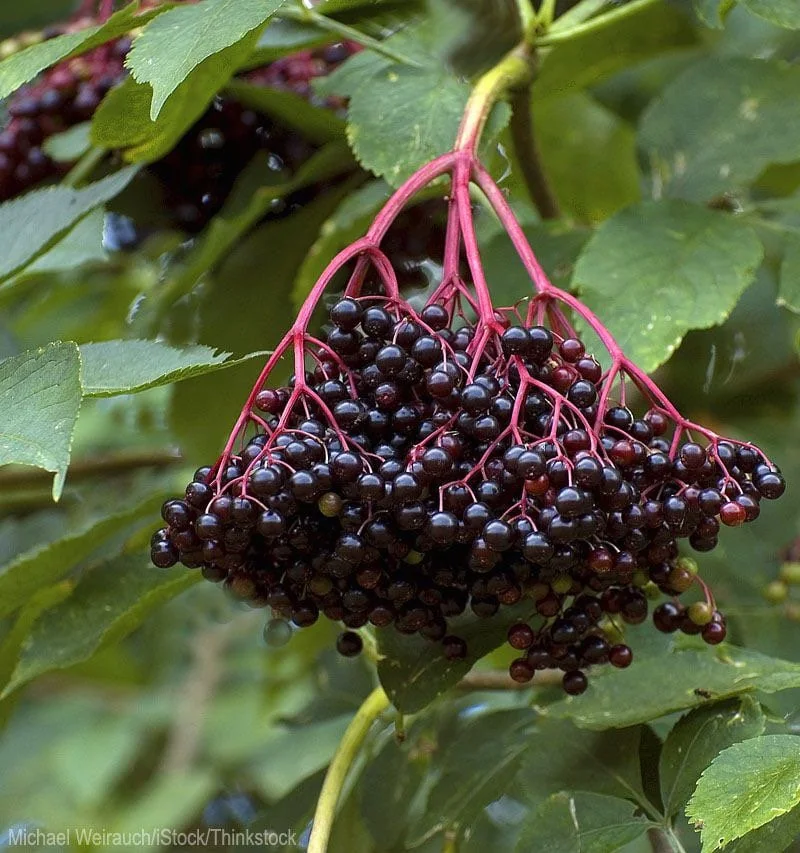
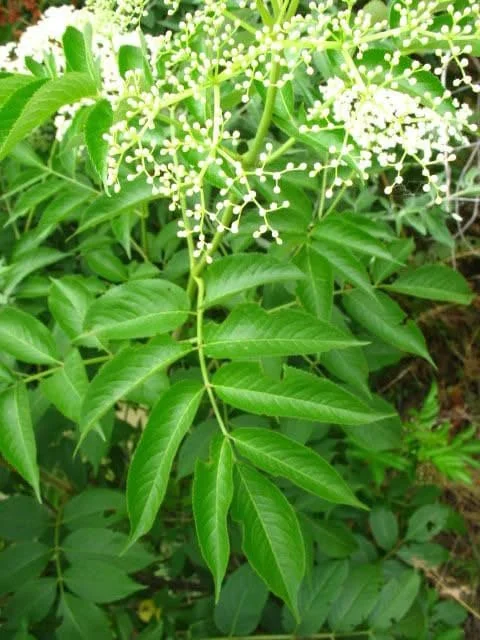
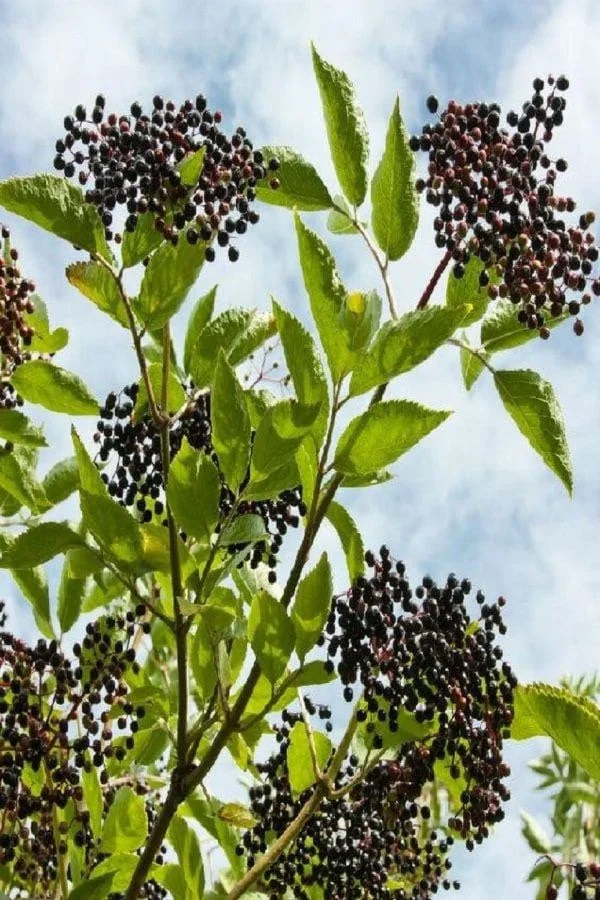
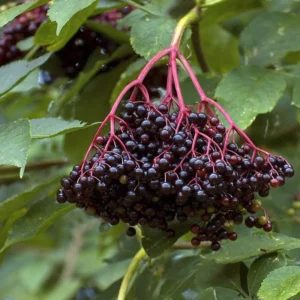
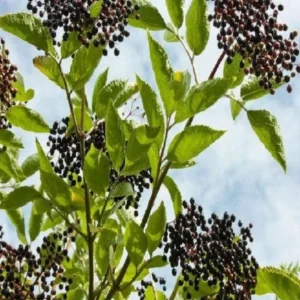
The American Elderberry (Sambucus Canadensis) is a deciduous shrub known for its vigorous growth and resilience. It produces large, flat-topped clusters of fragrant white or cream-colored flowers in late spring to early summer, which are followed by abundant clusters of dark purple to black berries in late summer. These berries are not only delicious when cooked into jams, jellies, pies, and wines but are also rich in antioxidants and vitamins. Planting elderberry live plant specimens allows you to enjoy the full lifecycle of this beneficial shrub, from its beautiful blooms to its bountiful harvest, enriching your garden and diet.
Key Benefits
Investing in elderberry live plant specimens brings a multitude of advantages to your garden and lifestyle. These plants are more than just a source of fruit; they are a cornerstone of a healthy and vibrant ecosystem, providing both beauty and utility.
- Abundant Edible Berries: Enjoy a prolific harvest of dark, nutrient-rich elderberries perfect for making jams, jellies, syrups, and wine. These berries are known for their health benefits, offering a natural boost to your diet and a versatile ingredient for your kitchen.
- Attractive Ornamental Value: The large, creamy-white flower clusters in spring provide a stunning visual display, followed by attractive dark berries. The lush green foliage adds texture and interest to any garden setting, making it a beautiful addition to your landscape.
- Pollinator and Wildlife Attractor: The fragrant flowers are a magnet for bees, butterflies, and other beneficial pollinators, contributing to garden biodiversity. The berries are also a favorite food source for various bird species, bringing life and movement to your yard.
- Low Maintenance and Adaptable: Once established, these native elderberry plant varieties are remarkably hardy and require minimal care. They tolerate a range of soil conditions and are known for their disease and pest resistance, making them perfect for busy gardeners looking for a resilient addition.
- Fast Growing and Spreading: Elderberry plants grow relatively quickly, establishing themselves and producing fruit within a few years. They also tend to spread, forming dense thickets that can be used for natural fencing or erosion control, offering practical benefits.
- Erosion Control: Their spreading nature and strong root systems make them excellent for stabilizing soil on slopes or along banks, helping to prevent erosion and maintain landscape integrity.
- Medicinal Properties: Beyond culinary uses, elderberries have a long history of traditional use for their purported medicinal properties, particularly in supporting immune health, making them a valuable plant for holistic wellness.
Plant Care & Growing Tips
To ensure your elderberry live plant thrives, understanding its specific care requirements is crucial. Elderberries are generally robust plants, but providing optimal conditions during establishment and throughout their growth cycle will lead to the best results and most abundant harvests. When you grow elderberry from bare root, proper initial care is key to a successful start.
Sunlight Requirements: Elderberries prefer full sun to partial shade. For the best fruit production, aim for at least 6 hours of direct sunlight per day. While they can tolerate some shade, too much shade can reduce flowering and fruiting significantly. Watering Schedule & Soil Moisture: Keep the soil consistently moist, especially during the first year of growth and during dry spells. Elderberries prefer well-drained, moist soil and do not like to dry out completely. However, avoid waterlogging, as this can lead to root rot. Soil Type and Drainage: These plants are adaptable to a wide range of soil types but perform best in fertile, well-draining, slightly acidic to neutral soil (pH 5.5-7.0). Amending heavy clay soils with organic matter can improve drainage and aeration, creating an ideal environment for your native elderberry plant.
Temperature Range and USDA Hardiness Zone: Sambucus Canadensis is incredibly cold-hardy, thriving in USDA Zones 3-8. It can withstand significant winter cold and summer heat within these zones, making it suitable for many climates. Fertilization: A balanced, all-purpose fertilizer can be applied in early spring before new growth begins, particularly if your soil is poor. Organic compost or well-rotted manure can also be incorporated annually around the base of the plants to enrich the soil. Pruning: Prune elderberries in late winter or early spring while dormant. Remove any dead, damaged, or weak canes. To encourage new growth and maintain productivity, cut back about one-third of the oldest canes to the ground each year. This rotational pruning ensures a continuous supply of younger, more fruitful wood. Following this tailored elderberry plant care will ensure a healthy, productive plant for years to come.
Size & Details
Each purchase includes two elderberry live plant bare root specimens, carefully selected to ensure vigorous growth. Upon arrival, these bare root plants will measure approximately 6-18 inches in height, representing a prime size for successful transplanting and establishment. Bare root plants are dormant when shipped, making them incredibly resilient and easy to plant directly into your garden or a temporary pot. They are shipped without soil around their roots, minimizing transplant shock and allowing for efficient shipping. The expected growth rate for elderberries is moderate to fast, with plants typically reaching a mature height of 6-12 feet and a similar spread, forming a multi-stemmed shrub. They generally begin producing berries within 1-2 years after planting, with significant yields by the third year. These Sambucus Canadensis bare root specimens are ready to be planted in your desired outdoor location, where they will quickly acclimate and begin their journey toward becoming a robust, fruit-bearing addition to your landscape.
Frequently Asked Questions
- Q: How big does this plant get? A: Your elderberry live plant typically grows into a shrub that reaches 6-12 feet tall and wide at maturity. Its size can be managed effectively with annual pruning to suit your garden space.
- Q: What condition will the bare root plants arrive in? A: Your Sambucus Canadensis bare root plants will arrive dormant, with their roots carefully packed to retain moisture. They will be between 6-18 inches tall and ready for immediate planting upon arrival.
- Q: Is this an indoor or outdoor plant? A: Elderberry (Sambucus Canadensis) is an outdoor plant, best suited for garden beds, hedgerows, or naturalized areas where it can receive adequate sunlight and space to grow into a mature shrub.
- Q: How much sunlight does it need? A: For optimal growth and fruit production, these plants require at least 6 hours of direct sunlight per day (full sun). They can tolerate partial shade, but fruiting may be reduced in less light.
- Q: Is this plant easy to care for? A: Yes, elderberry plants are known for being relatively easy to care for once established. They are hardy, adaptable, and require minimal intervention beyond regular watering, occasional feeding, and annual pruning, making elderberry plant care quite straightforward.
- Q: When is the best time to plant these bare roots? A: The best time to grow elderberry from bare root is in early spring, as soon as the soil can be worked and after the last hard frost. This allows the plant to establish its root system before the summer heat.
- Q: Will it survive winter in my zone? A: Yes, this native elderberry plant is extremely cold-hardy and thrives in USDA Zones 3-8, meaning it can tolerate very cold winter temperatures and will go dormant, returning vigorously in spring.
- Q: Can I use the berries from this plant? A: Absolutely! The berries from the American Elderberry (Sambucus Canadensis) are edible and commonly used in cooking to make jams, jellies, pies, syrups, and wine. They should always be cooked before consumption.
- Q: What’s the minimum temperature these plants can withstand? A: These native elderberry plant specimens are hardy down to USDA Zone 3, which can experience winter temperatures as low as -40°F (-40°C), making them incredibly resilient.
- Q: Do I need more than one plant for fruit production? A: While elderberries are self-fertile, planting two or more varieties or even multiple plants of the same variety can often lead to significantly better fruit set and yield due to improved cross-pollination.


Reviews
There are no reviews yet.